Kumis
Historical document, translated for reference. It reflects medical knowledge of the 1920s–30s and is not medical advice.
Summary
Kumis is a fermented beverage made from mare's milk, used for therapeutic purposes. This article describes its biochemical composition, fermentation process, and classification into different varieties based on acidity and alcohol content.
Encyclopedia article (1928–1936)
KUMIS, THERAPEUTIC USE. Kumis is a liquid effervescent beverage of pleasant sour taste, prepared by fermentation from mare's milk and more rarely from camel's milk, and widely used for therapeutic purposes. Mare's milk in its composition has great similarity to human milk. Casein partly dissolves and is peptonized, partly coagulates, forming a fine suspension. Albumin rather quickly passes into solution with the formation of simplest protein compounds and their breakdown products. Inikho, based on research conducted in 1929-30 at the Shafrannovo resort, believes that the biochemical process of kumis ripening has a weakly expressed character of peptonization and if in the finished kumis of all nitrogenous compounds the share of soluble compounds averages 40-45%, this is explained by the fact that mare's milk has approximately the same amount of soluble nitrogenous compounds. The indicated changes are the result of lactic and alcoholic fermentation, the causative agents of which are lactic fermentation bacilli, Bac. bulgaricus, Bac. caucasicus, Bac. Orenburgii and yeasts-Torula Kumyss. Under the influence of fermentation, milk sugar attaches a particle of water and breaks down into monosaccharides (C12H22O11 + H2O = 2C6H12O6). Further, part of the monosaccharides under the influence of lactic acid bacteria breaks down into two particles of lactic acid (C6H12O6=2C3H6O3), another part under the influence of yeast breaks down with the formation of alcohol and CO2 (C6H12O6 = 2CO2+2C2H5OH). The rate of acid formation depends on t° (optimal t° 32-36°), the type and race of lactic acid bacillus and on the amount of bacteria introduced. Alcoholic fermentation begins somewhat later than lactic fermentation. It proceeds best at a temperature of 25-30°. By lowering or raising t°, one can accelerate or slow down lactic or alcoholic fermentation, as a result of which kumis with greater or lesser acidity and with different alcohol content is obtained. Depending on the duration of fermentation, three varieties of kumis are distinguished by age: weak, medium and strong. They differ in physical properties, appearance, taste, etc. (see table on next page). According to the duration of fermentation, one-day kumis is considered weak, two-day medium and three-day strong. This method of determining the age of kumis is very inaccurate, since the rate of fermentation depends on a number of reasons. For more precise standardization of kumis varieties by acidity and specific gravity, the following scheme can be adopted, which is usually used at present, and based on recent research by Voitkevich and Inikho in view of the inconsistency of CO2 amount, it is necessary in addition to total acidity to determine constant acidity after removal of CO2 by heating kumis for 5 min. at t° 68°:
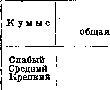
Acidity
Not higher than 90-100° 110-120° Higher than 120° constant Specific gravity 90- 80° 95-100° Higher-110° 1,025 1,020-1,015 1,015-1,010 It is preferable to distinguish varieties of kumis by the amount of alcohol and lactic acid. Kumis Amount of lactic acid Amount of alcohol Weak Medium Strong in percent 0.7-0.8 0.6-0.9 0.9-1
2-3 Kumis, with the modern method of its preparation, does not represent a homogeneous product. The average chemical composition of varieties of kumis can be characterized by the following figures (Inikhov): Composition of kumis Average kumis Strong kumys in percent Fat......... Total amount of protein Casein........ Albumin ...... Total amount of nitrogen . Protein nitrogen . . . . Peptone nitrogen . . Amino acid nitrogen . . Alcohol ........ Milk sugar. . . Ash......... 1.90 1.90 2.20 2.20 1.30 1.30 0.32 0.29 0.34 0.34 0.25 0.24 0.07 0.08 0.02 0.02 1.05 1.40 2.80 2.20 0.32 0.32 For the preparation of kumis, the starter of kumis fermentation is introduced into mare's milk in the form of a starter; among the Bashkirs and Kirghiz, the most common starter is the sediment of strong old kumis, prepared in autumn, well washed and dried in the sun (called 'kor' in Bashkir). According to D. Carrick, the preparation of these so-called 'dry kumis yeasts' is done as follows: the sediment of curd from strong four-day-old kumis is taken, washed, squeezed and dried in the sun, then placed in a clay jar and put in a dry, cold place until spring. Sometimes a bottle of old kumis, preserved since autumn, is used. The vessel for preparation among nomads serves as bags made from smoked horse skin, with the hair outward. This bag, called 'saba' or 'tursuk', 'burduk', has a conical shape with a square base and a narrow neck. The bag is sewn with straps. Bags, while providing great convenience for nomadic movements, have the disadvantage that they cannot be kept clean; particles of casein and fat remain in the seams, which can decompose and spoil the milk. Nowadays, bags are almost everywhere replaced by conical vats, hollowed out mainly from linden and called 'chelyak' or 'chilyak'. The ordinary Bashkir and Kirghiz method of preparing kumis is as follows: they take two 'saba' bags or two 'chelyaks'. Into one of them they pour about 2 liters of old kumis and a bucket of fresh, slightly cooled mare's milk, filtered through muslin, then the mixture is beaten with a whisk for about 15 minutes (usually this is done in the evening). The vat is covered with a cloth and left overnight at 20-26°C. The next day, fresh milk is gradually added to this liquid up to two buckets and it is constantly beaten with a whisk at short intervals. By evening, weak kumis is ready. From this supply, one tenth is diluted with 2 buckets of milk and weak kumis is obtained again, and nine tenths are poured into a second empty vat (chelyak), half a bucket of fresh milk is added, it is slightly beaten, covered with a cloth and left overnight at 20-26°C. The next day (with frequent stirring), by evening, medium kumis is ready. If medium kumis at 20-26°C is left to ferment for another 12-16 hours, it will turn into strong kumis. The starters used for kumis are often contaminated with foreign microorganisms, which worsens the quality of kumis. Therefore, as early as 1908 (Ginzberg, A. A. Bochinskaya), kumis was prepared from pure cultures in the laboratory. In 1923, Gorovits-Vlasova introduced the mass production of kumis from pure cultures in the Orenburg district. The preparation of kumis from pure cultures (laboratory method) is carried out as follows: one test tube with sterilized mare's milk is inoculated with a pure culture of Bacillus bulgaricus, and another with yeast (Torula); for 24 hours both test tubes are placed in an incubator, after which the contents of both test tubes are poured into a bottle with 50 g of sterilized milk, again placed in an incubator and every 6-8 hours mare's milk is added. After a day, a bottle of strong starter is obtained. The latter is poured into a quarter-bottle, half of mare's milk is added, it is shaken every half hour and after 12 hours it is poured into a chelyak and the dilution of milk is carried out in the same sequence until the amount of starter needed for mass production of kumis is obtained. Subsequently, kumis is prepared as follows: freshly milked and filtered mare's milk, obtained with the utmost cleanliness (washing of milkers' hands, washing of udders in mares, etc.), is transferred to a kumis laboratory, where it is filtered and cooled again. The milk is poured into a vat where the starter is. The amount of starter varies depending on the preparation conditions. The higher the temperature of the room, the less starter is required. Usually, 10 bottles of starter are taken per bucket. Milk mixed with starter needs to be often beaten with a whisk for even distribution of microorganisms in the milk. Three methods of preparing K. are distinguished: vat, vat-bottle and bottle. In the vat method, the milk remains in open vats all the time and is often beaten with wooden whisks during fermentation. In the vat-bottle method, the milk is brought in the vat to the stage of young kumis, and then poured into bottles, where it is kept for some time at room temperature, after which it is taken out into the cold to stop or slow down further fermentation. In the bottle method, the milk from the vat is poured into bottles as soon as fermentation begins, and further fermentation processes occur in the bottles, kept at the appropriate temperature until the kumis reaches a certain strength. Bottle kumis contains more CO2 and lactic acid and relatively less alcohol. In practice, the vat-bottle method is most suitable. The process of preparing good kumis is quite complex and capricious and requires observance of certain rules: utmost cleanliness at all moments of preparation, diligent beating and proper uniform temperature of the room in which the kumis is prepared. The best temperature for kumis fermentation is 20-25°C. In fermenting kumis, the temperature rises due to the life activity of microorganisms to 30-33°C. If the temperature in the kumis laboratory is above 25°C, the kumis will heat up during fermentation above 33°C, as a result of which lactic fermentation will gain the upper hand over alcoholic fermentation, and the kumis will acquire too sour a taste. Good quality kumis in bottles fizzes. Gas escapes with a noise through the siphon. In a glass, such kumis foams, the foam gradually settles. Kymis has an aromatic smell and a pleasant sour, slightly pungent taste. In appearance, good kumis is a uniformly foaming liquid of milky-white color, without grains, not giving sediment on standing. If the above rules (proper cleanliness, corresponding temperature, etc.) are not observed, acetic, butyric and mucous fermentation can develop in the kumis, and an unfit for consumption ('sick') kumis will result. Signs of such spoiled kumis in butyric fermentation are a rancid taste, an unpleasant sour smell and fat droplets floating on the surface. Such kumis is obtained from insufficient mixing (beating) and too high fermentation temperature and from feeding mares with burdock. Butyric fermentation can appear in both medium and strong kumis. Acetic fermentation is observed in weak and medium kumis: such kumis is liquid, contains little CO2, gives abundant sediment on standing, smells of vinegar, is very sour in taste. This fermentation often develops at low temperature (in cold, inclement weather). Only young (weak) kumis is subject to mucous fermentation; it is observed with insufficient amount of starter and contamination of the vessel. Occurs mainly in vat kumis. In such kumis there is little CO2, it has a sweet, unpleasant taste, and when poured it stretches in threads. Spoiled kumis is harmful to health; it can cause severe gastric symptoms (vomiting, stomach pains, diarrhea, malaise, etc.). Great caution is required when consuming kumis purchased from local kumis artisans, as such spoiled kumis is more often found with them. Here too, falsification of kumis by adding water, cow and goat milk and soda is often found. In addition to the conditions mentioned above, for obtaining medicinal kumis, healthy mares and good feed are necessary. Previously, only Kirghiz, Bashkir and Kalmyk breeds were considered suitable. Now this view has been abandoned, and it is only required that the mares are healthy, not too young and not too old (not younger than 4 and not older than 10 years), not of the first foaling, with a young foal-suckling, and that they are not ridden and not exhausted by too frequent milking. - For a long time, great importance was attached to steppe feather grass, considering it a necessary feed for obtaining good kumis. Mares, exhausted by winter lack of feed, recover very quickly on feather grass pastures. May kumis, obtained in May during the flowering of feather grass, has a special aroma and taste. These two facts created a definite opinion about the importance of feather grass. But obtaining 'May kumis' by the laboratory method throughout the summer showed that the presence of feather grass is by no means necessary for obtaining good quality kumis. Well-fed and healthy mares of any breed, non-working, with good forage grasses (timothy, couch grass, eastern goat's beard, etc.) give milk from which good kumis can be prepared. In some areas of the Orenburg district, kumis is prepared from camel milk, the so-called shubat.
In its properties and therapeutic significance, it differs little from mare's milk kumis. Attempts are made to prepare kumis from the milk of other animal species. Thus, in the Crimea, kumis is prepared from goat's milk. In Moscow and other places (Yeysk), kumis is prepared from cow's milk. In terms of physico-chemical and taste properties, such kumis differs from mare's kumis, and their equivalence cannot be discussed. The methodology for preparing kumis from cow's milk, which has significance in terms of greater availability of this beverage, requires further study. Rational kumis production is possible only with the proper organization of kumis farms. For an uninterrupted supply of kumis, a sufficient number of milky mares is needed, approximately one milky mare for every two resort patients. Usually, the percentage of mares in foal in the herd is about 60-70. The kumis herd must contain a sufficient number of healthy stallions and young stock ensuring normal replenishment and replacement of the kumis herd. The kumis herd must be provided with sufficient pastures in summer and feed reserves for winter. Therefore, the organization of kumis health resorts is inevitably connected with the establishment of state farms. The state farm must engage in field, vegetable, and dairy farming, since kumis health resorts are usually located far from populated areas and their supply with vegetables and dairy products is difficult. Most kumis state farms are also engaged in fattening meat cattle. An example of a large kumis state farm is Uranbash, which is under the jurisdiction of the Orenburg-Shafranovsky state resort trust. Uranbash is located near the city of Orenburg, occupies 14,200 hectares, of which 4,370 hectares are under virgin reserved steppe, and the rest are under fields, meadows, and vegetable gardens. In winter, kumis herds from the Shafranovsky and Orenburg districts' kumis health resorts are brought to Uranbash for wintering; in summer, only the young stock remains there, and breeding and selection of particularly high-yielding mare breeds and culling of kumis herds also take place there. The virgin steppe of Uranbash serves as a base for the further construction of kumis health resorts. Pharmacodynamic and therapeutic significance of kumis. The pharmacodynamic significance of kumis can be judged to a certain extent from its components—milk sugar, lactic acid, CO2, alcohol, salts, etc. Milk sugar, taken internally in relatively large quantities, acts as a diuretic and has a mild laxative effect. Lactic acid in small doses aids digestion, affects the acid-base balance in tissues, and has a definite hypnotic effect; CO2 enhances the secretory, motor, and absorptive functions of the gastrointestinal tract (N. V. Vereshchinin), causes dilation of stomach vessels and excitation of sensory nerves (Heinz). In addition, it has great significance as a physiological stimulant of the respiratory center and as a regulator of oxidative processes. Alcohol (not exceeding 2%) must be considered as the effect of weak alcohol dilutions. Small doses of alcohol have a stimulating effect on the cardiovascular system, the central nervous system, and in particular on the respiratory centers. Food proteins are usually broken down during digestion in the gastrointestinal tract, whereas in kumis a significant portion of proteins is already in a broken-down state, making them easier to digest and absorb. It should be noted that milk proteins are complete, i.e., contain all necessary amino acids. - The salt composition of kumis, with its relatively high calcium content, greatly affects salt metabolism; calcium facilitates phosphorus metabolism, detoxifies the body from harmful slags formed as a result of improper metabolism. Kumis contains sufficient vitamins from the remnants of mare's milk, and mainly from the yeast. The physiological effect of kumis on the body has been studied mainly under conditions of steppe kumis therapy. The effect of kumis on the digestive organs and its digestibility have been quite thoroughly elucidated by Carrick. He speaks of increased appetite, increased secretion of gastric juice, and improved absorption of food under the influence of drinking kumis. According to Zhebrovsky, kumis is a hypotonic solution of organic and inorganic salts, resembling mineral waters to a certain extent; like them, the juice-stimulating effect of kumis consists in preparing the digestive glands for intensified activity. Milk casein, under the influence of lactic acid fermentation, is peptonized, i.e., undergoes changes corresponding to the first act of digestion. Therefore, kumis is a food substance as if specially created for achiliacs, compensating for them for the missing pepsin stage of digestion and thereby beneficially affecting the trypsin and erepsin stages. According to Rubel, kumis places increased demands on the gastrointestinal tract, on its secretory and motor capacity: with functional insufficiency of the secretory and motor capacity of the stomach, kumis has a training effect, while with organic lesions of the motor and secretory capacity of the stomach, kumis is not tolerated. However, favorable results have been noted only with normal or reduced acidity; with increased acidity, kumis is not tolerated. Later observations by P. I. Zarnitsyn and others speak of the strong juice-stimulating effect of kumis and the enhancement of the digestive capacity of duodenal juice (especially with respect to proteins and fats). Summarizing all these data, it can be considered established that kumis has an exciting effect on gastrointestinal secretion, its ability to replace hydrochloric acid to a certain extent when it is deficient in gastric juice, easier digestibility compared to milk, and high absorbability, and finally the increased digestibility of food fats and proteins when drinking kumis. In steppe kumis therapy, associated with the intake of large quantities of kumis during the day, there is a strain on the secretory-motor apparatus of the gastrointestinal tract. By evening, after emptying, rest ensues. Such a change of increased load and rest, in addition to everything else, has a training effect on the organs of the gastrointestinal tract, improves the nutrition of its tissues, and strengthens the neuromuscular apparatus (Rubel). It has been empirically established since ancient times that weak kumis has a laxative effect, while strong kumis has a constipating effect on intestinal activity. Carrick and Stange noted a decrease in the amount of feces during kumis therapy. Volkova and Rubel established a decrease in hydrogen sulfide and indole in faeces. On the cardiovascular system in the steppe climate, kumis has a significant effect. Carrick notes that soon after taking kumis, heartbeats become more frequent, the pulse increases in volume, at times a slight palpitation is felt; there are indications of a rush of blood to the head and an increase in blood pressure. The mechanism of these phenomena, which equalize after several hours, is explained by Golubov as follows: the easily absorbable kumis increases the amount of fluid entering the blood and causes temporary plethora. The change of such a daily load on the cardiovascular system by night rest (when kumis is not drunk) has, according to Rubel, a training effect on the heart muscle and improves its nutrition. Numerous observations by authors have established that after a course of steppe kumis therapy, heart function improves, the pulse becomes full, strong, and slower (by 5-10 beats per minute). During kumis therapy, the composition of the blood changes. According to Golubov, after taking kumis by evening, the specific gravity of the blood decreases, the amount of Hb decreases by 15-18%, while the number of red blood cells, despite the dilution of the blood, does not decrease. At the same time, the number of white blood cells (transitional forms) increases. Thus, there is a kind of daily enrichment of the blood with formed elements, which has also been established after a course of kumis therapy by the observations of N. K. Goryayev (in the Shafranovsky district). Older authors unanimously noted during kumis therapy an increase in the size of the chest and vital capacity.-Rubel established by precise measurements that during this the type of breathing changes: at the level of the VIII-IX ribs, the chest expansion decreases, while at the level of the upper ribs it increases. He explains this by the fact that after taking kumis the abdomen is swollen and the diaphragm is displaced upward, hindering the movement of the lower part of the chest, as a result of which the movement of the upper part is compensatorily intensified. This trains the chest muscles, as a result of which the spirometric capacity, the total width of the chest, and its excursions increase. It should also be taken into account that a large amount of CO2 is introduced with kumis, as a result of which its partial pressure in the blood increases, which undoubtedly affects the respiratory center and also contributes to the strengthening of respiratory movements. On the nervous system, the effect of kumis is quite complex and is determined by the influence of alcohol, lactic acid, and CO2. Kumis soon after intake causes some excitement, which is then replaced by a feeling of slight intoxication and drowsiness.
Light kumis intoxication is distinctive and pleasant and never causes bad consequences (headache, etc.). During the entire course of kumis therapy, there is observed a certain paralysis of the higher centers of the brain, as a result of which patients detach themselves from the worries of daily life, which contributes to the improvement of their well-being. Kumis acts somewhat irritantly on the skin and kidneys. The mucous membranes sometimes become hyperemic (conjunctivitis); sometimes a skin itch develops. Urination changes both quantitatively and qualitatively: the daily amount of urine increases (while the specific gravity remains the same), the reaction of the urine changes, the amount of urea and chlorides in it increases. These data made it possible to establish the effect of kumis on metabolism. Simultaneously with the intensification of metabolism, an increase in body weight is observed from 2 to 7 kg on average during a 1½-2 month stay at the resort, and this increase usually corresponds to the previous weight loss of the patient. Persons who have lost a lot of weight shortly before kumis therapy recover extremely quickly, restoring their weight, and this weight is maintained even after returning home to normal living conditions, and often continues to increase further (Golubov). This constitutes a sharp difference in the weight gain during kumis therapy from the transient weight gain with other "fattening" methods of treatment. During kumis therapy, along with the destruction of old cells and the washing out of slags from the body, there is vigorous growth of tissues. Data from dynamometry and other observations indicate that not only fat accumulation but also an increase in muscle tissue is occurring. Older authors ultimately reduced the effect of kumis on the body to the formula well expressed by N. V. Postnikov: Kumis nourishes, strengthens, and renews the body (nutrit, roborat, alterat). All these observations were made under conditions of kumis therapy in the steppes, and the results of treatment were the combined effect of kumis and the steppe climate. The features of the steppe climate have a strong effect on the human body—the heat and sharp dryness of the steppe climate cause profuse sweating and strong thirst, satisfied by abundant drinking of kumis. All this contributes to the washing out of slags from the body and intensifies metabolism. The abundance of sunlight, high air temperature, and constant movement of air beneficially affect the cardiovascular and nervous systems, blood-forming function, and metabolism. Sharp daily temperature fluctuations and transitions from dry, hot days to cold ones accustom the body's vasomotors to quickly adapt to fluctuations in external temperature and contribute to hardening of the body. Thus, under steppe kumis therapy should be understood not only the drinking of kumis, but the combined effect of the steppe climate and a special regime associated with enhanced nutrition, enhanced movement, prolonged stay in the open air and in the sun. This is a method of treatment that makes considerable demands on the body's reserve forces and leads to its strengthening and training. If in the question of the significance of steppe kumis therapy there are no longer any disagreements at present, the question of the significance of drinking kumis outside the steppe environment—non-steppe kumis therapy—remains controversial to this day. Along with authors (Postnikov, Carrick, Dokhman, Golubov, and others) who see in kumis as such a powerful therapeutic and nutritional agent, there are authors (Shlange, N. N. Mikhailov, Rubel, and others) who attribute the effect of steppe kumis therapy mainly to climatic conditions, enhanced nutrition, and regime. The latest laboratory-clinical observations on the pharmacodynamic properties of kumis, as well as the successful application of kumis therapy in non-steppe areas of the Buryat-Mongolian Republic and Siberia (M. P. Mikhailov and others), confirm the advisability of applying kumis therapy outside the steppe environment. The question of winter kumis therapy is also resolved positively. The therapeutic value of kumis. Empirical observations on the nutritional effect of kumis on nomads exhausted by the harsh conditions of winter life could not but give rise to the idea of using kumis for therapeutic purposes. Diseases accompanied by general exhaustion of the body, anemia, chlorosis, rickets, scurvy, chronic bronchitis, pulmonary tuberculosis—this is the area of application of kumis therapy described by older authors (Postnikov, Polubensky, Bogoyavlenky, Carrick, and others). Among these diseases, the main disease for which kumis therapy enjoys special fame is pulmonary tuberculosis. The first report on the use of kumis for consumption was made by the Scottish physician John Grieve, who was working in Russia at that time (1784), then Heberlein, who successfully applied kumis therapy on himself and gave a detailed description in 1805. After him, for several decades, Russian physicians applied kumis therapy successfully on themselves and on patients (Carrick, Manassein, Lesgaft, Polubensky, and others). The favorable effect of kumis therapy is explained by the fact that in pulmonary tuberculosis, metabolic processes are disrupted, appetite and nutrition are reduced, the secretory capacity of the gastrointestinal tract is often impaired, the functional capacity of the cardiovascular system is weakened due to intoxication, etc., and kumis acts favorably on all these functions of the body. During kumis therapy, many tuberculosis patients at the beginning or middle of the course of treatment experience an increase in temperature, intensification of cough, appearance of rales, etc. This phenomenon is called "kumis reaction" or "kumis catarrh," and it is very similar to the reaction in tuberculin therapy. In steppe kumis therapy for pulmonary tuberculosis, the climate, purity of air, low relative humidity, enormous insolation, and constant air movement moderating the summer heat are important. All these climatic elements have a beneficial effect on exhausted tuberculosis patients; their sputum secretion decreases; cool nights favorably affect sleep, especially in patients with sweats and subfebrile temperature. Aerotherapy and careful heliotherapy used simultaneously with kumis therapy enhance the therapeutic effect. However, when sending patients, one must first consider the difficulties of travel, the lack of comfort in steppe kumis sanatoriums, where patients must largely take care of themselves. Furthermore, the steppe climate is a strong irritant that demands the body's reserve forces. Therefore, bedridden, feverish patients with extensive lung lesions, with impaired functional capacity of the cardiovascular system, cannot be sent to the steppes. Hemoptysis, which was previously an absolute contraindication, according to modern views, is only a contraindication when it is frequent and profuse. Tuberculous lesions of the larynx are no longer an absolute contraindication: the localization of the process and the nature of the lesion are important (deep ulcerative processes in the larynx are absolutely contraindicated). Tuberculosis of bones and joints in patients who have retained the ability to move is not a contraindication. Tuberculous kidney disease, as well as non-tuberculous kidney diseases, are contraindications to kumis therapy. Patients with pulmonary tuberculosis with stationary, subsiding, or slowly progressive processes, not extending beyond stage II on both sides or stage III on one side (according to the classification of the IV Tuberculosis Congress), in a state of subcompensation, with normal or somewhat or moderately stable subfebrile temperature, in the presence of anemia, malnutrition, impaired secretory function of the stomach, etc., should be sent to kumis therapy resorts. Tuberculous bronchadenitis and tracheobronchitis are very indicated if they are accompanied by signs of malnutrition and anemia. The People's Commissariat of Health has established the following indications and contraindications for state kumis therapy resorts.—Indications. 1. Tuberculosis: a) recently compensated, subcompensated forms of pulmonary tuberculosis without sharp temperature fluctuations; b) compensated forms of pulmonary tuberculosis with malnutrition; c) broncho- and pleural adenitis of tuberculous nature without sharp temperature fluctuations. 2. Diseases of the stomach and intestines: gastritis with reduced secretion, with reduced acidity or absence of hydrochloric acid with signs of malnutrition. 3. Anemia and exhaustion after illnesses and operations, where strengthening and raising the body's nutrition is required.—Contraindications. 1. All decompensated forms of pulmonary tuberculosis and other organs. All forms of pulmonary tuberculosis with sharp manifestations of neuropsychic excitability with tuberculous complications of other organs and with hemoptysis that has occurred in the past year. 2. Tuberculosis of bones, joints, peritoneum, intestines, urinary system, tuberculosis of the larynx with deep tissue damage. 3. All forms of disturbance of compensation of the cardiovascular system. 4. Diseases of the stomach and intestines: a) diseases of the stomach with increased secretion and increased acidity; b) stomach ulcers; c) pyloric stenosis, gastoptosis, and organic diseases that substantially impair the evacuative capacity of the stomach and cause stagnation of gastric contents. 5. Diseases of the liver, biliary tract, and gallbladder. 6. Diseases of metabolism: diabetes and obesity. 7. Increased neuropsychic excitability; Basedow's disease.
Method of kumis treatment, regimen and diet. In modern kumis treatment sanatoriums, a specific regimen is followed: 7 AM - rising, measurement of temperature, morning toilet, rubbing down, 7:15 AM - physical exercises and morning walk, 8-9 AM - first breakfast, 9-10 AM - doctor's rounds, 10 AM-12 PM - drinking kumis, sunbathing and other procedures, 1-2 PM - lunch, 2:30-3:30 PM - rest period, 3-7:30 PM - drinking kumis, walks, games, physical exercises, 8 PM - dinner, 11 PM - complete rest. Nutrition plays an important role in kumis treatment. According to Carrick, the diet should consist of enhanced nutrition with "the most digestible food". At present, there are sufficient scientific data to consider the previously used nutritional norms in kumis treatment of 5,000 calories excessive, and to be satisfied with 3,500-4,000 calories and to achieve proper selection and variety of dishes. No special diet is generally required for kumis treatment. Fruits and berries can be given in any quantity, but not simultaneously with kumis. Since kumis is a therapeutic agent that acts energetically (with improper use, kumis can cause digestive disorders, increased temperature, pulmonary hemorrhage, etc.), it should be drunk following special rules: drinking kumis should be started gradually, in the first days no more than one bottle per day (and in some cases only one glass per day); adding 1/2 to 1 bottle per day, reach the maximum dose beneficial for the given patient. On average, women are prescribed 3-4 beer bottles, and men 4-5 bottles per day. When dosing kumis, one should be guided by the individual characteristics of the patient and, above all, his appetite. Kumis should not only not decrease appetite, but, on the contrary, increase it. Kumis should be drunk on an empty stomach or after a light breakfast. Drinking kumis is stopped 1-1.5 hours before breakfast and lunch and is resumed again only 1.5 hours after eating so that the stomach is not overloaded. Drinking kumis is stopped at 5-6 PM (diuretic effect at night, mild excitation of the nervous system in neurasthenics can affect sleep). In some cases, on the contrary, a small amount of kumis (150-200 g) drunk at night promotes sleep in persons suffering from insomnia. In some diseases associated with reduced acidity, as well as in patients accustomed to drinking with meals, it is permissible to drink kumis in small quantities (100-200 g) with meals. Kumis should be drunk not cold, but slightly warmed in the sun to room temperature. It should be drunk not in one gulp, but slowly. After drinking kumis, rinse the mouth with a soda solution (one teaspoon per glass of water) to avoid harmful effects on the teeth. It is advisable to drink kumis during a walk. During kumis treatment, increased movement, walks, games, physical exercises, etc., are beneficial, but all this should be carried out under medical supervision and dosed in accordance with the condition of the patients.
Related articles
Mentioned in
Cite this page
“Kumis.” Soviet Medical Encyclopedia. English translation of Bolshaya Meditsinskaya Entsiklopediya, 1st ed. (Moscow, 1928–1936), ed. N. A. Semashko. https://sovietmedicalencyclopedia.pages.dev/article/kumis/