VIEUSSENS
Historical document, translated for reference. It reflects medical knowledge of the 1920s–30s and is not medical advice.
Summary
Vieussens was a renowned 17th-century French anatomist who conducted extensive anatomical studies on approximately 500 corpses, resulting in significant contributions to neuroanatomy and pathological anatomy. His work established anatomical terms still in use today and provided important insights into the vascular system and heart function.
Encyclopedia article (1928–1936)
VIEUSSENS, Raymond (Raymond de Vieussens, 1641-1716), one of the most famous French anatomists of the 17th century; he studied medicine in Montpellier. In 1671, he obtained the position of physician at a hospital, and over the course of 10 years, he conducted anatomical examinations of about 500 corpses, the result of which was his work "Neurographia universalis, hoc est omnium corporis humani nervorum simul et cerebri medullae-que spinalis descriptio anatomica" (Lugduni, 1685). To this day, the terms remain: "centrum semiovale Vieussenii"—for the designation of the white matter of the cerebral hemispheres, and "ansa Vieussenii (subclavia)".
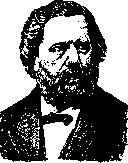
His works in the field of pathological anatomy are also extremely valuable, which include: "Novum vasorum corporis humani systema" (Amstelodami, 1705) ("New system of vessels of the human body"), "Traité nouveau de la structure et des causes du mouvement naturel du coeur" (Toulouse, 1715), and others. Vieussens also wrote numerous works on various questions of practical medicine.
Related articles
Mentioned in
Cite this page
“VIEUSSENS.” Soviet Medical Encyclopedia. English translation of Bolshaya Meditsinskaya Entsiklopediya, 1st ed. (Moscow, 1928–1936), ed. N. A. Semashko. https://sovietmedicalencyclopedia.pages.dev/article/vieussens/