Angiotripsy and Angiotrophoneuroses
Historical document, translated for reference. It reflects medical knowledge of the 1920s–30s and is not medical advice.
Summary
This article defines angiotripsy as a surgical method of crushing tissue to stop bleeding, noting its limited modern use due to the risk of secondary hemorrhage. It also covers angiotrophoneuroses, a group of vasomotor and trophic disorders affecting circulation and tissue nutrition, often linked to the autonomic nervous system.
Encyclopedia article (1928–1936)
ANGIOTRIPSY (from the Greek angeion—vessel and thrypsis—crushing), the crushing of tissues to stop bleeding. This method has been known in surgery for a long time; thanks to special instruments proposed by the French surgeon Doyen, it was at one time widely used. The figure shows Doyen's angiotribe for crushing a vessel. The disadvantage of angiotripsy is that the eschar resulting from the crushing may detach and cause bleeding in the postoperative period; therefore, surgeons currently use angiotripsy only in exceptional cases (a difficult-to-access vessel, for example, during vaginal gynecological operations), preferring to stop bleeding by applying ligatures (see Bleeding).
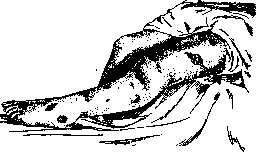
ANGIOTROPHONEUROSES, vasomotor (or vasomotor-trophic) neuroses and neuropathies. Angiotrophoneuroses include asphyxia localis symmetrica (Raynaud's disease), erythromelalgia, acroparesthesia, spontaneous gangrene, intermittent claudication, scleroderma, facial hemiatrophy, non-healing perforating ulcer, neurotrophic or neuropathic edema, urticaria, and others. As the name itself indicates, the disease manifests as a disturbance in tissue nutrition and disorders of blood and lymph circulation, which is why it is better to understand angiotrophoneuroses not as neuroses, but as vasomotor-trophic disorders based on disturbances in the autonomic nervous system. Shingles (herpes zoster) was previously also considered a vasomotor-trophic neurosis; now, however, it is understood as an infectious disease of the spinal nerve ganglia. On the other hand, conditions based on disorders of the endocrine glands (e.g., Basedow's disease) are very similar to vasomotor-trophic diseases. The causes of the onset of angiotrophoneuroses are still far from clear. A predisposition to the disease is striking, at least in some subjects; in such cases, one can speak of a vasoneurotic constitution; an asthenic constitution is also often noted in those with angiotrophoneuroses; angiotrophoneuroses appear quite often in tuberculous families. Among external etiological factors, it is necessary to mention infections, mental shocks and intoxications, exhausting sexual anomalies, as well as tobacco smoking, especially in cases of the development of intermittent claudication and spontaneous gangrene. Cooling and frostbite must also be taken into account as an etiological factor, especially in wartime conditions (staying in trenches). At the present time, the greatest interest is presented by those cases of angiotrophoneuroses in which, along with changes in circulation and nutrition, one can establish certain definite indications of diseases of the central or peripheral nervous system. The pathogenesis of angiotrophoneuroses is still far from being clarified. Clinical signs of angiotrophoneuroses (see separate table): changes in skin color (pallor, redness, cyanosis), its temperature (skin thermometers!), sweating and sebum secretion, edema, abnormal growth of hair and nails, atrophy or, conversely, hypertrophy of the elements of the skin itself (thinning, thickening of the skin, hypertrichosis, formation of skin scales), formation of nodules, ulcers, cracks, etc. (see figure). Often, angiotrophoneuroses are accompanied by pain and other unpleasant sensations. The diagnosis is more or less clear from the clinical picture.
of the disease. In terms of prevention, the fight against tobacco smoking deserves special attention. Among the new therapeutic methods that occasionally yield good results, one can point to ultraviolet rays, local d'Arsonvalization, diathermy, and operations on the sympathetic nervous system (Leriche's arterial sympathectomy).
Related articles
Cite this page
“Angiotripsy and Angiotrophoneuroses.” Soviet Medical Encyclopedia. English translation of Bolshaya Meditsinskaya Entsiklopediya, 1st ed. (Moscow, 1928–1936), ed. N. A. Semashko. https://sovietmedicalencyclopedia.pages.dev/article/angiotripsy-and-angiotrophoneuroses/