DIATROPTOV
Historical document, translated for reference. It reflects medical knowledge of the 1920s–30s and is not medical advice.
Summary
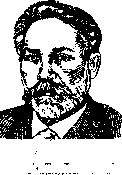
Peter Nikolaevich Diatroptov (born 1859) was a prominent Russian bacteriologist, hygienist, and public health activist who played a key role in developing vaccination programs and combating infectious diseases like cholera and plague in late Imperial Russia.
Encyclopedia article (1928–1936)
DIATROPTOV, Peter Nikolaevich (born in 1859), a prominent Russian bacteriologist, hygienist, and public figure. D.'s activity began in the mid-1880s as a sanitary physician in Elisavetgrad district. In 1892 he was appointed head of the Odessa bacteriological station. During this period he widely implemented Pasteurian vaccinations and organized the production of diphtheria and other serums; actively participating in the fight against cholera and in 1901-02 against plague, he thoroughly studied the nature of this epidemic. In 1907 Diatroptov was arrested and exiled from Odessa, then returned due to the appearance of the danger of plague and again deprived of his position as head of the station when this danger passed. In 1910 D. was elected professor at the Higher Women's Courses (now 2nd Moscow State University) to the department of public hygiene. Subsequently he held the department of general hygiene at 2nd Moscow State University (until 1925). D. closely participated in the work of the Moscow sanitary organization and worked in the Pirogov Society as a member of the board and editor of the journal 'Public Physician'. During these years D. repeatedly at his laboratory organized courses for sanitary physicians; the courses attracted many listeners from sanitary physicians working in the provinces. During the war D. was a member of the Main Committee of the Zemstvo Union and head of the medical-sanitary organization. From 1918 D. participated in the organization and work of the Scientific Medical Council of the People's Commissariat of Health (as its deputy chairman) and was the organizer of the State Scientific Institute of Health and the Sanitary-Hygiene Institute of the People's Commissariat of Health, and from 1928 became director of the State Institute of Experimental Therapy and Control of Sera and Vaccines. D.'s scientific work cannot be separated from his public activity: he was never a narrow specialist, and questions of bacteriology and hygiene were always developed by him from the point of view of sanitation and public health. In 1928 D. was awarded the title of Honored Scientist of the Republic by a resolution of the Council of People's Commissars. Among D.'s scientific works, one should note experimental studies on cholera, diphtheria, anthrax and plague, materials on the sanitary assessment of irrigation fields and many others. D. is one of the editors of the journal 'Hygiene and Epidemiology' and a contributor to a number of other hygiene and bacteriological journals. D. is co-editor of the Great Medical Encyclopedia for the department of hygiene and bacteriology.
Related articles
Mentioned in
Cite this page
“DIATROPTOV.” Soviet Medical Encyclopedia. English translation of Bolshaya Meditsinskaya Entsiklopediya, 1st ed. (Moscow, 1928–1936), ed. N. A. Semashko. https://sovietmedicalencyclopedia.pages.dev/article/diatroptov/