Sera
Historical document, translated for reference. It reflects medical knowledge of the 1920s–30s and is not medical advice.
Summary
This article defines immune sera as substances derived from the blood of animals immunized against specific antigens, discusses their classification into diagnostic and therapeutic-prophylactic types, and examines their chemical and physical properties distinguishing them from normal sera.
Encyclopedia article (1928–1936)
SERA. Immune serum, obtained from the blood of an animal immunized naturally or artificially against a given antigen (in most cases - a pathogenic microorganism), and possessing strictly specific selective action against it. The concept of "immune serum" must be considered relative, since from a qualitative side it is connected with the strict specificity of the action of immune properties, and in quantitative relation it passes without sharp boundaries into the concept of "normal serum". A serum highly active and therefore immune against one pathogen may be completely inactive, and therefore "normal" with respect to other microbes. The opposition of the concept of serum immune to the concept of normal serum also encounters the uncertainty of the boundaries of immune activity, above which the serum is recognized as "immune" and below as "normal". The degree of specific immune activity of serum can vary greatly depending on the strength and duration of the immunizing irritation, as well as on the physiological state of the body undergoing immunization (fluctuations in immunity during starvation, fatigue, cooling, blood loss, etc.). In a number of cases, it is very difficult to say from what moment the serum can be considered "immune". Thus, the amount of diphtheria antitoxin can reach in artificially immunized horses huge figures of 5,000 units in 1 cm3 of serum, while in animals that have been immunized naturally, it may be equal to only Vmno antitoxic units in 1 cm3, and therefore be 5 million times less than the titer mentioned above. Since in both cases we have a specific antitoxin, i.e., a factor characterizing the immunity of the serum, we must call both sera "immune". The limitation of the concept of "immune serum" by the condition of artificial immunization of the animal also does not withstand criticism, since in both artificial and natural immunization the nature of the immune properties of the serum remains the same and, moreover, in the same example of diphtheria, there are animals (horses) that in a natural state contain up to 10 and even 20 units of diphtheria antitoxin in 1 cm3 of serum, and on the other hand, horses artificially immunized with insufficiently active diphtheria antigen often give a serum titer of 25-50 antitoxic units in 1 cm3. In a practical sense, the term "immune serum" is used in relation to sera obtained from artificially immunized animals. Classification. According to the criterion of practical purpose, "immune sera" are divided into two types - diagnostic (see below) and therapeutic-prophylactic. In essence, the therapeutic and prophylactic action of serum is identical. It depends on the same protective properties of the serum, however, there are a number of sera that give a clearly expressed constant effect with prophylactic use and bring almost no benefit in the treatment of a developed disease (Degkwitz's measles convalescent serum, and to a large extent tetanus serum). With respect to such sera, it would be appropriate to use the term "prophylactic serum", and the method of their application - "serovaccination". In the future, therapeutic sera and prophylactic sera, due to the identity of their active principle, will be considered together. On the contrary, the differences between diagnostic and therapeutic-prophylactic sera are very significant. Completely different requirements are applied to both of these types of sera. It is sufficient to point out that the former are intended mainly for reactions in vitro (in a test tube), while the latter are for protective action in the conditions of a living organism (in vivo). For this reason, therapeutic sera, unlike diagnostic ones, must satisfy a number of special technical requirements, such as: strict sterility, stability, complete harmlessness, etc. According to the nature of their immune properties, therapeutic sera are predominantly antitoxic and bactericidal, while diagnostic sera are agglutinating, precipitating, etc. This does not, however, exclude the coincidence in some cases of both diagnostic and therapeutic properties in the same serum. Differences between immune sera and normal sera. The main and essential difference between immune serum and normal serum lies in its specific action on the antigen. The forms of biological and physico-chemical action of immune sera on the antigen are very diverse and are denoted by a whole series of artificially established terms in immunology, most of which characterize the external manifestation of the process, which depends not only on the properties of the serum but also on the nature of the antigen itself. Such are the antitoxic, bactericidal, bacteriolytic, agglutinating, precipitating, opsonizing, etc. properties of immune sera, which according to the old doctrine of Ehrlich depend on the presence in the serum of corresponding chemical substances (antitoxins, bacteriolysins, agglutinins, precipitins, opsonins, etc.). The numerous attempts to isolate these substances in chemically pure form have not been successful, so that we have no right to speak of them as new chemically isolated substances appearing in immune serum and absent in normal serum. A more probable view is to consider the specific properties of immune sera as new properties of serum protein acquired by it as a result of immunization. Studies aimed at elucidating the difference between immune serum and normal serum in relation to the usual chemical substances constituting serum have also not revealed any constant and characteristic features of immune sera. The only proven, significant frequent chemical change occurring in serum during the process of immunization is the fact of a significant increase in the content of the globulin fraction of protein, as well as some slight increase in the total protein of the serum. However, this increase in the amount of globulins by no means can be considered specific and closely related to the accumulation of antibodies in the serum. It does not correspond to the increase in the titer of the serum and is, as most authors believe, a non-specific reaction of the blood to irritation of the body by intensified immunization and can be caused by a whole range of other effects on the animal (injections of various substances, bloodletting, inflammatory reaction, etc.). On the other hand, with carefully conducted immunization, one can obtain a high titer serum without an increase in the amount of globulins. Thus, this feature of the composition of immune sera also cannot be considered characteristic and specific for them. A more specific difference, proven by Reitstotter and others, is the physico-chemical difference between the pseudoglobulins of normal and antibacterial serum, on the one hand, and antitoxic immune serum on the other. This difference is expressed in the stronger "sensitizing" and weaker "protective" action of immune antitoxic pseudoglobulin on hydrophobic colloids (colloidal hydroxide of iron). There are indications of greater hydrophobicity of immune globulin. The changes in the physico-chemical state of immune sera (surface tension, viscosity, formalin-gelatinization) indicated by some authors, as well as the increase in the percentage content of pseudoglobulins, are not constant. These changes are detected in most cases during immunization and disappear with its cessation. Partly they are due to the non-specific increase in total protein during immunization. Some explain the immune activity of pseudoglobulin by its greater dispersity. Authors who studied the composition of electrolytes in serum also did not discover any definite regular relationships between them and the immune properties of serum. Studies to determine the total quantities of various inorganic substances - Ca, K, Na, P, etc., - their distribution between various protein fractions of serum and the degree of binding to them (diffusibility) did not give any definite facts characteristic of immune sera, although some researchers seemed to have proven certain regular relationships. The slight expression of these differences, the lack of any specificity, and the contradictory data of verification studies allow us to conclude that to this day there are no regular, characteristic, and generally recognized differences in the chemical composition between immune and normal serum, with the exception of the above-mentioned relative and non-increase in the amount of globulins. This does not mean, of course, that with the improvement and development of methods of physical and chemical research, more refined methods will not reveal to us hitherto unknown features of the chemical composition or physico-chemical state of immune sera. One can think, however, that this possibility is small, since the main carrier of specific immune reactions of serum is the complex protein molecule with its enormous variety of chemical and physical combinations. Serology. Questions related to the production of sera, their experimental study, and clinical application constitute the subject of "the science of sera" - serology.
Covering the entire field of immunity devoted to serum therapy, serology works to elucidate the essence of the therapeutic action of immune sera, the principles and methods of producing new sera and increasing the activity of existing ones. The theoretical development and practical application of serological achievements are carried out in special serum institutes (or serum departments of bacteriological institutes), where therapeutic sera preparations are produced on a mass, factory scale and from there they are supplied to hospitals. The successes of serology in its 40 years of existence are great; hundreds of thousands of people owe their lives or alleviation of suffering to it, however, very large and complex problems still stand before it unresolved. Clarifying the immediate mechanism of action of various therapeutic sera, all conditions affecting the success of their application, developing methods for producing the most active sera, questions of their experimental titration (which does not yet exist for many antibacterial sera) and studying the degree of correspondence between the therapeutic action of sera and the experimentally established titer—such are, in the briefest and most general terms, the tasks facing serology and representing a broad field for further research activity. Therapeutic and prophylactic sera. As stated above, there is no essential difference between sera used for therapeutic and for prophylactic purposes. In both cases, the protective action of such sera is determined by the same antibodies. Classification. The methods of preparing therapeutic, resp. prophylactic, sera differ; they depend primarily on the pathogenesis of the given infection. By method of preparation and properties, three types of sera are distinguished: antitoxic, antibacterial, and mixed. The first type, purely antitoxic sera, is used in diseases of a purely toxic nature (diphtheria, tetanus, botulism, snake venom, etc.). In preparing these sera, for hyperimmunization of animals, preparations of toxin and its derivatives (anatoxin, mixtures with antiserum, etc.) are used. Immunization is carried out subcutaneously or intramuscularly. The strength of sera is titrated against toxin. Antibacterial sera are obtained by immunizing animals with bacterial bodies in the form of either live or killed cultures (all kinds of vaccines—killed by heating, formalin, etc.). Immunization is carried out predominantly intravenously. Titration of such sera presents great difficulties, and for most of them there is no generally accepted methodology. In cases where such titration exists, it is based on the principle of protecting the animal's body from a certain dose of culture of established virulence (pneumococcus). Titration in vitro (agglutination) has very relative value. Antibacterial sera include pneumococcal, staphylococcal, gonococcal, partly streptococcal, and some others. It is very difficult to exclude the possibility of the presence in antibacterial sera, whose main antibodies are considered to be bacteriolysins, bactericidal substances, opsonins, etc., also of antitoxic factors. Since the concept of 'toxin,' which was previously divided into endo- and exotoxin, has proven to be very complex and conditional, it cannot be excluded that in immunizing horses, bacteria also participate, as well as a toxic element associated with their bodies or present in the surrounding fluid, which is not yet accessible to our observation. Recent works (Ferry, Norton a. Steele) with respect, for example, to the meningococcus, considered a typical non-toxic microbe, prove that by immunizing horses with filtrates of broth cultures of meningococcus, very active therapeutic sera can be obtained. For treating infections of mixed bacterial-toxic nature, mixed sera are prepared (dysentery, scarlet fever, gas gangrene, etc.). Immunization is carried out either on the same horse with two different preparations (toxin, resp. its derivatives subcutaneously and culture intravenously), or with their mixture (total culture or total Ramon anatoxin), or on different horses separately with each preparation, and the resulting sera are subsequently mixed. Titration is carried out either with a preparation of similarly mixed type (dysentery) or with preparations of the factor dominant for the pathogenesis of the infection (toxins for microbes of the gangrenous group and scarlet fever, culture for streptococci, etc.). In some cases, when it is difficult to determine what (toxic or bacterial) character the given infection has, the methods and techniques of preparing and titrating sera against it vary accordingly, which makes the stated classification of sera conditional, however, in general this classification is expedient as characterizing the basic requirements for sera and the principles of its preparation. The foundation for serum treatment of infectious diseases was laid by the works of Behring and Wernicke on passive immunity. Having proved the possibility of transmitting immunity by parenteral administration of serum from an immunized animal, Behring and Wernicke prepared the first immune antidiphtheritic serum in 1892 by hyperimmunizing sheep and applied it for treating diphtheria in humans. Soon thereafter, Rou and Chaillou (1894) prepared diphtheria serum on horses. In the next 10-15 years, sera against a whole range of infections were prepared. Major milestones in the development of serology in its 40-year history should be considered: 1) preparation of tetanus serum (1894), meningococcal serum (1906), scarlet fever serum (1904), dysentery serum (1904), antigangrenous sera (1916); 2) development by Ehrlich of an exact experimental method for evaluating the strength of diphtheria serum with the establishment of a serum standard; 3) modification of this method by Remer in 1912 (intradermal test); 4) development of a similar method for titrating tetanus serum (establishment of the international unit of tetanus serum in 1922); 5) introduction into practice in 1914 of immunization with neutral mixtures; 6) introduction into practice in 1922 of immunization with anatoxin (see); 7) development and application in 1922 by Ramon of the method of titrating serum (diphtheria) in vitro (flocculation); 8) introduction into practice of immunization with non-specific stimulating substances—manganese chloride (Walbaum, 1924), tapioca (Ramon, 1923), alum (Glermy, 1931), and calcium chloride (Ramon, 1932); 9) introduction of artificial concentration and purification of serum. Therapeutic sera are currently produced in special production serum institutes or in serum departments of bacteriological institutes. The most suitable animals for mass production of therapeutic sera are horses and species close to them—mules, donkeys. Cattle (oxen, bulls, cows) are also sometimes used, however, all the technical advantages (in terms of care conditions, immune reactivity, body size, etc.) are on the side of horses, and cattle is very rarely used for supplying hospitals with sera for treating patients suspected of being in an anaphylactic state with respect to horse protein (repeated cases of serum therapy). For initial experiments with any serum, small animals—goats, sheep—are often used. Pigs are also sometimes used in veterinary practice. Animals intended for serum production must be strong and healthy with respect to infectious diseases, which is guaranteed by a mandatory 2-4 week quarantine upon their arrival at the stable. Chronic latent infections must be excluded by the most sensitive methods of biological diagnosis (malleinization, tuberculinization). For some immunizations, horses that have been naturally somewhat immunized against a given disease (diphtheria) or artificially prepared in advance (½-1 year) for immunization (tetanus) are taken. Animals undergo prolonged immunization (see Immunization, Hyperimmunization) with antigenic preparations of the given microbe. Antigens. Bacterial preparations with which animals are immunized in the production of therapeutic sera—antigens—are the most important decisive factor in immunization. Strict specificity and high immunizing properties (so-called antigenicity, antigenic strength or antigenic value)—these are the two main requirements that these preparations must satisfy. In order to facilitate immunization, it is highly desirable that the antigens used are as free as possible from toxic action on the immunized animal's body. The first condition—specificity of antigens—is observed by strict microbiological and serological selection of strains used for their preparation. It is very important in this case to release not only precisely identified laboratory strains but also local strains isolated from diseases in the given area (meningococcus, streptococcus, etc.) into practical immunization. For detoxification of antigens, various methods of reducing or destroying their toxicity are used. The main of these methods are: formalinization (anatoxins and anavaccines), mixing antigens with specific antiserum (neutral mixtures, sensitized vaccines), killing bacteria by heating (vaccines), etc. A particularly important role in the question of successful immunization belongs to the antigenic strength of the preparation.
The main efforts of serologists are directed precisely at increasing the antigenic activity of immunizing preparations. Other factors of immunization, such as the individuality of the animal, the immunization scheme, etc., are of lesser importance. Many works have been done to find objective methods for determining the antigenic strength of preparations. Significant successes have been achieved in the field of toxins, especially diphtheria toxin and its derivative - anatoxin, etc. In addition to a number of methods proposed for determining antigenicity on animals (determination of antitoxin-binding capacity, Glennie's immunity index, direct immunization experiments), for diphtheria toxin and some other preparations, there is a very valuable and simple method for determining antigenic strength in vitro using the flocculation reaction of Ramon. To increase the immunizing power of antigens, methods of artificial concentration by precipitation with acids, neutral salts, aluminum hydroxide, flocculation with specific S. followed by destruction of antitoxin and release of anatoxin ('regeneration' of Ramon), etc., have been proposed and used. To stimulate the process of antitoxin formation and to change the conditions for the absorption of the preparation in a favorable direction for the immunizer, non-specific chemical irritants are quite widely used in hyperimmunization practice, such as tapioca (Ramon), manganese chloride (Valbum), alum (Glennie), calcium chloride (Ramon), etc. Most of these substances are used in mixture with the antigen, some (manganese chloride and other manganese salts) separately from it. Blood drawing (Fig. 1). After a certain period ('course') of immunization, the S. of the animal acquires sufficient specific activity

Figure 1. Drawing blood from the ear vein of a rabbit.
in relation to the antigen, which can be easily verified by preliminary titration of a blood sample taken from the horse. Then the animal is subjected to large-scale production bleeding (from the vein). After the first course of immunization, a second, third, etc., follows. Each course ends with a new bleeding. In some cases, it is advantageous to completely exsanguinate the horse, i.e., to perform so-called total (arterial) bleeding. With partial bleeding after each course, blood is taken once or twice (with an interval of two days). The amount of blood taken is approximately 1/50 of the animal's body weight, i.e., for a 450 kg horse - 8-9 liters. With double bleedings, one is reduced by 2-3 liters. Partial bleeding is technically performed by puncture of the jugular vein using a wide (6-7 mm) hollow needle or trocar (Fig. 2), which through a rubber tube with a glass cannula attached to the end are connected

Figure 2. Needles for immunization and blood drawing from horses.
to a special glass vessel where the blood is collected. Total (lethal) exsanguination is performed by section of the carotid artery, into the central end of which a glass tube is inserted, also connected by a rubber tube
^^ ^ with the receiving vessel. The shape and design of the vessels in which blood is collected vary in different institutes. The most common are technically convenient tall glass cylinder-jars with a capacity of several (2-4) liters. To increase the yield of S., methods of pressing out clots of clotted blood in the cylinders using weights of non-oxidizing metals weighing about 1 kg, which are pre-mounted under the cylinder lid in such a way that they can be easily lowered into the vessel without opening it, are widely used. Sometimes such weights are sterilized separately from the cylinder and introduced into it sterilely from outside. Separation of S. The blood taken into the cylinders is left to clot for 12-24 hours, then the mentioned weights are lowered and after 1-2 days of keeping the cylinders in a cold room, the S. settled above the clot (covered with weight) is pumped off through a siphon into a 6-10 liter bottle by creating a vacuum in it (Fig. 3). Into the bottle containing S., a corresponding amount of some preserving chemical substance is immediately added (see below). All manipulations with blood and S., from bleeding to pouring S. into ampoules, must be carried out under strict sterility. In cases where S. is intended for purification and concentration, blood is taken into vessels containing solutions of substances that prevent blood clotting (usually sodium citrate or oxalate). After the formed elements settle (no clot forms), the plasma is pumped off and after some time goes for further processing - purification from passive protein fractions not carrying antitoxin. In some cases, S. obtained by blood clotting is taken for concentration. The volume of S. obtained from blood depends on the technical conditions of its separation (use of more or less successful vessel shapes, shape and weight of weights, cleanliness of vessels preventing the clot from adhering to the walls, etc.), as well as on the condition of the animal at the time of blood drawing. Normal physiological fluctuations in the ratio of S. (respectively plasma) to formed elements are insignificant and do not substantially affect the industrial yield of S., which averages 40%. The most significant influence in this respect is exerted by the state of anemia, acute or chronic, developing as a result of repeated multiple bleedings. Thus, when bleeding is repeated after 2 days, the yield of S. at the second bleeding is 7-10% higher than at the first. Long-term exploited horses due to anemia and hydremia give a much higher yield of S. (50-60% and up to 70% of the total blood volume) than fresh, recently arrived horses (25-30% of blood volume). As already mentioned, to the S. collected in the bottle, preservative antiseptic substances are added to prevent microbial contamination. Figure

3. Aspiration of serum from cylinders into bottles with a siphon.
substances are most commonly used: chloroform (pro narcosi), phenol, chinozol, tricresol, and some patented preparations. Native, unaltered S. is subjected to mandatory aging in bottles in an ice cellar (+2----+6°) for at least 4 months. Such aging has the purpose: first, physical clarification of S.,
removal of suspended Figure 4. Apparatus for heating serums. P1 | formed elements; secondly, | | disappearance of the toxic | o effect which horse S. has | on the human body; thirdly ~*TU* ,i 1
reduction of serum phenomena | |
fourth, stabilization of the titer, which weakens to a greater extent in the first months of storage of S. than subsequently. With regard to the last two circumstances, the aging of S. to some extent may be replaced by its heating (56° several times for 1 hour each) (fig. 4); heating, reducing the phenomena of serum disease, however cannot accelerate the process of physical settling of S., so that a certain period for settling (2 months) is mandatory for native horse S. under all conditions. The settled S. is tested for sterility (aerobically and anaerobically), for harmlessness (by injecting 10 cm³ under the skin of a normal guinea pig) and for its precipitating action on human protein, as well as being subjected to specific titration to determine the content of antibodies in it. Many types of S. have their more or less well-founded and developed method of titration, but a number of S. as yet do not have such methods. In the overwhelming majority, titration is performed by experiments on animals. The principle of titration is determination by the precisely established experimental dose of toxin or culture of the smallest amount of S., which, when mixed with this dose, protects the experimental animal from death or from contracting the given disease (methods of titration—see Standardization, standardization of bacterial preparations). Besides the titer of antibodies, determined in "units", at present, after the work of Madsen (Madsen) and his school, great importance is attached to determining the so-called avidity of S., i.e., the degree of rapidity with which S. enters into the reaction of toxin neutralization, determined by experiments on rabbits. S. that has passed all the described types of testing and titration in the form of a sample of each series (three ampoules of 5-10 cm³ each) is sent to state control at the State Institute for Control of Sera and Vaccines (Moscow), which repeats the testing and issues formal permission for the release of S. for use. State control of therapeutic S. in the USSR is mandatory. A series of S., completely finished with testing and having permission from the control institute for release for practical application, is poured from the bottle into flacons, in most cases into ampoules of various capacities (from 2-3 cm³ to 20-50 cm³, but mainly in 10 cm³). The pouring is done with a siphon under strictly sterile conditions with filtration of S. through glass wool and with precise measurement of the quantity, for which the pouring siphon has a corresponding device. During pouring, a bacteriological test of S. for its sterility is again performed. Immediately after filling, the S. ampoule is sealed on a strong sharp flame, then after checking for transparency it is placed in a separate box with instructions for use. On the ampoule itself, before placing it, a narrow label is affixed indicating the type of S. The box is sealed with a second label containing the following information (according to the legislation of the USSR): full name and address of the institute that produced the S., name of the S., number of units and volume of S. contained in the ampoule, series number, date of release and number of permission from the State Control Institute. Requirements that therapeutic S. must satisfy. Therapeutic S. issued for use in human practice must satisfy according to legislation the following requirements: 1) be obtained from healthy animals; 2) be aged for at least 4 months and be transparent; 3) not contain preservative substances more than the maximum allowed, e.g. 1/2% for phenol; 4) not contain foreign particles (a slight sediment and cloudiness in S. that have stood for some time in ampoules are allowed); 5) be completely sterile; 6) be harmless for small laboratory animals; 7) not precipitate human protein (precipitating S. are released with restriction of their use, for which a note "do not introduce intravenously" is affixed to the box); 8) contain the number of units of antibodies indicated on the label. The shelf life of S. when stored in ampoules at low temperature (from 0 to +6°) is taken as one year for the given titer. With longer storage the titer decreases, the percentage of decrease is taken as on average 10% per year. S. that have stood in ampoules for a long time (especially from alkaline glass) gradually become cloudy and form a flocculent precipitate due to the continuing process of protein precipitation. Such S. are suitable for use if the cloudiness (resp. precipitate) is not too great. When using such S., the precipitate should not be shaken up, as it consists of proteins that do not carry active therapeutic properties. S. intended for veterinary use are usually poured into larger containers. With regard to them, preliminary aging, test for harmlessness and precipitation are not mandatory. Besides that, some legislations allow so-called conditional sterility (content in 1 cm³ up to 100 colonies of non-pathogenic microorganisms). Purification and concentration of S. The protein constituting S. is not homogeneous; by salting out with neutral salts it can be divided into several fractions possessing different properties. The main of these fractions are globulins and albumins. In turn, globulins can be artificially subdivided into fibrin-globulin, eu-globulin, pseudoglobulin. It has long been established that the active immune properties of S. are associated not with all fractions of serum protein, but only with one of its fractions—namely globulins (mainly pseudoglobulins). This made it possible to use for treatment instead of the whole S. only its active protein fraction carrying antibodies. It is separated from the other fractions, the so-called passive or ballast proteins, by an artificial laboratory method. Such preparations are called purified, or concentrated S. They are released by some foreign institutes under the name "antitoxin" (diphtheria, tetanus, etc.). Abroad, purified sera are released and used quite widely. Their advantages are much less pronounced, and in many cases completely absent, serum reaction on injection (serum disease), less anaphylactogenic action, better and more rapid absorption on injection, absence of cloudiness on standing, and finally, simultaneous with purification—concentration—reduction of the volume of S. injected. From the point of view of production, purified S. have the advantage that they can be released without preliminary prolonged aging. Purification of S. entails additional costs and sometimes significant loss of antibodies, therefore the cost of purified S. is considerably higher. A disadvantage of purified S. with some methods of their purification is an enhanced reaction on intravenous administration. Production of purified and concentrated S. has been mastered recently, their mass production dates back 15-20 years. The methods themselves for purifying S. from ballast proteins are usually combined with concentration of antibodies. These methods are diverse. Those adopted in institutes of bourgeois countries are often not published, constituting a factory secret. In principle, most often methods of salting out S. with neutral salts (Na₂SO₄) or plasma with (NH₄)₂SO₄ are used. A certain concentration of these salts precipitates and then filters out the eu-globulin part of the serum globulin. With the next portion of salt, the pseudoglobulin fraction is precipitated, from which the serum albumin not carrying active antibodies is filtered out. The precipitate of pseudoglobulin is subsequently dissolved in one way or another in physiological salt solution or in water, subjected to dialysis to remove excess salt, then diluted with physiological salt solution to the required concentration of protein and antibodies and sterilized by filtration through bacterial filters (candles, Seitz apparatus) (fig. 5).
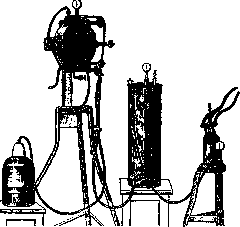
Figure 5. Seitz's apparatus for filtration of sera.
A method of concentration using electrodialysis (passing a constant current through the serum and simultaneous dialysis with running water) is also used. With this method, due to the removal of electrolytes from the serum and the disruption of the electrical state of the protein colloidal system, precipitates of various protein fractions are deposited on the electrodes. This method requires complex equipment. Other methods of precipitating and separating serum proteins are little suitable for production conditions due to technical requirements. For example, precipitation of serum by treatment with distilled water and saturation with carbon dioxide, precipitation with ethyl alcohol in cold conditions (which gave good results in experimental conditions with respect to certain antibacterial sera).-The main requirement for purified and concentrated sera is that the percentage of total protein in the final product does not exceed established norms. Methods of concentrating serum that concentrate antibodies along with the concentration of all serum proteins without removing their passive fractions (freezing, evaporation, etc.), without essentially changing the composition of the serum, mislead physicians who use the serum and are prohibited by law in most countries and in our USSR. The other requirements for purified sera are the same as for native sera (see above). Processing, testing and bottling of purified sera are carried out in the same way as for unpurified sera. List and brief characteristics of existing sera. To date, the following sera have been produced and used for therapeutic and prophylactic purposes in medical practice: 1. Diphtheria serum-the oldest and most widespread, which laid the foundation for all serotherapy. Its therapeutic effectiveness is indisputable, and its use upon establishing a diagnosis of diphtheria should be considered mandatory. It is accurately titrated on guinea pigs. 2. Tetanus serum-for prophylactic use, it acts reliably even in small doses (3,000 international units). In the treatment of already developed tetanus, it is not sufficiently active; the best effect is achieved with intraspinal application. It is accurately titrated on animals. 3. Meningococcal (epidemic cerebrospinal meningitis)-an old serum with varying reports of effectiveness. When made from local strains of meningococcus and used correctly (repeated introduction into the spinal canal plus intramuscular injections), it should possess definite therapeutic activity. Recently, toxic filtrates of broth cultures of meningococcus have been successfully introduced into immunization. It still has no methods of titration. 4. Scarlet fever serum-produced by immunization with the so-called scarlet fever hemolytic streptococcus. The most active is the antitoxic serum (Dikov) for toxic forms of scarlet fever. It is less effective for septic forms. It is titrated intracutaneously on goats, rabbits and by the flocculation method. 5. Streptococcal antibacterial, sometimes antitoxic serum. Polyvalent serum, produced by immunization with streptococci of various origins (septic, erysipelas, puerperal-septic, surgical, scarlet fever, anginal, etc.), is more often released. Sometimes monovalent sera are released. It is used in large doses. Its therapeutic effectiveness can generally be considered proven. It has no method of titration. 6. Dysentery serum-polyvalent serum obtained by immunization with cultures of Flexner's, Hiss's, and Strong's dysentery bacilli and toxin of Shiga's strain. When used in a timely manner, it is quite effective, especially for toxic forms of dysentery. It is titrated with great accuracy (white mice). 7. Gas gangrene serum-against the so-called gas gangrene pathogens, i.e., B. perfringens, oedematis maligni, histolyticus and V. septique. It is released separately, and different types are mixed in the required ratio at injection (40% perfringens, 30% oedematiens, 20% histolyticus, 10% V. septique).-Recently produced (since the world war), it is gaining increasing recognition and spread. It is titrated fairly accurately on animals (mice, guinea pigs). Its therapeutic and prophylactic effectiveness is indisputable. The use of serum does not exclude surgical treatment of the wound. 8. Botulinum serum-purely toxic serum, undoubtedly effective under experimental conditions and with early therapeutic use. It is less effective in treating developed botulism. It is accurately titrated. 9. Pneumococcal serum-widely used in England and America, prepared in relation to pneumococci types I and II (it has not been possible to obtain it for type III). It is titrated with sufficient accuracy on mice. It is used with good effect for lobar pneumonia caused by Friedländer's diplococcus types I and II. It is released both as polyvalent and monovalent serum. 10. Typhoid serum-little used, according to some authors, it is effective therapeutically. 11. Gonococcal antibacterial serum-of controversial effectiveness. 12. Anthrax serum-obtained on the principle of antibacterial serum, used successfully in humans and animals. 13. Plague serum-antibacterial, according to most authors, has a therapeutic effect in the bubonic form of plague.-Sera against staphylococci, cholera, typhus, tbc, anti-rabies have been proposed by some authors, however, they have not yet received recognition and spread. Normal sera. The therapeutic use of normal sera, i.e., sera obtained from animals not subjected to artificial immunization, is quite widespread. It is based on the principles of protein irritation therapy (Reiztherapie). Such therapy is conducted for chronic gonococcal infections, for erysipelas, for chronic joint rheumatism, for skin lesions-eczema, psoriasis, etc. The use of normal horse serum as a hemostatic agent in acute hemorrhages and toxicoses of pregnancy has firmly established its place (see Serotherapy).-Sera of convalescents. The so-called sera of convalescents also belong to the category of therapeutic and prophylactic sera, i.e., obtained from people who have naturally contracted a given disease and possess protective and therapeutic properties. The measles serum of Degkwitz is widely used among such sera, which gives a good prophylactic effect when used in the order of 'serovaccination', i.e., injection during the first days of incubation (up to the 3rd-4th day), and is not active when used in already developed measles. In addition, convalescent scarlet fever and whooping cough sera are also used for therapeutic and prophylactic purposes with good results. Convalescent sera, as obtained from a naturally immunized person, are as a rule less active than sera obtained from hyperimmunized animals, but they have the advantage that, being human sera, they do not cause serum sickness. In addition, for those diseases against which no serum has been obtained from animals (measles), convalescent serum is the only means of treatment or prevention. In rare cases, sera (sometimes whole blood) from artificially immunized people are used. For example, cases of treatment of endocarditis lenta with serum or blood of a person subjected to some course of injections of vaccine made from green streptococcus isolated from a patient have been described. The use of immune sera in mixture with antigens for the purpose of active immunization. Until recently, the use of immune sera for the purpose of active immunization in the form of mixtures with antigen for its neutralization was quite widespread. These are the well-known neutral, hypo- or hyperneutral mixtures of toxin with antitoxin for the prevention of diphtheria, for immunization against tetanus (in veterinary practice), etc. These preparations, as containing serum, have certain disadvantages: firstly, due to the presence of protein, they may be somewhat anaphylactogenic, secondly, there are indications of the possibility of destruction of the bond between toxin and antitoxin and release of the former, which makes the preparation toxic. At present, neutral mixtures have almost entirely been replaced by anatoxin preparations (see). The treatment of immune sera with live or killed microbial vaccines intended mainly for animal immunization is also used. These are the so-called Bezredka sensitized vaccines. In these cases, the serum reduces the toxicity and aggressiveness of the culture and thereby facilitates the course of immunization and improves its results. Diagnostic sera. The strictly specific action of immune sera on the corresponding antigen allows them to be used both for the purpose of accurately identifying the type of microbes or foreign protein, and for the diagnosis of various infectious diseases (see Serodiagnosis). Here, those sera that give immunity reactions with the antigen in vitro-agglutination, precipitation, complement fixation reaction, hemolysis, specific flocculation-are most used. Antitoxic and bactericidal sera are inconvenient for diagnostic purposes; however, they can also be used.
Diagnostic sera, intended for diagnostic purposes, are prepared differently from therapeutic sera, with attention paid to the high development in them of the ability to give immune reactions, which are used for diagnosis and which may be insignificant from the point of view of therapeutic activity of Sera (precipitation, hemolysis, agglutination). The preparation of diagnostic Sera is carried out on a much smaller scale than therapeutic ones, since these Sera are used in reactions in very small volumes. In most cases, these Sera are prepared on small animals, mainly rabbits, which are also very capable of producing high titers of precipitating, agglutinating, and hemolytic properties. In cases of large-scale research work (epidemics), diagnostic Sera are sometimes also prepared on horses. Methods of animal immunization and blood collection - see Precipitation, Immunization, Hyperimmunization. Blood is allowed to clot for several hours in an incubator, the clot is stirred with a thin glass rod to separate it from the walls of the vessel, and after 1-2 days the serum is aspirated with a pipette into another vessel (codbe), where a preservative substance (phenol, chloroform, chinocole) is added. As needed, the Sera are poured into ampoules (usually small-1 cm3) or dried (see below). Before pouring, the exact corresponding (agglutinating, precipitating) titer of the Sera is established and it is released with its designation. The sterility of diagnostic Sera is only necessary to protect it from spoilage, therefore the requirements in this respect for diagnostic Sera are significantly less strict than for therapeutic ones. -It is important to note the high lability of the titers of diagnostic Sera - a circumstance requiring optimal conditions for their storage (temperature, light). Diagnostic Sera are very often dried for better preservation of the titer. Drying is carried out in Petri dishes in ordinary chemical desiccators over moisture-absorbing substances (sulfuric acid, manganese chloride, phosphorus anhydride) under vacuum and at elevated temperature (incubator). The titer of the dried Sera must be determined after its dissolution in conditions corresponding to the conditions of its application. The most commonly used of the diagnostic reactions in the practice of microbiological laboratories is the agglutination reaction. For the reaction, two components are taken - the Sera and a suspension of microbes. Most often, the reaction is set up in small so-called agglutination tubes, but it can also be performed simply on a slide or in a hanging drop (microagglutination). When set up in tubes, 1 cm3 of increasing dilutions of Sera are poured into them, and then 2-3 drops of an emulsion of the test (living or heat-killed) microbes (agar wash) are added. The control tube does not contain Sera. After shaking, the tubes are placed in an incubator at 37° for 1-2 hours, after which the results of the reaction (formation of large or small flakes or granularity) are counted against a dark background with a magnifying glass, as well as with an agglutinoscope (see Agglutination). The final results of the reaction are counted after 12-18 hours of standing at room temperature. The control tube should not give any agglutination. Microbes close in their position give a non-specific group reaction, however, at much smaller dilutions than the specific strain (typhoid and paratyphoid A-B). The precipitation reaction (see) is also very commonly used in laboratory practice and is also set up in small tubes. First, a certain dilution of specific Sera is poured into all tubes, and increasing dilutions of the test material are carefully layered on top. In a positive reaction, a whitish-turbid ring quickly forms at the point of contact of the liquids. The reaction is extremely sensitive, highly specific, and is widely used outside of microbiological laboratories (food sanitation, forensic medicine, archaeology). -The third basic diagnostic reaction of immunity - the reaction of deviation, resp. binding (fixation), of complement - see Borde-Jangu reaction. It is more complex in principle and technique of setting up. The Wassermann reaction for syphilis, the complement fixation reaction for glanders, for echinococcus, and many others are based on the principle of this reaction. Technically, the reaction is set up in tubes. To a mixture of the test Sera, inactivated by heating at 56° for 1 hour (to remove its own complement), with a specific antigen, a certain amount of strictly titrated complement is added. After standing in an incubator, the second system is added - a mixture of red blood cells with the corresponding hemolytic Sera. The mixture is again placed in an incubator, and then on ice. The results are counted the next day. The strength of the reaction is determined by the degree of hemolysis, indicated by a different number of crosses.
Related articles
Mentioned in
Cite this page
“Sera.” Soviet Medical Encyclopedia. English translation of Bolshaya Meditsinskaya Entsiklopediya, 1st ed. (Moscow, 1928–1936), ed. N. A. Semashko. https://sovietmedicalencyclopedia.pages.dev/article/sera/