Serotherapy
Historical document, translated for reference. It reflects medical knowledge of the 1920s–30s and is not medical advice.
Summary
Serotherapy is a treatment method using specific therapeutic sera obtained from hyperimmunized animals to combat infectious diseases. Developed in the late 19th century, it has become an essential medical intervention for various conditions, though its mechanisms and optimal applications continue to be studied.
Encyclopedia article (1928–1936)
Serotherapy (from Latin serum-serum and Greek therapeia-treatment), serum treatment. Despite the great diversity of methods for administering therapeutic sera and differences in the types of serum preparations (sera from various animal species, purified and concentrated sera, dry sera, etc.), the essential characteristic of S. is the use of strictly specific sera obtained from the blood of artificially hyperimmunized animals. Therefore, the concept of proper S. does not include the widespread use of heterologous sera for protein therapy, the use of sera as a hemostatic agent, etc., since the sera used in these cases are not specifically immunological and are used simply as a foreign protein. Also, the concept of S. cannot include the use of so-called "inorganic sera," i.e., solutions of chemical substances (mainly salts) administered parenterally for general body activation (for example, Trunecek's "serum"). To characterize the origin of serum preparations, clarifying additions to the term "serotherapy" are used, such as: "auto-serotherapy" (treatment with one's own serum or serous transudates from various cavities), "iso-" or "homoserotherapy" (treatment with serum from another person), "heteroserotherapy" (treatment with serum obtained from other animal species), etc. S. as a special method of treatment has existed for only about 40 years. In the 1890s, Behring, Kitasato, and Wernicke established the experimental basis for S. through experiments on passive immunization of animals, while Behring and his colleagues developed its practical application, preparing the first therapeutic specific antidiphtheritic serum on sheep in 1892 and using it to treat children suffering from diphtheria. In 1894, Roux and Martin improved the method of preparing antidiphtheritic serum, tested it on several hundred sick children, and laid a solid foundation for S. of this disease. The well-developed method for preparing immune sera and the brilliant success of their practical application at the patient's bedside ensured this new type of treatment general recognition and widespread use. Following the discovery of antidiphtheritic antitoxic serum, the discovery and therapeutic application of specific sera for a number of other infections quickly followed. In 1892, Behring and Kitasato prepared an antidysenteric serum; in 1893, Calmette-against snake venom; in 1895, Marmorek-against streptococci, Jochmann and Flexner-against meningococci; in 1902, Kruse-against dysentery, Moser-against scarlet fever, etc. To the present day, there is not a single known causative agent of infectious diseases against which attempts have not been made to obtain a therapeutic specific antiserum. For many diseases, such sera have fully justified themselves and their use has entered clinical practice as an essential therapeutic measure. Along with the expansion of the field of action of specific sera, their preparation has progressively improved in the direction of improving serum quality, increasing their therapeutic activity, developing methods for titrating this activity, etc. Despite the rapid development of S., not all of its aspects have been studied, and a number of questions related to S. remain open for further scientific research. The doctrine of S. represents a branch of immunology and is based on the laws of immunity. The specific protective properties of sera from non-susceptible animals first discovered by Behring were explained by Ehrlich's school as the appearance of special substances in the serum during immunization, so-called antibodies. Representing great diversity in their action, these hypothetical bodies received special names, such as: antitoxins, bacteriolysins, bacteriocidins, agglutinins, opsonins, precipitins, etc. These terms have been retained as convenient designations to this day, despite the fact that the existence of antibodies as separate chemical substances has never been proven, and there are reasons to believe that they do not exist as such, and that the specific action of immune serum on antigen depends on changes in the latter's proteins. Although it cannot be asserted that the state of non-susceptibility of an actively immune organism is entirely determined by the immune properties of its blood (resp. plasma, serum), it has been experimentally established that a state of short-term "passive" immunity can be achieved in a susceptible animal by parenteral administration of blood, resp. serum from an immune animal that has had the disease or has been artificially immunized against it. It has also been definitely established that some sera can be successfully used for treating already developed diseases. The immediate mechanism of the protective action of serum has not been clarified, and for now we cannot say to what extent it actually acts therapeutically, separating the pathogen's toxin from already affected body cells and restoring their normal state, and to what extent "preventively," i.e., protecting them from newly incoming pathogenic agents-toxin or bacteria. In any case, advanced severe damage to cells by bacterial toxins (toxins) can no longer be cured even with large doses of serum. Hence, the basic prerequisite for the success of serum treatment is the earliest possible application of serum. It is also undoubtedly true that the action of serum is strictly specific, i.e., directed only against the infection against which this particular serum was prepared. A huge amount of experimental data proves this with full clarity. As for the action of serum on the patient's body itself, it apparently expresses only the non-specific irritation exerted by serum as a foreign protein. There is no reason to assume that the specific principle of immune serum could act in any specific way on the body's own cells. The processes occurring in the tissues of the patient's organism are extremely complex, and it is very difficult to clarify the mechanism of action of serum under these conditions. It is precisely this complexity and a number of technical features of serum application that explain the not unconditional success of serum treatment in all cases of its application. There are cases of ineffectiveness of sera known to be highly active. The direction that questioned the value of specific serotherapy and considered the therapeutic effect of S. to be the result of non-specific action of sera on the organism was based mainly on cases of favorable therapeutic action of normal non-specific sera. These views have no experimental basis and have been definitively refuted. Even if one cannot theoretically completely exclude the possibility of some beneficial non-specific influence of the proteins of therapeutic serum on the organism, the main factor of S. is precisely the specific action of immune serum on the pathogen and the toxin it produces. From this premise, one must proceed when resolving practical questions of S., e.g., use exclusively strictly specific antisera (the importance of accurate diagnosis), prepare therapeutic specific sera by immunizing animals with local strains of the pathogen, strive to maximize the concentration of specific protective properties of serum, etc. From all that has been said, one could briefly define the essence of the therapeutic action of serum as specific radical protective-therapeutic action directed against the pathogenic agent, with the possible addition of some non-specific protein effect on the body's cells. Sera have been proposed based on various other theoretical premises, e.g., antienzyme serum, Deutschmann's "yeast" serum, etc. The basis for using these sera is different, and the degree of their success corresponds to the correctness of the theoretical principles on which their preparation is based. Such sera are not intended for specific S. The therapeutic effect of immune sera, depending on their strictly specific action on the infectious agent (bacterium, toxin), cannot be achieved by other types of therapy, however, this by no means excludes the feasibility and necessity of simultaneously using S. and other types of treatment-in some cases conservative, medicinal, in others radical surgical. Thus, it is clear that specific S. does not exclude the use of symptomatic agents and measures aimed at maintaining the functions of individual organs or eliminating certain symptoms (cardiac, narcotic, disinfecting substances, etc.). This position is particularly evident in some surgical diseases. Although here serum is an important, often decisive factor in treatment, it by no means excludes the need for ordinary surgical help.
For example, in gas gangrene and gangrene, severe streptococcal infections, and to some extent in tetanus, radical removal or opening of the focus, which by itself is far from always curing the patient, must necessarily accompany and be accompanied by serum treatment, which has the task of freeing the body of toxins (resp. bacteria) that have entered the general circulation and eliminating the phenomena of poisoning. Thus, occupying the first, decisive place in the treatment of infectious diseases, serotherapy by no means excludes any other treatment, but, on the contrary, requires cooperation from these other non-specific forms of therapy. The success of serum treatment depends to a large extent on a whole series of technical conditions of its application. The most important of these conditions are the timing of serum application, the quality of the serum (its activity), and the closely related question of dosage, and finally—to a somewhat lesser extent—the method of serum administration. Timely, and as early as possible, application of serum is an essential and most important prerequisite for the success of its action. Numerous experimental works, as well as everyday clinical observations, show that early application of serum greatly favors its therapeutic effectiveness, and that each day and even hour of delay sharply worsens the results of its action. With early application of serum, one is dealing less with the treatment of the disease than with protecting the body from further development of the disease through the passive immunity provided by the serum. It is quite clear that such protection is easier to accomplish and better results are achieved in terms of protecting the body from infection than by treatment. Ideally, the application of serum should precede the development of clinical symptoms in the infected organism (as is known, the duration of passive immunity is 15-20 days). There is a whole series of infections—tetanus, measles, botulism—in which we have an excellent effect from serum prophylaxis even with small doses of serum, and negligible effectiveness of the same serum when used therapeutically even in large doses. In relation to a number of sera, their application after a certain period of the disease is considered even useless, whereas in the first days these sera give a good therapeutic effect (scarlet fever, meningitis, etc.). The quality of the serum, i.e., its specific activity in relation to the antigen, also plays a huge role (see Sera). In many diseases in the past, serotherapy has been discredited precisely by unsuccessful, insufficiently active preparations of the serum used (scarlet fever, pneumococcus). The dosage of serum depends primarily on its activity. Since the success of treatment depends on introducing certain amounts of specific antibodies, and the passive fractions of serum protein that do not contain antibodies (albumins, euglobulins) play no specific role in treatment and are unnecessary, and often harmful (causing serum sickness), in determining the dose of serum, one must be guided not so much by the volume of serum as by the amount of protective properties, resp. substances, determined experimentally and expressed in special units of 'titer'. It is clear that in all respects it is advantageous to prepare and use the most active sera possible. The economic and technical advantages of highly active sera over less active ones are very great. They are clear from the position that, however many times more active a serum is according to experimental titration, only that much less of it is needed to achieve the same therapeutic effect. In practice, one often encounters sera that differ in strength by 5-8 and even 10 times. For sera with well-developed and generally recognized methods of experimental titration, the therapeutic dosage is expressed precisely by the number of active protective units, regardless of the volume of serum (diphtheria, tetanus, dysentery, gas gangrene, etc.). To achieve a higher concentration of active protective substances in serum, in addition to methods of more intense hyperimmunization of the animal from which the serum is obtained, methods of artificial concentration of sera and their liberation from ballast protein fractions that do not have immunological properties (purification) are also used (see Sera). For sera with officially recognized methods of titration, many countries have established a mandatory minimum titer below which the serum cannot be put into use. Thus, in the USSR, a minimum of 400 units has been established at present for antidiphtheritic serum, for antitetanus serum—300 international (150 American) units, for dysentery sera—300 units, etc. Sera weak in titer may be quite active therapeutically, however they are inconvenient for practical application due to the too large amounts that have to be injected.—As for the therapeutic dosage of sera expressed in units of specific titer, it should be said that no firmly established figures applicable to all cases of diseases can be established. Only for prophylactic use are certain doses more or less reasonably established (3,000 AE of antitetanus serum, 1,000-2,000 units of diphtheritic serum, etc.). For therapeutic use, one should use as large doses of serum as possible, not being deterred by their physical volume. The phenomena of reaction to foreign protein (serum sickness)—the only unpleasant consequence of injecting large doses—as for the results of treatment itself, the more antibodies have been injected into the patient, the better, although there is no exact parallelism and further increase beyond certain maxima is not justified. (For details of dosage—see individual diseases.) The guiding considerations in prescribing the dose of serum are the timing of its application, the severity of the disease, and the age (body weight) of the patient. The later the serum is applied, the more severe the disease, and the larger the patient's body, the larger the dose of serum should be accordingly. For prolonged diseases not immediately responsive to therapy, repeated injections of serum from day to day are indicated (be wary of the 9th-12th day—anaphylaxis from the first injections). The method of serum application is of less importance than the two factors described, since the basic principle of serotherapy is the parenteral administration of serum. Local application of sera is little used and its effectiveness is very doubtful (gargling or spraying the throat in diphtheria, dusting wounds in tetanus). The use of serum per os is useless due to its digestion in the gastrointestinal tract. The only firmly established method of administering sera is their parenteral introduction—intramuscular, subcutaneous, intravenous, intraperitoneal. In all these cases, the difference in therapeutic effect lies exclusively in the speed at which the serum enters the bloodstream. The fastest in this respect is the method of intravenous administration of serum; subcutaneously administered preparations are absorbed most slowly. Intravenous injection is technically more difficult, and in addition it has the disadvantage of the possibility of shock in cases of increased sensitivity to serum (in particular anaphylaxis). The exaggerated fear of shock in most cases often prevents doctors from using the intravenous method of serum administration. However, when particularly rapid administration of serum is necessary (fulminating and severe forms of diseases), this method retains all its advantages and should be used. The intraperitoneal method is dangerous due to the possibility of introducing infection into the abdominal cavity. In terms of absorption speed, it ranks second after intravenous. Serum is most often administered intramuscularly (m. glutaeus). This method ensures fairly rapid (4-6-8 hour) entry of antibodies into the blood. Small amounts of serum are injected subcutaneously, requiring about 12 hours for absorption. In special cases, serum is administered into the affected tissue—intraspinal administration in meningitis, infiltration of the affected area in erysipelas, etc. In recent years, intraspinal administration of sera in all infectious diseases has been widely recommended in the works of Speransky, which elucidate the role of the central nervous system in infectious diseases. There is still too little data to form an objective assessment of the results of such treatment. The doses for intraspinal administration of serum are correspondingly small (up to 10 cm3). The disadvantages of serotherapy are, first, the not absolute therapeutic effect in all applications, in particular the lack of effect when it is applied late, and second, the possibility of developing so-called serum sickness (see), as well as anaphylaxis. The first complication is observed when using sera that have not been kept for a sufficiently long time (4-6 months).
On the one hand, there exists a constitutional predisposition to serum disease among people, on the other hand, the individual characteristic of certain horse sera to cause serum disease phenomena. The purification of sera from passive proteins represents an extremely valuable method for alleviating and eliminating serum disease. More severe, but fortunately much rarer, is the complication of S. with anaphylactic phenomena, especially shock (see Anaphylaxis). In practice, such cases are extremely rare, which is explained by the fact that the state of anaphylaxis is only acute at a certain period; over time it decreases, making shock more difficult to induce. Anaphylaxis is also rare due to the comparative rarity of cases of repeated serum treatment. In daily practice, doctors as a rule administer serum intramuscularly or subcutaneously. With this method of administration, slow absorption of serum in ordinary doses excludes the possibility of anaphylactic shock. To prevent anaphylactic shock when administering serum intravenously, it is necessary 2-4 hours before administering the entire planned amount of serum to inject 1-2 cm3 of the same serum for desensitization of the body. For the same purpose, it is recommended that for repeated serum injections, sera obtained from other animal species (cattle, sheep, etc.) be used. The diseases in which S. has firmly established itself as the only and effective treatment method are the following: diphtheria, tetanus (mainly preventive use), epidemic cerebrospinal meningitis, scarlet fever (scarlatinal streptococcus), gas gangrene, dysentery (bacillary), botulism, streptococcal lesions (sepsis, puerperal fever, erysipelas, surgical lesions), pneumococcal diseases (types I and II - lobar pneumonia), anthrax, snake bites. Convalescent human sera - measles, whooping cough, scarlatinal, and some others. Sera have been proposed but have not received general recognition and widespread use: anti-typhoid, anti-gonococcal, anti-tuberculosis, anti-whooping cough (Bordet-Gengou). For details on technique and results of application, see the articles on the respective diseases. In veterinary practice, sera have come into use for the following diseases: anthrax, oedema malignum, Rauschbrand, erysipelas suum, septicaemia haemorrhagica, cholera gallinarum, morbus maculosus equorum, pestis suum, adenitis equorum, tetanus.
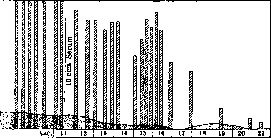
H. Vlasky, E. Gogin. Serotherapy in obstetrics and in gynecological diseases. S. in obstetrics is used for toxicoses and dermatoses of pregnancy and for postpartum diseases (see Postpartum period, Sepsis, Endometritis). Serum treatment of pregnancy toxicoses arose relatively recently (in 1910), as a result of which many questions related to it still appear far from resolved. The justification for the use of S. in clinical practice was a series of experimental and pathological-anatomical observations showing the presence in various organs of women who died from eclampsia of placental cells, and the ability of fresh human, horse, and guinea pig blood serum to paralyze the poisonous effect of freshly expressed placental juice, sodium oleate (hemolytic soap), etc. A considerable role in the origin and development of S. was also played by the interpretation of pregnancy toxicoses as processes of a general nature and the resulting desire to affect the entire organism, to help it in its fight against circulating toxins, rather than trying to suppress only individual pathological manifestations (for example, to treat vomiting in pregnant women, to treat the skin locally in dermatoses, a seizure in eclampsia, etc.). Serum was first used in 1910 (Daunay, Lequeux) in 3 cases of albuminuria of pregnancy. They administered goat serum; noting a certain positive effect of the serum (increased diuresis, lowering of blood pressure), they nevertheless refrained from any conclusions, considering that further observations were needed. The father of S. should be considered Freund (R. Freund), who first experimentally proved the possibility of its use in the clinic and was the first to test it in practical life (in eclampsia and other toxicoses). He used normal horse serum; soon after this, Mayer with no less success used serum of a healthy pregnant woman, Franz serum obtained from umbilical cord blood (in the case of erythema exudativum multiforme), Wolff serum of a puerperal woman (in toxidermia). Recently, Lazar Vassileff (Lasar Vassileff, 1932) with positive results used serum of a pregnant mare in 12 cases of severe vomiting. Other proposed sera (serum of a pregnant woman who had previously had eclampsia, serum of a horse after preliminary injection of freshly expressed placental juice or placental emulsion - Selitsky) have not yet been tested in practice. On the basis of the rather extensive data available, it can be concluded that S. (mainly normal horse serum and serum of a healthy pregnant woman) at present occupies one of the honorable places in the therapy of pregnancy toxicoses, gives the highest percentage of positive results, is used by many foreign clinics, and is, contrary to the insufficiently substantiated opinion of some (Stroganov), a completely harmless intervention [as additional proof of the harmlessness of S., Selitsky administered N-serum of a horse intravenously to himself (43 cm3 in 3 doses) and noted along with its complete harmlessness some changes it produces in the blood]. In the USSR, serotherapy for toxicoses was first applied by Selitsky, subsequently individual successfully conducted cases were published by Polonsky, Varnakov, Goberman, Shorokhova, and others. S. was applied for all kinds of pregnancy toxicoses (vomiting, uncontrollable vomiting, chorea, sciatica, eclampsia, mild and severe jaundice, etc.) and for various dermatoses and toxidermias (impetigo herpetiformis, herpes gestationis, prurigo gestationis, dermatitis toxica symmetrica, pruritus, etc.). All authors who used one or another serum in a number of cases note an exceptional effect observed not only in mild or moderate toxicoses but also in very severe ones, for example, icterus gravis with unconscious state, impetigo herpetiformis, herpes gestationis, etc. At present, there is no complete and exhaustive statistics of cases treated with one or another serum. Thus, de la Pereira in his dissertation (1915) cites 31 cases (from the Charite women's clinic in Berlin and data from other authors) of various pregnancy dermatoses and notes only one case with a negative result (a case in which serum was not administered immediately but after unsuccessful use of Ringer's solution). Selitsky in 1923 reported his first 25 cases and concurrently cited 82 cases of toxicoses and dermatoses collected by him from the literature with positive results in 91.3% (however, when 4 cases subject to exclusion are discounted, this percentage rises to 96.3); in 1929 he published his 12 cases of dermatoses (100% cure) with N-serum of a horse and cited statistics of 76 published cases with 95.9% positive results. In more recent times (1933), Sellheim, noting favorable results of S. in pregnancy toxicoses, proposes on the basis of successfully conducted cases by him the use of serum of a healthy pregnant woman in threatened abortion and threatened premature labor (see figure). The mechanism of action of one or another serum, the immediate cause of the therapeutic effect is not yet sufficiently clear. It can be assumed that one or another administered serum comes to the aid of the weakened and toxin-overloaded organism, serves as an auxiliary means for neutralizing circulating toxins, restores the protective capacity of the blood, and replenishes one or another losses or deficiencies in the organism (in the same plane Sellheim also interprets the success obtained from the administration of serum of a healthy pregnant woman in cases of threatened abortion - serum of a healthy pregnant woman, in his opinion, has a healing effect on a pregnant woman with insufficient function).
To speak of the specificity of S. in general, just as of the specificity of any particular serum, is impossible, since, as clinical observations show, an identical effect in various kinds of toxicoses was obtained from the administration of both pregnant woman's serum and N-serum of a horse, pregnant mare's serum, etc. For the same reasons, it is still difficult to speak of special advantages of one or
Threatened premature labor in the seventh month. Contractions every 1/4-*/2 hour for half a day. After the administration of serum, within the next 10 hours the contractions became less frequent, less strong, less prolonged, and finally completely ceased. The lower shaded field indicates bleeding, which after the application of serum after 6 hours gave way to brown-colored discharge and then completely ceased.

another of the sera used. Indications that the serum of a pregnant woman is the best, because it is homogeneous, require further confirmation, just as much as the opinion of Fieux that the serum of a certain stage of pregnancy is important and that supposedly the most effective is the serum of the first three months of pregnancy. The question of which of the used sera of a healthy pregnant woman [1) serum of a pregnant woman in various stages of pregnancy, both I- and II-stage, 2) serum of a parturient woman, 3) serum of a puerperal woman, 4) serum of a woman immediately after an abortion, 5) serum of blood taken from the umbilical cord] is most appropriate and whether the administration of serum of a healthy pregnant woman to a sick pregnant woman of the same stage of pregnancy can play any role, also requires clinical verification. The serum is administered intravenously, intramuscularly, subcutaneously, and intralumbally. Most often, the serum was administered intravenously and intramuscularly. Intramuscular administration of the serum in most cases is quite sufficient and in clinical practice appears simpler. The question of dosage also has not yet been finally established. Most often, the serum is administered in amounts of 10-20 cm3, and usually one injection is not enough and it has to be repeated one or two times. The serum reaction does not differ from the reaction when other sera are administered, but in general it is slight (general restlessness, somewhat difficult breathing, slight increase in pulse rate, slight rise in temperature), almost never reaches severe degrees, and often is absent altogether. The criterion for dosage and the choice of time for a repeated injection are the general condition of the body and its reaction to the first administration of serum. Published cases show that the maximum amount of serum administered was 170 cm3 (the largest single dose was 58 cm3), the smallest was 8 cm3. The amount of serum administered does not yet determine the therapeutic effect; thus, negative results were obtained with large amounts (170 cm3) and, conversely, positive results with small doses (8 cm3). Zelgeim in cases of threatened abortion administered 10 cm3 every 14 days, while in cases of threatened premature labor, a single administration of the same dose proved sufficient. In female diseases, serum (based on a series of works by Weil) is used for various types of meno- and metrorrhagias, caused by one or another violation of the ovarian-uterine cycle or being a consequence of hemorrhagic diathesis. For this purpose, either N-serum of horses or antitoxic diphtheria serum is used. The dose is 10-20 cm3, and its administration in the form of enemas or by applying tampons to the cervix is recommended (Dalche). In stubborn cases, a longer course of treatment is indicated, in which Weil never observed anaphylactic phenomena. Lapeyre was the first to use serum in metrorrhagias (fibroma, cancer, menopause), while Pruvost considers that S. should be more effective in functional menorrhagias in the pubertal period or at menopause. In a number of cases, combination of S. with hormone therapy (preparations of the thyroid gland, adrenal glands, pituitary gland - depending on the case) is indicated.
('Selitsky.')
Related articles
Mentioned in
Cite this page
“Serotherapy.” Soviet Medical Encyclopedia. English translation of Bolshaya Meditsinskaya Entsiklopediya, 1st ed. (Moscow, 1928–1936), ed. N. A. Semashko. https://sovietmedicalencyclopedia.pages.dev/article/serotherapy/