Bacteriology
Historical document, translated for reference. It reflects medical knowledge of the 1920s–30s and is not medical advice.
Summary
Bacteriology is the science of microscopic, invisible organisms of plant origin, often shaped like rods, balls, and curved spiral threads. This article outlines the divisions of bacteriology, its history, methods, and practical significance in medicine and agriculture.
Encyclopedia article (1928–1936)
BACTERIOLOGY. Contents: I. Divisions of bacteriology.......... 696 II. History of bacteriology, main stages of its development............. 697 III. Methods, teaching, and practical significance............ 703 IV. Institutes and laboratories......... 705 Bacteriological and sanitary-bacteriological (hygienic) institutes and laboratories in the USSR ... 707 V. Associations of bacteriologists, bacteriological congresses, journals, museums............. 711 Bacteriology (from Greek bakteria- rod and logos- word), the science of the smallest, invisible to the naked eye, organisms of plant origin, which most often have the appearance of rods, balls, and curved spiral threads. Often B. is identified with microbiology. The word "microbe" was first introduced by Sedillot in correspondence with Pasteur and means "small living" (from Greek mikros- small, bios- life). In content, the concept "microbiology" (see) is broader than the concept "bacteriology," which deals with microbes of plant origin or bacteria (see), formerly also called Schizomycetes (Spaltpilze), due to their method of reproduction. B. as a science was established about 50 years ago, when, thanks to the classical works of Cohn, De-Bary, and especially Louis Pasteur (1822-1895), Koch (1842-1910), Joseph Lister (1827-1912), attention was drawn to the study of bacteria, and the young branch of natural science, B., with its related enzymology, immunology, and serology, emerged as a separate discipline. Thanks to the study of pathogenic microbes, B. became closely linked to the pathology of infectious diseases and in general with modern medicine and prevention, developing precise research methods and serving as the basis for rational methods of combating infections. B. clarified the role of microbes in the economy of nature. The study of soil microbes and clarification of the essence of fermentation made it possible to use the results obtained in agriculture and technology. I. Divisions of bacteriology. At present, B. can be divided into the following divisions.-General B. is concerned with the study of the form (morphology) and life of microbes (physiology). This includes consideration of the structure of the bacterial cell, features of its growth and reproduction, and those biochemical processes that are the result of the vital activity of bacteria. This also includes the study of products secreted by microbes (e.g., pigments, enzymes, toxins, etc.) and those changes that microbes produce in the environment (putrefaction, fermentation, oxidative processes, infection).-Agricultural B. is engaged in the study of microbial processes occurring in the soil (protein putrefaction, nitrification, nitrogen fixation, cycle of S, C). Rational use of soil as a medium for growing cultivated plants, e.g., grain crops, is impossible without taking into account microbial life in the soil.-Technical B. is engaged in the study of fermentation processes, which have wide application in technology. Wine and beer making, dairy farming, cheese making, vinegar preparation, and bread baking are closely related to the work of microbes, the products of whose activity man used long before the discovery of microbes, clarification of their distribution and role.-Medical B. is engaged in the study of pathogenic microbes causing human infectious diseases. The study of the phenomena of infection belongs to this field. Each infectious disease is caused by a specific microbe parasitizing in a higher organism. The discovery of disease-causing microbes, the study of both the microbes themselves and the changes occurring in the infected organism, constitute the main subject of medical bacteriology. The routes of penetration of infection and the body's struggle with the infectious principle are studied in each infectious disease; as a result, methods of specific prevention and treatment of each form are developed (prevention, vaccination, serotherapy).--Veterinary B. studies infectious diseases of animals, mainly domestic ones, and develops measures both for protection against epizootics and for the treatment of individual forms. II. History of bacteriology, main stages of its development. The first scientists to see microbes through magnifying glasses were A. Kircher (1601-1680) and A. Leeuwenhoek (1632-1723). Rod-shaped, spiral, and spherical living beings (animalcula viva) were found by Leeuwenhoek in the plaque from teeth; he described and drew these microbes in the book "Secrets of Nature" ("Arcana naturae"), published in 1683 as a continuation of his letters to the Royal Society of London. A hundred years later, in 1786, Müller depicted the main forms of microbes accurately in the book "Animalcula infusoria" and, instead of the name "Chaos" used by Linnaeus, established new species - Monas and Vibrio (curved form). A more precise description of individual species is given in the work of Ehrenberg, published in 1838 and provided with an excellent atlas. Ehrenberg first described the hay bacillus (Bac. subtilis), the wonderful bacillus (Bac. prodigiosus), the large spirillum (Spirillum volutans), and introduced the names Spirillum, Spirochaete, Bacterium into use.-Scientific B. began to develop from the time of Pasteur (see) and Robert Koch (see). Pasteur expanded the field of bacteriological research, proved the impossibility of the spontaneous generation of microbes under present laboratory conditions (generatio spontanea), developed the principles of sterilization, clarified the dependence of fermentation processes on specific microbes (yeasts - in alcoholic fermentation, special rods - in lactic, butyric, and acetic fermentation). Pasteur pointed to the widespread distribution of microbes in soil, water, air, and their role in putrefaction and other processes in soil, studied later by his students (S. N. Winogradsky and others). Thanks to Pasteur's work on lactic fermentation, Joseph Lister (see) developed the doctrine of antiseptics in surgery. The study of fermentations gave Pasteur the key to understanding the essence of infectious diseases, of which the diseases of silkworms, chicken cholera, anthrax, malignant edema, and symptomatic carbuncle (vibrion septique) were subjected to particularly detailed research. Observations of the life of microbes and the conditions of their growth made it possible for Pasteur to obtain attenuated cultures (vaccines), which were widely used for protective vaccinations of livestock against anthrax. Pasteur's students continued his work: Duclaux (1840-1904) in the field of studying the chemistry of fermentation processes, Roux, Yersin and others - in the field of developing the doctrine of pathogenic processes. Pasteur laid the foundations of scientific microbiology as an exact experimental science, just as Claude Bernard did in physiology. Pasteur's work served as an impetus for the study, mainly, of microbial processes - fermentations and infections.-Precise methodology in B. was established, mainly thanks to the works of Koch, which in their clarity and demonstrativeness are considered exemplary. The first of his works relate to the etiology of suppuration and anthrax. Later, Koch's discovery of the tubercle bacillus and the cholera vibrio constituted an epoch in science, and his students Loeffler - the diphtheria bacillus (1884) and Gaffky - the typhoid bacillus. Koch established the so-called Koch's triad, developed in the study of the tubercle bacillus and boiling down to the following three requirements when discovering a new pathogen: 1) finding the microbe in all cases of the disease; 2) obtaining a pure culture; 3) reproducing the disease by inoculating the culture into animals. Besides discovering the bacillus and vibrion (called Koch's), Koch first obtained from broth tuberculous cultures - Tuberculin, which he began to use for immunization. Koch applied the results of laboratory research to develop rational methods of combating epidemic diseases: cholera, typhoid, tuberculosis, sleeping sickness, etc.-Further development of B. went in three directions: 1) discovery of new microbes - causative agents of infectious diseases; 2) study of the body's resistance to microbes and their toxins; and 3) development of preventive measures to combat infections. In 1884, Nicolaier discovered the microbe of tetanus. In 1887 - the microbe of cerebrospinal meningitis by Weichselbaum. In 1882, Laveran discovered the causative agent of malaria, which proved that, in addition to bacteria, protozoa can also play a pathogenic role. In 1892, Pfeiffer discovered the hemophilic bacillus of influenza. In 1894, Yersin discovered the plague bacillus, in 1898 Shiga and Kruse discovered the bacillus of bacillary dysentery. In 1905, Schaudinn and Hoffmann discovered the causative agent of syphilis - the pale spirochete. In 1917, the spirochete of infectious jaundice was discovered by Ido and Inada, and somewhat later Noguchi - the spirochete of yellow fever. With the improvement of optical instruments (Abbe illuminator, immersion systems, ultramicroscope), with the introduction of stains and improvement of methods for cultivating microbes, the number of newly discovered microbes increased each year. The microflora of soil (S. N. Winogradsky and V. L. Omelyansky), water, air, and the human body (I. I. Mechnikov) was studied.
Specialized media were introduced for individual types of microbes. The bacteria living without access to air (anaerobes) were studied, the first report of which was made by Pasteur (the microbe of butyric fermentation). A particularly important achievement in the cultivation of microbes should be considered the obtaining of cultures of spirochetes under anaerobic conditions (Muhlens, Shereshewsky, Nogushi, Novy, Aristovsky, etc.), as well as protozoa (Novy, Neal, Nicolle) on blood agar. The enormous progress in the cultivation of microbes was brought about by the introduction into science by S. N. Vinogradsky of selective (elective) media, which made it possible to enrich cultures with microbes of the desired type. This method was first applied to soil microbes, and then it gained acceptance in medical B. in obtaining pure cultures of cholera (peptone water) and typhoid (bile).-The question of the variability of bacteria, raised since the time of Nageli, Zopf, Tsenkovsky, Buchner, and others, is currently being extensively developed: in many species of bacteria (typhoid group, coli, dysentery, acid-fast, vibrios, streptococci), the possibility of giving deviations from the basic type due to their variability is recognized. Such variability is observed both in relation to the form of the microbes, the character of their growth, and in relation to their biological and pathological properties. Bacteria can change the form of their colonies, their fermentative properties in relation to sugars, their ability to secrete enzymes and toxins, and lose and enhance their virulence. The resistance of bacteria to physical and chemical agents also changes, for example, temperature (thermophilic and psychrophilic races), pathogenicity when cultivated outside the body and when passed through animals. The doctrine of bacterial variability represents one of the most interesting questions in the history of B., which has caused and still causes lively debate, dividing researchers into pleomorphists and monomorphists.-Non-susceptibility (or immunity) in infectious diseases, noted even by Thucydides during the Peloponnesian War, began to be studied from 1721, and especially from 1798 after the introduction of vaccination by Jenner. Pasteur developed live attenuated vaccines against anthrax in 1881 and introduced preventive vaccinations against rabies from 1885. The theoretical development of the nature of immunity began in 1883 after the famous speech by I. I. Mechnikov "On the protective forces of the organism," delivered at the congress of naturalists and physicians in Odessa. In this speech, the doctrine of phagocytes was first outlined, which then developed into a coherent phagocytic theory (cell theory). The humoral theory, explaining non-susceptibility by the bactericidal action of body fluids, began to develop thanks to the classical works of Behring and Kitasato on immunity in diphtheria and tetanus (1890). From 1894, thanks to the work of Rou, Yersin, and Behring, serotherapy (treatment with blood serum of immune horses) was introduced for diphtheria and tetanus, which immediately reduced mortality from 30% to 14%, and now even lower. In 1894-96, bactericidal substances in the blood of immune animals were discovered - agglutinins (Pfeiffer, Gruber, Isaev), and in 1897 - precipitins (R. Kraus). A year later (1898), Bordet discovered hemolysins and then the phenomenon of complement fixation, which served as the basis for establishing the Wassermann reaction in syphilis. The development of the doctrine of immunity was greatly helped by the scheme of Ehrlich, known as the side chain theory (Seitenkettentheorie). Recently, a physico-chemical theory of immunity has begun to develop, explaining the phenomena of non-susceptibility by the laws of colloid chemistry. The theoretical development of the doctrine of immunity helped in the introduction of preventive vaccinations for cholera, plague, typhoid, dysentery, diphtheria, and other diseases. Thanks to the work of Besredka, the doctrine of local immunity is developing, with which is connected the development of the previously practiced method of immunization through the mouth (per os) with killed bacterial cultures. Precipitins have found application in forensic practice for determining the nature of bloodstains, in sanitation - in the examination of meat products, and in agriculture - in determining the grades of flour. The application of B. to prevention and epidemiology has found wide use not only in the study of epidemics, but also in the development of systems of preventive measures and the fight against epidemics. By studying the carriers of infectious diseases (mosquitoes, fleas, lice, ticks), B. became closely connected with biology in general, and with zoology in particular. Recently, invisible filterable viruses have been intensively studied. In a number of diseases (foot-and-mouth disease, rabies, pleuropneumonia of cattle, etc.), the existence of such viruses has been established since the time of Löffler. After the experiments of Twort and d'Hérelle, there was talk of microparasites of bacteria (bacteriophages). However, most researchers consider bacteriophages to be lytic enzymes (agents). Since the time of Fontes, the existence of the smallest grains in many bacteria (tuberculosis, typhoid, plague) has been established, which pass through the filter and give typical forms when growing and infecting. The main stages in the development of B. laid a solid foundation for resolving general biological questions about the life of the cell, about the synthesis of proteins from inorganic compounds, about the origin of life on earth, about the cycle of substances in nature, etc. The microbial cell is a living laboratory in which new complex substances of protoplasm are formed, and thanks to the work of which, dead organisms are destroyed. Due to the simplicity and elementary nature of the life processes of the bacterial cell, they are easier to study than in the cells of higher organisms. Going hand in hand with natural science, B. has brought much that is new to biology. Since the time of Pasteur, the role of microscopic living beings in the processes observed during fermentation and putrefaction has been clarified. Previous views of these processes as purely chemical have given way to new views, based on the work of bacteriologists. The universal distribution of microbes in nature has forced attention to be paid to the role of these "infinitely small ones." The study of the growth of microbes on mineral media made it possible, through precise analyses, to establish the accumulation of organic matter. The synthesis of complex proteins, not yet achieved by chemists, is carried out in the bacterial cell. On the other hand, in their life, microbes for their nutrition destroy ready-made organic compounds: proteins, cellulose, carbohydrates. The mineralization of dead organisms occurs due to the work of microbes. Without bacteria, the surface of our earth would turn into a cemetery covered with corpses. The bacteriologist, with an eye armed with a microscope, has looked into the most hidden corners of nature and there found the painstaking life of microbes. In remote geological epochs, in the formation of coal, oil, and deposits of saltpeter (so necessary for fertilizing fields), microbes worked. At the bottom of lakes, seas, and oceans, in the mud, microbial life swarms, as a result of which healing radioactive mud is formed. Microbiology has revealed the intimate life of the cell, studied the exchange of substances and clarified the mysteries of nutrition, growth, and reproduction. The processes of intramolecular respiration, metabolism, and their cycle in nature have been clarified thanks to the successes of B. The cycle of C, N, O, and other substances in nature, occurring due to the vital activity of bacteria, has been studied in its full extent by B. B. was of no less importance in the study of the struggle for existence of living beings. The phenomena of antagonism, symbiosis, and parasitism have never been outside the field of view of the microbiologist. The establishment of clear views on life and death, on the relationships of living beings is impossible without knowledge of microbiology. The development of modern medicine is closely connected with the history of B. The discovery of the causative agents of infectious diseases, the study of their pathogenesis and spread have left a deep imprint on the worldview of the thinking physician. Previous vague ideas about "contagium vivum" were replaced by a clear concept of accessible, visible causative agents of diseases - microbes. B. gave a solid basis for the surgeon, obstetrician, venereologist, internist, and infectious disease specialist, developing new methods of bacteriological diagnosis of diseases and indicating ways to combat them (antisepsis and asepsis, serotherapy, chemotherapy, vaccinotherapy). The discovery of the tuberculosis, typhoid, glanders, plague, and diphtheria bacilli played a particularly important role in the diagnosis of infectious diseases. The use of tuberculin and mallein made it possible, thanks to the skin and eye reactions of Pirquet and Calmette, to recognize hidden diseases with these microbes. The discovery of the gonococcus and the pale spirochete made it possible not only to accurately diagnose the diseases they cause, but also to develop rational methods of treatment. The obtaining of toxins from the diphtheria and tetanus bacilli led to the development of specific antitoxic sera, of which the anti-diphtheria serum saved many children's lives, and the anti-tetanus serum prevented the infection of wounded soldiers with tetanus.
The study of immunity phenomena has given the physician the opportunity for timely beneficial intervention in the course of disease, and has also made it possible to develop a series of preventive vaccinations against typhus, cholera, paratyphoid, plague, diphtheria, etc. Studies of the blood of patients have made possible the introduction of diagnostic reactions: Widal's (agglutination), Bordet-Wassermann's (complement fixation in syphilis), and Weil-Felix's for typhus fever. The study of a whole group of infections caused by protozoa (malaria, Pindian ulcer, splenomegaly, amebic dysentery, etc.) makes it possible not only to promptly recognize the disease but also to apply rational methods of treatment. The elucidation of microbial antagonism has made it possible to use some infections to treat others, as is the case in the Wagner-Jaureg method (vaccination of progressive paralysis patients with malaria). Bacteriology has contributed to the broad biological education of the physician and has shown him the correct path for studying contagious forms, developing new methods of work and approach to the contagious patient. As bacteriology develops, empirical and intuitive methods of treatment are disappearing, giving way to those based on laboratory experiment. The production of experimental diseases in animals—tuberculosis, syphilis, plague, etc.—has made it possible to test new methods of treatment and prevention. The development of bacteriology has had a tremendous influence on the elaboration of epidemiology and prevention. The causes of epidemics, their routes of spread, their decline, and their peculiarities are studied and verified by means of the bacteriological method. The confirmation of the first cases of disease, the role of the microbe, its viability, the degree of virulence in the external environment, and the routes of penetration are studied experimentally in the laboratory. The elucidation of the influence of various epidemiological factors (crowding, nutrition, immunity, etc.) is carried out by means of experimental epidemiology, which, based on the bacteriological method, has made very great progress (thanks to the work of Topley, Webster, Flexner, Neufeld, and others). The application of the exact research method provides the most reliable material for statistical registration of morbidity. Examples include the determination of the parasitic index in malaria, mass examinations of certain population groups for tuberculosis, syphilis, the epidemiological investigation of bacillus carriers in typhus, diphtheria, etc. In studying the conditions of infection in industrial settings and in identifying the epidemiological conditions of infection in various social groups of the population, the bacteriological method gives the most reliable results for sociological generalizations. The mechanism of infection with tuberculosis in childhood and the immunizing significance of attenuated infections have become clear only thanks to the development of bacteriology and the elucidation of the routes of spread of the infectious agent. The accuracy of the method and the possibility of controlling it are the guarantee of the correct development of epidemiology. III. Methods of development, teaching, and practical significance, Bacteriology as a biological science is developed by means of observation and experiment. Every improvement in the microscope has led to the revelation of details in the structure of bacteria. Besides the method of observation in the living state, various staining methods are widely used. With the help of stains, it is possible to study the distribution of nuclear substance in the bacterial cell, the presence and location of organs of movement (flagella), the presence of spores, etc. Some microbes possess only their own specific colors and, thanks to these colors, can be distinguished from one another (Gram's staining, acid-fast staining, silver impregnation, etc.). The introduction of staining methods into bacteriology has contributed to the study of both the form and structure of bacteria. To study the life characteristics of bacteria, the method of artificial cultures or inoculations on liquid and solid nutrient media is used, the composition and reaction of which are usually adapted to the needs of the microbes. For nitrifying microbes, the most suitable medium is a solution of ammonium salts without impurities of organic compounds (peptone), which have a harmful effect. For the tubercle bacillus, media containing glycerin (4-8%) are used. For the gonococcus and meningococcus, media containing proteins of the human body are usually used. Luminous bacteria grow best on saline media. Sulfur microbes require hydrogen sulfide. Most yeasts and molds prefer sugary media with an acid reaction, whereas for the cultivation of bacteria an alkaline reaction is required. Inoculations of microbes make it possible to observe their growth and development, to study their relationship to various physical and chemical agents, and their effect on the organism of higher beings. Thanks to inoculations, it is possible to accumulate a huge amount of microbial bodies and subject them to chemical analysis to determine their constituent parts. Inoculations of bacteria make it possible to determine the essence of those changes in the environment that microbes produce. To study the soluble substances secreted by microbes, the method of filtering liquid cultures through porcelain filters (Chamberland and Berkefeld candles) is used. Bacteria remain on the filter, while enzymes or enzymes and poisonous substances (toxins) pass through the filter and are subsequently studied in regard to their fermentative and poisoning action. At present, in studying the life activity of microbes, their composition, and excretory products, the methods of biological chemistry are widely used. The same methods are used in studying the products of fermentation, in purifying toxins and therapeutic serums from impurities of foreign substances. The use of micromethods is also found in bacteriology. To study the course of fermentative processes, Arrhenius proposed a mathematical method. The experimental method is used when infecting animals by various methods: subcutaneous, intravenous, intraperitoneal, etc., to determine the picture of the disease and the pathogenesis of diseases. The experimental method is also widely used in the field of immunology and chemotherapy. At present, the experimental method is used to resolve various epidemiological questions (experimental epidemiology). The teaching of bacteriology as a separate discipline in Russia was first begun in Odessa by I. I. Mechnikov and Ya. Yu. Bardakh. The latter, as a privat-docent, gave a separate course at the natural division of the physical-mathematical faculty of Novorossiysk University (Odessa) in the 1890s. At St. Petersburg University, a separate course in bacteriology was given by G. A. Nadson and B. L. Isachenko, in Kyiv by V. V. Podyvotsky and A. D. Pavlovsky. At the Military Medical Academy and Moscow University, bacteriology was taught in connection with various other disciplines (contagious diseases, general pathology, pathological anatomy, etc.). The first independent department of bacteriology was established at the St. Petersburg Women's Medical Institute in 1898. At present, bacteriology as an independent science is taught in most medical, agricultural, and veterinary higher educational institutions. Teaching is combined with laboratory work on the subject, during which the bacteriological technique is mastered and skills are acquired in isolating pure cultures and studying the most important microbes in this field of science. The practical significance of bacteriology manifests itself in all areas where the researcher-microbiologist penetrates.—In agriculture, the elucidation of the process of nitrification and nitrogen assimilation by means of bacteria (root-nodule bacteria, Azotobacter, Clostridium pasteurianum) has made it possible to monitor the microbial processes in soil, which, thanks to the work of microbes, becomes more fertile. The direct method, developed by S. N. Vinogradsky, makes it possible to determine the quantity and species of useful microbes in the soil. The significance of 'green manure' (sowing clover, alfalfa, and other legumes) has been clarified thanks to the work of microbiologists who discovered in the nodules of leguminous plants nitrogen-fixing microbes (Bacillus radicicola). Americans have tried to use as fertilizer the sowing of fields with soil microbes that form substances beneficial to plants in the soil.—In technology, microbes are used on the widest scale. Alcohol production, the making of wine and beer is now carried out by an improved method using pure cultures. The ripening of cheese also proceeds with the help of microbes that ferment milk sugar and peptonize casein. The factory production of vinegar occurs thanks to the oxidizing action of microbes. The retting of hemp and flax, the production of indigo are accompanied by bacterial processes. The preparation of kumis and kefir, which have such important dietary significance, has been improved thanks to the work of bacteriologists. At present, no fermentation production can do without
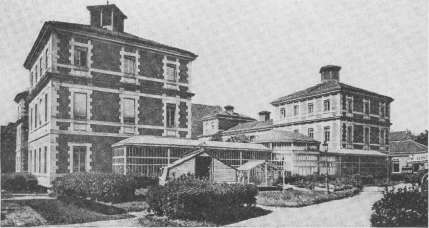
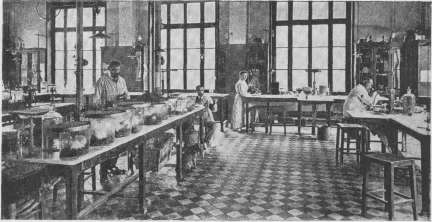
Institute Pasteur in Paris: 1 - facade of the main building; 2 - hospital; 3 - laboratory. Bacteriology. M. E.
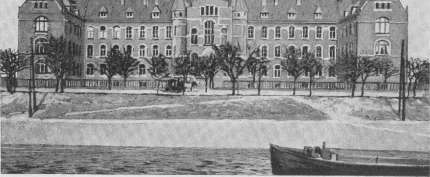
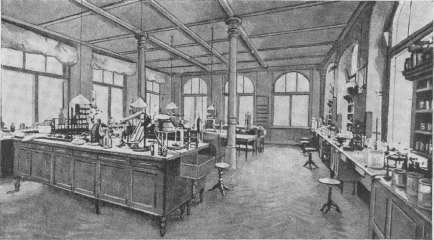
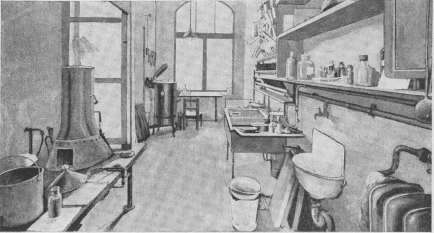
Koch Institute in Berlin: 1 - facade of the main building; 2 and 3 - laboratory. THEORY AND PRACTICE without the intervention of a bacteriologist. Abnormal fermentations (slimy in sugar production, diseases of wine and beer) are prevented through measures developed by B. (pasteurization). Preservation of food products is carried out by methods indicated by B. (sterilization-disinfection). B. finds useful application in hygiene. Disinfection of sewage by biological methods and on irrigation fields has been applied since B. elucidated the essence of the processes occurring during this. Sanitation of populated areas, disinfection of drinking water (by filtration, chlorination, ozonization) is carried out under the control of bacteriological methods. B. provides methods for recognizing infectious diseases, their specific treatment (serotherapy, chemotherapy) and prevention (preventive inoculations). The development of B. has greatly contributed to the creation of modern medicine and the preventive direction. In agriculture and veterinary medicine - B. has provided no less practical results than in medicine. The fight against infectious diseases of livestock and the introduction of preventive inoculations to prevent them have been developed by bacteriology. IV. Institutes and laboratories. To carry out the broad tasks that have arisen before bacteriology, a number of scientific and practical institutions have been founded in various countries. The oldest, closely connected with the development of B., should be considered the Pasteur Institute in Paris and the Koch Institute in Berlin. The Pasteur Institute arose in the 1880s for the purpose of carrying out the scientific and practical tasks set by Pasteur. Gradually expanding, it now consists of two departments: microbiology and biological chemistry. In the first department, research is conducted on microbiology, immunity, serology and vaccination; in the second - chemical and enzymological work are carried out. In the microbiological part of the Institute there are departments for studying plague, anaerobes, protozoa, syphilis, rabies, etc. The Institute also has huge stables near Paris, in Garche, where horses undergoing immunization for the production of therapeutic sera are kept. Every year the Pasteur Institute expands due to the new tasks it sets for itself. - The Koch Institute arose from a relatively small laboratory located in the center of the city, where Koch himself and his first students - Löffler, Gaffky, Pfeiffer, Wasserman, etc., worked. Later, a special building with auxiliary structures was built on the outskirts of Berlin for the Institute, which is located there to this day. Both Institutes have infectious disease hospital departments, in which observations are made on the diseases of interest to researchers. Let us give diagrams of these institutions. The Pasteur Institute in Paris in the main building has laboratories for microbiology, immunology, preventive inoculations and serology. The lower floor contains the Pasteur department for inoculations of persons bitten by rabid animals, the director's laboratory and several small departments. In this same floor is located the tomb of Pasteur. The second floor contains a library, a hall for courses, a dissection room, rooms-incubators and laboratories for individual problems. The third floor consists exclusively of separate rooms for workers. In addition, there are common-use premises: incubator, dissection room and room for autopsies. For experimental animals in the courtyard there are special premises (for guinea pigs and rabbits, for monkeys and large animals). The office occupies a relatively small space. Serum production is concentrated separately on a special farm where stables for horses undergoing immunization have been built and there is a laboratory for settling, processing and bottling sera. In a separate building is located a laboratory for protozoan diseases. The building of biological chemistry, built later, contains all the latest machine and apparatus equipment (motors, vacuum, etc.). Attached to the Institute is a hospital for infectious cases requiring examination with individual isolation, there is a crematorium for incinerating animals that died during experiments, a packing and dispatch department for sending sera and vaccines produced by the Institute. The Institute is headed by a director and his two assistants. Departments and departments have their own heads who direct the work and are subordinate to the director.-The Koch Institute in Berlin is built on approximately the same type, with the difference that mass serum and vaccine production has been separated in Germany into special industrial enterprises headed by major scientific forces. On the model of the Pasteur and Koch institutes, a number of similar institutions have been built in other countries. In England there is the Lister Institute, in North America - the Rockefeller Institute, in South America - the Oswald Cruz Institute, in Austria, Denmark and other countries - corresponding state institutes. In the USSR, the first by time of foundation should be considered the Institute named after Mechnikov in Odessa, founded in 1886; then the State Institute of Experimental Medicine in Leningrad, the Kharkov Medical Institute, the Institute of Infectious Diseases named after I. I. Mechnikov, founded in Moscow in 1919, and a number of institutes in other cities. Since 1918 (under Soviet power) a number of new institutes have been opened, now constituting the so-called network of state bacteriological institutes (see below).-Depending on the main tasks, institutes can be divided into scientific-research, practical-production and institutes of a mixed type, in which there is a combination of various aspects of activity. Among the institutes with predominant scientific-research work should be mentioned the Institut Pasteur, Institut "Robert Koch", Lister Institute. These institutes do not limit themselves to narrow office activities, they organize scientific expeditions that also have practical tasks in the fight against infections. Such expeditions were organized to study cholera, plague, yellow fever, sleeping sickness, etc. The expedition to India, headed by Koch, was marked by the discovery of the cholera vibrio. The expedition of Yersin in Indochina in 1894 led to the discovery of the plague bacillus. In a practical sense, the institutes contributed to the development of sanitary measures in areas where various epidemic diseases were raging, for example, malaria, yellow fever, typhus and relapsing fever. The special conditions of colonial life in hot countries created the need for special tropical institutes, an example of which can be the institutes of tropical diseases in Hamburg, Liverpool, Algiers, Tunis, Boston and in the USSR. At the institutes, courses for specialists are periodically organized. The courses of the Pasteur and Koch institutes have long been famous, lasting from 3 to 6 months. Systematic courses were conducted at the Institute of Experimental Medicine in Leningrad, at the Institute of Gabrichevsky in Moscow, at the Institute named after Mechnikov in Odessa, at the Kiev and Kharkov bacteriological institutes and others. At present, similar courses are conducted in Moscow at the Central Bacteriological Institute of the People's Commissariat of Health, in Tomsk, Leningrad, Kazan, Kharkov and others; at most bacteriological institutes, internships for young doctors in B. and advanced training of qualified workers are conducted.
D.
Zavolotiy. Bacteriological and sanitary-bacteriological (hygienic) institutes and laboratories in the USSR occupy a very important place in the general system of public health, playing (in addition to practical work) the role of a scientific base for medical-sanitary organs and institutions in their practical sanitary-professional and therapeutic work. By their type, character, volume of work and structure, bacteriological institutes and laboratories represent very great diversity and can be reduced to the following main groups: A. Institutes - more or less large scientific-research and scientific-practical institutions studying questions of bacteriology, epidemiology (and, for the most part, also general hygiene) and simultaneously conducting the corresponding practical (production - for the manufacture of bacteriological preparations, and analytical) work. Institutions of this kind include: 1. Sanitary-bacteriological institutes. Their functions usually include: a) scientific development of questions of microbiology, epidemiology and hygiene, b) production of epidemiological and sanitary surveys, c) manufacture of bacteriological preparations, d) production of bacteriological, serological and sanitary-hygienic analyses, as well as clinical-diagnostic analyses (insofar as these are not produced in hospital laboratories), e) production, when necessary, of pathological-histological, technical and forensic-medical analyses, f) production of Pasteurian vaccinations, g) assistance in organizing, uniting and directing the activities of peripheral sanitary-bacteriological laboratories, h) consultation with organs and institutions of public health on questions within their competence, i) training and improvement of bacteriologists, epidemiologists, hygienists and laboratory personnel (courses, internships, postgraduate studies, residencies, externships, work places and others), k) sanitary-educational work. - Essential functional parts of each sanitary-bacteriological institute are usually departments: a) epidemiological, b) sanitary-hygienic, c) Pasteurian, d) diagnostic (bacteriological, serological and the most complex general clinical analyses). Depending on local sanitary and epidemic conditions, other special departments may also be organized in institutes: malarial, helminthological, for occupational hygiene, plague, etc. In most sanitary-bacteriological institutes there are also separate production departments - serum, vaccine and variola.-2. Bacteriological (microbiological) institutes differ from the previous ones in the absence of sanitary-hygienic work and, consequently, of a sanitary-hygienic department. The existence of such institutes is expedient only in the largest centers, where it is possible to organize special sanitary-hygienic institutes to perform sanitary-hygienic research functions. In addition to independent bacteriological and sanitary-bacteriological institutes, a number of bacteriological scientific-research educational-scientific and scientific-practical institutes exist as part of higher medical schools and such large scientific institutions as the State Institute of Public Health in Moscow, the State Institute of Experimental Medicine in Leningrad, etc. B. Laboratories - differ from institutes in the smaller volume and scale of work and its more practical orientation. They are divided into the following main groups: 1. Provincial (regional, territorial) sanitary-bacteriological laboratories. Opened as independent institutions in provincial (regional, territorial) centers in the absence of sanitary-bacteriological institutes in these centers. The functions of provincial laboratories include: a) production of bacteriological, serological and sanitary-hygienic analyses, as well as clinical-diagnostic analyses (insofar as these are not produced in hospital laboratories), b) production, when necessary and possible, of pathological-histological, technical and forensic-medical analyses, c) scientific work in the corresponding fields, d) production of epidemiological and sanitary surveys, e) assistance in organizing, uniting and directing the activities of peripheral sanitary-bacteriological laboratories, f) consultation with organs and institutions of public health on questions of their specialty, g) training and improvement of laboratory personnel, h) sanitary-educational work. Large bacteriological laboratories usually also engage in the production of some bacteriological preparations, mainly individual ones: autovaccines, antiviruses, etc. Essential departments in provincial sanitary-bacteriological laboratories are two: bacteriological and sanitary-hygienic. It is also desirable to include Pasteurian and malarial stations in the provincial laboratory, if such exist in the same provincial city, thus trying to unite in it territorially and administratively all the main types of laboratory work.-2. District (county) sanitary-bacteriological laboratories are opened in each district (county) city, mainly as independent institutions, and where this is not feasible for technical and material reasons, they are organized at one of the large treatment institutions of the district city. The functions of a district laboratory include: a) production of sanitary-hygienic, bacteriological and serological analyses, as well as clinical-diagnostic analyses, since they are not produced in local hospital laboratories, b) production, when necessary and possible, of pathological-histological and forensic-medical analyses, c) consultation with local organs and institutions of public health on questions of sanitation, epidemiology and laboratory affairs.-3. Diagnostic chemical-bacteriological laboratories (or offices) in urban treatment institutions: district, county and provincial hospitals, urban outpatient clinics, polyclinics, tuberculosis dispensaries, etc. They perform all general clinical analyses, with the exception of the most complex ones (serological, bacteriological, etc.), the production of which is usually concentrated in the local central laboratory (county or district).-4. District sanitary-bacteriological laboratories are organized at large rural hospitals of district or volost significance. They perform general clinical analyses, elementary bacteriological and simple sanitary-chemical analyses, but under favorable conditions they also perform more complex analyses, such as: RW, more complex sanitary analyses (e.g., analyses of food products, air, etc.). With respect to diagnostic analyses, they serve the district hospital, and sanitary ones - the district sanitary physician.- 5. Chemical-bacteriological laboratories (or offices) at rural district hospitals perform elementary general clinical analyses, simple bacteriological and simple sanitary analyses. They serve the district hospital and the district.-6. Sanitary-bacteriological laboratories on transport: a) central sanitary-bacteriological laboratories exist at each road and water health department, their functions and structure are similar to those of provincial sanitary-bacteriological laboratories of territorial health departments; b) district sanitary-hygienic laboratories, 1 laboratory per 3 sanitary districts* serve the corresponding district sanitary physicians, producing exclusively sanitary-hygienic analyses; c) mobile laboratory cars, 1 on each road (sanitary-hygienic and epidemiological research), supplement stationary laboratories; d) diagnostic laboratories in treatment institutions - hospitals, polyclinics, tuberculosis dispensaries, etc. produce corresponding clinical-diagnostic analyses.- 7. Sanitary-bacteriological laboratories of special purpose: food, water, plague, etc., exist as non-typical institutions, arising due to special local reasons. - 8. Laboratories of the military-sanitary service of the Red Army. At the Military-Sanitary Administration of the RKKA there is a Central Sanitary-Hygienic Laboratory with departments of sanitary-hygienic, chemical, bacteriological, diagnostic and toxicological, which performs consultative functions on questions of sanitation, epidemiology and laboratory affairs for all peripheral laboratories. At each military-sanitary administration of a district (fleet) there is a district laboratory performing similar functions within the district. Laboratories at hospitals, military infirmaries and many military units perform diagnostic and simple sanitary-hygienic research. At large hospitals, laboratories also perform complex bacteriological research. As needed, mobile laboratories are formed (for example, in malaria detachments, in camps). To perform their functions, bacteriological institutes and laboratories must be provided with fully trained personnel and have appropriate premises and special equipment (see.).
Laboratories).-The means of preventing intra-laboratory infections, which are observed in individual cases in bacteriological institutes and laboratories, may be the following most important measures: 1) laboratory personnel must be provided with appropriate work clothing; 2) work tables must maintain meticulous order and cleanliness, their surface must be wiped daily with a disinfectant solution; 3) laboratory premises must be thoroughly cleaned and ventilated daily, floors and door handles must be wiped with a disinfectant solution each time after work; 4) auxiliary and technical personnel must be sufficiently disciplined and well trained in handling infectious material; 5) during breaks and after work, all laboratory workers must wash their hands with a disinfectant solution; 6) special care must be taken when unpacking sent infectious material and when handling vessels containing it; 7) eating and smoking must be absolutely prohibited in laboratory premises (in large laboratories, a separate room should be allocated for eating). The network of bacteriological and sanitary-bacteriological institutes in the USSR at the present time includes the following series of institutions under the jurisdiction of the People's Commissariats of Health and their agencies (see also Institutes): a) for RSFSR: 1) Arkhangelsk-Severny-polyarny khim.-bakt. institute imeni Timiryazeva, 2) Vladikavkaz-Gorsky khim.-bakt. institute imeni Semashko, 3) Voronezh-Obl. san.-bakt. institute, 4) Vyatka-Gub. bakteriolog. institute, 5) Ivanovo-Voznesensk-Gub. mikrobiol. institute, 6) Irkutsk-Obl. khim.-bakt. institute, 7) Kazan-Kraevoy mikrobiol. institute, 8) Kzyl-Orda-Kraevoy san.-bakt. institute imeni TsIK'a Kazakhstana, 9) Kostroma-Gub. san.-bakt. institute imeni Semashko, 10) Krasnodar-Bakt. institute, 11) Krasnoyarsk-Bakt. institute, 12) Kursk-Gub. bakt. institute, 13) Leningrad-Bakt. institute imeni Pasteur, 14) Leningrad-Ospoprivivatel'nyy institute imeni Dzhennera, 15) Moscow-Tsentr. gos. bakt. institute, 16) Moscow-Tsentr, gos. ospoprivivatel'nyy institute, 17) Moscow-Institute of infectious diseases imeni Mechnikova, 18) Moscow-San. institute imeni Erismana, 19) Omsk-Bakt. institute, 20) Orenburg-Obl. khim.-bakt. institute imeni Mechnikova, 21) Penza-Gub. bakt. institute imeni Mechnikova, 22) Perm-Obl. bakt. institute imeni Zdravosmylova, 23) Rostov-na-Donu-Gos. mikrobiol. institute, 24) Samara-Gub. bakt. institute "Ru", 25) Saratov-Gos. kraevoy institute of microbiology and epidemiology, 26) Sverdlovsk-Obl. san.-bakt. institute, 27) Simferopol'-Krymsky Pasteur institute, 28) Sevastopol'-Gos. bakg. institute, 29) Smolensk-Obl. san.-bakt. institute, 30) Stavropol'-Khim.-bakt. institute imeni Tarasovicha, 31) Tambov-Gos. bakt. institute, 32) Tomsk-Obl. bakt. institute, 33) Tula-Gub. khim.-bakt. institute, 34) Ufa-Bakt. institute NKZdrava Bashrespubliki, 35) Khabarovsk-Kraevoy san.-bakt. institute.-Bakg. and san.-23712: bacteriological and sanitary-bacteriological departments are also located in Moscow-in the State Institute of Public Health (GINZ), in Leningrad-in the Institute of Experimental Medicine and in other large institutes; b) for Ukrainian SSR: 1) Kharkov-1 Ukrainskiy gosudarstvennyy san.-bakt. institute imeni Mechnikova, 2) Kiev-2 Ukrainskiy gosud. san.-bakt. institute, 3) Odessa-3 Ukr. gos. san.-bakt. institute, 4) Dnepropetrovsk-4 Ukr. gos. san.-bakt. institute, 5) Chernigov-5 Ukr. gos. san.-bakt. institute, 6) Kharkov-Ukr. protozoynyy institute; c) for BSSR: 1) Minsk-Belorusskiy gos. san.-bakt. institute, 2) Minsk-San.-gig. institute, 3) Vitebsk-Khim. Oakt. institute; d) for Transcaucasian SSR: 1) Baku-Bakt. institute imeni Musabekova, 2) Tiflis-Bakt. institute, 3) Erivan-Tropicheskiy institute, 4) Sukhumi-Tropicheskiy institute; e) for Uzbek SSR: 1) Tashkent-Bakt. institute NKZdrava Uzbekistana, 2) Bukhara-Tropicheskiy institute; f) for Turkmen SSR: Ashkhabad-Bakt. institute.-The network of provincial sanitary-bacteriological laboratories includes: in RSFSR-38 provincial sanitary-bacteriological laboratories, 113 district and okrug and 10 rayon laboratories; in Ukrainian SSR there are 40 okrug, 70 rayon laboratories and 3 in AMSSR; in BSSR-5 okrug and 3 rayon laboratories. Literature.-"Sanitarnoye zakonodatel'stvo", collection of most important questions and orders on sanitary-preventive affairs, ed. by A. N. Sysin, M., 1926; Sbornik deystvuyushchego zakonodatel'stva po mediko-sanitarnomu i aptechnomu delu v Ukrainskoy SSR, Kharkov, 1926; Solov'yev V. S, Laboratornoye delo na mestakh, yego nuzhdy i perspektivy, :Trudy VIII Vseross. s'yezda bakteriologov, epidemiologov i san. vrachey", L., 1925; ego zhe, O deyatel'nosti bakteriologicheskikh institutov RSFSR v 1924 g., "Trudy IX Vseross. s'yezda bakteriologov, epidemiologov i san. vrachey", t. I, L., 1926; ego zhe, Bakteriologicheskiye uchrezhdeniya RSFSR za 10 let, "Gig. i Ep.", 1927, № 10; Neiva L., Lehrbuch der Bakteriologie, Stuttgart, 1922; Prick W., Schutzmassnahmen bei bakteriologischen und serologischen Arbeiten, Jena, 1919.
V. Solovyov. V. Associations of bacteriologists, bacteriological congresses, journals, museums. The association of bacteriologists is carried out in microbiological societies. The oldest Russian Microbiological Society was founded 25 years ago in Petersburg, under the chairmanship of S. N. Vinogradsky and with the participation of founding members V. L. Omelyansky, S. I. Metalnikov, B. L. Isachenko, N. Ya. Chistovich, G. A. Nadson, D. K. Zabolotny and others. Its honorary members included R. Koch, Laveran, Behring, Ehrlich, I. I. Mechnikov and others. At present, the honorary members of the society are Roux, Pfeiffer, Kraus, Yersin, Kitasato, Besredka, d'Hérelle, Madsen, Uhlenhuth and others. In Moscow there is a bacteriology department at the Society of Naturalists and Anthropologists, founded by G. N. Gabrichevsky. In Germany, the Mikrobiologische Gesellschaft works, whose congresses (Mikrobiolog. Tagungen) usually set several program questions and on them 2-3 reports are heard. Recently, Kraus has established a Microbiological Society in Vienna. Similar societies exist in other countries. Recently, the question of establishing an international microbiological society has been raised, which would include microbiologists of various orientations (medical, agricultural, technical, veterinary). The final organization of the international society is planned for 1929 at the world congress of microbiologists in Paris. The secretaries of the planned organization are Kraus (Wien IX. Staats-Serum-Institut) and Dujarric de la Riviere (Paris XV Institut Pasteur). Bacteriological congresses have become especially frequent in the last 10 years, being closely connected with the congresses of epidemiologists and sanitary physicians. The first congress, bearing the name "Conference on Bacteriology, Epidemiology and Leprosy", was convened, according to the proposal of D. K. Zabolotny, by resolution of the XI Pirogov Congress, in Petersburg in 1911, the second in Moscow in 1912 and the third, also bearing the name of the conference, during the imperialist war. The Revolution, raising a number of questions of sanitary construction, contributed to the revival and deepening of the work of the congresses. To the present time, in the post-revolutionary period, ten such congresses have been held (see table on p. 713). In addition to the large All-Union congresses, numerous conferences on tuberculosis, venereal diseases, plague (in total 5), malaria, smallpox, leprosy have been held. Individual republics (Ukraine, Georgia) held their own sanitary-bacteriological congresses, which played the role of all-union and were devoted to the development of both theoretical and practical organizational issues. In the USSR there are also bacteriological journals. The first in time should be considered the "Archive of Pathology, Bacteriology and Clinical Medicine", founded in 1897 by V. V. Podyvolsky and discontinued after a few years due to lack of subscribers. Subsequently, in Petrograd, under the editorship of G. A. Nadson, the "Journal of Microbiology" began to be published. At present, the following periodicals are published, completely or partially devoted to B.: "Archive of Biological Sciences" (State Institute of Experimental Medicine, Leningrad); "Journal of Experimental Biology and Medicine" (State Institute of Public Health, Moscow); "Microbiological Journal" (Leningrad, Pasteur Institute); "Bulletin of Microbiology and Epidemiology" (Saratov microbiological institute, under the editorship of S. M. Nikanorov), mainly devoted to questions of plague; "Journal of Microbiology and Pathology of Infectious Diseases" (Moscow); "Medical Archive" (ed. N. F. Melnikov-Razvedenkov, Kharkov); "Journal of Tropical Medicine" (ed. E. I. Martynovsky, Moscow). Among foreign journals, it is necessary to note: "Annales de l'Institut Pasteur", Paris, Masson; "Zeitschrift fur Hygiene", Berlin, Julius Springer; "Zentralblatt fur Bakteriologie usw.", Original and Referate", 1 u. 2 Abt. (1-medical and 2-agricultural and technical bacteriology); "Bulletin de l'Institut Pasteur", P.; "Zeitschrift fur Immunitatsforschung usw.", Wien; "Journal of experimental medicine" (Rockefeller Institute); "Journal of bacteriology" and others. In addition, there is a whole series of reference yearbooks, for example, "Jahresbericht f. Bakteriologie u. Immunität" (vols. I-VIII), published by Weichardt; "Ergebnisse d. allgemeinen Pathologie und path. Anatomie usw.", ed. by Lubarsch and Ostertag, and a whole series of periodicals devoted to individual diseases or their groups (tuberculosis, leprosy, syphilis, tropical diseases, etc.). At large institutes (Institute of Experimental Medicine, Kharkov Bacteriological Institutes, Kharkov Bacteriological Institutes, Time Place Tasks in the field of bacteriology and epidemiology 1918 Oct. Moscow Organization of vaccination campaign, creation of new institutes. Fight against parasitic typhus and Spanish flu. 1919 April Moscow Establishment of a network of bacteriological institutes, development and control of vaccines, typhus, Spanish flu, plague. 1919 Oct. Moscow Questions of serum-vaccine work. 1920 Aug. Moscow Typhus, its etiology, clinic, epidemiology and fight against it, cholera, smallpox, plague. 1921 May Moscow Cholera, malaria, plague, tuberculosis, syphilis, trachoma. 1922 May Moscow Parasitic typhus, cholera. 1923 May Moscow Smallpox and vaccination, typhoid fever, dysentery, rabies, malaria, serum-vaccine work. 1924 May Leningrad Active immunization against diphtheria, vaccination per os, unification of the methodology of the Wassermann reaction, rabies. 1925 May Moscow Childhood infections, diphtheria, scarlet fever, measles, local immunity, worms, trachoma. X. Mechnikovsky 1926 Sept. Odessa Scarlet fever, immunization against tuberculosis according to Calmette, malaria, smallpox, rabies. 1928 May planned Leningrad Typhoid and paratyphoid fever, diphtheria, scarlet fever, plague, malaria, serodiagnosis of syphilis, BCG vaccinations. sanitary-bacteriological institute, Odessa institute named after I. I. Mechnikov and others) special bacteriological libraries are established. Bacteriological museums, in which cultures of microbes are maintained, are located in Leningrad (Institute of Experimental Medicine, Lopukhinskaya, 12), in Moscow (Institute of Serum and Vaccine Control, Sivtsev Vrazhek, 41), in Kharkov (Sanitary-bacteriological institute, Pushkinskaya, 14), in Odessa (Bacteriological institute named after I. I. Mechnikov, ul. Pasteura, 2), in Kiev (Sanitary-bacteriological institute, Protasov Yar) and at other local institutes. Among foreign collections, it is necessary to mention the famous collection of Krai (Krai), now maintained at the Viennese serum therapy institute (Wien IX, Zimmermanngasse 3, Staats-Serum-Institut), the collection of Institut Pasteur in Paris, Institut "Robert Koch" in Berlin and others. B. water, see Water; B. air, see Air; B. soil, see Soil.
Related articles
Mentioned in
Cite this page
“Bacteriology.” Soviet Medical Encyclopedia. English translation of Bolshaya Meditsinskaya Entsiklopediya, 1st ed. (Moscow, 1928–1936), ed. N. A. Semashko. https://sovietmedicalencyclopedia.pages.dev/article/bacteriology/