Sphincter of Oddi
Historical document, translated for reference. It reflects medical knowledge of the 1920s–30s and is not medical advice.
Summary
This article describes the anatomical structure and physiological function of the sphincter of Oddi, a muscular ring surrounding the common bile duct and the pancreatic duct at their entry into the duodenum. It details the historical discovery of the sphincter, its innervation, and the various chemical and pharmacological factors that influence its contraction and relaxation.
Encyclopedia article (1928–1936)
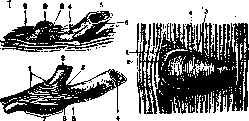
SPHINCTER OF ODDI (Oddi sphincter), a muscular ring encompassing the common bile duct and the pancreatic duct at their entry into the duodenum. The first indication of the existence of such a closing muscle belongs to Glisson (1686). The latter observed that the opening of the common bile duct closes after the removal of a probe and concluded that this proves the existence of a sphincter. Claude Bernard and Luschka also speak of the existence of this constrictor. But only in 1887 did Oddi, using the method of maceration and microscopic sections of the terminal part of the common bile duct on animal material (dog, sheep, pig, ox), prove the presence of the sphincter. In 1900, Hendrickson carefully investigated the structure of this sphincter in humans as well. A number of other authors have confirmed its existence through their work (Figs. 1, 2, 3). A portion of the fibers of the intestinal musculature rises along the lateral sides of the common bile duct, gradually becoming lost in its walls. Around the common bile duct, between it and the pancreatic duct, the muscle fibers form an independent muscular ring (Fig. 3). The pancreatic duct is also almost completely surrounded by muscle fibers, which turn sharply from the side of the bile duct and run upward along it. Figure 2 depicts the muscular structure of the papilla of Vater, visible from the lumen of the intestine after removal of the mucous membrane: through a slit in the inner circular
Figure 1. Macerated duodenal part of the human common bile duct. The relationship of the common bile duct and pancreatic duct to the longitudinal musculature of the intestine: 1—independent muscular ring around the pancreatic duct; 2—pancreatic duct; 3—independent muscular ring encompassing the common bile duct; 4—outer longitudinal musculature of the intestine; 5—common bile duct; 6—sphincter fibers descending
down the intestine. Figure 2. View of the papilla of Vater after removal of the mucous membrane: 1—fibers originating on the common bile duct and running around the pancreatic duct; 2—sphincter fibers descending down the intestine; 3—sphincter fibers; 4—inner circular musculature of the intestine. Figure 3. Ducts after removal of all intestinal membranes: 1—independent muscular ring around the pancreatic duct (2); 3—independent muscular ring around the common bile duct (4); 5—fibers originating on the common bile duct and running around the pancreatic duct; 6—fibers descending down the intestine. The ducts, encompassed by an independent muscular ring (3), penetrate the muscle of the intestine. A portion of the bundles of this inner muscle of the intestine weaves into the muscles of the ducts and terminates on the posterior surface of the papilla of Vater. The same relationships are visible in Fig. 3, where the muscular membrane of the intestine has been removed. If one carefully removes the proper circular fibers of the ducts as well, one can discover longitudinal and diagonal fibers originating from the outer membrane of the intestine. Thus, the sphincter, in addition to circular muscles, is also equipped with longitudinal ones (Helly). The sphincter is in a state of constant tonus, which has been found in rabbits to be equal to 70–150 mm of water column, and in dogs from 100 to 200 mm. The gallbladder is capable of spontaneous contractions, with the sphincter relaxing accordingly. Irritation of the peripheral segment of the splanchnic nerves causes contraction of the bile ducts and the gallbladder and relaxation of the sphincter of Oddi. The normal course of bile secretion can be observed to a certain extent by irritating the central segments of the splanchnic and vagus nerves. Irritation of the former causes relaxation of the musculature of the bile ducts and contraction of the sphincter; irritation of the vagus nerves causes the opposite phenomenon. The center of the sphincter lies in the lumbar part of the spinal cord (Oddi). Electrical and chemical irritations exert an influence on the sphincter. In response to electrical stimulation, it initially contracts and then relaxes. 25% magnesium sulfate, applied to the mucous membrane of the duodenum, relaxes the sphincter. 0.4% HCl initially produces contraction of the sphincter, and then its relaxation. Conversely, 0.4% NaOH causes it to contract for a long time. Among pharmacological poisons, pilocarpine and physostigmine increase the tonus of the sphincter, while atropine and scopolamine cause relaxation. It is considered proven that the sphincter of Oddi is under the control not only of duodenal but also of gastric contents.
V. Vanovsky.
CLOTHING serves to regulate the heat dissipation of the human body, creating an artificial, regulated climate around the organism and making it independent of the direct influences of the external environment. Thus, clothing replaces the protective covering absent in humans (feathers of birds, fur of animals), protects against mechanical injuries, and thereby contributes to the preservation of health. The history of clothing is closely connected with the history of the cultural development of humanity in general, in particular in the field of processing raw materials (of plant and animal origin) used for the construction of clothing (processing of fiber, yarn, fabric, leather, fur, etc.), and was dependent on a number of economic, social, and climatic conditions, on the type of occupation, and finally on traditions and the dominance of fashion. Both in relation to the choice of materials for clothing and in relation to its external design (cut), humanity was usually guided by crude empiricism, the inventions of tailors, and "reformers." The latter glorified only one material or another; they saw the most important thing in that basic material from which the clothing was made (wool, silk, linen, etc.); they identified this material with the fabric itself and strove to create a single, permanent, "normal" clothing for all seasons, by analogy with animals. In the second half of the 19th century, the study of clothing began to enter the subject of hygiene and assumed a scientific-experimental character. The beginning of this direction was laid by Pettenkofer in his work "Über die Funktion der Kleider," published in 1865 in the Zeitschrift für Biologie. Pettenkofer and his followers, applying physical and chemical methods of investigation, studied the properties of various fabrics in relation to air, moisture, water, heat, etc. At the same time, the study of clothing as a whole and its most rational (hygienic) cut was also begun. From the 90s of the 19th century, a new period of scientific development and hygienic research of the basic materials and fabrics of clothing began: Rubner and his school reworked and improved the previous methodology of research and, with the help of the scientific-experimental method, studied the significance of clothing for the organism, its role in thermal regulation, established the hygienic value of different fabrics, and gave a definition of "rational" clothing. In Russia, works on questions of the hygiene of clothing began to appear from 1871 (Geltovsky, "Soldier's Greatcoat"; among other authors on questions of the hygiene of clothing, one should note Bubnov, Botkin, Lesgaft, Manassein, Lashchenko, Levashov, and Kostyamin). Clothing of a civilized person consists of undergarments (see), a dress/suit, headgear, and footwear (see). Clothing is manufactured predominantly from various fabrics. The material for the manufacture of fabrics is plant fibers (flax, hemp, cotton, jute, etc.) or animal fibers (sheep's wool and other animals, silk), as well as artificial ones (viscose, wood cellulose). To obtain fabrics from the indicated materials, the latter undergo a series of operations with the aim of obtaining yarn (thread), and then from the thread—the fabric itself. Hygienic evaluation is produced on the basis of the physical properties and mechanical structure of the fabrics, depending on the technique of its manufacture. Hygienic requirements for fabrics are reduced to the following: fabrics must possess 1) low thermal conductivity, 2) sufficient air permeability, 3) minimal water capacity (wettability), 4) maximal moisture capacity (hygroscopicity), 5) minimal ability to become soiled and ease of cleaning, 6) low gas absorption (adsorption), 7) elasticity and softness, 8) absence of skin-irritating properties, 9) lightness, and 10) durability. Hygienic evaluation of fabrics is produced on the basis of their compliance with the above-listed requirements. Relation of fabrics to air. All fabrics contain air in their pores. The content of air is of great importance for the hygienic quality of fabrics: the more air in the pores of the fabric, the more air-permeable the fabric is, and consequently, the more ventilated it is, which eliminates the accumulation of carbon dioxide and water vapor and facilitates constant exchange between the external air and the air located between the surface of the skin and the clothing. The volume of pores even in dense fabrics (linen) is quite significant (37%); the volume of pores is especially large in loose woolen fabrics, reaching up to 92% (Table 1). Table 1. Fabrics and material
Fabrics and material
Volume of pores in %
Material
Pores in %
Thin linen
37
Cloth for winter
Coarse
»
»
trousers......... 15.7 » Grey overcoat cloth .......... 9.7 » Woolen jersey.............. 6.7 » Woolen fabric.............. 2.8 » Cotton jersey......... 1.1 » Porous fabric for shirts....... 0.3 » Air permeability is greatest in loose and porous fabrics and least in dense cotton ones. A whole series of conditions influences the air permeability of fabrics, namely: 1) dressing (i.e., impregnating the fabric with starch, etc.) lowers air permeability; the latter increases after washing; 2) the duration of wear for some fabrics significantly increases air permeability (flannel, linen cloth); 3) fulling decreases air permeability; 4) ironing increases it; 5) repeated washing increases permeability in some fabrics little (flannel), in others significantly (linen); 6) soiling decreases air permeability in woolen and cotton fabrics and increases it in linen and silk ones (Raltsevich); 7) impregnation for the purpose of making fabrics waterproof decreases air permeability; 8) wetting decreases, and in dense linen and cotton fabrics even completely destroys air permeability; 9) dyeing of fabrics lowers air permeability. Relation of fabrics to water. Water is contained in fabrics in the form of water vapor (moisture capacity, hygroscopicity) or in a droplet-liquid state, displacing air (water capacity, interstitial water). The amount of hygroscopic water contained in various fabrics is not the same; woolen fabrics absorb more water vapor by weight than cotton fabrics; for example, at room temperature (15.4°) and normal relative humidity (58%), 1,000 parts of wool absorb 92 parts of hygroscopic water, while canvas absorbs 53 parts. The degree of hygroscopicity is influenced by temperature and the relative humidity of the surrounding air, the nature of the fabric fibers, and the method of manufacturing the fabric. (At 100% relative humidity, the hygroscopicity of wool according to Rubner = 25-28%, silk = 16-17%, cotton fabric = 12%.) Interstitial water is a consequence of the fabric being soaked with water (sweat, atmospheric precipitation, etc.). A distinction is made between maximum water capacity—upon complete wetting of the fabric and filling of almost all its pores, and minimum water capacity, remaining after squeezing out the water (residual water). Minimum water capacity depends both on the source material and on the method of weaving. The finer the capillary pores in a fabric, the more water is retained during squeezing; the looser the fabric, the easier it is freed from water by squeezing and the more the permeability to air is restored; in this respect, the advantage lies with woolen fabric. Thus, for example, 100 cm3 of fabric at minimum water capacity retain: grey overcoat cloth—6.7 g, undershirt—3.2 g, and cotton cloth—2.4 g; the percentage of free pores at minimum water capacity for grey overcoat cloth is 50.8%, for an undershirt—83.4%, for cotton cloth—34.4%. The rate of fabric soaking (water permeability) from rain and sweat is not indifferent in a hygienic respect. Woolen fabrics possess the least wettability, followed by silk, linen, and cotton. The advantage of woolen fabric depends on the greater air content and the fat content in the wool. In order to impart waterproofness to fabrics, the latter are impregnated with various compounds, which causes a decrease in air permeability, and when impregnated with rubber, it destroys it completely. Wetted clothing fabric, upon being freed from water by its evaporation (drying), removes more heat from the human body the faster the evaporation of water occurs. In this respect, the hygienic advantages lie with woolen fabrics as opposed to linen and cotton ones. The process of water evaporation from wet fabrics depends on the relative richness of the fabrics in water, temperature, relative humidity, and the movement of the surrounding air. Thermal properties of fabrics. Fabrics, consisting of base material and air, possess lower thermal conductivity than the skin of the organism. The thermal conductivity of fabrics depends on the amount of air contained in their pores and on the properties of the base material. The thermal conductivity of various fabrics (according to Rubner) is given in Table 3.
CLOTHING
Table 3. Thermal conductivity in small calories per 1 cm² per 1 second with a difference of 1°. A. Fabrics for underwear: wool knitwear... 0.46; cotton knitwear... 1.12; smooth linen fabric... 1.01; cotton fabric... 2.25. B. Fabrics for clothing: summer worsted... 0.23; winter... 0.15; loden... 1.00; uniform cloth... 2.50; for military trousers... 3.00; for gray cloak... 1.62; 1.50; 2.00. (Thermal conductivity values: 0.002054, 0.000835, 0.000994, 0.000425, 0.005715, 0.005913, 0.000772, 0.000293, 0.000253, 0.000563, 0.000624, 0.000402).
The thermal conductivity of thin and smooth fabrics—linen and cotton—is higher compared to thick woolen fabrics; for different weaves of the same fabric, thermal conductivity depends on the thickness of the fabric. The thermal conductivity of woolen fabric saturated with water vapor (maximum moisture capacity) increases by almost 100%, silk—by 41%, cotton—by 16%. Upon complete wetting of the fabric (maximum water capacity), thermal conductivity increases in woolen fabric by 1.6–2.2 times, in smooth cotton fabric—by 3.4 times. Cotton fabric wet from rain and sweat is colder than woolen fabric. The heat loss of the organism with damp fabric is greater, the greater the difference between the temperature of the skin and the temperature of the outer surface of the clothing.
Heat loss by radiation (heat radiation) in fabrics is the same, regardless of the material from which they are made, if their manufacture is identical. According to Krieger, the relative values of heat radiation of various materials are as follows (Table 4). Table 4. Thin flannel... 100; suede... 100.5; thin silk material... 102; thin cotton fabric... 103; thin linen... 102.5.
Rough fabrics radiate more heat than smooth ones; wet fabrics also more than dry ones (by 32–49%). The magnitude of heat radiation of fabrics characterizes their properties in relation to insolation, since if they radiate more heat in the direction of colder objects, then, conversely, they absorb more of it from a more heated environment and heat up more (heat absorption). The absorption of visible rays by fabrics depends on their color, and not on the type of materials (colored fabrics absorb light rays equally). The absorption of relative amounts of heat by fabrics (according to Krieger) is shown in Table 5. The absorption of chemical rays by fabrics depends on their thickness and color. Uncolored fabrics transmit more chemical rays than colored ones. Table 5. Fabric color: Light yellow... 100; Dark yellow... 102; Red... 140.
Relation of fabrics to sources of contamination. Contamination of clothing is mechanical (dust, dirt), chemical (gases), and bacterial. The following mechanical contaminations are distinguished: removable (removable by cleaning, beating, and vacuuming) and permanent (removable only by washing). Contamination of clothing occurs from the inside from the skin by liquid (sweat) and gaseous secretions and from the outside—from the penetration of dust and staining liquids. As clothing is worn, the amount of dirt increases significantly, both removable (3–4 times compared to unworn clothing; the latter always contains a certain amount—0.5–1.7% of removable and non-removable dirt), and especially permanent (2–10 times). The amount of dirt in clothing is characterized by the following figures: in shirts and drawers up to 11%, in dresses up to 15%; in the dirt of underwear up to 9% nitrogen, and in dirty dresses up to 80% nitrogen.
Under the influence of microorganisms, the dirt of clothing, rich in organic substances, decomposes, releasing unpleasant-smelling substances and gases, among other things up to 15 mg of CO₂ and 0.026 l of NH₃ per day; apparently, processes of self-purification similar to those in soil occur here. These data speak for the necessity of changing clothes as often as possible. The air of clothing is contaminated by gaseous products both from the surrounding air and from the side (as a result of skin secretions) of the contaminated clothing itself. Contamination by gases is expressed in the gas absorbency of fabrics, which, like any porous body, are capable of adsorbing gases and volatile substances. These properties of fabrics are important in industries in relation to workwear, as well as in war when using poisonous substances. The magnitude of gas absorption by fabrics depends on the concentration of the gas and the degree of humidity of the fabric. Woolen fabric absorbs more gases than cotton and releases them more slowly. Some gases adsorbed by the fabric (chlorine, phosgene) are hydrolyzed in them or enter into chemical compounds with the fabric. The amount of poisonous gases adsorbed by fabrics is so great that upon their release back into the surrounding air, they can even cause poisoning.
Contamination of the air of clothing from the skin is expressed in an increased content of CO₂ in the air of the clothing, which increases with an increase in skin temperature above 33° and during the secretion of sweat. In the wind, due to increased ventilation of the clothing, the amount of CO₂ equalizes with the surrounding air. Clothing and underwear, in addition to mechanical and chemical contamination, are also subject to contamination by microorganisms and parasites. Clothing and underwear contaminated with the secretions of infectious patients can become a source of transmission of many infectious diseases (cholera, typhoid fever, dysentery, etc.). Pathogenic microorganisms on clothing fabrics retain their viability for a long time (see Underwear). In addition to microorganisms, worn clothing can contain parasites—insects, in particular the body louse—a transmitter of typhus and relapsing fever. In view of the important epidemiological significance of clothing, underwear, and rags, it is necessary to carry out their systematic disinfection and disinsection in relation to these objects in order to prevent and combat epidemics.
Clothing fabrics must possess sufficient strength, elasticity, and compressibility in order to soften shocks and pressures on the skin of the organism from the outside and protect the body from mechanical injuries. The elasticity of the fabric depends on the nature of the base material (wool is more elastic than silk and cotton), while compressibility depends on the method of manufacture. The softness of fabrics also has hygienic significance as a factor of mechanical irritation of the skin. It remains to mention the coloring of fabrics; the latter should not contain poisonous mineral substances (arsenic, antimony, lead), as well as aniline dyes that have a skin-irritating effect and poisonous properties. Coloring with natural dyes of plant and animal origin is harmless.
Methodology of hygienic examination of fabrics. The determination of the properties of fabrics for hygienic evaluation is performed using methods established by Rubner and his school. During the hygienic examination of fabrics, the following are determined: 1. Purity of fabric threads (impurities)—microscopically (Figs. 1–6) and chemically, for which fibers of the fabrics are pulled out and cut, separately longitudinal and transverse (weft and warp), and subjected to appropriate microchemical and chemical treatment. Colored fabrics are preliminarily bleached. Rougher identification of the substance of the threads is performed: a) by burning to distinguish wool (smell of horn) from plant fibers, b) by soaking the fabric in oil: linen becomes transparent, while wool and cotton remain unchanged, and c) with the help of nitrous acid with α- and β-naphthol—staining wool and silk in various shades of yellow and red.
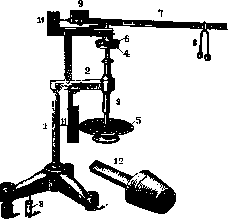
2. Mechanical structure of the fabric, recognized on sections of fabric embedded in celloidin. 3. Thickness of fabrics—with the help of Rubner's spherometer (Figure 7) or Schopper's thickness gauge (Figure 8) (for example, the thickness of uniform cloth is 2.07 mm). 4. Specific weight (weight of 1 cm³ of fabric)—calculated by the weight of 100 cm² of fabric and its thickness: weight of 100 cm² / (100 × thickness), e.g., for uniform cloth: weight of 100 cm² = 77.4 g; 77.4 / (100 × 2.07) = 0.372. 5. Volume of dense substance: (specific weight of fabric / specific weight of base substance (wool, cotton, linen = 1.3)) × 100 = (0.372 / 1.3) × 100 = 28.6%.
6. Volume of pores (air) of fabrics: 100 - volume of dense substance = in percent; e.g.: 100 - 28.6 = 71.4%. 7. Their air permeability—with the help of a special Rubner apparatus, consisting of...
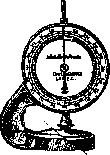
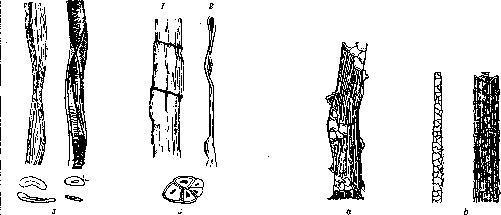
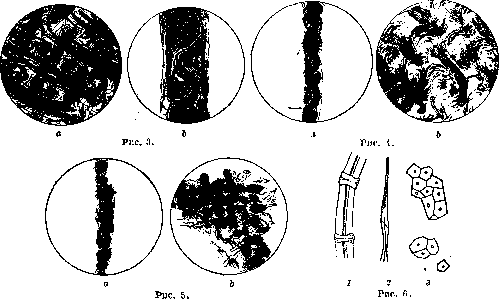
Figure 1. a-cotton: 1-fiber tip; 2-middle; 3-cross sections; b-hemp: 1 and 2-fibers; 3-cross section. Figure 2. a-artificial wool hair; b-sheep hair. Figure 3. Gray overcoat cloth: a-horizontal section; b-vertical section. Figure 4. Lining canvas: a-vertical section; b-horizontal section. Figure 5. Cotton canvas: a-vertical section; b-horizontal section. Figure 6. Flax: 1-fibers with shifts; 2-fiber tip; 3-cross section. Figure 7. Rubner's spherometer with varying load: 1-stand; 2-horizontal crossbar with micrometer screw (3); 4-table; 5-disk with divisions; 6-upper table, resting on the lever (7); 8-weight of varying weight; 9-movable weight for balancing the lever; 10-scale for balancing; 11-scale for reading millimeters; 12-punch for obtaining fabric circles. Figure 8. Schopper's thickness gauge.
in percent, for example, gas meters, the Recknagel differential manometer, and a water-jet pump (Fig. 9). 8. Moisture capacity (hygroscopicity): a) natural (at a given t° and relative humidity)—by weighing the fabric before and after drying in a drying oven, the difference in weight to a constant weight: weight in natural state : 0.872x100 = 7.71% hygroscopic water; b) maximum—by weight after keeping the fabric in an atmosphere saturated with water vapor (glass bell jar) until the fabric is fully saturated with moisture; the weight gain is converted into percentages. 9. Water capacity: a) minimum—by determining the weight of fabric 100 cm2 well-wrung by hand after 2 days of soaking in water; the difference in weight between the wrung-out and dry fabric, divided by the weight of the dry fabric = grams of intermediate water, for example: 0.79 g, b) maximum—by calculating the volume of pores: 0.372x100 / specific gravity x 100 = 1.9 g. 10. Water permeability—on special devices, for example, Schopper, Vinogradov-Volzhinsky, etc. 11. Thermal conductivity—in a Stefan calorimeter (Fig. 10), using a katathermometer or frigorimeter. 12. Heat radiation—using a Leslie copper cube, a thermopile, and a galvanometer. 13. Heat absorption—on the same physical devices. 14. Gas absorbability—a fabric of a certain surface area is saturated for a certain time with a given gas (e.g., NH3, HCl, etc.) in a special analytical tube (Fig. 11); the gas is then absorbed by an absorbent, in which its quantity is determined by titration, then the amount of gas in mg absorbed by 1 cm2 or 1 g of fabric is calculated. 15. Mechanical contamination—a fabric of a certain surface area is dried and weighed; after shaking and beating, the amount of mechanically removable dirt is determined. Then the fabric is washed with warm and hot distilled water and constant dirt is determined in the wash waters after evaporation. The amount of N, Cl, NH3, and H2S is also determined in the wash waters. 16. Bacterial contamination, quantitative and qualitative (E. coli and other pathogenic microorganisms)—by standard bacteriological methods. 17. Harmful dyes (mineral and coal-tar)—by appropriate methods. As an example, a summary table with the results of the examination of fabrics and their hygienic evaluation is given below (Table 6). Based on the data from the examination of the above fabrics, it is possible to draw the following conclusion about their hygienic properties: 1. Greatcoat cloth: the air content in the fabric (porosity) is 71.4%; this porosity should be considered low, as samples of greatcoat cloth with higher porosity (81.1%) are produced; the degree of hygroscopicity both at room t° and normal relative humidity (11.32%) and at 100% humidity (28.9%) is satisfactory; 1 g of fabric at minimum water capacity absorbs a moderate amount of intermediate water, and at maximum water capacity, the percentage of free air pores filled with water is also satisfactory (29.6%); the air permeability coefficient (for dry cloth—13.78, for wetted—69.51) is somewhat high compared to the data provided by Kostyamin regarding gray greatcoat cloth (7.3 and 29.7), despite the greater thickness of the latter (2.65 mm); absolute heat transmission.
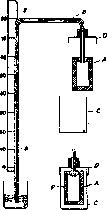
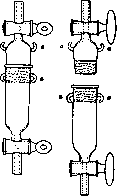
Figure 10.
Figure 11.
Figure 10. Stefan calorimeter: A—hollow brass cylinder; B—glass bent tube lowered into a small beaker with tinted glycerin; C—metal thin-walled vessel closed with lid D; E—scale for measuring fluid fluctuations; F—free space between cylinders, filled with the substance to be investigated for thermal conductivity. Figure 11. Vasilyeva tube for saturating fabrics with gases: a—hooks for fastening parts of the device using a rubber band. Table 6. Results of hygienic examination of fabrics (according to I. I. Trzhemetsky). Definitions: Woolen fabrics (greatcoat cloth, black cloth), Linen fabrics (canvas), Cotton fabrics (calico). Thickness (in mm). Weight of 1 cm2 at normal thickness (in g). Specific gravity. Porosity (in %). A. Relation to moisture: Amount of hygroscopic water in natural conditions (in %). Same at 100% relative humidity after 1 hour, 4 hours, 24 hours, 48 hours, 72 hours, 96 hours. B. Relation to water: Thickness at minimum water capacity. Volume at minimum water capacity (in %): water, air. Minimum water capacity (in g). Maximum water capacity (in g). C. Relation to air: Air permeability coefficient at 0.43 mm pressure. Same in state of minimum water capacity. Ratio of air permeability coefficients. D. Thermal properties: a) in dry state: thermal conductivity of fabric, relative thermal conductivity (to air), typical thermal conductivity, true thermal conductivity, absolute heat transmission. b) at minimum water capacity: thermal conductivity, relative thermal conductivity (to air), total increase in thermal conductivity (in %), ratio of thermal conductivity in dry state and at minimum water capacity.


1:4.3 passage - 0.000470 - satisfactory; the ratio of thermal conductivity of dry and moistened cloth is also favorable; general conclusion: this overcoat cloth from a hygienic point of view is generally satisfactory. Black cloth: porosity (73.4%) is higher than that of overcoat cloth; the relation to moisture is more favorable; the relation to water is also; air permeability of moistened cloth is hindered; absolute heat transmission and the ratio of thermal conductivity in dry and moistened states are satisfactory; general conclusion - satisfactory (reduced air permeability in the moistened state is compensated by the cut, which allows air to ventilate the clothing: turn-down collar, wide sleeves, loose fit, etc.). 3. Linen: the relation to water is unfavorable - with minimal water capacity, the majority of pores (32.3% out of 50.4%) are filled with water; despite this, air permeability is satisfactory; absolute heat transmission is high, which is a positive property when using the fabric in summer temperature conditions; thermal conductivity of moistened linen is increased, which will cause a sensation of cold, especially during air movement; general conclusion: this fabric is satisfactory when used for clothing over undergarments. 4. Canvas: the relation to water is unsatisfactory (with minimal water capacity, an insignificant percentage of free pores - 6.1%), the coefficient of air permeability, especially in the moistened state, is very high (hindrance to passage); absolute heat transmission is also high; the ratio of thermal conductivity is unfavorable; general conclusion - according to hygienic properties, this fabric is ranked low and is permissible for clothing worn temporarily over underwear as work clothing in conditions of moderate temperature. 5. Calico: hygroscopicity is satisfactory; the filling of pores with water is quite satisfactory (11.8%), and the coefficient of air permeability is also satisfactory; among thermal properties, absolute heat transmission is normal for homogeneous fabrics, but their thermal conductivity in a state of minimal water capacity is increased, which will cause a sensation of cold; general conclusion - this fabric is satisfactory for undergarments in a moderate climate. 6. Nankeen: according to some of its properties, the fabric is satisfactory (relation to moisture, relation to water, and also to air), its thermal properties are less satisfactory and therefore make it poorly suited for staying in rooms with high temperatures. Clothing as a whole consists of many layers of fabrics of different thickness and different character (Figure 12). The thickness of clothing for a hot summer is 1.8 mm, ordinary summer clothing - 3.4 mm, clothing for autumn and spring - 5.9 mm, winter clothing - 12.6-26.0 mm. In winter clothing, there is about 85% air and about 15% dense fabric substance. The weight of men's summer clothing is 2.5-3.0 kg, winter clothing - 6.0-7.0 kg. The weight of clothing increases significantly when wet. Clothing constitutes approximately 0.1 of body weight; therefore, the lightness of clothing is one of the requirements of hygiene. The layer of air located between the skin surface and the outer surface of the clothing has a different temperature. Temperature for a person dressed for winter: Table 7. At 10° At 26° On the surface of the jacket...
21.8
28.6 Between the jacket and the vest...
23.1
25.2
32.7
32.1 A person can therefore adapt to changing external temperature conditions with the help of clothing, maintaining the temperature of the air layer adjacent to the body. As mentioned, clothing is thus a very important factor in thermoregulation. Besides thermoregulation under various meteorological conditions, clothing also contributes to the evaporation of water from the skin surface; at 33° and average humidity, a person loses water in 1 hour at rest: without clothing - 112 g, in clothing - 127 g; at work: without clothing - 204 g, in clothing - 215 g. Thanks to the constant exchange of clothing air with external air, its humidity equalizes more or less quickly. The relative humidity of the air in clothing is 20-40%. The lowest relative humidity is in the air under the clothing closer to the body, the highest - in the outer layers of clothing. Hygiene as a whole, based on the indicated studies, imposes the following requirements on clothing: clothing must be 1) homogeneous in the sense of the structure of the fabrics included in its composition, i.e., possess identical and similar physical properties in relation to air, water, and heat, 2) of an appropriate cut, 3) of an appropriate weight, 4) correspond to external environmental conditions and the state of the organism, i.e., air temperature, humidity and its movement, radiant heat of the sun, and the well-being of the organism, and 5) correspond to the work being performed. Despite the scientific foundations put forward by hygiene for the choice of clothing, clothing is still chosen mainly empirically; as for its cut, its expediency is usually sacrificed to tradition and fashion. Meanwhile, an expedient cut of clothing exerts an influence on a number of body organs: the skin, the musculoskeletal apparatus, internal organs (thoracic, abdominal, and pelvic), vessels (blood and lymphatic), as well as nerve trunks. It can be pointed out, for example, that tight, closely fitting parts of clothing (collar, sleeves in the...
6
4 3 2 1 Figure 12. Cross-section of men's clothing. Layers of clothing from right to left: 1 - knitted woolen shirt; 2 - linen shirt; 3 - cotton lining of the vest; 4 - woolen vest; 5 - cotton lining of the jacket; 6 - woolen jacket. (According to Rubner.)
axillary cavity, cuffs, etc.), by compressing the corresponding organs (neck, limbs), cause skin irritation, stagnation of blood and lymph, compression of nerve trunks, and difficulty in movement; strong constriction (by trouser belts, brassieres, corsets) causes displacement of the abdominal and pelvic organs (in women) and hinders the expansion of the lungs. Therefore, the cut of clothing must be such that it does not compress organs and does not restrict movement. Some accessories of our costume that are harmful are currently falling out of use: men's high stiff collars, which compressed the neck, have been expediently replaced by soft collars; rigid corsets that did not correspond to the body's shape, which caused deformation of the skeleton (thoracic cage) and displacement of internal organs, have been abandoned and replaced by soft brassieres. The cut of clothing must be in accordance with climatic conditions, which is not actually observed. The modern cut of clothing for women is better adapted for areas with a warm climate; the male type of clothing (closed) is more suitable for areas with a colder climate. As for hygienic requirements for individual parts of clothing, here one can give instructions only for outer garments and headwear. (See also Underwear, Footwear, and Children's Underclothing). Outer garments, worn over underwear, must possess the following hygienic qualities: 1) high thermal properties for the purpose of protecting the body from excessive heat loss; 2) good air permeability in both dry and wetted states; 3) absorb an insignificant amount of intermediate water (minimal water capacity) and evaporate it evenly and quickly; 4) have a low weight; 5) not restrict movement (cut); 6) be as little prone to soiling as possible and be accessible for cleaning. Headwear, being clothing for the head, has the purpose of protecting the head and face from overheating and the direct action of solar rays in a hot climate and in summer, and in a cold climate and in winter, of protecting the head from excessive cooling and certain parts of the face from frostbite (ears). Depending on the climate and seasons, headwear is made from thin or thick fabrics, fur, straw, and other materials. For summer and hot climates, headwear is made from light materials of white and light colors with devices for protection from the sun (brims, visors, etc.). Due to the high permeability of the materials, the air under the headwear is easily exchanged, thereby facilitating heat dissipation and evaporation from the surface of the covered skin of the head. For the absorption of sweat, a loose material capable of absorbing sweat well must be used in the part of the headwear adjacent to the head. With insufficient air exchange under the headwear, as under clothing, the air becomes enriched with CO2. As a winter headpiece, the best model is a fur hat consisting of fabrics and fur; if the top of the hat is not made of fur, it must be made of thick fabric and cotton wool to create a layer of air of significant thickness, which reduces the cooling of the head. If the headwear fits tightly to the head, it must be uniformly thick and have low thermal conductivity. In order to prevent frostbite of parts of the face (ears, cheeks, etc.), the cuts of hats of the northern peoples, as well as the Red Army helmet, are very hygienic and expedient. As winter women's headwear, woolen scarves and shawls in several layers are expedient. According to purpose, clothing is distinguished as: 1) everyday and 2) professional, i.e., clothing adapted to the conditions of work in various industries for the purpose of protecting the health of the worker (see Protective devices in production); professional clothing also includes military clothing (see below) and sports clothing (see Sport). Clothing, both in terms of fabrics and in terms of its cut, was generally almost unstudied in Russia in the past. The only exception in this regard was military clothing (army and navy); regarding the hygiene of military clothing and fabrics for it, there are about 20 works in Russian literature, predominantly in the form of dissertations of the Military Medical Academy or articles printed in the "Military Medical Journal" and others. Regarding civilian (everyday and work) clothing, materials are extremely scarce; there are only a few works. Foreign literature is also poor in this regard; the largest number of works is in German literature; their authors are mainly Rubner and his students, who published over a hundred articles in the "Archiv für Hygiene". In the post-revolutionary period, several works on the hygiene of clothing have appeared, partly of a methodological nature, and partly on special clothing, and only two works on the hygienic evaluation of fabrics for the rural population (former Pskov Governorate and Georgia). At the present time, since the production and supply of clothing for the population are the responsibility of the state (nationalized industry and socialization of everyday life), the issues of clothing for the civilian population in the USSR have become a current problem of socialist construction, for the resolution of which the Scientific Research Institute of the Garment Industry, the sanitary-hygienic institutes of the People's Commissariat of Health, the Institute of Labor Protection (for special clothing), the assortment bureau under the Association of the Garment Industry, etc., have been enlisted. Questions have been raised about the development of hygienic clothing for workers of different professions, collective farmers, and tourists; a number of samples of fabrics used for the manufacture of clothing for various groups of the population have been subjected to hygienic research and evaluation; a number of scientific expeditions have been organized to study the clothing of collective farmers, etc.; the collected materials are being processed, and works on them are discussed at scientific conferences with representatives of interested institutions. In the work plans of the corresponding scientific research institutes for the coming years, works on the hygiene of clothing and its rationalization are being included. The connection of scientific research institutes with the issues of Soviet practice in the field of clothing can be illustrated by examples taken from the life and activity of the sanitary-hygienic institute of the People's Commissariat of Health in Moscow. 1. The question of more economical and rational outfitting of the Red Army with greatcoats is very urgent; one of the possible resolutions of this question is the manufacture of greatcoat cloth with various admixtures, e.g., cottonin, artificial wool, etc. It is necessary to establish the hygienic properties of these fabrics. A comparison of the hygienic properties of greatcoat cloth with an admixture of 20% cottonin and with an admixture of 10% artificial wool with greatcoat cloth made of pure wool showed that for the cloth with 10% artificial wool, most hygienic indicators improved in comparison with greatcoat cloth made of pure wool: specific gravity, porosity, air permeability in a dry state and with minimal water capacity, hygroscopicity in a natural state, the number of free pores with minimal water capacity, and heat loss; hygroscopicity at 100% relative humidity and the amount of water absorbed at maximum water capacity deteriorated insignificantly; for the cloth with an admixture of 20% cottonin, only specific gravity, porosity, and hygroscopicity at 100% humidity improved, while the most important hygienic properties (air permeability, number of free pores with minimal water capacity, amount of water absorbed at maximum water capacity, and heat loss) turned out to be lowered. 2. The study of the question of the clothing of the soldier and tourist in conditions of mountain and hot climates determined for the military department and the society of tourists those requirements that military and tourist clothing must satisfy in the indicated conditions, namely: 1) In a mountain climate - low weight due to reduced barometric air pressure along with oxygen depletion, sufficient protection from cold and temperature fluctuations; low permeability of fabrics for ultraviolet rays, high water repellency and preservation of thermal properties in a wetted state, low dust accumulation, and easy cleaning; clothing must be constructed from woolen fabrics, as thick as possible, with a smooth surface. Clothing must consist of several layers separated by air gaps (for this purpose, the use of knitted woolen sweaters is desirable); in winter and at high altitudes, clothing can be supplemented with a fur jacket; the color of clothing should be dark as it better adsorbs heat rays (for camouflage purposes, a white smock can be used); a felt hat and a fur or knitted hat in colder weather can serve as headwear; footwear must consist of sturdy boots. For protection from rain, a light raincoat made of rubberized cambric should be used; the cut of clothing for the purpose of ensuring greater freedom of action must consist of a jacket and short trousers, supplemented by appropriate leg clothing (socks, gaiters, puttees). 2) In a hot climate, outer garments must be made from light-colored fabrics (its color can be light yellow or a lighter shade of khaki for camouflage purposes); the material for fabrics in conditions of a hot humid climate can be cotton, and for a continental climate, wool or semi-wool as it protects against sharp temperature fluctuations.
Outer clothing for protection of the body against actinic rays must be equipped with a dark lining (green, red, or light brown in color); instead of a lining, it is possible to use underwear dyed in the indicated colors; fabrics for underwear should be cotton with large gaps between the threads or mesh; for the purpose of protection against damage, the fabrics must be durable. The cut of the clothing must be loose, not restrict blood circulation, and ensure free air circulation. A felt hat of the same color as the outer clothing can serve as headwear. 3. The study of the thermal permeability of certain samples of military fabrics in hot climate conditions led to the following practical conclusions: uniform clothing for military units in different climatic regions is inexpedient; it is necessary to identify regions that, due to climatic conditions, require special clothing; the latter for Central Asia should be manufactured from porous fabrics with high air permeability in a damp state (preferably wool). When manufacturing clothing from cotton fabric, it should be equipped with a dark lining, and in order to maintain air permeability in clothing made of dress and underwear fabrics, it is necessary to raise the issue of washing it more frequently. 4. The examination of 61 fabric samples for the clothing of collective farmers and tourists made it possible a) to study the hygienic properties of modern civilian fabrics (until now such studies had not been conducted; only military fabrics had been studied) and b) to select from them the most hygienic fabrics for the clothing of collective farmers and tourists. 5. As a consultation, hygienic considerations for the design of everyday women's winter clothing for the city were worked out: the assortment should consist of 3 dresses: house, work, and going-out (festive); fabrics: a) for a house dress, cotton (brushed cotton, sateen, rep, and other dense, easily washable fabrics), b) for a work dress, the same and additionally wool and semi-wool as warm fabrics, c) for a going-out dress, dress fabrics, wool, and silk separately and in combinations; for non-washable fabrics, dark colors are desirable for the purpose of warmth and due to the difficulty of frequent cleaning. In order to satisfy personal tastes, colors and shades should be diverse; for going-out dresses, lighter shades are desirable; patterns in the form of geometric figures, checks, stripes, and flowers. For non-washable dresses, additional elements are necessary in the form of 2-piece blouses worn under the dress with turn-down collars and cuffs; the fabric for the blouses should be easily washable, soft (mesh, twill, crepe, satin-liberty, etc.); for the relief of the arms, pockets that do not deform the dress are desirable; the collar is preferably open, turn-down, loose, and not restricting the neck. The State Planning Committee of the USSR, starting the development of annual and five-year plans for the country's economy, also posed to the People's Commissariat of Health, in the person of its institutes—the Sanitary-Hygienic, Child Health Protection, and Mother and Infant Protection—the question of norms for clothing, underwear, and footwear as materials for constructing the second five-year plan for supplying the population with personal consumption items, based on the condition of full satisfaction of the requirements of hygiene and sanitation here. In such a formulation, the question is being posed for the first time only in the USSR; abroad, it does not take place. This work, delivered by the planning bodies of the USSR, puts forward a number of completely new problems in the field of hygiene, places a number of these problems in a completely new social light, and requires new methodology and study. In the tasks specifically set by the State Planning Committee of the USSR, a number of starting data have been established. These starting data are, of course, temporary in nature and require further development; some of them will obviously receive a different resolution depending on new conditions of life and labor. At the present time, they contain the following instructions, which are cited here verbatim. 1) The study must cover the adult population, men and women separately, then the urban and rural population, and children and infants; 2) climatic regions must be taken into account; 3) when establishing norms, the factor of wear and tear from washing, wearing, and cleaning must be taken into account; 4) hygienic requirements must be established in relation to materials (fabric,
knitwear) and cut; 5) norms for the quantity of materials; 6) three variants must be provided to justify the direction and gradual approach to satisfying the needs of the population. When establishing the objects of clothing, the latter is divided into the following generally accepted groups: 1) underwear, 2) dress, 3) outerwear, 4) headwear, and 5) footwear. Underwear, in turn, is divided according to the principle of its purpose into the following categories: 1) body linen, 2) bed linen, 3) linen for maintaining body cleanliness, and 4) table linen. In accordance with the adopted classification, a list of clothing objects has been compiled, which includes types of clothing that are generally recognized and possess known hygienic advantages. The determination of the number of changes is made based on the following justifications: 1. Body linen: a) normally, a change of linen—shirt, underpants, and drawers—should be changed once every five days; socks, stockings, and foot wraps—2 times every five days, therefore the number of changes should be double; b) the wear and tear of linen is established at 33-50% (per year) depending on the number of changes. 2. Bed linen; the justifications for the number of changes are the same; for linen that is not changed frequently (pillowcase, summer blanket, bedspreads), a norm of 1-2 changes is established; in addition, the number of changes is established separately for the urban and rural population. 3. Linen for maintaining cleanliness; the number of changes is established depending on the soiling and frequency of use, with a subdivision of norms for the urban and rural population. 4. Table linen; norms are established separately for items of individual use (napkins) per 1 person and for items serving a small collective—1 family. 5. Dress; the number of changes of dress in the form of a suit and a one-piece dress is accepted as a minimum of two (work, which is also home—1, and festive—1), maximum three (work, home, and festive—1 each); in addition, the dress is subdivided into summer and warm; the remaining elements of the dress (trousers, skirt, jacket, cardigan, etc.) are replacing and supplementing depending on habits, material well-being, time of year, and climate. The wear period for a warm men's suit is 2-4 years, trousers—1-2 years depending on the quality of the material; the wear period for a warm women's dress is 1-2 years. The wear and tear of summer suits and dresses depends on the number of changes, the duration of the warm season, the quality of the material, the cut, etc.; the duration of wear can be accepted as 2-4 years for men's and 1-2 years for women's dress. 6. Outerwear; the set is established depending on climatic conditions. Wear period—2-4 years. 7. Headwear; the set is established according to the climatic factor. 8. Footwear; is established taking into account climatic conditions. The wear periods for various types of footwear—1 year with a set of 2 pairs; galoshes—1 year per pair. Issues of rationalization and normalization should play a large role in the economy of the country and the population; these issues have all the more significance in a socialist country, where individual productions are united by type and produce products for mass supply to the population. This includes, in particular, the products of the textile (linen and clothing fabrics) and garment industries (ready-made linen and clothing). The products of these types of industries are partially standardized; in this regard, in the USSR, the greatest work has been done in relation to items of uniform for the Red Army, while in relation to fabrics and ready-made clothing for the civilian population, only standards for fabrics (cotton and woolen) have been established so far, as well as ready-made products (shirts, underpants, knitwear). In the near future, questions about standards and their hygienic evaluation for clothing of various groups of the population will be put forward, and first of all for the clothing of the worker and the collective farmer. Under the conditions of a socialist state, all these issues will naturally have to be resolved most correctly, without the influence of the private market, accidents, and "fashion," harmful traditions, and habits of the past way of life. The interests of health, reasonable economy, and rationalization of the cut will lie at the basis of the development of new types of clothing and fabrics. In addition to individual works of a scientific and experimental nature, put forward by various interested departments and bodies (military department, Gosplan, textile, garment, and knitwear industries), issues of a methodological nature are also being developed; for example, the methodology for determining the thickness of fabrics, which serves as the basis for clarifying a whole range of indicators: volume, specific weight, porosity, etc. (the accuracy of these indicators depends on the accuracy of the determination of the fabric thickness), the determination of the dense substance of the fabric, its minimum water capacity, and the adsorption of gases, etc.; all these are issues requiring their development in order to create a unified accurate methodology. In addition, a great deal of work is being carried out to provide conclusions on draft standards and to participate in interdepartmental commissions and meetings. The following prospective work plan has been outlined and adopted for the near future: a) on the study of the hygienic properties of materials: the influence of the coloring of various fabrics on air permeability, the hygienic properties of various knitwear products, the physiological influence of knitted fabrics on the organism; b) on the study of the hygienic properties of clothing as a whole: hygienic tasks for the cut of clothing, the properties of clothing as a whole in the middle zone of the USSR, norms of the assortment of clothing in connection with climatic zones and seasons; c) on the clothing of individual groups of the population: the establishment of sanitary-hygienic requirements for fabrics and designs of everyday clothing for the urban population, reform of the clothing of national minorities; d) on hospital clothing: a draft standard for a hospital shirt. Methodological topics: improvement and development of the methodology for determining the thermal properties of fabrics, their dustiness, and wettability. With the exception of topics of a methodological nature, the majority of other topics are set according to the assignments of various interested bodies and institutions, which guarantees the relevance of the topics, the satisfaction of life's demands, and useful participation in socialist construction. In the USSR, the development of issues of woven clothing and its cut is currently being conducted in the following institutions: a) from a hygienic point of view: 1) Sanitary-Hygienic Institute of the People's Commissariat of Health (in Moscow), which includes a "personal hygiene" department, 2) Military-Sanitary Institute (in Moscow), 3) Institute of Prophylaxis at the Military Medical Academy (in Leningrad), 4) Institute of Labor Protection (in Moscow); b) from a technological side: 1) Scientific Research Institute of the Textile Industry (in Moscow), 2) Laboratory at the Military-Economic Administration (in Moscow), 3) Testing Laboratory of the Moscow Textile Institute, 4) Scientific Research Institute of the Garment Industry (in Moscow).
S. Slonevsky. Military clothing. The composition of military clothing, or the uniform of military personnel, includes 1) headgear, 2) an overcoat, 3) a shirt or tunic, 4) trousers, and 5) boots or shoes. The items constituting military clothing differ sharply from civilian dress by a whole series of features characterizing the affiliation of a given person to the army and a specific branch of service. The forms of military uniforms have changed in various historical epochs in accordance with changes in economic and social conditions and, even more so, military technology. The military uniforms of the last three centuries were distinguished by external beauty, inconvenience in wear, high cost, and little practical utility. Shiny colored tunics, lacquered boots, huge shakos with plumes, and metal helmets were designed for ceremonial effect and partly for attracting new contingents to the troops. The experience of the Anglo-Boer War, and subsequently the Russo-Japanese War, forced a radical revision of existing troop uniform systems and brought them into compliance with new combat tactics. During the ten-year period that elapsed after the war in the Far East, new models of military clothing were developed in all countries, which have mainly been preserved to this day. The mass character of modern armies requires a completely different approach to the forms of military uniforms. In place of external finery, protective coloring, comfortable cut, simplicity of fitting, durability in wear, and low cost are brought to the fore. In a hygienic regard, modern military clothing is required to maintain the thermal equilibrium of the fighter's body and protect it from mechanical injuries. In accordance with the above, a set of military uniforms is manufactured with the aim of 1) protecting the fighter's organism from overheating in summer and severe cooling in winter; 2) protecting the fighter's body from rain, snow, and wind; 3) protecting the skin from contamination and injury. The cut of military clothing must correspond to the forms of the body, not restrict the fighter's movements, and ensure him freedom of action with cold steel and firearms. The weight of a set of military uniforms must be as small as possible so as not to burden the fighter's load on the march. The specific features of military service require the universality of uniforms, by which is understood a minimal assortment of items designed for wear in all seasons of the year. Cotton and woolen fabrics, dyed predominantly in a protective color, serve as materials for the manufacture of military clothing. Table 8. Hygienic properties of fabrics for Workers' and Peasants' Red Army military uniforms (according to data by F. G. Krotkov). Materials: Gray overcoat cloth, Gray overcoat drap, Khaki tunic cloth, Dark blue tunic cloth, Khaki woolen serge, Gymnasterka diagonal, Trousers diagonal, Unbleached underwear calico, Bleached underwear calico, Warm knitted drawers, Unbleached footcloth serge, Woolen footcloth. The coloring of military uniforms is of great importance in relation to the absorption of solar rays and the distinguishability of the fighter on the terrain. The absorption of solar rays by clothing depends not on the quality of materials, but on the color of the fabrics, their humidity, and roughness. If we take the heat absorption of white fabric as 100, then the other colors will be arranged in the following order: light yellow 102, dark yellow 140, light green 152, dark green 161, red 168, light brown 198, and black 208. The color of uniforms did not have great significance in the past, when infantry opened fire at a distance of 150-200 m, using black powder; modern long-range weapons and smokeless powder require the abandonment of colors visible from a long distance. By degree of visibility on the terrain, colors go in the following sequence: white, blue, green, red, gray, dark brown. Headgear represents the most characteristic part of military clothing, by which one can unmistakably determine the national affiliation of the fighter, the historical epoch, and often the branch of service. Depending on their service purpose, headgear is divided into ceremonial and ordinary, or field. The former includes hats, shakos, helmets, and caps, distinguished by complex construction and external finery. As field headgear, caps and kepis of soft construction serve in almost all armies. Modern headgear is required to provide reliable protection of the head from the effects of solar rays, rain, snow, and wind. Appropriately manufactured headgear must be waterproof, but at the same time easily permeable to air and skin evaporations; on the march and in battle, it must not restrict the fighter's actions. The construction of headgear must be simple and maximally meet the features of military-professional activity. In recent years, headgear has again begun to be required to protect the head from cold steel and firearms. The Workers' and Peasants' Red Army currently has 3 types of headgear in supply: 1) a winter cloth helmet with a visor and neck flap, 2) a summer cloth cap with a visor and chin strap, and 3) a dome-shaped steel helmet with two shields for protecting the eyes and the back of the head. From experimental observations (F. Krotkov), it is evident that the winter headgear of the Red Army protects the fighter's head, face, and neck well from the cold, is distinguished by a stable fit, easily adapts to all features of the skull structure, and is ventilated sufficiently well in the presence of air movement. The disadvantages of the winter helmet include easy permeability to water, high moisture capacity of the material, slow evaporation of absorbed water, and deterioration of air permeability after wetting and under the influence of wear. Among the structural flaws of the Red Army helmet, one should include the small volume of air under its dome, as a result of which the heat-protective properties of the headgear are lowered and its ventilation is hindered. - The summer cloth cap of the model adopted in the Workers' and Peasants' Red Army protects the fighter's head from heating by the sun, protects his eyes from bright light, sits firmly on the head, and offers insignificant resistance to air flow when walking and in the wind. Summer caps made of impregnated cloth retain their water-resistant properties for a fairly long time and satisfactorily protect the head from getting wet. The defects of the cap consist in insufficient protection of the back of the head from solar rays and rain, in the small size of the visor, which does not cover the upper half of the face from the sun, and in the soft construction of the headgear, which causes its rapid deformation under the influence of wear. For this same reason, the volume of air enclosed between the bottom of the cap and the head decreases sharply over time, worsening the hygienic properties of the headgear. Two pairs of ventilation holes on the sides of the cap do not ensure satisfactory ventilation; this is also hindered by the unsuccessful placement of these holes on the lower surface of the band. Table 9. Hygienic properties of headgear. The metal helmet is combat headgear intended for protecting the fighter's head from wounds. The helmet adopted in the Workers' and Peasants' Red Army consists of an outer steel shell and an inner leather helmet, between which a strip of corrugated tin or aluminum is placed. The disadvantages of this headgear include 1) its significant weight, reaching 880 g, 2) the high thermal conductivity of the material, 3) the small volume of air under the dome of the helmet (on average 350 cm3) and 4) the rigidity of the construction, which hinders fitting. The physical properties of the material cause overheating of the head under the helmet in summer and cooling in winter. Observations of the temperature and composition of the air in the metal helmet showed that the ventilation devices of the latter are insufficient for ventilating the space under the dome (according to data by V. Goryansky and Ya. Lidsky, the air temperature under the helmet in summer reaches 52°). The overcoat serves as the fighter's main protection from cold, rain, wind, and snow; therefore, it must be manufactured from thick and durable cloth, impermeable to water, but easily permeable to air and skin evaporations. The cut of the overcoat must ensure the fighter freedom of movement and action with weapons.
To increase the heat-insulating properties of the greatcoat, the latter is fitted in such a way that a sufficient layer of air remains between it and the uniform clothing. The Red Army greatcoat is sewn from gray cloth with a canvas lining; the double-breasted cut and wide pleats on the back provide good protection for the torso against the cold. The disadvantages of the Red Army greatcoat include its relatively high weight, reaching 4 kg, and its tendency to soak easily, which causes it to become 3-4 kg heavier in the rain. In addition to increasing the soldier's load due to the retained water, there is a sharp deterioration in the hygienic properties of the greatcoat: thermal conductivity increases, the volume of pores decreases, and air permeability is reduced. The evaporation of water absorbed by the greatcoat cloth is associated with the expenditure of a significant amount of heat, which is taken from the soldier's body. At present, to combat soaking, gray greatcoat cloths are subjected to chemical impregnation with salts of aluminum, iron, chromium, and other metals. From a sanitary point of view, the following requirements are imposed on impregnated fabrics: 1) long-lasting water resistance that does not change under the influence of wear, 2) good air permeability in both dry and wet conditions, 3) non-toxicity of the constituent parts of the impregnating substances, and 4) invariance of the basic physical properties of the fabrics under the influence of impregnation. Complete airtightness of rubberized, tarred, and oiled fabrics sharply limits the possibilities of their use in the army. Table 10. Water permeability of gray greatcoat cloth (according to data by V. A. Vinogradov-Volzhinsky). Name of material: Average thickness in mm. Time required for the cloth to soak through at a pressure of 60 mm. Impregnated cloth: 2.66 mm, 723 seconds. Untreated cloth: 2.31 mm, 272 seconds. Cavalry and horse-artillery units of the Workers' and Peasants' Red Army are supplied in winter, in addition to greatcoats, with sheepskin short coats, which protect the torso and upper limbs well against cooling. The disadvantages of the short coat include insufficient protection against cold for the lower limbs, easy soiling, difficult cleaning, and the relative complexity of disinfection. Additional protection against cold in winter is provided by issuing soldiers a set of warm underwear made of cotton flannel or wool. From a hygienic point of view, warm undershirts and drawers are required to have: 1) a large pore volume, 2) low thermal conductivity, 3) good permeability for air and skin secretions, 4) high hygroscopicity, 5) slow soiling and ease of washing, and 6) softness and elasticity. Shirts and trousers are divided into summer and winter types. The former are made of light cotton fabric of a protective color, the latter of merino and semi-coarse cloth. The upper Red Army shirt compares favorably with the uniforms of pre-revolutionary and some foreign armies due to its cut, which does not restrict breathing or blood circulation and ensures complete freedom of movement for the soldier. The loose cut of the shirt allows for wearing an undershirt underneath in the cold season and ensures good skin ventilation in summer. The cut of the trousers is less successful due to the low position of the waistband and the lack of suspenders. Fastening the trousers at the top with a belt and at the bottom with ties causes constant pressure in the abdominal area and the lower parts of the lower leg. Widening the trousers in the crotch, thighs, and knees is of particular importance for the personnel of horse units. Equipping modern armies with machine technology requires the introduction of special types of special clothing for the supply of troops. Hygienic requirements for the latter vary depending on the nature of the military-professional activity. The cut of special suits must ensure the soldier complete freedom of action inside combat vehicles and not hinder the unimpeded exchange of air between the body and the external environment. Personnel of armored vehicles and tanks are supplied with light overalls in summer and leather suits in winter, which satisfactorily protect the soldier from the influence of meteorological factors, skin contamination, and traumatic injuries. Flight and ground personnel need special types of special clothing designed to protect the body from cooling during flights. For this purpose, furs and woolen fabrics are used, as well as artificial heating of certain parts of the clothing with the help of electricity. To protect the head from bruises and cooling in armored tank units and aviation, leather helmets of a special design are used. Proper fitting of uniforms in the army is ensured by the manufacture of clothing items in different sizes. The established size of an item is called its height, and the percentage ratio of heights is called the sizing scale. The sizing scale of uniforms adopted in the Workers' and Peasants' Red Army is based on mass measurements of Red Army soldiers in different districts. As a result of anthropometric measurements, soldiers are divided into groups according to height and build. Each such group must include Red Army soldiers who are close to each other in height and chest circumference measurements. The smaller the interval between these values, the better and more neatly the soldiers will be dressed. Table 11 presents a new breakdown of Workers' and Peasants' Red Army contingents by height, providing for the division of each height into 2 groups by chest circumference, with intervals of 6 cm for broad and 8 cm for normal (Khalturin). An analysis of the numerical material shows that for the first four heights, broad-chested individuals account for about 39% in each height number; normal individuals account for 55-60%. The remaining amount up to 100% of soldiers falls to the share of those falling outside the boundaries of the given norms for chest width, both in the negative and positive direction. As a measure showing how well clothing fits the figure, the following calculation serves: the width of the finished item under the armholes must be greater than half the chest circumference by 10-12 cm. If this condition is met, the shirt, for example, will sit loosely without restricting the soldier's movements. In case the difference between the indicated values (covering coefficient) turns out to be less than 10 cm, the shirt will be tight, and with a difference of 7-8 cm, it will be completely unsuitable. F. Krotkov. Clothing in forensic medical terms. Clothing—outer garments, underwear, footwear, headgear—is of great importance in forensic medical terms. Clothing often bears traces and signs that can serve as a guiding point for solving a crime, clarifying the truth, and discovering the perpetrator. In cases, for example, of forced sexual intercourse or lewd acts with minors, the presence of seminal stains on underwear can serve as a guiding fact. Clothing must be examined by a forensic medical expert at the crime scene. The rules for forensic medical examination of a corpse prescribe the examination of clothing if the corpse is delivered in it. Sometimes changes in clothing (damage, stains) are so insignificant that they can only be detected during a thorough examination. Everything discovered during the examination must be noted in the most detailed manner in the protocol. The clothing of a corpse is examined gradually, as it is being undressed. During the examination, attention should be paid to the composition of the clothing, whether the clothing is in order or in disarray; stains on it with blood, dirt, any substances, etc. The presence of foreign bodies on the surface of the clothing (hair, fabric fibers, insects and their larvae, etc.) can sometimes give an indication of the time of death. Attention is paid to the integrity of the clothing and traces of damage. Gunshot damage to clothing is of particular importance, by which the question of the distance of the shot can be resolved. Then, attention should be paid to the contents of the pockets. Smooth, shiny objects and surfaces in the composition of clothing can preserve fingerprints. All changes must be described with an indication of the location, shape, character, and size. In some cases, one should not give a final conclusion about certain changes during the initial examination, postponing the conclusion until a detailed laboratory examination. For example, blood stains may sometimes not look like blood traces at all; on the other hand, traces of foreign substances are mistaken for blood traces. Sometimes blood can accidentally get onto the surface of clothing (e.g., blood of birds and animals). If necessary, clothing or foreign objects discovered on it must be sent for examination to a forensic chemical laboratory in the usual order. All parts of clothing necessary for examination should be hemmed with tape or thread. To preserve these parts, they must be covered with a piece of clean linen or white paper.
M. Avdeyev. Children's clothing. Requirements regarding the clothing of children, especially of early age, must be particularly precise, because irrational clothing can contribute to their illness (cooling, overheating), hinder development, cause skeletal deformation, lead to bad habits, to masturbation, etc. In addition to the requirements imposed on fabrics regarding air permeability, thermal conductivity, and hygroscopicity, it is necessary to consider the degree of their softness, because the delicate skin of a child is easily irritated. For the same reasons, coarse seams and fasteners and ties that press on the skin are unacceptable. Clothing must be absolutely comfortable; children are mastering new and newer motor skills, and clothing must not restrict these processes. Proper cut is of enormous importance, which in mass production of clothing requires the establishment of specific standard sizes. For this purpose, institutes of social hygiene and the protection of mothers and infants of the People's Commissariat of Health have performed mass measurements of children aged 0 to 8 years. This work will form the basis for factory standard production of clothing for children of this age. Styles are recommended to be loose, simple, and quick and easy to put on. An uncomfortable, tense position of the child during dressing, even for a short time, leads to conflicts. For children after 1 1/2 years, clothing styles should provide the opportunity to gradually learn to dress independently. If possible, it is necessary to protect clothing from contamination with feces and urine, predetermining their temporary absorption only by certain parts of the clothing. Therefore, clothing should be

arranged so that urine and feces fall only on pants or diapers. To this end, one must avoid using combined items and dresses for untidy children, and shirts and blouses should be made of a certain length. This is dictated by the economy not only of linen and clothing, but also of the time spent on changing children. This last point is of particularly great importance in institutions for children of early age, where the time budget is strictly calculated. Timing revealed that for changing a group of 10 children aged 8 to 14 months over 10 hours, a nurse and a nanny spend 185 minutes (15.4%), and with irrational clothing, even more. When choosing fabrics, styles, and finishes, it must be taken into account that clothing should be easily and quickly cleaned, washed, and ironed. One must avoid decorations and fancy styles. The beauty of children's clothing should consist in correct lines,
Figure 13. A child wrapped in an ordinary diaper; legs are free. good cut, successful selection of colors, and the expediency of the items. For the method of wrapping children under 2 months of age, see Infant. After 2-2 1/2 months, the diaper should not cover the legs (Figure 13); it is passed between them, covering the child's pelvis. In cold weather, children wear stockings on their legs, fastened with elastic bands to a bodice. In cold weather, a bodice is also needed to hold the undershirt and blouse in place and thus preserve a layer of air of uniform temperature around the child, thereby protecting him from cooling. Bodices for children under 3 years old are custom-cut. In warm weather, it is advisable to use diaper-pants with
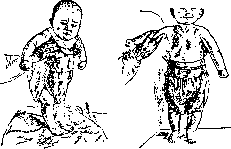
Figure 14. Diaper with shoulder straps.
Figure 15. Diaper with ties. shoulder straps or ties (Figures 14 and 15). Having many gathers, they absorb feces and urine well and at the same time, leaving the thighs open, do not interfere with good ventilation of almost the entire body of the child. A child from 6-8 months (the beginning of crawling) to 16-18 months, when he becomes tidy, is dressed in an undershirt with sleeves and a suit consisting of a brightly colored blouse and pants and a bodice, sewn from the same fabric (blue, gray, brown, striped), worn over the blouse (Figure 16). For children older than 1 1/2 years, undershirts are made open without sleeves. In cold weather, children under 3 years old should almost always wear cotton undershirts (knitted or flannel) worn over the shirt; older children use them (or sweaters) only in a cold climate, while in a more temperate climate it is more advisable to use blouses worn over ordinary indoor clothing when necessary. From the moment children become tidy and run well, girls can wear dresses. However, it should be noted that they interfere with a whole range of movements, and therefore it is more advisable to make identical suits for girls and boys. The most comfortable and beautiful styles: dresses with yokes and suits consisting of sailor suits, shirts, and smocks worn over pants or (with strapped pants
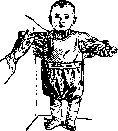
Figure 16. Crawler suit.
and with a colored bodice) underneath (Figure 17). On the pants and dresses of children after 1 1/2 years, pockets are necessary, into the depth of which a ribbon is sewn for tying a handkerchief to avoid loss and exchange of handkerchiefs by children. On the feet of children, from the moment of crawling, cotton stockings and boots or shoes are put on. Boots with laces and heels 1-0.5 cm high. Laces allow the footwear to be adjusted to the volume of the foot. In warm weather, clothing should provide as much access as possible to air, light, and sun, while protecting the child from both cooling and overheating and burns. On hot days, the child is dressed only in panties (pants on a bodice, diaper-pants) (Figure 18) or with a shirt and shoes on bare feet; on clean playgrounds
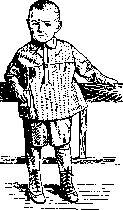
Figure 17. Smock and pants.
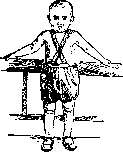

Figure 18. Panties.
Figure 19. English overcoat. children run barefoot. On the head, a linen panama hat. Leaving children completely naked is not recommended to avoid contamination and infection of the genital
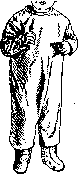
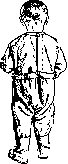
Figure 20. Warm combination. Figure 21. Warm combination. Rubber straps are put on boots.
boots;
organs. In autumn, children need a demi-season coat and a knitted hat or helmet. 135
ODESSA
136 Winter outdoor clothing consists of a light cloth coat on wool batting [styles for older children-English (Figure 19), for children under a year-on a yoke], a helmet, leggings, a sweater or instead of them a flannel combination (Figures 20, 21), mittens, long stockings, boots and overshoes (or felt boots), and a quilted sleeping bag with headgear in

Figure 22. Sleeping bag and helmet.
the form of a helmet or bonnet on batting (Figures 22 and 23). It is not recommended to sew the headgear to the bag, as this may restrict head movements and tire the child. A helmet, covering the forehead, cheeks, and chin, protects the face from the cold better than a bonnet. For children under one year old, warm coats are not required-they are well replaced by bags. It is necessary to consider daily how to dress the child in connection with the weather. The layering of clothing (sweater, bag, blanket, etc.) allows for regulating the degree of its warmth. For children older than three years, pants are made, like for younger ones, on a bodice without a fly in front. A fly can lead to bad habits. Bodices are made of
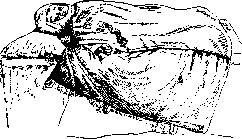
Figure 23. Sleeping bag half-unfolded.
a wide straight strip and two shoulder strips. The styles of dresses and suits, coats, bags, etc., are the same as for three-year-old children. Materials for clothing and linen: undershirts, shirts-batiste, muslin, madapolam; diapers, sheets, duvet covers, underpants, bodices-linen, madapolam, white calico, muslin; diapers-gauze, batiste; dresses, suit shirts-chintz, sateen, summer fabrics; for winter-flannel, baize; suit pants, panties-sateen, chintz, worsted yarn, toile de nord, etc.; sleeping bags-baize, flannel; coats-light materials for outer clothing.
N. Nazarova. Women's clothing, see Individual hygiene.
Related articles
Mentioned in
Cite this page
“Sphincter of Oddi.” Soviet Medical Encyclopedia. English translation of Bolshaya Meditsinskaya Entsiklopediya, 1st ed. (Moscow, 1928–1936), ed. N. A. Semashko. https://sovietmedicalencyclopedia.pages.dev/article/sphincter-of-oddi/