Hygiene (a699)
Historical document, translated for reference. It reflects medical knowledge of the 1920s–30s and is not medical advice.
Summary
This article from the 1928–1936 Soviet medical encyclopedia defines hygiene as the science of health, encompassing both the study of environmental and social factors affecting population health and the development of practical sanitary measures. It traces the historical evolution of hygiene from ancient civilizations through the Middle Ages to the modern era, highlighting the transition from individual health practices to state-regulated 'medical police' and eventually to social hygiene.
Encyclopedia article (1928–1936)
HYGIENE (from Greek hygieia—health; Hygieia—goddess of health, daughter of Aesculapius), the science of health, which has as its goal, on the one hand, to study all the influences that external physicochemical, as well as biological and social conditions of life exert on the health of the population, and on the other, to develop those norms of healthy living which, on the basis of this study, can be implemented in one form or another in life (legislation, daily life, education). Usually, along with the term 'hygiene,' another term, 'sanitation,' is used, which in everyday life often replaces the term hygiene. At the present time, the term 'sanitation' denotes the practical application in life of the requirements of hygiene as a science; sanitation is the art of the practical application in life of hygienic instructions ('sanitary measures'). The content of hygiene is 'as old as the human race' (Baginsky); in any case, empirical rules (or attempts at them) for a healthy life can be found in the legislation, religious precepts, and daily habits of almost all peoples even in distant, prehistoric times. But one can speak of hygiene as a science only from a recent time. From a historical point of view, the development of hygiene as a science and as a practical art can be divided into several periods, reflecting the influence of the social and economic conditions of each given epoch. The first period—ancient history (the hygiene of Egypt, Judea, Greece, and Rome)—is to a certain extent of only historical interest, all the more so because it was followed by a long series of centuries of the dark Middle Ages, which halted any development of hygiene. From the beginning of the 18th century, the industrial development of Europe and the first, initial forms of capitalism brought about new stages in the development of hygiene, and here one can note one's own periods, which also reflected the social changes in life. The greatest flourishing of hygiene began in the second half of the 19th century. Historical data. In the ancient world, hygiene had a predominantly practical direction. In the Mosaic law, there are detailed rules of individual prophylaxis (dietary regimen, sexual hygiene, isolation of contagious patients, etc.); general supervision over the fulfillment of these rules lay with the priests, thus linking religious and sanitary precepts into one whole. In Greece, the development of practical hygiene proceeded, mainly, in the field of so-called physical culture, the strengthening of physical strength and beauty, as well as the rules of dietetics. 'Hygiastics,' i.e., certain provisions of dietetics and physical culture, were formulated in the writings of Hippocrates (456–356 B.C.). Among his works, one must also point out the treatise 'On Airs, Waters, and Places,' where an assessment of the hygienic influence of these factors on health is given. Simultaneously with this, in Greece, one observes the first attempts to create measures of a sanitary nature that go beyond the limits of personal hygiene and have as their goal the improvement of the health of mass groups of the population as a whole. Here one must include the sanitary-technical structures in the cities of Greece (water supply, removal of sewage, etc.). In Rome, these measures received even greater development, and Roman aqueducts for water supply and sewage ditches for the removal of waste were a kind of engineering miracle for that time. There were, further, attempts to organize general sanitary supervision over construction, food products, and attempts to establish a staff of sanitary officials, etc. However, the enormous epidemics of that epoch (plague, smallpox, etc.), which devastated the countries of the ancient world, emphasized the extremely weak sanitary achievements of that time and the small development of hygienic knowledge. The Middle Ages are the classical epoch of the oblivion of all hygienic requirements. The primitive life of that time, serfdom, feudalism, and incessant wars provided the soil for the development of endless epidemics and pandemics. The 'Black Death' (plague) in the 14th century carried off one-quarter of the entire population in Europe; outbreaks of smallpox, typhus, epidemic influenza, and the appearance of mass syphilis went hand in hand with an extremely low level of sanitary culture. The Christianity of the Middle Ages, with its preaching of asceticism and superstition, killed even those weak sprouts of personal hygiene and physical culture that were observed in antiquity. Uncleanliness, dirt, and unhygienic daily habits and customs led to the extreme development of also 'diseases of daily life'—skin, venereal, and eye diseases. Public sanitation and sanitary-technical structures were unknown to the cities of the Middle Ages. Only in the 17th century did the lighting of cities begin to be introduced for the first time (London); in 1782, sidewalks were built for the first time in Paris; even in the 18th century in Berlin, there were public pastures for livestock within the city itself; only in 1780 in Paris did they begin to fight against the custom of pouring all sewage directly onto the street. When in 1662 the cleaning of Paris of waste was carried out in view of the appearance of the plague, it was so unusual that poems were composed and medals were issued in honor of this event. The invention of the water closet was a historical event (beginning of the 19th century). Public buildings (churches, palaces) were usually so polluted that the population had to suffer from the stench of the waste decomposing in them (closets were absent). The abundance of insects (parasites) seemed natural; washing, towels, and basins were not in practice until the 18th century; the French king was served only a 'wet' towel in the mornings. People who were 'completely clean' were an exceptional phenomenon. Bed linen and undergarments were also a relative rarity until the 18th century. In the field of nutrition, the same thing reigned. People ate only with their hands; forks appeared in the 17th century and caused universal astonishment; separate tableware appeared in the 16th century. Alcoholism was extremely developed. The medical faculty of Paris in the 15th century gave topics for a debate: 'Is drunkenness useful?'; the majority of opponents spoke out in the affirmative. Prostitution was extremely widespread. It is not surprising that under these conditions, in connection with wars and famines, the above-mentioned epidemics found fertile soil, and the mortality of the population was very high (40–50 per 1,000). Only from the 18th century can one note a revival of hygienic knowledge. The change in economic conditions, the growth of industry and cities, and the establishment everywhere of more or less uniform forms of political structure (absolutism, the fall of feudalism) proceeded with a corresponding new rise and development of scientific knowledge, and all this was reflected in the sanitary state of the population and in the development of hygiene. From this period begins the gradual entry into the modern epoch, characterized by the rapid growth of hygiene as a science and the rapid spread of sanitary measures. Stages of the development of modern hygiene. The modern period of the development of hygiene can be divided into three separate stages: 1) Hygiene as a science, devoted, mainly, to the study of the forms and methods of administrative and state-police intervention in the health issues of the individual, the so-called 'medical police,' having as its goal the implementation in this way, mainly, of the rules of personal hygiene; 2) Hygiene as an experimental science, studying predominantly the external conditions of life and their influence on the health of large masses of the population, advocating broad sanitary-technical health-improving measures, otherwise called 'public hygiene,' and 3) Hygiene as a science, more and more incorporating social motives and methods, studying social factors that affect health and require social-hygienic measures (social hygiene). All three stages of the development of hygiene are connected with the general historical conditions of the development of the modern economic system. Personal hygiene. After the medieval epoch, the period of the 17th century and especially the 18th century and the beginning of the 19th century is characterized in this respect by the system of so-called 'enlightened absolutism' and the sharp regulation of public and private life. In politics, at the beginning of the 19th century, this was expressed in the creation of the system of the police-bureaucratic regime of the 'Holy Alliance' (1815). The state as an authority considered possible the intervention, and the closest one, in all public and private life, and this intervention bore the character of purely police supervision and care for its subjects. In the development of hygiene, this was expressed in a special direction of this science and its practical application. The interests of personal hygiene, naturally, moved to the first place in this transitional economic period, and the first steps of the reviving hygiene as a science were marked by the appearance of a number of studies from the field, mainly, of dietetics. Rules of good nutrition, rules of personal life, rules of how to achieve longevity—all this especially attracted attention, and at the same time, it seemed that it could easily be regulated also by law as 'rules of conduct' for citizens. The most significant scientific work of this initial epoch of the development of hygiene of this period was the well-known work of Hufeland (Ch. Hufeland): 'Makrobiotik oder die Kunst das menschliche Leben zu verlängern', Jena, 1768 (Macrobiotics or the Art of Prolonging Human Life) and, on the other hand, the work of Frank (J. Frank): 'System einer vollständigen medizinischen Polizei', Volumes I–VI, Vienna, 1788–1819 (System of Medical Police).
The first work provided a number of practical instructions and set before the new science—'macrobiotics'—a special task, distinct from the goals of medicine—'to give man a long life' (the goal of medicine, however, is merely 'to restore health in case of its impairment'). Practically, 'macrobiotics' was the hygiene of that time. The second work—by the well-known scientist Frank (who worked for some time in Russia as well)—brought together into a single whole all the then-existing information on public health and hygiene, subordinating all this to one general idea—to instill hygienic rules ('personal hygiene') into the population through state supervision and legislation ('medical police') and to provide the state with healthy subjects. Thus, the indicated period of the development of hygiene can be characterized as a period of study and development, mainly, of 'personal, individual hygiene,' regardless of whether this goal was achieved by an individual or the state; the methods of hygiene were merely methods of personal influence and persuasion. The term medical police replaced the term hygiene in practice and in teaching at that time. The very development of the general biological and physical sciences did not then provide the opportunity to go beyond the limits of this purely personal interpretation of hygienic problems. Their resolution proceeded only by way of crude empirical observations and conclusions. Experimental hygiene. The middle of the 19th century is characterized, as is known, by the intensification of industrial growth in Europe, with the gradual liberation of the individual from state supervision; this is the era of liberalism and democracy, when the so-called slogans of political freedom significantly narrowed the sphere of police-state intervention in the life of the population. Simultaneously with this began the growth of all biological and physico-chemical sciences; the works and discoveries of Helmholtz, Liebig, Cl. Bernard, Virchow, and others made it possible for hygiene as well to transition to new experimental methods and to utilize, first of all, everything that the new views in the field of physico-chemical study of the environment had provided. These same conditions created the soil for the development and the beginning of a new, second period of hygiene, which, in essence, first shaped this science as an independent discipline. The semi-mystical, semi-empirical explanation of the influences of the external environment on health and on the causes of diseases, which was spoken of even in the writings of the hygienists of ancient Greece and Rome, now gave way to a real, experimental study of these conditions. Hygiene got on the rails of experiment, and the laboratory gradually became an invariable attribute of hygienic research; both the very methods of these studies were developed, and the term now used in the USSR—'experimental hygiene'—perhaps best defines the essence and methods of hygiene of this period. The study of the external environment (climate, water, soil, air), food and nutrition, clothing, etc.—this is the scope of this new experimental hygiene; the chemical composition and physical state of these factors and their connection with human health now constitute the usual subject of hygienic research. This new direction in hygiene, extremely fruitful in its results, is connected first of all with the name of Max von Pettenkofer (1818–1901), in whose laboratory (Munich) a number of European hygienists received their education, who subsequently spread the same methods of experiment everywhere (including Prof. F. Erisman). Voit acquired the same fame, whose works on physiology and the hygiene of nutrition also constituted an epoch in the development of hygiene. There is hardly any department in hygiene where the influence of Pettenkofer would not be felt. To him, hygiene is indebted first of all for the development of the basic methodology of hygienic research. The study of carbon dioxide in the air (Pettenkofer's method) as a way of determining the spoilage of the latter enabled Pettenkofer to conduct his classic works on ventilation ('natural ventilation,' 'volume of ventilation air,' 'methods of research,' etc.). The study of soil and soil air enabled Pettenkofer to scientifically substantiate the importance of cleaning populated places and, in particular, the importance of sewage systems and the process of self-purification of rivers. In the same field, Pettenkofer created his so-called localistic theory of the development of intestinal epidemics, according to which soil conditions play the predominant role. Further, Pettenkofer's works on the hygiene of clothing and on nutrition (apparatus for studying gas exchange, etc.) are known. In the field of nutrition and food hygiene, Pettenkofer worked together with Voit; to the latter belong the works on the development and substantiation of the first hygienic norms of nutrition (daily norms of proteins, fats, and carbohydrates) and on the establishment of rations. The direction in hygiene given by Pettenkofer was fully supported in Germany by his students and collaborators—Rubner, Flügge, and others. Through the works of these scientists, a number of other hygienic norms were developed in the field of sanitary assessment of air, water, soil, food products, and housing, which modern hygiene uses even today. The physico-chemical direction in hygiene was happily combined with new methods associated with the development of bacteriology. The works of Pasteur, Lister, Koch, and Mechnikov created a new branch of medical knowledge, which extremely supplemented the conclusions of hygiene. The study of contagious diseases, their etiology, and the external environment as a transmitter of infection brought hygienic and sanitary measures in the fight against these diseases to the forefront here as well and created a new branch of hygiene—epidemiology, which to a certain extent is also a branch of bacteriology. The rapid and magnificent flourishing of bacteriology even created a certain infatuation and overestimation of the importance of these methods in hygiene; the consequence of this was the so-called 'bacteriological direction' in hygiene, the extreme supporters of which showed a tendency to consider all of hygiene merely as a kind of part of bacteriology (Flügge). This was also facilitated by the circumstance that, especially in Germany, a number of bacteriologists occupied chairs of hygiene in universities. As is known, R. Koch also occupied such a chair (Berlin). In any case, the combination of the physico-chemical laboratory method with the bacteriological one made possible a more precise study of all external influences of the environment surrounding man, the isolation of harmful influences, and the development of measures for improvement. The flourishing of hygiene in Germany also caused the appearance in it of a number of major printed manuals and courses on hygiene, reflecting the successes of this science and its achievements. Such is, first of all, the manual edited by Pettenkofer and Ziemssen—'Handbuch der Hygiene u. Gewerbekrankheiten' (Lpz., 1882–1887), the well-known course of hygiene by Weyl, then by Rubner, Hüppe, Flügge, Prausnitz, and others. Finally, it should be noted that in the described period of the development of hygiene, in the middle of the 19th century and later, the descriptive method, associated with the same study of the external environment, also became widespread. These are the so-called medico-topographical surveys of various localities, wherein the content of these surveys was a thorough description of the climate, topography, soil, conditions of settlement, and occupations—in connection with the morbidity, mortality, and physical condition of the population observed in the given locality. This latter direction took root especially in Russia (see below), where in the 50s–70s of the 19th century a number of such surveys of different localities of the country were published, surveys that subsequently linked this work with the corresponding surveys of Zemstvo sanitation. This survey direction in hygiene also manifested itself in the corresponding study of epidemic diseases; the so-called medical geography was created, closely connected with hygiene, since its task was to clarify the connection of mass diseases (not only epidemic ones) with the conditions of the locality, i.e., the connection of these diseases with the given external environment (living and non-living). Such are the works of Hirsch, Gueser, and Boudin. To a certain extent, all these latter works were a broad application in hygiene of the statistical method, which had been applied earlier as well. Mass diseases, the study of mortality and birth rates of the population, naturally drew scientific thought to the broad application of the statistical method here, in order to find this or that regularity in these phenomena and to grasp the corresponding connection with other categories of facts. Already in the 18th century, the work of J. Süssmilch, 'Die göttliche Ordnung in den Veränderungen des menschlichen Geschlechts' (B., 1742—The Divine Order in the Changes of the Human Race), established certain regularities in the natural movement of the population. Quetelet's works on 'social physics' already in the 19th century provided new, inexhaustible material and new methods in this field as well. The application of statistics for the study of hygienic facts and sanitary conditions created yet another new branch of hygiene, the so-called 'sanitary statistics,' otherwise 'medical statistics,' 'vital statistics' (terminology of individual countries). The application of the statistical method sharply emphasized the connection of hygiene with the social sciences; a number of studies naturally brought forward the connection of sanitary factors with economic and social ones; however, for this period of the development of hygiene, the application of the statistical method had main significance in the study of epidemiology, demography, and medical reporting only among individual authors and schools, already putting forward their own independent goals and tasks (the Russian Zemstvo-sanitary school of the 1880s–90s).
Thus, the middle and partly the end of the 19th century created that "experimental" Hygiene which, relying on the physical-chemical experimental method, on bacteriological research, and on the application of statistical study, provided the basis for the rapid flourishing of practical sanitation as well. Experimental Hygiene, so to speak, practically justified itself by this. As is known, the beginning and middle of the 19th century were marked for Europe by numerous new epidemics, which sharply posed questions of practical public health before state authority and public opinion. The difficulties introduced by epidemics into the economic life of individual countries, in particular into international relations and trade, sharply posed the question of a kind of self-defense against these natural disasters. From the beginning of the 19th century, periodic outbreaks of the hitherto unknown Asian cholera, brought from the East, began in Europe: colonial trade threatened the constant danger of the introduction of plague; epidemics of parasitic typhus devastated entire regions (Ireland, Upper Silesia); smallpox, despite the knowledge of anti-smallpox vaccinations, broke out everywhere (Germany 1860-70s, France). One of the first countries to actually pose the questions of applying Hygiene for the purposes of practical public health was England, where in the 30s a government commission was formed to study cholera epidemics. England was the first country where those hygienic measures, which at that time experimental Hygiene began to scientifically substantiate, began to be practically implemented (see Great Britain). The connection established by hygiene and bacteriology between a number of epidemic diseases and the sanitary condition of water and soil in cities, the connection between high mortality of the population and the sanitary conditions of its life, served as a starting point for the sanitary legislation of England and sanitary-technical measures in it, and subsequently in other countries. From this period begins the era of rapid improvement of health (within the framework and limits of the existing economic relations of individual classes) of cities and other populated areas of a number of countries. The construction of water supply systems, rational purification and disinfection of water, the construction of water-carriage sewage systems with various methods of wastewater treatment and their disinfection, installations for the destruction of dry refuse, drainage of soil—all this, besides a general lowering of mortality, resulted in a sharp decrease in intestinal infections and malaria. Housing Hygiene, the study of the elements of a healthy dwelling (ventilation, heating, lighting, cubic capacity, layout) provided the basis for more rational construction and for the fight against housing-related diseases. The study of nutrition conditions and food products, the food ration, its composition, caloric value, digestibility, provided material for sanitary-food legislation and supervision. The fight against epidemics stood on firm ground, using epidemic data and organizing sanitary measures on the basis of them (general measures, vaccinations, disinfection, etc.). The development of industrial life put forward special tasks in the field of Hygiene of labor and professions (occupational Hygiene), as well as of individual groups of the population. The end of the 19th century and the beginning of the 20th century, in contrast to previous eras, are therefore marked by a gradual, steady decrease in the general mortality of the population in all countries, a decrease and partly the disappearance of a number of infectious diseases, and an increase in average life expectancy. Along with other reasons that caused these facts (the rise of general culture, the growth of the consciousness of the working class and its struggle for better living conditions, the economic rise of Europe and America in the 2nd half of the 19th century), the growth of sanitary culture and the development of hygiene also played their important role here. In contrast to the preceding period of Hygiene (personal, individual Hygiene), this period with its practical measures aimed at improving the health of the masses of the population can therefore also be called the period of the beginning of so-called "public Hygiene." In England, the new experimental direction in Hygiene was reflected in the large manual on Hygiene by Parkes (Parkes, 1857), where all questions of Hygiene are treated from the angle of laboratory and statistical methods. In France, a certain transition to new methods of Hygiene was already expressed in the well-known, long-republished course of hygiene by M. Levy (M. Levy, "Traité d'hygiène privée et publique", v. I-II, P., 1844). In this manual, however, more than half is occupied by "individual hygiene," but the author devotes a significant part of the second volume to public Hygiene, the study of which in Levy relies, mainly, on statistical methods. Among the courses of Hygiene, later ones, which already reflected a completely new direction, in France one must note the works of Fleury, Proust, Arnould, and Bouchardat (Fleury, Proust, Arnould, Bouchardat). The development of hygiene as an experimental science constitutes, thus, the second, extremely bright period—the middle and end of the 19th century. Social Hygiene. Our generation is a contemporary of the third period of the development of Hygiene, which partly manifested itself in the last decades of the 19th century and gave 747
Hygiene experienced significant growth in the 20th century, a period of development for new hygienic disciplines united by the general term "social hygiene" (see). The end of the 19th century and the 20th century can be called a period of growing social contradictions and conflicts and a sharper manifestation of social problems. The principle of state non-interference in social relations is already outliving its time; the state, as one of the forms of class domination and, consequently, of the specific implementation of social measures, is once again acquiring greater importance. In all areas of life, social factors are beginning to play an ever-increasing role; social legislation and social insurance are accumulating a mass of new facts; hygiene is coming into closer contact with questions of social life and the influence of social factors on health, and is moving from the "public hygiene" of the preceding period into a new phase of hygiene—"social hygiene." To a certain extent, social hygiene existed in its individual elements in the works of a number of previous hygienist authors, but only in our time has social hygiene been singled out and formalized not only as a branch of hygiene, but also as a separate scientific discipline. The works of Duclaux, Grotjahn, Fischer, and others provided the first foundations for this new direction in hygiene in Europe. To the previous fields of experimental hygiene (see above), new branches of "social hygiene" have now been added: social pathology, social anthropometry and anthropology, racial hygiene and eugenics, problems of social diseases and the fight against them, problems of the social hygiene of maternity, infancy, and childhood, questions of social pedology and psychohygiene, social problems of housing and public catering, etc. The general problems of the organization of public health also belong here. Health statistics have naturally entered to a significant extent into the sphere of social hygiene, where, alongside the statistical method, a new method is also gaining importance—the anthropometric (see Anthropometry). The influence of this new direction in hygiene has manifested itself in life through a significant growth in recent social-hygienic legislation, the implementation everywhere of special social-hygienic measures, and the creation of social-hygienic institutions (dispensaries, consultations, nurseries, institutes for social assistance nurses, health education, etc.). The social-hygienic direction exerts its influence on the organization of public health in relation to medical care as well (dispensarization of medical practice, preventive methods within it). The connection of the social-hygienic direction with modern socio-economic changes in society serves at the same time as a sure guarantee for the further development of this phase of hygiene. Along with the continuing successes of experimental hygiene, social hygiene sets the task of improving the health of the working masses of the population even more broadly; hygiene itself as a science goes far beyond its previous understanding. The new direction in hygiene has not only created a new science—"social hygiene"—but has also brought new light to facts within the framework of the previous experimental hygiene, having emerged from the walls of purely laboratory research into the thick of studying life itself. The social-hygienic direction (the third, modern period of the development of hygiene as a science) has a broad and fruitful application as a new and extremely powerful method for improving the conditions of life for the broad masses of the population. The legislation and the measures that are currently taking place everywhere in the field of social-hygienic service to the population are most closely connected with the successes and development of social hygiene. At the same time, this new direction sharply poses the question of the transition to a new economic order, being, within the framework of the socialist economy and the socialist organization of society, a natural expression of socialist ideas in the matter of public health as well. Broadly and correctly understood, social hygiene in its logical development naturally constitutes one of the forms of socialist construction. The development of hygiene in the USSR went through, in general, the same stages as in Western Europe. Scientific hygiene in our country developed under the influence almost exclusively of the German school. Hygiene as an administrative discipline ("medical police" in its understanding of the end of the 18th century and the beginning of the 19th century) was the official expression of academic and practical hygiene in our country as well. In accordance with this understanding, it was taught in higher education (see below); in accordance with this, practical sanitary supervision was built (the function of government "city and district" doctors, the combination of these functions with other state-police functions—regarding forensic medicine). Only from the second half of the 19th century were the first glimpses of scientific experimental hygiene observed in Russia under the direct influence of the corresponding flourishing of hygiene abroad. The pioneers and founders of experimental hygiene in Russia were Prof. A. P. Dobroslavin (St. Petersburg) and especially Professor F. F. Erisman (Moscow). Prof. A. P. Dobroslavin (1842–1889)—the first professor of hygiene at the Military Medical Academy—and Prof. F. F. Erisman (1842–1915)—the first professor of hygiene at Moscow University (both students of Pettenkofer)—became in our country bright representatives of the experimental method in hygiene and at the same time bright representatives of the social direction in this science. Pupils of Western European science in the era of its flourishing, they were both, at the same time, typical representatives of Russian social thought of the 1860s, with their materialistic and realistic approach to facts and their democratism in practical life. Dobroslavin and Erisman were the first to create schools of hygiene in Russia, produced a number of followers and students, and introduced the ideas and principles of hygiene into the practice and organization of public health. The name of F. Erisman is most closely connected with Zemstvo sanitation, in the works of which he directly participated. To him also belong the first original Russian courses on hygiene (Dobroslavin A., Hygiene, 2 vols., St. Petersburg, 1882–1884; Erisman F., Hygiene, 3 vols., St. Petersburg, 1872; by the same author, Course of Hygiene, unfinished, 2 vols., 1887). The name of Prof. Dobroslavin as a teacher at the Military Medical Academy is also connected with courses on military hygiene; Erisman, among other works, directed a large sanitary survey of factories and plants of the Moscow Governorate (published by the Moscow Governorate Zemstvo, 1881–1893). The activity of Erisman and Dobroslavin, as already indicated above, was not limited to a new approach to the teaching of hygiene in our higher medical school. The constant participation of both scientists in Russian medical congresses (Erisman was the almost permanent chairman of the Pirogov congresses) gave them the opportunity to broadly pose questions of practical hygiene in the medical environment and in medical organizations; the sanitary organs of the Zemstvos and cities of that time received their formalization in these very years. Thanks to the initiative and personal efforts of Erisman, the first city sanitary station was created in Russia (Moscow, 1891). He was also the first to organize the hygienic laboratory of Moscow University, and then, on his initiative, the Hygienic Institute of Moscow University was built and opened (1890; see plan). In 1883, a hygienic laboratory was also opened at the Military Medical Academy, also in a separate building. In 1925, a special Institute of Preventive Medicine was created at the Military Medical Academy.
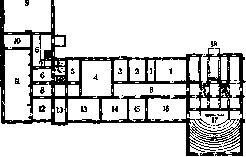
Hygiene Institute of the 1st Moscow University. 1-bacteriological cabinet; 2-professor's office; 3-optical room; 4-laboratory for physicians; 5-prosector's office; 6-vestibule; 7-restroom; 8-corridor; 9-laboratory for students; 10-weighing room; 11-laboratory for physicians; 12-assistants' laboratory; 13-premises of the municipal sanitary station; 14-room for gas analysis; 15-library; 16-museum; 17-auditorium; 18-main entrance. [Institute] (named after Z. P. Solovyov), which included the departments of general, social, and military hygiene and bacteriology (see separate table, figure 1). From the 1870s–80s, the teaching of hygiene gradually entered all universities in Russia, and a network of hygienic laboratories was deployed everywhere alongside them. Among the number of hygienists who occupied chairs of hygiene in Russian universities during this period and later, and who were the conduits of that same experimental method in this science, one must point out M. Ya. Kapustin (Kazan), Orlov (Kiev), Skvortsov (Kharkov), Levashev (Leningrad), Shepelevsky (Yuryev), and others. Among the later figures of hygienic teaching and practical hygiene, one must include the most prominent contemporary hygienists of the USSR—G. V. Khlopin, and then P. N. Diatroptov, who have now received the title of 'Honored Scientists' and are continuing their work even now, and further, a number of other hygienists who worked in various universities: P. N. Lashchenkov (Tomsk), V. Favr (Kharkov), S. F. Bubnov, S. S. Orlov, M. B. Kotsyn, N. K. Ignatov (Moscow), and others. The socio-hygienic trend in Russian hygiene was a noticeable current even in previous years. In the works of Erisman, this was emphasized repeatedly. In his preface to the course on hygiene (publ. 1887), Erisman points out that 'the development of the sanitary trend in medicine is extremely important.' 'I personally am firmly convinced,' he says further, 'that the sanitary trend in medicine will win a brilliant victory over purely therapeutic tendencies,' since 'a physician must not only treat the sick, but also prevent diseases, and that, strictly speaking, this is where the ideal side of his calling lies, the best and most useful side of his practical activity.' In a very interesting preface-article written with great enthusiasm for the collection 'Publicly Accessible Guide to the Prevention of Diseases and Preservation of Health' (3 issues), Erisman emphasizes even more sharply the significance of social factors in hygiene and public health, vividly characterizing the complete 'helplessness of the individual in relation to moments dangerous to his health in his surrounding environment,' since man in modern society lives 'by another's will' and depends on social and economic conditions. 'The health of an individual is everywhere dependent on one or another public measure capable of improving the sanitary state.' 'Material conditions, the social structure, and the cultural development of the population'—these are the elements, upon the favorable combination of which hygiene can develop; the sanitary state of a country depends on their level. Although Erisman was dismissed from the university by the government and left Russia, his ideas took root and manifested themselves both in the works and direction of the public-sanitary organizations of that time and in hygienic literature. Khlopin also carries this same point of view in his course on hygiene: 'Hygienic science has a public, social character.' Prof. Hüppe, in the preface to his 'Guide to Hygiene,' even classifies hygiene as one of the branches of state socialism. The socio-hygienic trend in hygiene found its most complete expression only in our days, after the October Revolution, when, on the one hand, new, favorable conditions were created for the free implementation of this trend, and on the other hand, a definite ideology of 'prophylaxis' was created in 'Soviet medicine' as a manifestation of socio-hygienic ideas natural to a proletarian state. In the person of a number of new figures, social hygiene received broad development (N. A. Semashko, Z. P. Solovyov, A. V. Molkov, M. M. Gran, Z. G. Frenkel, and others). It is necessary to note that the experimental trend in Russian hygienic science, for all its fruitful significance in its time, still closed itself off to a certain extent in its academic expression; university hygiene, in contrast to the tendencies of its founders Erisman and Dobroslavin, largely lost its connection with the actual demands of life after them and moved onto theoretical rails of work. A gap was created between academic science and practical sanitation (former zemstvo sanitary organizations and congresses). It is interesting to highlight in this regard the works of the Kharkov professor I. Skvortsov, who in his 'Hygiology and Hygiene' (1900) even proposed a new terminology, pushing the boundaries of the physico-chemical foundations of hygiene far beyond those usually accepted. Therefore, the socio-hygienic trend mentioned above grew and developed, mainly, outside of university departments and only after the revolution did it come into our universities as well. It is not accidental that all the new workers of the socio-hygienic trend in the universities came from the ranks of practical sanitary workers. Now, this gap between higher education and life is only gradually being filled. Thus, by the present time, one can consider the evolution that hygiene as a scientific discipline has undergone in its historical development to be more or less complete, gradually expanding, encompassing new fields, utilizing new methods, and becoming imbued with new ideas and views. The most precise and complete demarcation and definition of hygiene is presented now in the following form. The former unified hygiene, which encompassed all departments and branches of hygienic knowledge, is now being replaced by two independent scientific disciplines: a) general, or experimental, hygiene, and b) social hygiene. The scope of study of experimental hygiene includes the external environment and its physico-chemical and biological aspects, the establishment of hygienic norms for the interaction of man with this environment, and the development of corresponding measures for the improvement of this environment ('sanitation and sanitary engineering'). Its departments: air and climate, water and water supply, soil and the cleaning of populated areas, housing, planning and general improvement of populated areas, food and nutrition, general epidemiology and disinfection, clothing; its methods: laboratory experiment and, in part, statistical study. Experimental hygiene builds its conclusions and laws on a close connection with such sciences as physics, chemistry, meteorology, geology, bacteriology, and physiology. The scope of study of social hygiene includes: the social environment and its influence on human health, the establishment of socio-hygienic norms ensuring the health of individual groups of the population, and the development of necessary socio-hygienic measures ('social medicine and prophylaxis'). Departments of social hygiene: social pathology and social diseases, social conditions and measures for the protection of the health of maternity and infancy, children and adolescents, conditions of labor protection and occupational diseases, socio-hygienic problems of collective life (housing question, nutrition), organization of public health and other types of social assistance (social insurance), racial hygiene; its methods: statistics and anthropometry. Social hygiene builds its conclusions on a connection with such sciences as political economy and sociology, statistics and anthropology, and to a certain extent biology and physiology. Under modern conditions, further differentiation is already being observed; 'labor hygiene' and 'pedagogical hygiene' have already separated to a certain extent from social hygiene as a unified discipline. To date, there is still no final and general recognition of such a division of hygiene as is cited above. In a number of European countries, the final terminology and the precise content invested in these concepts have not yet been established. Thus, in America and England, the term 'social hygiene' is applied, mainly, to problems of only social pathology and social diseases, and courses in general hygiene still combine the problems of not only general but also social hygiene. The same is true in France, where alongside the term 'social hygiene,' the terms 'social medicine' and 'preventive medicine' are often used. In Germany, the concept of 'social hygiene' is more precise and coincides closely with the corresponding concept and scope of this discipline here in the USSR. Finally, within the limits of these same hygienic disciplines, individual chapters are sometimes distinguished, and sometimes even courses of hygiene, covering questions of hygienic study and service for individual groups of the population. Such are: military hygiene, maritime hygiene, transport hygiene, prison hygiene, rural hygiene. In essence, these are chapters of occupational hygiene in the broad sense of this word. Usually, their study is included in special courses. Similarly, a discipline close to hygiene is now the so-called 'sanitary engineering,' by which is understood a number of technical disciplines taught in technical educational institutions (courses on water supply, waste removal, planning, heating, ventilation, etc.), or more general courses on 'municipal economy and improvement.' The course on sanitary statistics is included in social hygiene. Hygiene as a subject of teaching in higher education. In connection with the indicated historical development of hygienic knowledge, the teaching of hygiene in higher medical schools has undergone a number of changes, until at the present time hygiene has taken shape as a separate academic discipline with an independent department.
When medical knowledge was less differentiated in earlier times, those fields of knowledge that fell within the scope of Hygiene were usually attached to some other medical science, often in a peculiar combination. Thus, the teaching of Hygiene was sometimes included in the tasks of the department of pharmacology, then forensic medicine, obstetrics, general therapy, etc. The connection of Hygiene with forensic medicine lasted the longest due to that trend in Hygiene which linked its tasks, mainly, to state supervision and control. Therefore, for a long time, even with the independent formation of the department of Hygiene, its exact name in universities as an academic discipline was "Hygiene and Medical Police." In Russia, this name persisted until the revolution of 1917. The well-known French hygienist Brouardel was no less well-known as a forensic medical expert. Independent teaching of hygiene in medical faculties in Western Europe dates back only to the era of the flourishing of experimental Hygiene, i.e., from the 50s-60s of the 19th century, when separate departments of Hygiene began to emerge everywhere. In Russia, the teaching of Hygiene underwent the same evolution. At the Military Medical Academy, one of the first courses in Hygiene was the so-called course of "police regulations" (the Western European "medical police"); under Professor Ringebroig (1799-1802), this course was included in "forensic science and materia medica," and under Professor Dyakov (1803-06)-in the course of obstetrics.
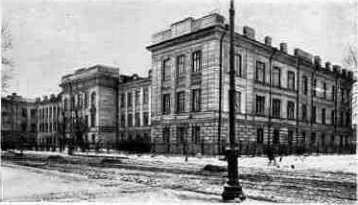
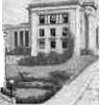
Fig. 1. Hygiene (physiotherapy) in Leningrad
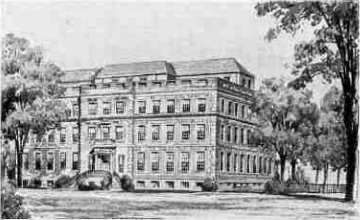
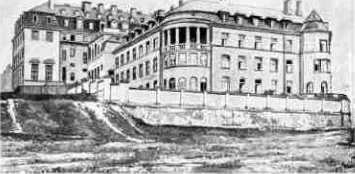

In 1805, during the reform of the academy, Frank (see above) separated hygiene, but combined it with physiology; in fact, however, from 1808, hygiene was merged with forensic medicine. According to the charter of 1824, it was merged with pharmacology, and only in 1837 was a unified department of forensic medicine, medical police, and hygiene re-established (Prof. Pelekhin). Finally, on the initiative and with the participation of the well-known Prof. Chistovich, in 1862–66, the question of independent teaching of hygiene was finally resolved, and a department of hygiene was created (1866) "with the inclusion of comparative statistics of diseases and the presentation of military-medical institutions." This department was occupied in 1871 by P. A. Dobroslavin (the first introductory lecture in the hygiene course was read by him on November 19, 1871). Prof. Dobroslavin occupied this department until his death (1889). After him, the department of hygiene at the Military Medical Academy was occupied successively by Prof. S. V. Shidlovsky (1890–1909), V. A. Levashev (1910–16), and currently (since 1917) by G. V. Khlopin. The same gradual development occurred in the teaching of hygiene at Moscow University, where only in the 70s was an independent assistant professorship course in hygiene singled out, which was read until 1882 by Dr. P. Medvedev. An independent department of hygiene was created only in 1884, and Prof. F. F. Erisman was invited to head it, who managed the department of hygiene until 1892, when he was dismissed from the university by government order and left Russia forever. Subsequently, the department of hygiene at Moscow University was occupied by the following persons: Prof. S. F. Bubnov (1892–1909), Prof. S. S. Orlov (1909–24), and currently since 1924 by Prof. A. N. Sysin. The teaching of hygiene in medical faculties in Russia until 1917–18 developed only in the form of a gradual expansion of a single course of hygiene (one department) and predominantly in the spirit of its purely experimental direction. Hygiene was usually read in the 4th and 5th years, while courses in sanitary statistics, epizootiology, and medical police were read separately (see "curricula" of universities of the pre-war time). Practical classes took place in the 5th year and consisted of laboratory exercises on the sanitary examination of water, air, soil, food products, and clothing. After the revolution in the USSR, a significant change in both the volume and nature of the teaching of hygiene is observed, corresponding to new directions in the organization of healthcare in the Union ("Soviet medicine") and to that expansion of the tasks of hygiene which have emerged in this science in the West as well ("social medicine"). According to the curriculum of the People's Commissariat of Education, currently in force in the RSFSR and—with some changes—in other union republics, there are 4 independent departments of hygiene in medical faculties: general or experimental hygiene (3rd year), occupational hygiene (4th year), hygiene of upbringing (4th year), and social hygiene (5th year). For experimental hygiene, according to the curriculum (for the RSFSR), 256 annual academic hours are allocated. The hygiene program, approved by the Main Administration for Vocational Education in 1927 (see curriculum of the medical faculty, published by the Main Administration for Vocational Education of the People's Commissariat of Education, Moscow, 1927), includes the following main sections: introduction, epidemiology with disinfection, air and climate, water, soil, improvement of populated areas (so-called "communal hygiene"), housing, food and nutrition, clothing. Practical classes include: a) laboratory classes on water, air, soil, food products, examination of housing and disinfection, b) seminars, c) excursions to sanitary institutions, d) reports, e) curatorship in sanitary institutions. Upon completion of the course and when moving from the 3rd to the 4th year—an examination. Practically, in the majority of provincial universities, the introduction of all 4 indicated departments has not been fully implemented, and usually there are only two (experimental and social hygiene). In foreign universities, the teaching of hygiene is usually conducted much more narrowly and concisely and is concentrated in the 5th year. Along with medical higher schools, the teaching of hygiene in one form or another takes place today in a number of higher technical schools with a bias in the field of occupational and communal hygiene. In the USSR, such courses are conducted in many technical higher educational institutions (Moscow Higher Technical School, Institute of Civil Engineers, etc.). In addition to educational institutions of the university type, independent departments of hygiene exist at the State Institute for the Advanced Training of Physicians in Leningrad and at the Kazan Institute. In recent years, an organization has arisen in the USSR aimed at uniting in a certain way the scientific-pedagogical activity of higher educational institutions in the field of teaching hygienic disciplines. In 1925 and 1928, two all-union meetings of representatives of preventive departments took place on questions of the methodology of teaching hygiene, their programs, etc. The proceedings of the meetings are printed in the collection "Social Hygiene." A special permanent bureau of preventive departments consisting of 17 persons (Moscow) has also been created. In connection with the rapid development of hygiene over the last decade and, especially, with its differentiation after the war, there is a movement everywhere in favor of organizing additional training courses or even special schools of hygiene for physicians. In Russia, such courses for sanitary physicians were organized before the revolution at the former Elenin Institute for Physicians in St. Petersburg, at Moscow University, and at the Diatroptov laboratory in Moscow. Currently, the People's Commissariats of Health of the union republics organize such courses to one degree or another annually in Moscow, Leningrad, Kharkov, Kiev, Tomsk, Rostov-on-Don, and other cities. Abroad, such courses (France, England, Germany) are usually concentrated today in special institutes (higher schools of hygiene). Such are: The Higher School of Hygiene in Baltimore (in the North American United States, since 1916, "School of Hygiene and Public Health, of the Johns Hopkins University") and then the recently organized higher schools of hygiene in Warsaw, Budapest, Zagreb, Prague, built at the expense of the well-known Rockefeller Foundation. In 1927, with the help of this foundation, higher schools of hygiene were functioning in Toronto (Canada) (see separate table, fig. 3), at Harvard University (U.S.A.) (see separate table, figure 4), in London (at the Institute of Tropical Medicine; a new building for a special higher school of hygiene is currently being built there), in Oslo, Prague, Warsaw (see separate table, fig. 2), Budapest, Zagreb, Belgrade, and at the Institute S. Paulo in Brazil. At these schools, various courses are conducted not only for physicians but also for other groups of medical personnel, technicians, clerks, etc. Large subsidies going to the construction of these institutes and schools of hygiene from the Rockefeller Foundation have ensured extremely rich equipment for these institutions and extensive premises. In 1924, for example, up to 10 million dollars were allocated for corresponding construction from the Rockefeller Foundation. The purchase of a plot of land in London for the construction of a new building for the school of hygiene (near the British Museum) cost 2 million dollars. Hygienic congresses and conventions. In a number of countries, national conventions of hygienists and sanitary physicians have long taken place. Such are the annual conventions on hygiene in France, the conventions of sanitary physicians in England, etc. In Russia, such meetings took place—initially as "sections of hygiene" at Pirogov congresses and at congresses of naturalists and physicians, and from 1911—as separate meetings of bacteriologists and epidemiologists, where sanitary physicians usually also participated. There were two such meetings before the war (1911 and 1912). Since 1918, these meetings have turned, on the initiative of the People's Commissariat of Health, initially into All-Russian, then into All-Union congresses of bacteriologists, epidemiologists, and sanitary physicians. From 1918 to 1928, there were 11 of these congresses, of which in 1918—I, in 1919—II and III, in 1920—IV, in 1921—V, in 1922—VI, in 1923—VII, in 1924—VIII, in 1925—IX, in 1926—X, in 1928—XI congress. The VIII and XI congresses took place in Leningrad, the X—in Odessa, and the rest in Moscow. There is an All-Union bureau for the organization of congresses. The proceedings of the congresses are printed. International congresses on hygiene bear the name "congresses on hygiene and demography" and trace their origin to the Brussels one (1851). The following international congresses took place every two to three years, starting from 1876; the X congress was in Paris in 1900, the XIV—in Berlin in 1907; the last congress before the war in Washington designated Russia as the site of the future congress. The war and subsequent events disrupted the convocation of these congresses, and to this day not a single new international congress on hygiene has yet taken place—partly, perhaps, for the reason that during this time hygiene has significantly differentiated and numerous bodies and congresses on various departments of hygiene have taken shape. Hygienic scientific societies. In almost all countries, there are today national societies for hygiene and sanitation, uniting physicians, sanitary engineers, and other persons working in these fields, publishing their journals, and convening their congresses. In France, there is the "Society of Public Medicine and Sanitary Engineering" ("La Société de médecine publique et de génie sanitaire"), which convenes annual congresses on hygiene. In England, there exist: the "Society of Medical Officers of Health" with annual congresses, and congresses convened by the Royal Sanitary Institute.
In Germany there are: 1) "Der deutsche Verein für öffentliche Gesundheitspflege", 2) "Der deutsche Verein für Volkshygiene", 3) "Die deutsche epidemiologische Gesellschaft". As permanent international organizations for Hygiene currently in operation, one must point out: a) the International Office of Public Hygiene (since 1907), b) the Health Section of the League of Nations (since 1921), c) the Rockefeller Organization (America; since 1913). All these organizations, besides specific practical goals in the field of sanitary and preventive work, also fulfill a number of scientific tasks through the organization of expeditions, surveys, questionnaires, congresses, publications, etc. In Russia, there existed the "Society for the Preservation of Public Health," which had its branches in a number of cities and published a journal for 1891–1917 ("Journal of the Society for the Preservation of Public Health"). Among the branches of the society, those that stood out for their activity were the Saratov (Dr. Tezyakov), Nizhny Novgorod (Dr. Gratsianov), and others. Among other organizations, one can point to the "Moscow Hygiene Society," which arose in 1892 and existed until the war; the chairman of the society from its founding (until his forced departure) was Erisman. To similar organizations, one should also add the "Museum of Hygiene and Sanitary Engineering" in Moscow, which was unique in its social structure, founded on the initiative of V. D. Meshayev in 1896 and which developed quite extensive work both of an exhibition nature (a museum with a large number of exhibits) and of a lecture-consultative nature. The well-known hygienist Dr. A. V. Pogozhev took a great part in the museum at the end of its activity (1914–15). The Pirogov Society of Physicians played a large role, effectively uniting the sanitary physicians of Russia, publishing its own journal ("The Public Physician") and a number of other publications, and having separate commissions during the inter-congress periods. At the present time, since 1925, the "All-Union Society of Social and Experimental Hygiene" exists in the USSR with its center in Moscow and with branches in many cities of the Union. In Moscow, under the "Leninism in Medicine" society, there also exists a number of special sections on hygiene and sanitary work. See also the articles: Military Hygiene, Eugenics, Child Health Protection, Social Hygiene, Labor. The most important periodic publications on hygiene: "Archive of Forensic Medicine and Public Hygiene", St. Petersburg, 1865–72 (supplement to the "Archive" – "Epidemiological Leaflet", 1870–72); continuation of the "Archive" – "Collection on Questions of Forensic Psychiatry, Medical Police, Public Hygiene, Epidemiology and Medical Geography", St. Petersburg, 1873–81; continuation of the "Collection" – "Herald of Forensic Medicine and Public Hygiene", St. Petersburg, 1882–1917; "Journal of the Russian Society for the Preservation of Public Health", St. Petersburg, 1891–1917 (in the last years under the title "Hygiene and Sanitary Work"); "Journal of the Pirogov Society of Physicians", Moscow, 1895–1908; continuation of the "Journal" – "The Public Physician", Moscow, 1909–22; "Hygiene and Sanitation", St. Petersburg, 1910–13; "Sanitary Work", St. Petersburg, 1890–93; "Modern Medicine and Hygiene", St. Petersburg, 1896–1910; "Hygiene and Epidemiology", Moscow, since 1922; "Preventive Medicine", Kharkov, since 1923; "Military Sanitary Work", St. Petersburg, 1881–91; "Military Sanitary Collection", Moscow, since 1924; "Herald of Railway Medicine and Sanitation", St. Petersburg, 1912–17; "Hygiene and Sanitation of Communications", Moscow, 1923–24; "Social Hygiene", Moscow, since 1922; "Labor Hygiene", Moscow, since 1923. Furthermore, Hygiene and sanitary work occupy a large place in all periodic publications of pre-revolutionary zemstvo and city sanitary organizations of large centers of Russia, as well as in journals of local Soviet health authorities that have arisen in recent years. Deutsche Vierteljahrsschrift für öffentliche Gesundheitspflege, Braunschweig, since 1869; Veröffentlichungen des Reichsgesundheitsamtes, Berlin, since 1877; Arbeiten aus dem Reichsgesundheitsamt, Berlin, since 1881; Archiv für Hygiene, Munich-Leipzig, since 1883; Hygienische Rundschau, Berlin, since 1891 (instead of Hyg. Rundschau since 1922 – Zentralblatt für die gesamte Hygiene); Zeitschrift für Hygiene und Infektionskrankheiten, Berlin, since 1886; Veröffentlichungen aus dem Gebiete der Medizinalverwaltung, Berlin, since 1912; Ergebnisse der Hygiene, Bakteriologie, Immunitätsforschung und experimentellen Therapie, Berlin, since 1914; Annales d'hygiène publique et de médecine légale, Paris, 1829–1922; Annales d'hygiène publique, industrielle et sociale, Paris, since 1923 (continuation of the previous); Revue d'hygiène et de police sanitaire, Paris, 1879–1927; Revue d'hygiène et de médecine préventive, Paris, since 1928 (continuation of the previous); Bulletin mensuel de l'Office international d'hygiène publique, Paris, since 1909; Revue d'hygiène et de prophylaxie sociale, Nancy, since 1922; Public Health, London, since 1856; Journal of the Royal Sanitary Institute, London, since 1879; Journal of Hygiene, Cambridge, since 1901; Public Health Reports, Washington, since 1876; American Journal of Public Health, Boston, since 1910; Nation's Health, Chicago, since 1919; American Journal of Hygiene, Baltimore, since 1921; Annali d'igiene sperimentale, Rome, since 1899; Rassegna della previdenza sociale, Rome, since 1914; La voce sanitaria, Naples, since 1922; Archiwum hygieny, Wilna, since 1924. Besides the listed publications, in many countries there are journals on individual hygienic disciplines – on military, tropical, urban, food Hygiene, etc.
Related articles
Cite this page
“Hygiene (a699).” Soviet Medical Encyclopedia. English translation of Bolshaya Meditsinskaya Entsiklopediya, 1st ed. (Moscow, 1928–1936), ed. N. A. Semashko. https://sovietmedicalencyclopedia.pages.dev/article/hygiene-2/