Air
Historical document, translated for reference. It reflects medical knowledge of the 1920s–30s and is not medical advice.
Summary
This article from the 1928–1936 Soviet Great Medical Encyclopedia details the composition, physical properties, and hygienic significance of atmospheric and indoor air. It discusses the chemical and thermal theories regarding the effects of 'spoiled' or stagnant air on human health, emphasizing the roles of oxygen, carbon dioxide, and environmental factors.
Encyclopedia article (1928–1936)
AIR (atmospheric and in residential premises). Contents: Composition of air... 495; Spoiled air... 497; Physical properties of air: Temperature... 500; Humidity... 500; Determination of cooling capacity... 503; Barometric pressure... 503; Electrical state and radioactivity... 504; Harmful impurities: Odors... 505; Gaseous impurities... 505; Dust... 506; Bacteria... 507; Liquid air... 508. Composition of air. Pure atmospheric air, freed from water vapor, has the following composition by volume (in %): oxygen (O2)—20.94, nitrogen (N)—78.09, argon (Ar)—0.94, and carbon dioxide (CO2)—0.03. In addition, the air contains traces of other gases: neon, krypton, xenon, helium, and hydrogen. In the narrow sense of the word, air is called a mixture of the above-mentioned gases and water vapor (Khlopin). The amount of water vapor is inconstant, on average equal to 0.5–1.5%. As temporary or permanent impurities in the air, one encounters: ozone, H2O2, CO, H2SO3, H2S, NH3, HNO2, and HNO3, various organic compounds, as well as dust, smoke, bacteria, etc. The composition of air in relation to the four gases mentioned above is distinguished by remarkable constancy. Air taken even in the center of large cities, in wide squares where the atmosphere is polluted in various ways, contains O2 and the other three gases in almost the same quantities as the atmosphere of open fields, mountains, and oceans. This depends on the fact that the atmosphere possesses powerful forces for self-purification. Here, an important role is played by: wind, rain, the chemical action of oxygen and ozone, the chlorophyll of plants, which under sunlight decomposes CO2 and releases O2, etc. The greatest change in the composition of atmospheric air was noted in cities in the absence of wind and in the stagnant atmosphere of cramped quarters surrounded by high buildings. Observations made in London and Manchester showed that the oxygen content in such quarters can drop to 20.80% and lower, and the amount of CO2 can exceed 0.06%, with a large excess of organic substances (Parkes, Kenwood). Dry air is a poor conductor of heat and electricity; a liter of dry air weighs 1.293 g at 0° and 760 mm of pressure; air is, therefore, 773.4 times lighter than water. Oxygen. The most important part of air for life is oxygen (see), O2. The content of O2 in the air of premises located on the earth's surface usually does not drop below 20%, due to the constant diffusion of outside air into the premises through windows, walls, and floors of buildings. In enclosed underground spaces, the amount of oxygen can drop sharply; for example, in mines—down to 13%, and during fires (experiments by the U.S. Bureau of Mines)—down to 1.7%; in sewage canals—down to 16%, in cesspools—down to a few percent. In inhaled air, the O2 content must be no less than 16%. This amount of O2 can be determined by means of a flame, for example, a safety lamp, as recommended by the U.S. Bureau of Mines: if the lamp burns, then the amount of O2 in the air is sufficient for breathing, since the flame goes out when the O2 content is less than 16%; a person, however, faces serious danger to life if the amount of O2 in the air is less than 12%. The question of a sufficient amount of O2 for breathing can arise for those premises where an insufficient O2 content in the air is possible: for example, in mines, submarines, certain premises on steamships, deep wells, vats, cisterns, etc. To determine the amount of O2 in air, one can recommend (besides the well-known instruments of Bunte, Hempel, Khlopin) a very simple test with a flame, proposed by Haldane for investigating mine air. Ozone, O3—an allotropic modification of O2. In the atmosphere, it is formed during electrical discharges and during the relatively rapid evaporation of large quantities of water from open reservoirs. Ozone is a colorless gas, has a characteristic odor, easily oxidizes all metals, oxidizes NH3 and HNO2 into HNO3, liberates iodine from potassium iodide, destroys organic substances, and kills bacteria. In the air of large cities and in dwellings, O3 is usually not contained. On humans, small concentrations of O3 act slightly sleep-inducing; large ones (4:1,000) cause irritation of the respiratory tract. By smell, ozone can be detected in the air at a dilution of 1:500,000. For chemical detection of O3, a paper impregnated with a solution of starch paste with potassium iodide is used. Upon the action of ozone, the paper turns blue due to the liberation of free iodine from the potassium iodide. The reaction is not typical, as a similar reaction is given by hydrogen peroxide (H2O2), which is often present in the air together with O3, as well as Cl, Br, and nitrogen dioxide (NO2). To distinguish ozone from these gases, one can use Khlopin's urzole paper, which acquires first a violet and then a dark blue color. Carbon dioxide, CO2, is always contained in the air. In large quantities, carbon dioxide (see) is sometimes released from the earth and rocks (for example, in mines). A person at rest exhales about 21 liters of CO2 per hour. In a calm state, one can breathe without particular harm for many hours in an atmosphere containing 2% CO2. The CO2 content in the air becomes toxic to humans if it exceeds approximately 6%. Such a CO2 content in the air is encountered only in mines (up to 10% and higher). In other industrial premises, as well as in dwellings located on the earth's surface, the amount of CO2 in the air usually does not exceed 1%, and therefore cannot have a harmful effect on human health (Leblanc, K. Lehmann). Therefore, the determination of CO2 in air as a harmful gas takes place, mainly, in mines, submarines, certain steamship premises, and similar places; in residential apartments, the investigation of air for CO2 has a different purpose (see below). Spoiled air. To explain the causes of the spoilage of air and its effect on humans in residential premises, several theories have been proposed. - Chemical theory. Before Lavoisier (1777), the harmful effect of spoiled air was explained by the decrease in O2. Lavoisier showed that the symptoms that are detected in a person in spoiled air do not come from a lack of O2, since pathological phenomena in a person begin to be detected only when O2 decreases below 16%. Lavoisier believed that the harmful effect of spoiled air in dwellings on a person depends on the action of CO2 in the air, exhaled by the person. This idea was supported by physiologists and hygienists for about 100 years. After the works of Leblanc and Lehmann, which showed that there is no evidence of the harmful effect of CO2 even in an amount of 3.7%, Pettenkofer (1858) proposed a theory that explains the influence of spoiled air on a person by the presence in the air of harmful organic substances released by a person during breathing, the accumulation of which proceeds in parallel with the increase of CO2 in the air. On the basis of this, Pettenkofer proposed a criterion for judging the spoilage of air: the amount of CO2 in the air of residential premises should not exceed 0.7–1.0 per 1,000 by volume. - Thermal theory. Investigations by Hermann and Flügge with colleagues, and in more recent times the works of L. Hill with colleagues, as well as American authors, showed that the harmful influence of the air of residential premises on a person must be explained by the action of too high a temperature and humidity of the surrounding air, namely, by the disruption of proper heat dissipation due to an unfavorable combination of temperature, humidity, and air movement. There are weighty objections against the exclusive significance of the thermal theory. This theory is based on the above-mentioned experiments (Hermann, Flügge, Hill) of the New York State Commission on Ventilation. But they lasted for a relatively short time, as a result of which it was difficult to detect the influence of chemical changes in the air on the subjects; we are convinced of the harmful influence of the spoiled air of dwellings on human health by daily experience, as well as by numerous observations cited in the literature (Rush). Taking into account the totality of all influences on human health in dwellings, one cannot help but come to the conclusion that chemically spoiled air of dwellings produces a definite harmful effect on the health of people. - Synthetic theory. On the basis of the above, one can come to the conclusion that the harmful effect of spoiled air on human health is more correctly explained from the point of view of both theories—thermal and chemical.
The thermal theory points to the importance of physical atmospheric factors—temperature, humidity, and air movement—which affect human health through the skin and provoke one reaction or another from the thermoregulatory apparatus in the human body; the chemical theory points to the chemical state and various impurities in the inhaled air, which act through the respiratory tract and blood on all tissues of the body, as well as through the sense of smell on the nervous system. Thus, both of these theories complement each other. For the sanitary assessment of air, it is therefore necessary to take into account the totality of all changes in the given air. The table (see pp. 499-500) shows that all causes changing the composition of air in residential and industrial establishments can be divided into two large groups: 1) internal, when the air in these places is physically and chemically changed and polluted by the vital activity of the human body, and 2) external factors, which include all sources of pollution lying outside the human body. The former occur mainly in residential and public premises (schools, theaters, and other places) and in some industrial premises, for example, in small workshops with a large number of workers (generally in premises with small cubic capacity, in which other sources of air pollution are almost absent). In industrial premises with large cubic capacity, external factors are of primary importance in terms of air pollution, for example, the formation of inert and poisonous dust, the release of various poisonous gases, the heating of air by machines and apparatus during the production process, etc. Therefore, when examining air in residential and public premises, one must keep in mind, mainly, the changes in air produced by humans, and in industrial establishments, in addition, it is necessary to pay attention to the action of external factors. Evaluation of the Pettenkofer test. Not long ago, the Pettenkofer test for the amount of carbon dioxide in the air was of decisive importance in judging the purity of air. Causes changing the physical state and chemical composition of air in residential and industrial premises. Internal factors (depend on the intensity of biological processes inside the human body) External factors (mainly industrial processes) Physical g I ch. Chemical Bacteria Physical Chemical Mechanical suspensions \ released by humans and Vchange, effective )by humans \ effective temper. Heat (about 2,600 kcal per day) Water vapor (about 1,400 g per day)
( air temperature Oxygen (764 g-534 l per day), absorbed Carbon dioxide (840 g-411 l per day), released Unpleasant odors and organic substances: urea, organic substances of the aromatic series, and other unknown substances. Droplet infection, secretions from the bodies of the sick, bacillus carriers Temperature Humidity Movement
Radiant heat. Deficiency or absence of oxygen (mines, submarines, wells, drainage channels, etc.) Poisonous impurities (dust, smoke, gases, and fogs) Unpleasant odors (spreading in dwellings from sewer pipes and cesspools; in some industrial processes: rendering, phosphorus, bone-charring, etc.) Unorganized. Inert dust (dusty industries, mines) Organized. Bacteria (sorting non-disinfected wool and rags, air of sewer channels, dusty air in schools, dwellings, and other rooms) in residential rooms. At present, as is evident from the above, it has been established that for judging the air of residential and industrial premises, it is necessary to take into account a number of other characteristics of the air being tested. The Pettenkofer test serves only as one of such characteristics. Determination of CO2 in the air, according to Pettenkofer, can obviously serve as a criterion for judging the purity of the air only where the source of air pollution is the exhaled air by humans or so-called internal factors. This happens, as stated, in dwellings, schools, and similar places. In such places, when the air is polluted by organic substances exhaled by humans during respiration, the Pettenkofer test is the most practical. In significance, the determination of CO2 in the air corresponds to reactions for nitrites and nitrates, as well as establishing the coli-titer when testing drinking water. However, one Pettenkofer test is not always a reliable indicator of air spoilage: thus, low figures of CO2 content in the air do not fully guarantee a satisfactory state of the physical properties of the air, because increases in temperature and humidity under certain conditions increase in dwellings faster than the corresponding CO2 content (Parkes, Kenwood). The determination of CO2 in the air of industrial establishments is even less of an indicator of air pollution, since there, external factors of air spoilage predominate, under which CO2 as an indicator of pollution has no significance. For determining CO2 in the air of residential and industrial premises, methods of Pettenkofer, modified by Nagorsky and Subbotin, as well as instruments by Sonden and Petterson-Palquist and especially Goldaine are recommended. Physical properties of air.-Temperature. A thermometer placed in the air in an open place, without special protection, receives heat not only from the surrounding air but also through radiation from the sun, the sky, and surrounding objects. The Ta noted on the thermometer in this case is called climatic temperature (Kuhn). The value of the true temperature of the air is obtained by means of a thermometer protected from the action of heat rays, in an air current of a certain constant speed. Therefore, the determination of temperature and humidity (see below) of the air is recommended to be carried out in the open air and in enclosed rooms by means of the Assmann psychrometer. Humidity. The quantity of water contained in a vapor state in 1 cubic meter of air at a certain air temperature and expressed in grams is called absolute humidity-Fo. If the air is saturated with water vapor, then the amount of water contained in 1 cubic meter of such air is the highest at a given temperature, or maximum humidity-F. The difference between maximum and absolute humidity gives the saturation deficit, F-Fo. The ratio of absolute to maximum humidity, expressed in %, is called relative humidity: 100 Fo/F. Relative dryness is denoted by the difference in % between maximum and absolute humidity, for example, at a relative humidity of 60% relative dryness is equal to 100-60=40%. The humidity of the air is also measured by the pressure exerted by water vapor in millimeters of mercury. Instead of absolute humidity, one can say: pressure, elasticity, or tension of water vapor; maximum humidity can be replaced by the concept of maximum pressure, elasticity. For the ratio of the present pressure to the highest pressure of water vapor at a given t°, the term relative humidity is retained. The saturation deficit corresponds to the term-"deficit of water vapor elasticity". There is also the concept, which often appears in specialized technical literature-"specific humidity": the amount of water vapor in 1 kg of dry air. The dew point denotes the temperature at which the air, with a given amount of water vapor, becomes saturated with it. If the temperature of the air drops below the dew point, the phenomenon of dew formation occurs. The determination of absolute humidity (Fo) from the elasticity of water vapor is calculated by the formula: fo = elasticity × 1.06 / 1 + 0.00366 t, and conversely: elasticity = fo × (1 + 0.00366 t) / 1.06. Humid air is lighter than dry air, which is evident from the following: 1 cubic meter of air weighs (in g): At temperature Dry ....... Saturated with vapor 0° 1.290 1.290 10° 1.247 1.241 20° 1.205 1.194 30° 1.165 1.147 Effect of air humidity on the human body. At high and low temperatures, the effect of air humidity on the human body is opposite. At high temperatures, the cooling of the human body occurs, mainly, due to the evaporation of water from the surface of the body, since under these conditions cooling by other means (conduction and heat radiation) is greatly reduced. Since with an increase in air humidity the evaporation of water decreases, the effect of high humidity at high air temperatures consists in worsening the conditions for cooling the human body. At low temperatures, practically no evaporation from the surface of the human body is observed due to the constriction of surface vessels and dryness of the skin, and cooling of the body occurs almost exclusively by conduction and radiation, i.e., in the same way as the cooling of a dry thermometer in the atmosphere. With an increase in air humidity at its low temperatures, water settles in the tissues of clothing (clothing becomes damp) and, apparently, on the hairs of the skin's covering; and since damp clothing and human skin conduct heat faster, humid air under these conditions is felt as colder compared to dry air at the same temperature.-Human thermal sensation in air. On the basis of the above, it is evident that among all sanitary requirements, which are currently made for air in rooms, the most important place is occupied by the qualities of air that determine the normal thermal sensation in a person in this air, and then follow further requirements: absence of dust, odors, bacteria, and other harmful impurities. According to American data, as already indicated, the thermal sensation in a person is determined by the combined action of temperature, humidity, and air movement-dry or humid. The validity of this assertion can be verified from the following simple example. Let us imagine two rooms with equal air temperature (e.g., 25°), but different air humidity; let the air in both rooms be relatively still and let the relative humidity in the first room be high (e.g., approx. 90%), and in the second-low (approx. 20%). In terms of thermal sensation, it will be warmer in the first room than in the second (due to less heat loss by evaporation). This indicates that in still air, thermal sensation (cooling) depends on two factors-temperature and humidity of the air. Air movement significantly affects body cooling. Of two rooms with moving and still air, having the same temperature and humidity, it is colder in the one where air movement takes place. A glass ball, heated to 30°, cools at 20° in 5 minutes at a wind speed of 2 m/sec. by 1.3°, and at a wind of 12 m/sec. by 3.2°. Cooling occurs according to the equation: D = 0.094(30-t) √v, where D-cooling in °C, t-air temperature and v-wind speed (v. Schuckmann and Heymann). The importance of the speed of air movement for cooling the human body was explained by Hill. The latter pointed out that in still air, an air shell forms around the human body, which quickly heats to the body temperature, becomes saturated with water vapor, and thus forms an insulating layer that prevents the release of heat and disrupts the thermal equilibrium in the human body. The cooling effect of moving air on a person, especially at relatively high air temperatures, consists in the fact that moving air removes the mentioned air shell from the surface of the body and replaces it with a new one, with a lower temperature and less saturated with water vapor. Air movement in rooms is measured by a katathermometer (see); especially if it does not exceed 0.2-1 m/sec., or an anemometer (see) at higher air speeds and, especially, at high air temperatures or in the case of radiant heat action. The following methods have been proposed for determining the thermal sensation of a person in air: measurement of skin temperature, determination of the cooling capacity of air, and the method of effective temperatures.-Measurement of skin temperature. Flügge pointed out that the question of whether staying in a given air is pleasant, cold, or hot is decided not so much by general cooling as by thermal temperature sensation. This thermal sensation, which a person experiences in air, depends, mainly, on the temperature of the skin surface. Therefore, the determination of human skin temperature can serve as an objective measure for determining thermal sensation.
The first experiments in this direction were conducted by Vincent in Brussels. The most thorough research belongs to Heymann and Reichenbach, who applied the thermoelectric method for measuring skin temperature. The forehead was used as the constant location for measurement. The authors showed the following dependence of thermal sensation of a clothed person on the temperature of the external coverings of the forehead: at a skin temperature below 28°-very cold, 28-29°-cold, 29-30°-cool, 30-31.5°-normal, 31.5-32.5°-warm, 32.5-33.5°-very warm, and above 33.5°-hot. According to Kisskalt, at normal thermal sensation, the skin temperature (of the back, chest, and forehead) of an unclothed person is in the range of 31.5-33.5°. The thermoelectric method is convenient for measuring skin temperature. Recently, Cobet and Bramigk proposed the most perfect apparatus for measuring skin temperature, based on the principle of measuring thermal radiation from the skin. Determination of the cooling capacity of Air. To determine the combined effect of temperature and movement or temperature, movement, and humidity of air, various instruments have been constructed. The first attempt to build such an instrument was made by Krieger (1876); then the following instruments were proposed: Homolotherm (Frankenhauser), an ordinary thermometer heated 10° above the ambient temperature (Grosse), Hill's katathermometer, Calemeter (the same), Reichenbach's apparatus and Dorno's Ergometer. All these instruments have a common method of observation: the instrument is heated to a certain temperature and the cooling time is observed; if the instrument is electrical, the amount of current required to maintain the instrument's temperature at the level of the human body surface temperature is taken into account. All instruments are used in both dry and wet states; in the first state, the cooling produced by only two factors is determined: temperature and movement of Air, and in the second-by all three: temperature, humidity, and movement of Air. The most practical of all the mentioned instruments for determining the cooling capacity of Air is Hill's katathermometer.-Method of effective temperatures. According to research by the American Society of Heating and Ventilating Engineers and the North American Bureau of Mines, the closest representation of human thermal sensation under given conditions can be obtained by measuring temperature, humidity, and movement of Air and expressing the combined effect of these factors in terms of effective temperature. Under the name of effective temperature (ET), the combined effect on a person of temperature, humidity, and movement of Air is denoted; this temperature makes it possible to express in one number the thermal sensation of a person in Air under given conditions. It is called effective because its changes produce a known effect on a person, which, according to American research, is not observed when the Air temperature, measured by a dry thermometer, changes. Individual values of ET, corresponding to certain values of temperature, humidity, and movement of Air, are determined according to the methodology of the research laboratory of the American Society of Heating and Ventilating Engineers. Barometric pressure. The atmosphere, under the influence of the Earth's gravity, exerts a certain pressure on all objects that are in it. This pressure changes with distance from or approach to the center of the Earth. The total pressure on the surface of our body is very large-up to 18-20 thousand kg. This pressure is mutually balanced in the human body by the fact that it presses on the tissues from all sides (Khlopin). On the surface of the Earth, within the same altitude, atmospheric pressure changes insignificantly, which is why it is not noticed. It becomes noticeable with rapid and sudden changes in atmospheric pressure, such as occur in a balloon or airplane and when descending into deep mines. The effect of reduced pressure on the human organism is explained by the decrease in O2 in the atmosphere with reduced pressure (P. Ber). The blood's impoverishment of O2 begins at a pressure of 410 mm; life-threatening phenomena occur at an atmospheric pressure of 328 mm. The absorption of O2 from the air by the blood becomes impossible when the atmospheric pressure drops to 250 mm, because under these conditions hemoglobin is unable to absorb O2 and dissociation of oxyhemoglobin occurs (Sechenov). If when the atmospheric pressure is reduced a person is made to breathe pure O2, then the person's tolerance to reduced pressure increases: he can withstand a reduced pressure down to 240 mm, which corresponds to an ascent to an altitude of more than 9,000 m. Therefore, the inhalation of compressed O2 when ascending to high layers of the atmosphere (in an airplane, balloon) has been proposed. The phenomena of mountain sickness are also explained by the insufficient content of O2 at high mountain altitudes. Recent research (A. Loewy) points to oxygen starvation of the central nervous system and other tissues in the human organism as the most important factor of the mountain climate. Mosso attributes mountain sickness to the impoverishment of the blood not of O2, but of CO2. A person is subjected to increased air pressure in certain professional occupations (work in caissons, diving industry, mines, submarine fleet, and pearl fishing). Increased pressure causes a decrease in the number of respiratory movements and pulse in a person, pain in the ears; with too rapid an increase in pressure-disorders of the hearing organs, bruising, and rupture of the eardrum. All these works should be carried out under constant medical supervision. Electrical state and radioactivity. The atmosphere, along with the soil and waters, is subjected to the action of the following radiations: 1) ultra-rays from the Milky Way and cosmic interplanetary dust (penetrating radiation); 2) radioactive rays of terrestrial origin: a) gamma rays and b) corpuscular in the form of emanation from radioactive rocks of the earth's crust; 3) solar visible, ultraviolet, and infrared rays. Most of the mentioned radiations are ionizing agents for the atmosphere, earth, water, as well as the tissues of plants and animals, including, of course, humans (P. Lazarus). The ionization of the entire atmosphere is proportional to the intensity of the radiation penetrating it from two sides: from the side of outer space (sun, penetrating radiation) and the earth's crust (radioactive rocks). The degree of ionization of the atmosphere increases in the direction from the sea to the mountains. The soil Air is particularly strongly ionized near radioactive rocks. It is assumed that the influence of different weather on a person's well-being is due to the state of atmospheric electricity. The deterioration in the condition of rheumatics and neuritics is also associated with changes in the ionization of the air. However, the research conducted so far (Kunow, Korff-Petersen) does not make it possible to determine the effect of air ionization on a person, working or at rest. For observing atmospheric electricity, Exner's electroscope, Benndorf's self-recording square electrometer, and the apparatus of Elster and Geitel are used. Harmful impurities.-Odors. Unpleasant odors usually represent harmful gaseous substances (for example, H2S, SO2, etc.) contained in Air in strong dilution. So far, odors have not been given proper attention and have not been assigned sanitary significance. Research by the New York Ventilation Commission and Winslow showed that spoiled Air in poorly ventilated rooms with unpleasant odors, even if it has normal temperature and humidity, adversely affects a person. Unpleasant odors reduce a person's mental and physical work capacity and can cause reflexes on the nervous and secretory systems of the human organism. These reactions, often repeated, cannot but have a harmful effect on health (Winslow, Parkes, Kenwood). Such odors occur mainly in overcrowded and unventilated rooms, especially if the population of such apartments wears dirty clothing. The pollution of Air with unpleasant odors in residential premises should be attributed to internal factors of Air spoilage. The penetration of unpleasant odors into residential premises is also possible from outside, besides from a person, for example, from cesspools and the sewerage system. In industrial establishments, such odors have, predominantly, an external origin. Particularly unpleasant and harmful odors are found in the air of phosphorus, bone-char, chemical, utilization plants, as well as in the production of kerosene purification. According to the proposal of the American Society of Heating and Ventilating Engineers, odors are determined according to the following scale: absence of odors-100% Air purity, very weak odor-95%, weak-90%, noticeable-85%, clear-80%, strong-75%, pungent-70% Air purity. Gaseous impurities.
Air is contaminated by gaseous impurities during respiration (increase in carbon dioxide, organic compounds), during the combustion of coal and gas (carbon dioxide, sulfur dioxide, CO), during the decay of animal and plant substances (H2S, ammonium sulfide, CS2, organic vapors of complex composition and sharp odor, released, for example, from cesspools and sewers), and finally, in industrial productions (O, hydrogen chloride gas, sulfur dioxide and sulfurous acid, H2S and hydrogen fluoride gas, zinc and arsenic phosphorus fumes, CS2 and various organic dusts, e.g., in bone-char, glue factories, etc.). Carbon monoxide, CO, is formed during incomplete combustion of carbon compounds. This gas is released into the free atmosphere along with smoke from the chimneys of residential and industrial buildings; however, CO is rarely found in the open air in significant amounts. In relatively high concentrations, CO is found in the air of residential premises, where it penetrates during leaks of illuminating gas from pipes, with improperly heating appliances, in workshops during certain industrial processes. In small amounts, CO is found in tobacco smoke. CO is a very poisonous gas; its poisonous concentration in Air is 0.1-0.2%o. For qualitative and quantitative determination of CO in Air, it is recommended to use a solution of diluted blood to absorb CO from Air and subsequent determination of CO-hemoglobin (method of Sayers and Yant, as well as Haldane). Sulfur dioxide is often formed during the combustion of coal, which has a constant impurity of sulfur. Therefore, the Air of industrial cities almost always contains this impurity. Sulfur dioxide has a harmful effect on plants, destroys building materials, and, when present in sufficient quantities in the atmosphere, serves as a cause of fog formation. For the determination of S02, the iodometric method (K. Lehmann) is used. Hydrogen sulfide, H2S, is formed, along with other gases, during decay. This highly poisonous gas is the cause of poisoning during the cleaning of cesspools, large vats in the leather industry. A person quickly loses consciousness in Air containing 0.2% H2S. The presence of H2S in the air is detected by smell. A paper moistened with lead acetate turns brown and black from hydrogen sulfide due to the formation of lead sulfide. Papers impregnated with a solution of sodium nitroprusside and caustic alkali acquire a violet color from H2S. Dust. Among the suspended substances in the open atmosphere there are particles of mineral origin (for example, table salt near seas), in cities soot and dust (see), consisting of particles of horse manure, plant fibers, fibers, pollen of grasses and flowers, spores of various fungi and molds, diatoms, bacteria and their spores. Pure Air at significant altitudes, in mountains and over oceans contains a very small amount of suspended particles. Air in cities contains especially much dust. Urban dust contains up to 45% organic substances. Dust in residential premises, upon microscopic examination, consists of mineral particles of sand, iron oxide, NaCl crystals, ash, soot from lamps and stoves, cotton fibers, mold or bacterial spores, starch grains, plant fibers, epithelium, epidermis, fragments of skin cells. Dust from stationary Air in homes settles on walls, floors and other objects of furnishings and passes again into suspended state in Air with more or less sharp movements of it. A colossal amount of dust enters the Air of factory premises, especially in dusty industries, for example, in cement plants (mineral dust), in grinding departments of metal plants (metal), textile workshops (plant and animal fibers), in mills (organic plant) and in coal mines (coal dust), metal and gold mines (quartz dust). This dust is called professional, as it is the cause of professional diseases. Almost all modern methods for determining the dust content in Air can be divided into the following three groups: 1) graviconimetric, which give results expressed in weight units and with the number of dust particles in a unit volume of Air; 2) weight (gravimetric) and. 3) conimetric, determining the number of dust particles in 1 cubic cm of Air. The devices belonging to the first group include: the sugar tube, devices by Palmer, Read, Greenburg-Smith, etc.; devices of the second group - cotton filter, paper capsule, proposed by U. S. Bureau of Chemistry; the third group includes the Hill dust counter, Owens device and the Kotze conimeter and its modifications: the coniconiscope and circular conimeter (see). Bacteria. Bacteria in the air are either on dust particles or in liquid droplets. The separate existence of bacteria (see) in the air has not been proven. The amount of bacteria in Air is very variable. In the largest amount, bacteria are found in the lower layers of the atmosphere near the earth's surface, especially in large cities. With increasing altitude above the earth's crust, the amount of bacteria in the air decreases significantly. Air at high mountain peaks contains a small amount of bacteria (several colonies in 1 cubic m) already at an altitude of 1,300-2,400 m. Air over the ocean and in polar countries is also free of bacteria. Microbes of the open atmosphere belong to harmless saprophytes. Pathogenic microorganisms are possible in the contaminated air of enclosed spaces. The spread of these bacteria in the Air of the said premises occurs in two ways: through dry dust and so-called "droplet infection". The first way is possible only for those bacteria that can withstand drying. According to the research of Neisser, transmission through dry dust can occur for the following bacteria: Staphylococcus aureus, Bacillus pyocyaneus, Bacterium anthracis and Bacterium tuberculosis and, in some cases, Bacterium typhi and Bacterium diphtheriae. The second way was experimentally proven for the first time by Lashchenkov in Flügge's laboratory. Lashchenkov showed that the transmission of pathogens is also possible through the smallest droplets, which are released from the mouth during conversation, coughing and sneezing in sick people. Subsequent research showed that such spread is possible in tuberculosis, leprosy, influenza, whooping cough, pulmonary plague, pneumonia, cerebrospinal meningitis, etc. (Gotschlich). For determining the amount of bacteria in Air, the methods of Oken-Blom, Hesse, Pavlovsky, Petri and Ficker are used; recently, an aeroscope (Mc. Connel and Thomas) has been proposed by Americans.
V. Yakovenko. Liquid air, first obtained by Wroolewski, who improved the method proposed by Cailletet for turning a number of gases into a liquid state. An even more perfect device for obtaining liquid air was built by Olshevsky. In this device, air is subjected to a pressure of 100 atmospheres, after which it is released into another vessel surrounded by liquid nitrogen; during rapid expansion, the air is so strongly cooled that it passes into a liquid state. The critical pressure for air is 39 atmospheres, the critical temperature is minus 140°, the boiling t° is minus 191°. The main components of Air-oxygen and nitrogen-have different boiling temperatures: nitrogen boils at t° minus 195.6°, oxygen-at t° minus 182.9°. Therefore, over time, all nitrogen "boils off" from the liquid air, and the "less volatile" oxygen remains (a bluish liquid). At present, liquid air is technically obtained in large quantities. Especially large quantities of it are obtained in the cryogenic laboratory (laboratory of low temperatures), founded in Leiden by Kammerling-Onnes. Liquid air is stored and transported in special, so-called Dewar vessels, with double silvered glass walls, the space between which is devoid of air. Such vessels are open from above
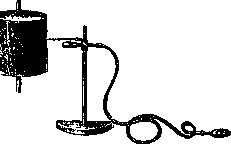
(otherwise they would be destroyed), and the air continuously evaporates, thereby maintaining the remaining air in the vessels at a low temperature.
v. Shutsvkpn.
Related articles
Mentioned in
Cite this page
“Air.” Soviet Medical Encyclopedia. English translation of Bolshaya Meditsinskaya Entsiklopediya, 1st ed. (Moscow, 1928–1936), ed. N. A. Semashko. https://sovietmedicalencyclopedia.pages.dev/article/air/