Dust
Historical document, translated for reference. It reflects medical knowledge of the 1920s–30s and is not medical advice.
Summary
This article defines dust as finely divided solid matter suspended in or settling from the air, discussing its physical properties, classification by particle size, and chemical composition. It covers historical scientific perspectives on dust, including classifications by Nägeli and Gibbs, and provides data on the composition of dust in various environments such as streets, homes, and industrial settings.
Encyclopedia article (1928–1936)
DUST. Atmospheric dust. Dust is the finely divided state of any solid substance in the form of particles that are not mechanically bound or are only very weakly bound to each other. These particles are more or less easily lifted into the air and are capable of remaining suspended in it or settling out of it under the influence of gravity or electrical attraction to a surface. Modern physical chemistry also classifies as dust the minute particles of liquid substances (e.g., water, oil) suspended in the air. According to this terminology, fogs and clouds could be classified as dust. The case of finding small particles of a substance in a suspended state in a gas corresponds to a system bearing the term aerosol ("dust in air"); the case of an accumulation of dust due to settling on a surface, where the gaseous phase is comparatively small in relation to the solid, corresponds to a system defined by the term aerogel ("air in dust"). Dust can be considered from several points of view: 1) by the size of the particles, 2) by their shape, 3) by chemical composition, 4) by solubility, 5) by their relationship to the animal organism. The old classification of dust, by Nägeli, divides dust by size into: 1) coarse dust, visible to the naked eye, 2) dust visible only under lateral illumination by a sunbeam, and 3) dust invisible to the naked eye but visible due to the condensation of water vapor on its particles and the formation of fog. A newer classification of dust, by Gibbs, is based on its properties of settling and volatility. According to it, dust in an aerosol state (suspended in the air) is divided into 3 categories: 1) "Proper dust" with particles larger than 10-3 cm in diameter; in still air, they settle with a gradually increasing speed and do not disperse in it (do not diffuse). 2) "Clouds" or "fogs" with particles from 10-3 to 10-5 cm (from 10 to 0.1 μ) in diameter; in still air, they settle at a constant speed according to Stokes' law depending on their size and are also incapable of dispersing in the air. 3) "Smokes," consisting of particles from 10-5 cm and smaller (0.1 μ and smaller). They are in constant Brownian motion, are completely incapable of settling in still air, and are capable of diffusion within it. This differentiation of dust is schematic; in reality, one does not, of course, observe only "smokes" or "clouds." The properties of settling and volatility of dust depend on a combination of many factors: the specific weight of the dust particles, surface area, shape, their humidity, electrical state, and temperature. On the other hand, the phenomena of settling and diffusion also depend on the surrounding air, its density, movement, electrical state, etc. Lehmann found that street dust has a diameter on average of 15–20 μ (maximum 950 μ-threads and 310 μ-fragments, minimum 1.5 μ); coal dust on average 125 μ (maximum 700 μ, minimum 1.5 μ); wood dust on average 10 μ (maximum 420 μ, minimum 3 μ); cement dust on average 16 μ (maximum 130 μ, minimum 3.1 μ). According to Gibbs, tobacco smoke has an average diameter in centimeters from 1.5 x 10⁻⁶ to 1.0 x 10⁻⁶; oil smoke from 1.0 x 10⁻⁶ to 5.0 x 10⁻⁷; atmospheric fog from 1.4 x 10⁻³ to 3.5 x 10⁻³. Sometimes the composition of dust is determined in percentages of particles of different sizes; for example, coal dust, according to data from the U.S. Bureau of Mines, contains 22.5% dust at 60 μ, 14.9% at 50 μ, 11.9% at 40 μ, 21.3% at 30 μ, 16.7% at 20 μ, 7.5% at 10 μ, 3.8% at 5 μ, and 1.5% at 2 μ. Smoke from a factory chimney (brown coal)—13.3% at 70 μ, 19.6% at 63 μ, 67.1% at 6.3 μ. By chemical composition, the dust of field air consists of 65–76% mineral substances and 24–35% organic (combustible) substances; street dust contains up to 45.2% organic substances (Orlov). The latter consist mostly of horse manure, grains, hairs, plant particles, clothing fibers, starch, yeast cells, mold spores, bacteria, etc. At the same time, the air of fields contains more yeasts and molds, while the air of dwellings contains more bacteria. In Amsterdam, dust contains 22.5% organic substances, 26.5% coal, 49.5% quartz, and 1.5% water (Alner). Dust of the air of a clean room in London: 52.6% organic substances, 9.7% iron oxide, 6.2% calcium oxide, 21% quartz, 6.19% H2SO4 and HPO3, and 4.4% water. In winter in rooms (according to Erisman), organic dust predominates, and in summer, due to more frequently opened windows, mineral dust predominates. In dry rooms, dust contains 2–8% water, in damp ones—up to 18%. In moist dust, pathogenic agents retain their viability more easily, and fermentation processes occur more easily with the release of insignificant amounts of H2S, NH3, CO2, and odorous organic substances. In Kharkov, in dust and soot during the winter of 1928–29, up to 26% combustible substances were found, including 7% soot and 74% mineral substances (of which 4.6% was sulfuric acid and 0.21% chlorine).
The essence of dust formation always boils down to the disintegration of a solid (or liquid) substance by applying mechanical force that breaks the cohesion of particles (wind, waves, the current of rivers, streams), as well as the application of various energy processes for grinding materials in the extractive and manufacturing industries. Combustion processes in factory and domestic furnaces are perhaps the most important source of solid air pollution in populated areas. The settling speed of particles in calm air is proportional to the specific gravity of the particles and the square of their radii; for example, sand grains with a specific gravity of 2.5 and a radius of 0.1 mm fall at a speed of 2 m per second; the fall of smoke particles with a radius of 0.25 mm over the same distance would require 30 days. However, the shocks from gas molecules exceed this falling velocity and prevent it. Therefore, dust particles of negligible size do not fall and can remain suspended in space for an unlimited time. An increase in the temperature of the gaseous medium facilitates the floating of dust particles in calm air, as it accelerates the movement of gas molecules; cooling promotes settling. The phenomenon of falling can change significantly under the influence of electricity; it can strengthen the action of gravity and accelerate the settling of dust particles. A very important consequence of the increase in specific surface area is the strengthening of adsorption by this surface, so that each dust particle is a kind of planet surrounded by its own atmosphere, reaching significant pressure near the surface, and this shell can be torn off only with great difficulty. These gas shells interfere with the enlargement of dust particles and their settling. Such an aerosol is more stable. Thanks to them, aerogel acquires the property of fluidity, with dust particles as if sliding over each other. Electric charges can paralyze this insulation under certain conditions of dust concentration and temperature, resulting in flocculation and the precipitation of dust. This explains the precipitation of smoke in chimneys, the formation of smoke from zinc oxide vapors, etc. An increase in temperature hinders flocculation, while a decrease promotes it. The chemical reactivity of dust particles increases greatly due to the increase in specific surface area. High reactivity promotes the oxidation and even ignition of such atomized substances as iron, lead, and aluminum. Substances that are difficult to burn without grinding, when pulverized and atomized in the air, sometimes ignite with an explosion (see below - Industrial dust). High humidity makes it difficult for dust to rise into the air and thereby prevents explosions. Therefore, wetting floors in rooms where dusty substances are stored is a reasonable measure against explosions. A significant admixture of mineral, for example, clay or silicate, dust (not less than 50%) paralyzes these explosions. It has been further established that the discharge of smoke or gases from motors is accompanied by an electric charge, just as the exit of steam from a narrow slit is. This explains cases of spontaneous gas explosions, sometimes leading to very serious consequences. The best remedy against them is the grounding of parts in contact with dust streams and the construction of these parts from dielectric materials. The phenomenon of water vapor condensation on dust particles, and consequently the formation of fogs, rain, and snow, is also closely related to the electrical state of dust particles. If the air is close to saturation with respect to water vapor, the introduction of fine dust into it immediately leads to supersaturation on the surface of the dust particles and to the formation of fogs. Tyndall proved with classic experiments that without dust there would be no formation of precipitation. Aitken called these vapor condensation particles condensation nuclei. Strong dustiness and smoke in the air lead to an increase and greater frequency of fogs in a given area. Owens attributes such an abundance of fogs in London entirely to the industry heavily developed around it. Good air contains about 10 x 105 condensation nuclei per 1 cm3, the air of the central streets of Vienna - 4 x 10⁶, tobacco smoke - 3 x 10⁷. Such condensation nuclei include grains of flower pollen, spores, smoke particles, sand grains, etc. Wilson proved that the formation of fog is possible even without dust, but on the condition of air supersaturation with water vapor by 4 times on negatively charged gas ions and by 6 times on positively charged ones. From this follows the enormous importance of dust for the natural lighting of cities and for ultraviolet radiation (for example, in Leningrad, diffuse radiation is 60% less than in Slutsk; in London, ultraviolet radiation is 2 times less than in its suburb Hampstead, and 30 times less than in the Fordsgem sanatorium). Dust is very common in nature. In general, it is a layer extending from the earth's surface to a height of 7 km, with a gradual decrease in the size of its particles and their content in the same volume of air. Wiegand, during 14 aerial ascents with an Aitken instrument, determined on average the following quantities of dust particles at different altitudes. Altitude: 100 - 1,000 - 2,000 - 3,000 - 4,000 - 5,000 - 6,000 m, number of dust particles: 45,000 - 6,000 - 700 - 200 - 100 - 50 - 20. Observations of dust in Magdeburg showed that over the city in a layer of air 50 m thick on an area of 1 km2, there are 150 kg of dust. In Kharkov, Uglov and Boltina in the winter of 1930 determined the fallout with snow of 310 tons per 1 km2 per year of solid air pollutants; in Leningrad, Uglov, Adamova, Ramm, and Markaryan - more than 500 tons (1931). In London, Owens, Cohen, and Ruston determined the fallout in 1916 to be 382 tons, in 1924 - 227 tons; in Glasgow, the same authors - in 1916 - 432 tons, and in 1924 - 288 tons (per 1 km2 per year). The existence of cosmic dust in the atmosphere due to the eruptive activity of the sun and meteor showers, into the sphere of which the earth falls on its path, is also undoubtedly true. Volcanic dust after strong eruptions has more than once enveloped the earth for many days and months, darkening the sun and causing a peculiar coloring of the sky. The falling of rain and snow colored by a large admixture of dust from mineral substances, plant and animal organisms, has also occurred more than once. With dust, thousands of kg of chlorine and sulfuric acid fall, suppressing vegetation, ruining buildings and machines, especially internal combustion engines. According to Owens' experiments, chlorine and sulfuric acid, settling on vegetation and being washed off with dust by rain, suppress vegetation. For example, sulfuric acid in a dilution of 1:16,000 suppresses the growth of timothy grass, and 1:10,000 stops it completely. The quantity and quality of dust change depending on location, time of year, and weather. In Potsdam, an average of 23,200 dust particles per 1 cm3 was found, on the summit of Mount Rigi (1,980 m) - 421-1,305, over the Atlantic Ocean - 1,130 dust particles. Aitken's observations proved that after dry weather the number of dust particles reaches 130,000, and after rain it drops to 32,000 dust particles per 1 cm3. At the mouth of the Weser, the number of dust particles with a wind from the land reaches 4,660, with a wind from the sea it drops to 1,795. Early in the morning a minimum is observed, and in the first hours after noon - a maximum of dust particles. In cities on unpaved streets there is more dust than on paved ones; of the latter, there is more dust on streets paved with cobblestones; on cobblestones there is more than on streets paved with stone blocks; the least is on asphalt-paved streets, all other conditions being equal (Adamova). For the streets of Leningrad, she found the number of dust particles to be in the order of 500 to 2,600. In dwellings, the amount of dust is significantly higher. Aitken found in a room at a height of 1.2 m above the floor 1,800,000 dust particles per 1 cm3; under the ceiling at the same distance - 5,220,000. Determining dust by weight per 1 m3, they found 4.5 mg in an open field after a drought, and 0.25 mg in normal time; in quiet open places near industrial enterprises - 0.5 mg, for street dust as an upper limit - 6 mg. Lehmann believes that an amount of 5 mg per 1 m3 should be considered moderate, up to 10 mg - tolerable, up to 20 mg - unsatisfactory, over 30 mg - dangerous. The method of cleaning premises has a great influence on the dust content, as does the presence of furnishings. In schools whose floors are lubricated with fluorite, the amount of dust is measured in mg, whereas before lubrication it was in tens of mg. Wet cleaning gives better results than dry; vacuum cleaners are better than wet. In rooms with upholstered furniture, there is more dust than in rooms with hard furniture. Regarding bacterial contamination, the dust of medical institutions is in first place; they are surpassed only by the dust of poorly maintained dormitories. Hospitals are followed by schools and living rooms, streets, and finally fields, forests, seas, and mountains. Mountain air at an altitude of 3-4 thousand meters is almost devoid of microbes (Pasteur and Flemming). Even at an altitude of 1,000 m above large cities, their quantity is negligible. In the summer dry months, the number of bacteria is the highest (in Paris in July and August 705-12,285 per 1 m3); in winter it is the lowest (in February 285-5,230). The air of parks and gardens is poorer in them than the air of streets; Adamova found 105-110 dust particles in the depths of the Leningrad Park of Culture and Rest (see Green Plantings).
Despite such a significant, at times, content of microbes in the dust of premises, pathogenic microbes are nevertheless usually not found among them, or their presence is only very short-lived and transient (see below: dust infections). Stern found that 90% of the dust of residential premises, once raised into the air, settles to the ground within 5 minutes in the form of larger and heavier particles. About 3/4 of the finer dust settles within the first half-hour. Consequently, air in a state of rest clears quite quickly. Only the finest dust, visible only in direct sunlight, is carried from place to place for a relatively long time by weak air currents. Flügge proved that for this dust to be raised, a wind speed of 0.3–0.4 mm per second is sufficient; horizontal movement is possible even at a speed of 0.2 mm per second. These dust particles settle only after 4–6 hours; by weight, they constitute a very insignificant part of all the dust in residential premises. Ordinary ventilation frees a room only from this dust and the germs associated with it. Only those bacteria that are resistant to drying can be spread by dust. The volatility of dust, given the same particle size, depends on its humidity and the speed of air movement. Moist, heavy dust can be raised only by strong air movement, especially since moist dust particles form larger agglomerates. In particular, depending on the varying resistance of microbes to drying, winds of different strengths are necessary to carry living germs through the air (see below: dust infection and air). The fate of dust that has entered the body, according to Lehmann, is expressed primarily by the fact that only a small part of it is exhaled back. This amount ranges from 7% to 10%. During nasal breathing, up to 50% is retained in the nose. Of this, a part is swallowed, and a part is removed by blowing the nose. No more than 50% enters the lungs, apparently even significantly less; during mouth breathing, more than 50%. In experimental animals, Lehmann found 10% to 30% in the stomach and intestines. Regarding the effect of dust on the respiratory tract and respiratory organs and the corresponding pathological anatomical changes in them, see Anthracosis, Bronchitis, Pneumoconioses. A significant amount of dust is introduced into the mouth by dirty hands with food. In addition to the effect on the respiratory organs, one should mention the harmful effect of prolonged stay in a dusty atmosphere on the eyes, in the sense of the ability to cause phenomena of conjunctivitis, less often keratitis. It is even possible, in a strong wind carrying sharp quartz or coal dust, to suffer injury to the cornea. Finally, dust can be the cause of skin diseases. Measures recommended for the fight against dust are very diverse. Many of them relate to urban improvement in the broadest sense of the word. The basic requirement here is the expedient location and planning (see) of settlements. Furthermore, it is necessary to strive for such a technique of factory and plant production that is associated with the least possible amount of dust, gas waste, and smoke. Electrification of production based on the use of water energy or wind power, or by converting solar energy directly into electricity (with the help of giant photocells), should play a huge role in the near future in the fight for clean air in cities. Improvement of smoke combustion in furnaces by dissociating water vapor and improving the ratio between fuel and air, improvement of the design of furnaces and stoves, as well as smoke collection according to the Cottrell-Möller method (by electricity), should also be recommended. Centralized heating of dwellings in cities will be the best way to eliminate air pollution by domestic stoves, which provide from 30% to 75% of solid air pollutants. Paving (see), cleaning of populated areas (see), and the maintenance of dwellings are of great importance for the fight against dust. Undoubtedly, a mass of dust is brought into dwellings, offices, canteens, etc., from dirty and dusty streets on shoes and clothing. Therefore, the installation of devices for cleaning shoes in the form of scrapers, and mats and brushes in vestibules, should become mandatory, as well as the removal of galoshes and outerwear. Dwellings, public places, and floors in them should be arranged so that they are easy to clean. It is highly recommended, especially in schools and barracks, to lubricate floors from time to time with oils, e.g., the patented 'fluorite'. Books and archives also usually serve as reservoirs of dust, so they should be kept in cabinets or on shelves. An important condition for the fight against dust is expedient furniture (see). Ventilation also occupies a definite place as one of the methods of fighting dust. However, it must be borne in mind that a huge mass of dust is too heavy to be raised into the air by those currents that are usually characteristic of the ventilation of residential and public buildings (not exceeding 2 m/s), while at the same time 'sun dust' and droplets smaller than 10 μ (see above), i.e., precisely the dust that penetrates most deeply into the lungs, can undoubtedly be removed by ventilation, especially by so-called 'cross-ventilation', which occurs when opposite windows are opened. In the field of public struggle against dust and corresponding air pollution in cities, in addition to the above-mentioned communal measures (paving, planting, rational street cleaning, etc.), legislative orders for the sanitary protection of the air must also be put forward. This includes separate legislative orders of some European countries (England, Germany, France) on the fight against smoke produced by industrial enterprises, as well as against gases polluting the air. One of the methods of this struggle is the so-called 'Rules on the Allocation of Land Plots for Industrial Enterprises', adopted in the RSFSR by agreement of the People's Commissariat of Health, the People's Commissariat of Municipal Economy, and the Supreme Council of the National Economy in 1930 (see the journal 'On the Health Front' dated May 15, 1930, No. 16). These rules differentiate in detail the branches of industry from the point of view of their pollution of the air of the surrounding area and indicate the corresponding distances ('gaps') to residential quarters (see Planning). Corresponding rules, also issued in development of the law of August 1, 1932, 'on the arrangement of populated areas', regulate the distance and allocation of plots for hospitals, sanatoriums, schools, canteens, etc. ('protective zones'). Legislation on the fight against smoke and dust should simultaneously set requirements for the rationalization of the production process itself (smoke combustion, gas collectors, etc.).
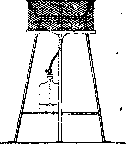
The study of dust is carried out from very different points of view and by various methods. For the purpose of testing filters, the Coal Dust Committee of the State Coal Council and the Committee on German Industry Standards have developed and introduced into practice sieves for differentiating dust by size. A normal sieve has a diameter of 200 mm, its height is 25–50 mm. For coal dust, which is the most common in industry, the following sieves are used: 900, 2,500, 4,900, 6,400 holes per 1 cm2; the corresponding wire thickness: 0.11–0.075–0.055–0.050 mm, and the hole diameter: 0.230–0.128–0.095–0.075. In addition, dust differentiation is carried out by sedimentation: dust is suspended in some liquid and the speed of its sedimentation is observed. The amount of dust can be determined by nephelometry. Dust is suspended in ether or acetone, and the turbidity is compared with standard samples with a certain content of the same or similar dust. Even with the naked eye, it is possible to determine the difference in content from 1/2 to 1/10 mg. Having a standard suspension, e.g., soot, one can determine its content without weighing. The morphology of dust is studied with the help of a microscope and staining with special reagents. The counting of dust particles in a known volume of air is called the konimetric method (see Konimeter and Aitken's konimeter). In gravimetric determination, the amount of dust deposits over a known time is determined using a device with a certain horizontal surface, greased with oil, protected from the sides by sloping walls, and placed in an open place (Lifman). From this method, the determination of dust, officially introduced in England, has developed. The device is called 'New Stone-ware gauge'. Figure 1.
consists of a flat clay enameled funnel with vertical walls, surrounded by a vertical wire mesh (Fig. 1). For a significant period (e.g., a year), it gives accurate readings as an average of many numbers. For determining the hourly amount of dust, the British Air Ministry has introduced the automatic Owens apparatus. Its essence consists in the fact that equal amounts of air are sucked through a filter paper disk, rotated by a clockwork mechanism, by means of a water pump; the resulting spots are compared with a standard. Miquel's coniograph and Birchers' coniograph were based on this same principle; the blackness of the spots obtained over a certain time is compared with a coniometer. For the gravimetric determination of dust by weighing, absorbing liquids are used, most often water, sometimes linseed oil, liquid paraffin. Palmer's tube (see) is widely used. For retaining dust, filtration through solid substances is also used: cotton wool, asbestos, paper filters, Soxhlet thimbles, flannel filters, sugar, etc. Paper filters serve for colorimetric determination (for black dust on white paper, for white dust on black). Ascher's device for determining soot in the air (see Smoke) is based on this. For absolutely complete retention of dust, Seitz asbestos-cellulose filters of the smallest diameter in an appropriate metal frame (Uglov) are also used. Various suction speeds are used. Low speed allows for the determination of only the finest dust (Recknagel). Americans develop speeds up to 7,000-10,000 liters per hour, which gives more accurate results for heavy dust. If, however, the amount of dust absorbed during breathing is determined, then a speed of 775 to 1,000 liters per hour is used. Lehmann, following Recknagel's idea, proposed inserting dried and weighed tubes with cotton wool into the subject's nose and making him exhale for 30 minutes through the mouth and a gas meter. The same principle is present in A. Burshtein's device. Chemical examination of dust consists of determining the water, ash, and combustible substances in it. The dry residue is obtained by drying at 105°, but Hertz and Obermiller believe that this temperature decomposes some unstable types of dust and filtering materials and recommend a drying temperature of 85° to 90°. The reaction of dust is determined by placing moist litmus paper on the dust or by preparing a thick emulsion of dust in distilled water. The soluble part in ether, alcohol, alkali, and acid is studied. To clarify the biological significance of dust, its solubility in CO2-saturated physiological NaCl solution (0.8%) is determined. Mineral analysis is performed for acids (HCl, H2SO4, H2SO3, HNO3), for free chlorine, NH3, and CO, as well as the determination of metals. During mandatory microscopy, microchemical reactions are also performed to determine the nature of plant and animal fibers, e.g., using chlor-zinc-iodine, dilute picric acid, and ammonium sulfate for wood. Some aluminas are well stained only by acidic dyes; they are also used for carbonate salts; a solution of copper acetate and saltpeter is used for lead. The shape and size of dust particles are studied by microscopy. Sometimes, by microscopy, it is possible to determine the transport of dust from remote places. Owens in this way found dust in England from Hamburg, in Europe dust from America was found, and in Switzerland from Africa. Methods have been proposed for the electrical measurement of dust content in the form of small electrical gas purifiers. Greinacher found that dust and smoke greatly influence the voltage characteristic towards its increase, because with an increase in dust in the air, there is a decrease in transparency, a weakening of ionization, a decrease in conductivity, and an increase in potential. For this, a device, the so-called differential ionimeter, consisting of two vessels, has been constructed. One is tightly closed for ionization, while the other is connected to the air under study. The change in potential at a certain time serves as a measure of the turbidity of the air from dust. The well-known Gerdien device can successfully serve this same purpose. For example, in Potsdam, the conductivity in normal time in electrostatic units (λ) = 0.9x10^-4, while during thick fog it is 0.03 x 10^-4. Bacteriological study of dust in the air can be qualitative and quantitative, and by methodology, microscopic, cultural, and biological. One should distinguish between the study of dust suspended in the air and settled dust. For the first purpose, the Hesse method with a gelatin tube and a water aspirator was previously used. It was modified by Pavlovsky in that the tube was made elbow-shaped with stoppers at the bends. Also rarely used now is the Petri method with a short glass tube filled with sterile sand and a piston pump of 500 cm3. Ficker gave the glass tube the shape of a lamp chimney, proposed glass beads instead of sand, and an elastic rubber bulb of a certain capacity instead of a pump. Since plating sand and beads onto gelatin is inconvenient, Miquel replaced the sand with sterile sodium sulfate. The suction speed should be 1 liter in 2-4 minutes, the air volume 50-100 liters. One can successfully use Palmer's sterile tube, making cultures from a certain volume of liquid after its uniform mixing. Air aspiration is performed by a water aspirator from bottles or a tilting metal one. Recently, Prof. Diakonov proposed a device that gives good results and is a filter in which beads are placed at the bottom and 30-50 cm3 of sterile water or broth is poured. The liquid is introduced through a tube passed through the beads to the bottom. Another tube ends under the stopper and serves for aspiration. For plating on a Petri dish, a certain volume is taken. Before plating, it is necessary to break up the dust particles by shaking the cylinder, otherwise a group of microbes sitting on one dust particle will produce one colony, and the number of microbes will be lower. The gelatin is kept for 5 days at 22°. Air suction is performed at a speed of 500 liters per hour, as in quiet breathing, with a water aspirator from bottles or, better, a tilting metal one. At least 100 liters must be sucked through. However, methods with air suction do not give accurate results corresponding to the actual distribution of dust bacteria in the air, just as they do not for dust particles. The reason for the error lies in the currents and vortex movements of the air forming near the opening of the tubes, and the results depend on the specific gravity of the dust particles, on the one hand, and the suction speeds on the other (slow suction captures only light dust particles). More accurate results are obtained by the method of dust sedimentation from a certain volume of air. It has been proposed for comparative evaluation to also expose open Petri dishes with a certain surface area for 5-10 minutes. According to Omelyansky, the number of bacteria that have settled in 5 minutes on 100 cm2 corresponds to the number of bacteria in 10 m3 of air. In the USA, this method is still used. R. Koch had already proposed using sterilized glass cylinders of a certain volume, plugged with cotton wool, to the bottom of which a solid nutrient medium was previously poured. The cylinder was opened for 5-10 minutes in the air under study and then placed in a thermostat. Kowalkowski proposed tightly filling the entire cavity of the cylinder with a wooden stopper that does not reach the nutrient medium by 2-3 mm. During the experiment, the wooden stopper was removed, and its place in the corresponding volume was replaced by air; then the glass was tightly closed with a lid, the entire inner surface was coated with meat-peptone gelatin, and the device was left at 22° for 3-5 days. This device can be replaced by two liter beakers that fit tightly into each other so that the inner one does not reach the meat-peptone gelatin poured into the outer beaker to a depth of 1/2 cm. The inserted beakers are tightly closed with a Petri dish and sterilized. In the room under study, the inner beaker is removed; the volume of air entering in this process is equal to the volume of the removed beaker. The lid is immediately placed on and sealed with paraffin; the surface of the beaker is coated with uniformly melted (at 37°) gelatin by rotating it around its axis (Uglov). All these methods have the disadvantage that a very small volume of air is taken for the study, and furthermore, each dust particle carries a mass of germs that germinate together, thereby reducing the results. Bacteriological study of settled dust is performed by removing it from the surface with a sterile cotton swab into a weighed sterile weighing bottle. The weight is determined by the difference. A certain volume of sterile 0.8% NaCl solution is poured in, mixed well, closed with a lid, and 1 cm3 is taken from here with a sterile pipette for plating on one or another nutrient medium. To determine pathogenic germs, one can use the same emulsion by plating it on appropriate nutrient media, in.
Angle. Industrial dust. The criterion for grouping various substances that enter the air in the form of dust under the influence of a production process under the term "industrial dust" is a physical characteristic: their finely divided state in the air environment; however, not all substances encountered in the air of work premises in a dusty state should be evaluated as industrial dust from an occupational hygiene point of view. It is completely incorrect, for example, to consider lead and its powdered compounds, arsenic, chromium, etc., poisonous substances only as a variety of industrial dust, although they, entering the air in a pulverized state, may fit the concept of "dust" from a physical point of view; the decisive moment determining the place of this kind of substance in the range of occupational hazards is not their physical state, but their chemical properties. To the category of industrial dust as a special group of occupational hazards, one should refer only to those substances in a finely divided state, the effect of which on the organism is basically and primarily conditioned by this very state. Dust as an occupational hazard. The serious significance of industrial dust as an occupational hazard is determined primarily by the extreme prevalence of dust-generating production processes and operations. Numerous processes are associated with the formation of dust, where powdered and granular substances serve as the object of production—raw material, semi-finished product, or finished product (e.g., paint production, milling, production of cement, concrete, asphalt, coal briquetting, manufacture of artificial grinding materials, etc.), or where dust is a by-product (e.g., processing of fibrous substances, wood, stone, grinding and polishing of products, etc.). In all these and similar processes, dust is formed mechanically: by impact, grinding, milling, etc.; the process of mechanical grinding of a substance is especially sharply expressed during the formation of dust by explosion, which takes place during stone mining, coal mining, and other mining operations. The multiplicity of processes associated with dust formation corresponds to a great variety of types of industrial dust. The simplest classification, into which all types of industrial dust fit, reduces them to the following groups: I. Organic dust with subgroups: a) vegetable (wood, cotton, flour, flax, etc.); b) animal (wool, bone, hair, horn, etc.). II. Inorganic: a) mineral (quartz, marble, lime, porcelain, etc.); b) metallic (iron, steel, etc.). III. Mixed (e.g.: emery + metallic—during the sharpening and grinding of metal products on emery stones; coal + quartz—during coal mining; cotton + earthen—during the primary processing of cotton; grain + sandy—when working with grain in mills, elevators, etc.). The second point that elevates industrial dust to the rank of occupational hazards of primary importance is the variety of effects that various types of industrial dust are capable of exerting on the organism of workers. Here, in the foreground is the enormous role of industrial dust in the etiology, pathogenesis, and course of diseases of the respiratory tract. Simultaneously with this, various types of industrial dust are capable of exerting a very significant pathological effect on a number of other organs and systems—on the skin, eyes, ears, teeth, and the gastrointestinal tract. Furthermore, industrial dust can play a noticeable role in the emergence and spread of infectious diseases—anthrax, fungal diseases, etc. Some types of industrial dust, possessing the ability to explode under certain conditions, often serve as the cause of fatal accidents and severe injuries. These diverse effects of industrial dust are closely connected both with the physical-chemical properties of its various types and with its quantitative content in the air of work premises. Properties of industrial dust and their hygienic significance. The most important characteristic of an air-dust mixture, playing a primary role both in relation to the behavior of dust in the air and its fate in the organism, is its dispersity. The degree of dispersity, the indicators of which are the sizes of dust particles suspended in the air, exerts a very strong influence on the physical-chemical properties of the dust aerosol that are characteristic and important in a hygienic respect (mechanical, electrical, physical-chemical activity, etc.) and, first of all, on the ability of dust particles to remain in the air, which has enormous hygienic significance in view of the decisive role that the stability of the dust aerosol plays in relation to the degree and nature of air pollution by dust (see above). Based on the laws of particle motion in a gaseous medium, Gibbs proposed a classification of aerosols encountered in industry (see above) and, including industrial dust, basing it on the degree of dispersity of the system. In a concrete production environment, the conditions for the settling of dust particles are complicated by the presence of additional factors—the non-spherical shape of particles, characteristic of very many types of industrial dust, convection currents, the movement of people, machines, etc. In most cases, at least for dust particles of the second group according to the Gibbs classification, these factors act in the direction of a longer retention of dust particles in a suspended state. Non-spherical particles always fall in a position in which they encounter the greatest resistance (Gibbs), and, all other conditions being equal, are therefore held in the air longer than spherical particles. For small dust particles, a negligible upward movement of air is sufficient to lift them again during their fall and keep them suspended. In relation to ultramicroscopic dust particles, the mobility of the air can, however, have the opposite effect: being in continuous motion, they collide with each other in moving air significantly more often than in a calm environment, which creates conditions for their easier aggregation, coagulation, and, consequently, their faster settling from the aerosol. The following data characterize those degrees of dispersity of industrial dust that are actually encountered in the air of work premises of "dusty" industries. Table 1 (an excerpt from the extensive material of Khokhryakov) gives an idea of the degree of dispersity of various types of industrial dust based on the measurement of particles that have settled from the air of factory premises onto horizontally placed plates (sedimentation method). The characterization of the sizes of dust particles settling from the air of work premises onto horizontal plates is also given by Table 2 (Logvinskaya and Shakhvazyan) and Table 3 (Pik, Brumshteyn, et al.). The average sizes of various dusts, derived on the basis of processing numerous preparations obtained by the same method directly in production, are presented in Table 4 (Karminskiy). The figures provided give a significantly greater opportunity to judge the falling dust than the dust suspended in the air; the typical sizes of the latter must obviously characterize Table 1. Percentage content of particles. Enterprise. Place of sampling. Total. 1-2 μ. 2-8 μ. 7-10 μ. Up to 10 μ. 11-40 μ. 100 μ. Maximum size. Composition of dust. Gem factory. Grinding of products on carborundum stones at the level of workers' breathing. 18.9. 73.3. 7.0. 99.2. 0.8. Mineral dust: malachite, jasper, carborundum. Same, above the workers' heads. 29.0. 64.0. 6.5. 99.5. 0.5. Ultramarine production. At seeders at breathing level (1.8 m from floor). 14.6. 30.1. 26.7. 71.1. 27.8. 0.8. Mineral dust: ultramarine. Same, at the height of the transmission shaft (1 m from floor). 18.1. 32.7. 25.8. 76.6. 23.4. "Kanat" factory. Hemp-combing department (1.5 m from floor). 51.18. 11.93. 11.71. 75.12. 18.63. 6.31. Mixed: hemp and soil. Same (0.6 m from floor). 56.7. 11.5. 10.1. 76.6. 17.6. 2.9. Spool factory named after Volodarskiy. At the steering wheels at breathing level. 64.4. 18.7. 11.0. 93.1. 23.8. 1.8. Wood—with an admixture of glass, sand, and emery. "Krasnyy Letchik" factory, joinery. Between the band saw and the planing machine 50 cm above the head. 22.11. 31.75. 20.51. 71.7. 24.33. Wood—with an admixture of soil. Table 2. Enterprise. Percentage content of particles in preparations. Composition of dust. Obtained by sedimentation method. Obtained by screening method. Up to 1 μ. 1-5 μ. 5-10 μ. Above 10 μ. Up to 1 μ. 1-5 μ. 5-10 μ. Above 10 μ. Stone-processing factory. 71.0. 20.0. 6.0. 3.0. 71.8. 19.6. 6.0. 2.6. Stone. Lime department of sugar factory. 52.8. 35.8. 7.4. 4.0. 56.8. 36.8. 4.2. 2.2. Lime. 71.9. 16.2. 7.9. 4.0. 66.3. 22.1. 6.9. 4.7. Grain. 87.0. 10.0. 2.2. 0.8. 85.2. 6.9. 4.2. 3.7. Tobacco. 61.8. 23.9. 9.2. 5.1. 75.8. 16.6. 3.8. 3.8. Wood. Woodworking factory. 4.2. 2.2. 3.8. 1.2. 3.2. 4.7. 9.2. 8.3. 2.8. 3.9. Production process. Percentage content of particles in preparations. Obtained by sedimentation method. Obtained by screening method. Up to 2 μ. 2-10 μ. Above 10 μ. Up to 2 μ. 2-10 μ. Above 10 μ. Dry internal and wet uninsulated grinding. 73.6. 23.2. 3.2. 83.7. 14.5. 1.8. Insulated wet grinding. 92.0. 6.6. 1.1. 88.9. 9.1. 2.0. Wet sharpening of files. 91.6. 7.5. 0.9. 79.6. 17.2. 3.2. 85.8. 12.9. 1.3. Table 4. Type of dust. Number of dust types. Number of preparations. Average size of dust particles (in %). 2 μ. Up to 5 μ. 10 μ. Up to 25 μ. Up to 50 μ. 100 μ. Over 100 μ. Mineral. Metallic. Vegetable.
are characterized by smaller indicators. This is confirmed by materials characterizing the sizes of dust particles captured on plates placed vertically (the shielding method). Thus, in preparations obtained in this way at an emery-mechanical plant, the greatest number of dust particles have sizes of 3 μ and below, and not a single particle larger than 20-40 μ was found (Petrova); a similar picture is given by the "dust formulas" of tables 2 and 3 (shielding). Table 5 demonstrates data obtained by the electrical precipitation method (Adamov). All these materials testify to the fact that the dustiness of the air in work premises in the overwhelming majority of cases occurs due to particles of small sizes—on the order of 10 μ and below. Sizes above 10 μ are encountered significantly less frequently, while large dust particles on the order of 40-100 μ and above are encountered only as isolated specimens. As for the connection between the degree of dispersion and the fate of industrial dust in the organism, especially in the respiratory tract, it has been established that only dust particles of a certain caliber—on the order of 0.25-10 μ—are capable of entering the alveoli and deep into the lung tissue. Particles larger than 10-12 μ have almost never been found in lung tissue. Likewise, the most thorough micro- and ultramicroscopic analysis has not detected dust particles smaller than 0.25 μ in lung tissue. Obviously, the reason for the failure of large particles to enter the lung tissue is that these dust particles, due to their rapid settling, either do not enter the stream of inhaled air at all or fall out of it before it reaches the alveoli. The non-finding of ultramicroscopic particles in lung tissue should apparently be attributed to their participation in continuous Brownian motion, as a result of which they practically do not settle from the air at all and, moving with the air stream into the alveoli and back with every breath, do not adhere to the walls of the latter. Mavrogordato evaluates the pathological significance of the degree of dispersion of industrial dust for the lungs as follows: a) large particles are relatively harmless to the lungs; b) small particles (0.25-10 μ) are dangerous to the lungs if the dust, by its composition, is capable of causing pneumoconiosis; c) the smallest particles (below 0.25 μ) are relatively harmless to the lungs. This point of view on the role of ultramicroscopic particles in dust pathology of the lungs has recently found confirmation in the experiments of Weber, who showed that highly dispersed particles of a lead-air mixture (on the order of 0.5 μ and below) are adsorbed less in the deep respiratory tract than coarsely dispersed ones. However, in known contradiction with this concept is another property of the smallest particles—their ability to diffuse. Although dispersed dust particles, no matter how small they may be, diffuse more slowly than gas molecules, the question still arises as to whether such particles can penetrate through the walls of the pulmonary alveoli directly into the blood. Thus, the question of the behavior of ultramicroscopic dust particles in the respiratory tract and their pathological significance cannot yet be considered finally resolved. Of great interest is the question of the shape of dust particles and the outline of their edges. In this respect, industrial dust is distinguished by great variety. Microphotograms and microdrawings of various types of industrial dust are scattered throughout numerous works devoted to dust issues. An especially detailed characterization of the morphology of different types of industrial dust is available in the old work of Wegmann, as well as in the newer works of Karminsky and Khokhryakov. Figure 2 presents samples of some typical types of industrial dust, different in shape—from round with smooth edges to variously irregular with the most bizarre outlines. From the point of view of the effect of dust on the organism, the shape of dust particles has a generally recognized important significance in relation to larger particles: dust particles of irregular shape with sharp, jagged edges cause more severe damage to tissues, are more easily embedded in the mucous membrane, and are more difficult to remove than rounded dust particles with blunt or smooth edges. The pathogenetic significance of the shape of small dust particles is currently questioned by the majority of authors on the grounds that small particles themselves possess negligible wounding ability. In a similar position at the present time is the assessment of the hygienic significance of the consistency, or degree of hardness, of dust particles.


Typical sizes are up to 25 μ.
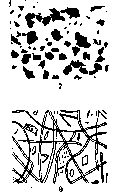
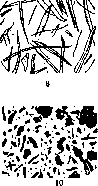
Figure 2. Types of dust according to Wegmann: 1—dust from needle grinding; 2—dust from cleaning castings; 3—glass; 4—slag wool; 5—marble; 6—quartz sand; 7—bronze; 8—coniferous wood; 9—hemp; 10—coal.
Contrary to the previously generally accepted view of consistency as one of the most important factors determining the degree of harmfulness of one or another type of industrial dust, at the present time this property is recognized as important only in relation to large particles; little importance is attached to the consistency of fine particles in view of the extreme insignificance of their mass. Orientation in the shape and consistency of various types of industrial dust is provided by the following classification (mainly according to Lehmann): I. Inorganic dust: a) sharp or, more accurately, sharp-edged hard dust—iron, steel, glass, quartz, carborundum, alundum, emery, granite; b) medium-sharp, hard to medium-hard—limestone, marble, sandstone, porcelain, feldspar; c) round or blunt-edged—1) soft—cement, clay, gypsum, Thomas slag; 2) hard—copper, brass. II. Organic dust: a) sharp and hard—mother-of-pearl; b) sharp and medium-soft—charcoal, wood, horsehair; c) sharp and soft—hemp, flax, cotton, wool; d) sharp and round, hard—coal; e) round, soft—flour, brown coal. A significant influence on the degree of harmfulness of industrial dust is exerted by its solubility in tissue fluids. For the overwhelming majority of types of industrial dust, in view of the mechanical irritation exerted on tissues by dust particles as foreign bodies, which lies at the basis of their action, good solubility plays a positive role: the faster and more completely the dust particles (of course, non-poisonous ones) dissolve upon contact with tissues, the fewer mechanical disorders they cause, and vice versa. (Examples of dusts soluble in body fluids—sugar, flour; insoluble—cotton, horsehair, alundum, carborundum, granite.) For poisonous dusts, as well as for those types of industrial dusts whose action is primarily based on their chemical properties, on the chemical interaction between the dust and the tissue in contact with it, solubility plays the opposite role, intensifying and accelerating the harmful effect of the dust on the tissues. An example is the dust of Thomas slag, which is highly soluble in the tissue fluid of the lungs, the prolonged inhalation of which entails severe occupational pneumonias. Certain properties of industrial dust related to the increase in the surface area of a dispersed body in comparison with its surface in an undivided state have great hygienic significance. If a cube with an edge of 1, i.e., with a surface of 6l2, is divided into n3 equal small cubes, the surface of each small cube will be equal to 6(l/n)2, and the total surface of all small cubes will be 6(l/n)2 * n3 = 6l2n. In other words, if 1 cm3 is broken down into 1,000 cubes with an edge of 1 mm each, the initial surface of 6 cm2 will grow into a total surface of 60 cm2 (6 mm2 x 1,000). If the crushing is brought to a cube side of 0.1 µ, then 1016 particles will be obtained with a total surface of 600,000 cm2, i.e., 60 m2. Such a colossal increase in the surface of the atomized substance entails a sharp increase in its physical-chemical activity, primarily affecting the strengthening of its adsorption capacity. The adsorption of gas molecules by the dust phase has a great influence on the stability of the aerosol: adsorbed gas molecules form protective films around the particles, preventing their mutual adhesion and thereby maintaining the stability of the aerosol; the adsorption of ions of the same sign by dust particles can also play a stabilizing role, while the adsorption of oppositely charged ions by different particles can lead to the coagulation of particles and a decrease in the stability of the system. The enhanced adsorption activity of dust particles acquires particularly important hygienic significance if the atomized substance has the ability to adsorb poisonous impurities of the environment. Coal dust, for example, is capable of adsorbing CO, CO2, and methane from mine air (Kavalerov). The increase in the speed and intensity of chemical interactions between the dust phase and the environment is also associated with the increase in surface area, which lies at the basis of the most important property of some types of industrial dust—explosiveness. Many substances burn relatively easily in the air when in an undivided or coarsely divided state; in a finely divided state, however, these substances, under certain conditions, react so violently with atmospheric O2 that the result can be powerful explosions. The most dangerous in this sense under industrial conditions are coal, flour, starch, and sugar dust; explosive dusts also include wood, bone, cork, cotton, wool, rubber, and some other dusts. A number of conditions influence the occurrence and force of an explosion: 1) Dust concentration in the air. For each type of dust, there is an optimal concentration that produces an explosion of maximum force and speed. For coal dust, for example, it is 112 g, for starch—220 g per 1 m3. At such a concentration, there is enough O2 in the air for the fastest and most complete combustion of the mixture, i.e., for its maximum explosiveness. At higher concentrations, there will not be enough O2 for complete combustion; at lower concentrations, on the contrary, part of the O2 will remain unused; in both cases, the force of the explosion will decrease. On both sides of the optimum, there are limiting concentrations beyond which the mixture ceases to be explosive. 2) Degree of dispersion. The finer the dust particles, and consequently the larger the total surface of the dust phase and the area of its contact with oxygen, the faster and more completely it burns. The rapid spread of an explosion is strongly facilitated by the Brownian motion of the smallest particles. 3) Ash content. The more ash, the lower the flammability of the dust, since ash, as a non-combustible component of the dust, absorbs heat and lowers the combustion temperature. The method of combating coal dust explosions in mines by rock dusting, i.e., mixing inert high-ash shale, lime, or similar dust with coal dust, is based on this property of ash. 4) Humidity. The damper the dust, the higher its ignition point and the more difficult it is to explode, since part of the heat generated during combustion is spent on evaporating moisture. 5) Presence of volatile substances in the dust. Under the influence of an increase in temperature, volatile components are released from the dust particles, which, in the case of their combustibility, contribute to the explosion. The release of flammable gases, for example, during a coal dust explosion, lowers its ignition temperature, thus favoring its explosion. Recently, increased attention has been drawn to the electrical properties of dust aerosols. Dust particles finely dispersed in an air medium usually carry electrical charges. Charging occurs at the very moment of mechanical crushing of the substance: it is also possible that the particles are electrified due to the adsorption of gas ions on their surface. The nature of the charge depends on the chemical composition of the substance. Thus, non-metallic dust and acidic oxides are charged positively; metallic dust and basic oxides are charged negatively. Electrically charged dusts are used for air purification and their subsequent utilization (see Cottrell-Möller method). At the present time, the question of the role of air ionization in stimulating physiological processes is being studied. In light of this problem, the ability of dust particles to bind gas ions by adsorption is of interest. Table 6. Dustiness of air in workplaces (in mg per 1 m3). Enterprise, Department/Shop, Sampling location, Amount of dust, Date of study, Author. Coal mines (Donbass): "Karl" - At the face - 600.0 - Metsatunyan; "Artem" - At the face - 320.0 - Metsatunyan; "Sofya" - At the face - 220.0-322.0 - Metsatunyan; No. 1 (Kadiyevka) - At the face - 283.0 - Metsatunyan; No. 1 (Gorlovka) - At the face - 933.0 - Metsatunyan; Open-pit iron ore mines (Krivoy Rog) - During drilling - 20.0-80.0 - Katsnelson; During borehole blowing - 200.0-220.0 - Katsnelson; Agricultural Machinery Plant (Zinovyevsk) - Fettling - Manual cleaning of large castings - 156.0-160.0 - Gladshtein; Manual cleaning of small castings - 60.0-21.0 - Gladshtein; Plow Plant (Chelyabinsk) - Emery - Turning of plow products - 30.0-65.0 - Sviderskaya; "Amo" Plant (Moscow) - Tool shop - Tool sharpening - 9.9 - Pik, Brumshtein and Kagan; Dry grinding - 4.5 - Pik, Brumshtein and Kagan; Wet grinding - 2.0 - Pik, Brumshtein and Kagan; Fittings plant (Kolomna) - Grinding shop - Dry grinding - 34.4-4.0* - Khotsyanov; Polishing - 25.0-4.5* - Khotsyanov; Machine-building plant (Kolomna) - Fine grinding - 30.0-5.0* - Khotsyanov; Coarse grinding - 50.0-5.0 - Khotsyanov; "Ilyich" Emery-Mechanical Plant (Leningrad) - Milling - At the stone crusher - 68.0-181.0 - Pigulevsky; Roasting - Sifting of flint - 30.0-30.9 - Pigulevsky; State Porcelain Plant (Leningrad) - Foundry - Cleaning of products on a machine - 60.4-34.7 - Pigulevsky; Cleaning by hand - 60.4-34.7 - Pigulevsky; Cement plants (Sev.)
Marly roasting, Clinker discharge from furnaces and loading into carts, 37.0-617.0, 1927-29, Lisitsyn and Fedurkin (Caucasus). Clinker sheds, Various operations, 559.0-1000.0, 1927-29. Clinker mills, 65.0-321.0. Packing, 46.0-146.0, 119.0-648.0, 32.0-119.0. Spinning and weaving factory named after Nogin (Leningrad), Scutching machine, At the large scutching machine, 29.4-29.7, 1926, Pigulevsky. At the small scutching machine, 3.2-3.3. Flax spinning factory (Kokhma), Waste-scutching, At the dust wolf, 332.0. At the card, 6.0-21.9*, 1930, Rekk and Kosourov. At the layout (above the table), 92.8-8.8. At the drawing frame, 25.0-10.7*. Rope factory "New Bavaria" (Kharkov), Twine, Twine polishing, 54.0-7.0*, 1923, Vitenzon. Jute spinning, Jute soaking, 27.0-11.0*. At the drawing frame, 82.0-20.0*. Tobacco factory (Odessa), Sorting, 41.0-4.0*, Bernstein. Cigarette-filling, 41.0-14.0*. Bristle factory named after Krasin (Leningrad), Sorting, At various workplaces, 12.0-29.0, 1926, Pigulevsky. Clean outdoor air, 0.5. Living room, 1.6. * Figures marked with an asterisk were obtained with the operation of local exhaust ventilation.
particle size exerts, as was noted above, a strong influence on the stability of an aerosol. The method of electrical precipitation of dusts, which is now widely used in industry, is based on the laws of motion of charged particles in an electric field, and their [ability to adsorb] on their surface, i.e., to play the role of a factor deionizing the air, acquires special significance. The connection between the electrical charge of dust particles and their fate in the organism is also of great interest, but this question has been very little studied so far.
The chemical composition of the dispersed substance exerts a strong influence on a number of the properties of dust examined above—solubility, consistency, explosiveness, adsorption capacity, and the nature of the electrical charge. Along with this, its irritating effect on the tissues with which it comes into direct contact depends to a very great extent on the chemical properties of the dust. Examples of dust causing strong irritation: lime, soda, tobacco, calcium carbide, quinine; the irritating effect of dust containing resinous substances—pitch, tar, briquette, etc.—is peculiar and specific. A striking example of the decisive influence of the chemical composition of dust on the intensity and nature of the pathological changes it causes in the organism is the specific role of silicic acid (SiO2) in the pathogenesis of the most common type of pneumoconiosis (see)—silicosis. This also includes the ability of certain types of dust, which possess a strongly pronounced irritating local effect, to cause phenomena of an allergic and anaphylactic nature. Examples: hemp, jute, flax, ipecacuanha, and other dusts, upon the inhalation of which, along with local inflammatory phenomena in the respiratory tract, asthmatic attacks and asthma-like conditions often occur.
Table 7. Dustiness of air in work... Cereal dust is very often heavily contaminated with spores of various other fungi; spores of various types of smut, mold, etc., have been found in grain dust; a rich content of microorganisms, including pathogenic ones, has been discovered in flour dust taken from Moscow mills (Finkelstein). Quantitative content of dust in the air of work premises. Data characterizing the dustiness of air in work premises have accumulated by the present time. In the overwhelming majority of cases, these data are expressed in weight (or gravimetric) indicators, i.e., in weight quantities of dust referred to a unit volume of air (usually in mg of substance per 1 m3 of air). Table 6 illustrates the dustiness of air in a number of typical dusty industries. In recent years, a new criterion has been gradually introduced into hygienic practice as a measure of the quantitative content of dust in the air—the konimetric (or counting) criterion, characterizing the dustiness of air by the number of dust particles referred to a unit volume of air (usually in 1 cm3). Some of these, as yet relatively few, data are presented in Table 7.
premises (number of dust particles in 1 cm3). Enterprise or type of work, Sampling location, Number of dust particles, Sampling method, Date of study, Author. Metal grinding: a) on natural stones, At machines at face level, 3,000-7,000, Owens counter, 1922/23, Middleton. b) on artificial stones (Sheffield, England), 1,687-6,300, 1922/23. Metal grinding: a) on natural stones, 608-3,272, Teleky et al. b) on artificial stones: 1) with local exhaust, 2) without exhaust (Solingen, Germany), 216, 1923. Cement plant (Leningrad), At ball mills, 647-1,150, 1928, Vigdorchik. At clinkers, 3,514, 1928. "Kanat" factory (Leningrad), Tow combing, 2,030, 1923. Spinning, 1,551, 1923. Tow picking, 876-930, 1928. 536-1,106. Artificial grinding materials plant (North America), Dusty workshops, 5,706, Palmer tube, Winslow and Greenburg. Metal grinding on artificial stones: a) dry without exhaust, 1,000-4,060, Owens counter, 1923/29, Pik, Brumshtein and Kagan. b) wet ("Amo" and "Vl. Ilyich") (Moscow), 900-3,495, 1928/29. In the garden, 89. Factory yard, 20-580, 1928. At the machine at breathing level, 1923, Teleky.
The last thing that must be addressed when characterizing the hygienically important properties of industrial dust is its ability to serve as a medium for microorganisms (see above). The pulmonary form of anthrax of occupational origin has been described in rag pickers ("rag disease") and wool sorters. The ray fungus—the causative agent of actinomycosis—has also been found in rag dust (Semenov). Actinomycosis is observed mainly among agricultural workers, which is connected with the possibility of the ray fungus entering the mouth and respiratory tract along with dust, since it often multiplies on ears of grain, straw, and hay. In close connection with the hygienic assessment of dustiness indicators of workplaces is the practically important question of maximum permissible concentrations of industrial dust in the air. Occupational hygiene does not yet possess data for the scientific substantiation of such concentrations for various types of industrial dust, and the establishment of these for guidance in the design of dust-removal installations and the assessment of their effect is carried out purely empirically. According to Lehmann, a dust concentration of 1 mg/m3 should be considered very low, 5 mg—insignificant, 10 mg—tolerable, 20 mg—unfavorable, 30 mg—high, 100 mg—very high. This mechanistic scheme, which reduces the assessment of industrial dust to a single quantitative criterion, completely leveling the qualities of its individual types, is both methodologically unacceptable and practically unsuitable.
Table 8 presents indicative indicators of maximum permissible concentrations. Table 8. Dust, Maximum permissible concentration (mg/m3). Wood, 3.0. Hemp, 2.0. Wool, 10.0-15.0. Emery: a) during grinding, sharpening, polishing, 5.0. b) during chipping, 5.0. Industrial dust, derived on the basis of many years of experience of the People's Commissariat of Labor agencies in reviewing ventilation installation projects at Leningrad enterprises and checking their effectiveness.
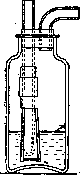
Methods for investigating industrial dust—see above, as well as in the articles Konimeter, Aitken's konimeter, Palmer tube, Vacuum cleaner. In professional hygienic practice, besides the described instruments, the Greenburg-Smith Impinger has recently found application. It is a flask (Fig. 3) with a capacity of 500 cm3, into which 200 cm3 of distilled water is poured; two tubes pass through the rubber stopper closing the flask: an inlet (long) tube with a diameter of 16 mm, narrowing at the bottom to 2-3 mm, and an outlet (short) tube. At a distance of 5 mm from the end of the inlet tube and 3-4 cm from the bottom of the flask, a round bronze plate with a diameter of 5 mm is suspended. To take a sample, the short tube is connected to a pump via a rheometer. The air entering through the long tube, first of all, Fig. 3. Impinger, strikes the submerged plate.
into water the plate and, secondly, it is washed with water, thus freeing itself from dust. Further processing of the sample for the purpose of determining weight and konimetric indicators is carried out in the same way as it is done when using the Palmer tube. From the point of view of modern requirements for methods of dust research, arising from the level of our knowledge in the field of occupational hygiene of "dusty" industries and anti-dust technology, not a single one of the described methods can be considered complete. The main defect of gravimetry lies in the fact that the weight indicator, characterizing the total weight of all dust particles taken together, and not giving the opportunity to reveal the share of participation in this weight falling on individual groups of dust particles of different sizes, completely levels out the most important property of dust—the degree of its dispersity. On the other hand, modern modifications of koni- and gravikoni-metric methods also suffer from a number of major and minor defects, reducing their suitability for a full characterization of industrial dust. In recent years, intensified
development is being subjected to a method of industrial dust research that provides, according to generally accepted opinion, the best results in terms of accuracy, efficiency, and universality, based on the principle of electrical precipitation. The essence of the method is as follows. Inside a metal cylinder, through which dusty air is drawn, a wire—a negative electrode—is stretched along the axis of the cylinder; the cylinder itself is grounded, and its potential is therefore equal to 0. The wire is connected to a high-voltage current; a high potential difference creates conditions for the charging and recharging of dust particles with negative electricity and for the emergence of the so-called electronic wind. Under the influence of electrostatic repulsion and the electronic wind, the ionized particles are driven with greater force to the surface of the cylinder, where they quickly lose their charge and settle. The settled dust is subjected to further investigation. As a method for investigating dustiness, electrical precipitation was first applied by Bill in 1919. Drinker and Thomson in 1925 proposed a portable electrical precipitator of their own design.
A highly portable modification of the electro-precipitator suitable for research in an industrial setting was developed in the USSR in 1930 at the Central Institute of Labor Protection (Blinov) (Fig. 4). The device consists of two cylinders, A (glass) and B (ebonite), which fit onto each other. In the ebonite lid of cylinder A, there is a round hole C (1 mm in diameter), which serves to draw in dusty air. A sharp, thin needle D is inserted into hole C so that an annular gap is formed around the needle. An ebonite disk F (5 cm in diameter) with a metal core E (16 mm in diameter) is inserted into cylinder B, connected by means of a spring L to terminal K. Between the walls of disk F and cylinder B, there is a series of holes for the passage of air from the upper cylinder to the lower one. A high potential difference is applied to needle D and disk E; the air, drawn at a high linear velocity through the narrow hole C, strikes the disk. The combination of this impact of the air jet against the disk with the action of the electric field provides complete deposition of dust on disk E. The settled dust is examined under a microscope, determining the number of dust particles per unit volume of air, the sizes of the dust particles, and their morphological properties. For the gravimetric determination of dust, a very thin mica disk is placed on the disk before the experiment, which, together with the dust settled on it, is weighed on micro-scales. Along with deriving gravimetric and konimetric indicators and determining the sizes of dust particles, a necessary element of dust research is chemical analysis, which has as its task the determination of the composition of the dust and its various chemical properties. Health measures. The fight against industrial dust is not only one of the most serious tasks of a sanitary-hygienic nature, one of the most serious moments in the fight to reduce worker morbidity, but is also extremely important from a production-economic point of view, because dust often
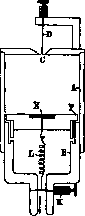
Figure 4. Micro-electrofilter.
disrupts the normal operation of mechanisms (especially motors), and in a whole series of industries, large quantities of valuable product are removed with the dust. In capitalist enterprises, the achievements available in the field of dust-removal technology usually cannot be fully utilized due to the fundamental laws of capitalist production, based on the desire for maximum extraction of surplus value and proceeding from the evaluation of all measures solely from the point of view of their profitability. At the same time, the beneficial effect of anti-dust measures on health, even in those enterprises where they have been implemented, is significantly weakened by the difficult working and living conditions of the proletariat. In the conditions of socialist construction in the USSR, on the basis of new socialist forms of labor in combination with a complex of guarantees provided for by our labor legislation, and with the steadily improving material situation of the working masses, the implementation of anti-dust measures using the latest achievements of technology in the process of reconstructing dusty industries will undoubtedly yield a high and completely unthinkable health effect under the conditions of capitalism. The great variety of production conditions causing dust formation and air pollution with dust requires appropriate individualization of anti-dust measures. The main directions along which the fight against industrial dust should proceed are as follows: 1. Rationalization of the production process technology itself in the direction of eliminating or weakening dust-forming moments. This includes, for example, a) moistening of the processed material (moistening of material entering crushing machines at stone-crushing plants, irrigation of stone with water in quarries, etc.); b) replacement of the dry method of processing with a wet one (for example, replacement of dry grinding of porcelain products with wet, wet grinding and polishing of metal products on artificial stones, wet spinning, etc.); c) preliminary cleaning of the processed material (washing of castings in drums before their processing, preliminary washing of wool), etc. 2. Mechanization of dusty processes and operations (use of ball mills, disintegrators, machine spreading, weighing and packaging of powdery substances, etc.). 3. Automation of internal transport of dusty substances (movement of materials using an Archimedean screw, conveyor belts, bucket elevators, pneumatic transport of bulk and powdery substances, etc.). 4. Possible isolation of dusty processes, sealing of equipment and transport. 5. Installation of rational dust-suction and dust-collecting systems (local ventilation, dust chambers, cyclones, mechanical and electrical filters; for more details, see Ventilation, Vacuum cleaners). 6. Thorough and regular cleaning of the premises with the removal of dust from machines, machine tools, lighting equipment, etc. 7. To prevent dust explosions, along with general measures to combat dustiness, some special measures are necessary to prevent the contact of dust with fire. These include: equipping dusty premises with safe electrical lighting, strict prohibition of smoking, use of open fire, careful maintenance of motors to avoid the appearance of sparks, installation of magnetic devices for capturing steel and iron objects where they might get into machines (e.g., at flour mills), etc. 8. Personal hygiene measures: special clothing, respirators and masks (for particularly dusty and relatively short-term operations), protective goggles, baths, showers, physical culture and sports in the open air. Labor legislation of the USSR provides very widely for the fight against industrial dust in a number of mandatory decrees of the People's Commissariat of Labor, both in terms of sanitary engineering, safety technology, and industrial sanitation, and in terms of the mandatory provision of appropriate special clothing, protective devices, and soap to workers in dusty professions. A number of the most dusty jobs entitle workers, according to our legislation, to an additional two-week vacation. Women and adolescents are not allowed to perform particularly harmful dusty work.
Dust infection is a mode of transmission of infection in which the pathogen of a disease enters the organism fixed to dust particles. Less often, it involves the microorganism itself or its spores, which are in a freely suspended state in the air. In order for a disease pathogen to be transmitted by the dust method, the microorganism must be sufficiently resistant to the action of external harmful factors, mainly to drying and to the influence of light; furthermore, it must be excreted from the diseased organism—the source of infection—with material which, upon drying, easily turns into the finest dust, which ensures the volatility of this material necessary for infection. Speaking of dust as a source of infection, one should have in mind mainly the finest dust, the particles of which in size approach the so-called 'sun' dust (see above), but are usually even finer (Erismann et al.). It is precisely such finest dust that possesses the degree of volatility which ensures its prolonged stay in the air in a suspended state for several hours. According to Müller, dust formed during the beating of carpets, during rubbing with feet, etc., settles down in the amount of 90% after only 5 minutes, but 10% of such dust can remain in the air for 1.5–4 hours. At the same time, different speeds of air movement are necessary to ensure the volatility of different types of bacteria; according to M. Neisser, to lift them to a height of 80 cm, the following are necessary: for the blue pus bacillus—a speed of 4.1 mm per second, for the spores of the anthrax microbe—1.8 mm, for the golden staphylococcus—3 mm, for the tubercle bacillus—3 mm, for the typhoid bacillus—1.7 mm, for the diphtheria bacillus—even 19.7 cm. In closed rooms, such air speeds are rare. Thus, according to Neisser, neither the diphtheria nor the typhoid bacillus possesses the properties ensuring volatility, although they have a certain resistance to drying. The moment of transition of material from a dry fixed state to a state of volatility is determined in part by similar conditions; thus, to detach particles in a not fully dried state from a smooth surface, an air movement with a speed of 60 m per second is required, while with complete drying and rubbing—no more than 5 m. To detach from a rough surface, if the dry particles are already semi-detached, e.g., by cleaning, a speed of 1.3 m per second is sufficient. Gottschlich rightly emphasizes that for the movement of dust particles to a height not of 80 cm, but only 15 cm, for the typhoid bacillus, a speed of only 1.6 mm per second is sufficient. On the basis of the data presented, Gottschlich divides all bacteria in relation to dry dust into the following 3 groups: 1) bacteria which are non-viable in a dried state and therefore never spread with dust (pathogens of cholera, plague, cerebrospinal meningitis, gonorrhea, influenza, and many others); 2) bacteria that withstand drying and are carried over long distances even by weak air currents, which often arise in closed rooms; these bacteria, having risen into the air, remain suspended in it and therefore can easily lead to infection by the dust method; such are the blue pus bacillus, pyogenic cocci, spores of the anthrax bacillus, and tubercle bacilli; 3) bacteria that withstand drying but spread only by strong air currents, which are rarely present in dwellings; dust infection with them is possible only in exceptional cases; such are the bacilli of typhoid fever and diphtheria. This classification, which at first glance seems well-ordered, does not withstand practical verification in some of its parts, and in others, epidemiological and experimental data support it only partially. Thus, Daranyi, examining the air of streets, tram cars, courtyards, a bacteriological laboratory, a living room, etc., established that staphylococcus is present in all air samples in an amount from 18% to 93% in relation to the bacterial population of the air in a given sample. At the same time, its content is highest in living rooms (62%) and bedrooms (76%). But even the detected strains turned out to be pathogenic only in exceptional cases. Thus, from Daranyi's experiments, one must conclude that dried staphylococcus loses its pathogenicity or perhaps only non-pathogenic forms are found in dust. Gamaleya, for typhoid fever and undulant fever, in which the soil can be contaminated with huge quantities of pathogens, admits the possibility of infection in the open air due to the dispersal of contaminated dust by the wind. But this assumption has been proven neither epidemiologically nor experimentally. This insufficiency or often absence of experimental confirmation of theoretical data makes the question of the significance of dust infection very confused and in many parts completely unproven, especially since convincing epidemiological observations are also often lacking. Practically, dust infection has the most important significance in anthrax, tuberculosis, and fungal diseases of the skin, lungs, and other organs (see Aspergillus—aspergillosis). The mechanism of infection in anthrax appears in the following form: the spores of the pathogen retain their viability for a long time on one material or another (predominantly raw materials of animal origin—hides, skins, hair, bristles, wool, less often—rags, etc.), thanks to which they are found on it even after long periods of storage, transport, etc. During the processing of raw materials (e.g., during the scutching of wool, sorting, etc.), dust is formed, which also carries away a certain portion of the spores; infection can occur as a result of inhaling air contaminated with infected dust (lesion of the tonsils and lungs). However, even in cases of occupational anthrax infection, infection more often occurs by rubbing dirt from under the fingernails into the skin or by introducing infected material into skin lesions (cutaneous form). In general, it should be borne in mind that anthrax infections under the indicated conditions are relatively rare, although the initial animal material may be heavily infected. This circumstance is explained by the low susceptibility of humans to anthrax. Dust infection in tuberculosis was first experimentally proven by the classic experiment of Cornet (1888): this author placed 48 guinea pigs at different levels from the floor in a room measuring 76 m3, and then dust was beaten out of a carpet in this same room with sputum from a tuberculosis patient dried on it. As a result, 47 guinea pigs developed tuberculosis of the respiratory organs. Cornet's theory dominated until the 1900s, when it met with serious criticism from Flügge and his collaborators (Laschenko), who developed the theory of 'droplet infection' (see Infection), which gained predominant significance until the last decade. According to this theory, the primary lesion of the lungs is caused by the inhalation of the finest droplets of sputum or mucus containing tubercle bacilli, which float in the air around the patient in the form of a mist and are formed during coughing, sneezing, and talking. In the last decade, Lange, on the basis of his own experiments and the observations of his collaborators, returns to Cornet's views, giving dust infection in tuberculosis a more evidentiary experimental justification. According to Lange, sputum scattered in small quantities, especially in the form of droplets, on handkerchiefs, clothing, and the floor surface dries very quickly and so completely that it easily turns into the finest dust even with the insignificant mechanical impacts that are common in everyday life (dry sweeping of the floor, cleaning of clothing and footwear, etc.). The tubercle bacilli contained in the dust particles prove to be very resistant to drying and do not weaken in virulence for 18 days. Lange attaches particular importance to the small and finest particles of drying sputum, which, in his opinion, are scattered by a tuberculosis patient even with careful observation of his behavior. It is understandable that the dust method of infection has significance only for closed rooms, since in the open air the viability of microorganisms weakens rapidly under the influence of light. At the present time, the majority of researchers believe that in tuberculosis, the possibility of both droplet and dust infection should be recognized (Gottschlich, Zlatogorov, Gamaleya, and others). Developing further the basic tenets of his theory, Lange experimentally proves it in relation to the diphtheria bacillus, influenza, and others, but his conclusions still need careful verification.
P. Belikov.
Related articles
Mentioned in
Cite this page
“Dust.” Soviet Medical Encyclopedia. English translation of Bolshaya Meditsinskaya Entsiklopediya, 1st ed. (Moscow, 1928–1936), ed. N. A. Semashko. https://sovietmedicalencyclopedia.pages.dev/article/dust/