Venereal Ulcer
Historical document, translated for reference. It reflects medical knowledge of the 1920s–30s and is not medical advice.
Summary
This article discusses venereal diseases, focusing on their distribution globally and within the Soviet Union. It examines social factors, organizational efforts, and legislation related to combating these diseases, with particular attention to syphilis and gonorrhea.
Encyclopedia article (1928–1936)
VENEREICAL ULCER, see Muzhskoi shanker. VENEREAL DISEASES. Contents: I. Distribution of venereal diseases. Distribution of V. D. in non-European countries.................. 631 Distribution of V. D. in Western Europe. . 632 Distribution of V. D. in the USSR .... 636 V. D. in the army and navy......... 643 Influence of war on the spread of V. D. . 645 Dynamics of the spread of V. D...... 64 7 II. Social causes of the spread of venereal diseases............ 648 III. Organization of the fight against venereal diseases. Fight against V. D. in western countries. . . . 662 Fight against V. D. in the USSR........... 665 IV. Legislation on the fight against venereal diseases. Legislation in western countries . . 674 Legislative measures in the USSR. . 676 Venereal diseases, or sexual diseases, a collective designation for three specific infectious diseases: gonorrhea, syphilis, and soft chancre. Being essentially three completely different diseases, venereal diseases are united in one group because they are transmitted, predominantly, through sexual contact. However, this group does not include some diseases that are also transmitted through sexual intercourse, for example, pediculi pubis, scabies of the genital organs, etc. At the same time, syphilis and gonorrhea can also be transmitted by non-sexual routes. I. Distribution of venereal diseases. There are no exact statistical data on the distribution of venereal diseases abroad or in the USSR. The main obstacle to the proper accounting of venereal diseases is that patients with V. D. tend to hide their illnesses, seek treatment from private practitioners, often from charlatans, and thus escape accounting; on the other hand, among the rural population, the organization of medical care is still so insufficient that far from all patients are covered by it. An obstacle to the accurate accounting of V. D. is also their chronic course (syphilis and gonorrhea), due to which the same patient, when consulting different doctors, is often subject to repeated registration. Relatively more accurate data are provided by Denmark and Norway, where mandatory registration of V. D. was introduced long before the imperialist war (in Denmark since 1854, in Norway since 1874). In Finland, mandatory registration of V. D. in cities was introduced in 1894, in the rest of Finland in 1924, in Sweden in 1919, in Australia and the U.S.A. in 1918. The general picture of the spread of V. D. in all civilized countries is as follows: gonorrhea is more widespread than syphilis; among the urban population, V. D. are more prevalent than among the rural population. A picture sharply different from this is given by uncultivated peoples and culturally backward population groups. Among them, V. D. are either rare, or little known, or receive particularly strong distribution. This applies, first of all, to syphilis, which spreads here, predominantly, by non-sexual routes, sometimes taking on the character of an epidemic. V. D. receive significant distribution in coastal areas among the uncultivated population that comes into contact with ship crews arriving from civilized countries. By individual countries, the distribution of venereal diseases is expressed as follows. Distribution of V. D. in non-European countries.- Africa. Central Africa, with the exception of Abyssinia, is almost free of syphilis. Syphilis was brought to Abyssinia (according to Hirsch) in the 19th century and spread so much that at present 90% of the entire population is affected by it (Blank). The entire population of the northern coast of Africa is significantly affected by V. D. As early as 1866, in Algeria, out of 1,000 patients who sought medical help, 113 were syphilitics. Vincent among 423 patients found 188 syphilitics. According to Rubatel, in Tunisia, few people have not had syphilis. On the eastern coast of Africa, the population of the islands of Mauritius, Madagascar, and the city of Zanzibar is particularly severely affected by syphilis; on the western coast, syphilis is strongly distributed along the coasts of Guinea, Sierra Leone, and Senegambia. Among the Hottentots, V. D. are rare, and they are even less common among the Bushmen. Syphilis is strongly distributed among blacks. According to Daubler, primary sclerosis occurs in them particularly often on the lips, in the mouth, and in the pharynx. In the English fleet cruising off the coast of Africa, in 1921, out of 1,000 sailors, 93.13 per 1,000 contracted gonorrhea, and 53.13 per 1,000 contracted syphilis. Asia. Here syphilis is very common, mainly among the population of coastal countries. In Japan, China, India, syphilis has an endemic character and is very widespread. As early as 1870, among patients in hospitals, there were: in Shanghai-19%, in Hong Kong-16%, in Tientsin-30% syphilitics. According to Rasch's data, in Siam, out of 100 patients, there are 33-37 venereal patients. In 1921, sailors of the English fleet off the coast of China gave gonorrhea- 161.91%0 and syphilis-58.93%0, off the coast of East Indies gonorrhea-126.15%0 and syphilis-- 41.24%0. Syphilis is significantly widespread in Central Asia, on the plateaus of Afghanistan and Baluchistan. In the West Indies and Malay archipelagos, whose population is severely affected by syphilis, there are also islands where it does not exist at all. Australia. Some parts of Australia are completely free of syphilis; it is also completely unknown in New Guinea. In Western Australia, from 1916 to 1926, on average per year per 10,000 population, patients were registered: with syphilis-5, with gonorrhea-27, with soft chancre-2. In New Zealand and the southern islands, the spread of syphilis is significant. A one-day census of V. D. patients in 14 main centers of New Zealand, conducted on April 1, 1922, gave gonorrhea from 4.1 to 35.1%00; syphilis from 3 to 29.2%00. America. The central part of America is most affected by syphilis. Particularly high figures are given by Brazil, Paraguay, and Argentina. As early as the 1860s, syphilitics constituted 40% of all hospital patients in Brazil. In the U.S.A., the spread of V. D. approaches that in Europe. Mandatory registration has existed since 1918, but it is being implemented slowly. In the U.S.A. in 1926, there were 136,000 doctors. The number of doctors in the states from which registration data came is 69,000, of which only 15,122 doctors (22%) provided data on V. D. These data for the period from 1918 to 1925 are as follows: Table 1. Years Syphilis Gonorrhea Soft Chancre 1918/19 1919/20 1920/21 1921/22 1922/23 1923/24 1924/25 100.466 142.869 184.090 171.824 172.258 193.844 200.584 131.193 172.387 189.927 152.159 156.826 160.790 165.523 7.843 10.168 13.226 8.935 7.777 8.429 6.706 The figures given have only relative value. In reality, the extent of the spread of V. D. must be much greater, as can be judged from the materials of the examination of recruits from the corresponding states. According to registration data conducted in the state of South Carolina in 1920/21, there were registered per 10,000 population 16.5 patients with syphilis and 32.53 with gonorrhea; among recruits of the same state, syphilis was found-35.4%0O, gonorrhea-109%oo. In the state of New York, syphilis was registered-4.8%00, gonorrhea - 7.51%o0; in the same state among recruits, syphilis was found-25.8% 00, gonorrhea-- 25%00. In the state of Texas-syphilis-6.2%00, among recruits-47.1 %00: in the state of Kentucky-syphilis - 5.9%0O5 among recruits - 61.7%00, in the state of Rhode Island - syphilis - 3.9 %00, among recruits-91.7 %00. Distribution of V. D. in Western Europe. In countries with high culture, the same picture is observed with minor changes: capital and port cities, industrial and commercial centers, locations of large military units are affected by V. D. much more than small provincial towns, which in turn are affected more than rural areas. Over the years, the ratio of the incidence of V. D. in large, small cities and among the rural population changes in the direction of greater growth in incidence on the periphery, which became particularly sharply apparent with the end of the imperialist war, due to the dissemination of V. D. There is no precise statistics that would contain data on the distribution of V. D. in the largest European countries. Statistics on the distribution of V. D. is based, on the one hand, on data on the attendance of patients in stationary and outpatient treatment facilities, on the other hand, on special simultaneous censuses, which were conducted in different countries and individual cities for a certain period: one day, one month, several months, a year. These censuses are based on a questionnaire, which is filled out by each doctor and each treatment facility with data on the number of venereal patients who applied to them during the accounting period. The most accurate data we have in Denmark, Norway, and Finland, where registration of V. D. was introduced long ago. In Denmark in 1864, out of 1,000 inhabitants, 24.9 patients with V. D. were registered, of which': patients with syphilis-3.1, gonorrhea- 15.2, soft chancre-6.6.
By 1926, the incidence of V. b. had fallen to 14.2%0, with syphilis decreasing to 2.5, gonorrhea to 11.4, and chancroid to 0.3. At the same time, the decrease in incidence was only observed in Copenhagen, while in other Danish cities and among the rural population, V. b. was increasing. Over 25 years (1900-24), in Copenhagen, syphilis decreased by 58%, gonorrhea by 17%; during the same period in other Danish cities, syphilis increased by 50%, gonorrhea by 140%; in rural areas, syphilis increased by 100%, gonorrhea by 200%. In Norway, the trend in V. b. incidence was as follows: in 1876, patients with V. b. were registered at 1.95 per 1,000 inhabitants, of which: syphilis patients-0.70, gonorrhea patients-1.09, and chancroid patients-0.16. Subsequently, there was an increase in gonorrhea, while the incidence of syphilis and chancroid showed minor fluctuations. In 1924, the total number of V. b. patients was 3.06%o, of which: gonorrhea-2.35, syphilis-0.58, chancroid-0.13. In Finland, in Helsinki, over the last 25 years, a significant increase in gonorrhea incidence was observed, a decrease in syphilis and chancroid incidence, while in provincial cities, there was an increase in incidence for all venereal diseases. In Helsinki in 1902, patients with fresh syphilis were registered at 2.1%0, acute gonorrhea at 10.6%o, and chancroid at 5.7%0. In 1926, gonorrhea increased to 13.9%0, chancroid decreased to 2.9%0, and syphilis decreased to 1.5%0. In provincial cities in 1901, patients with fresh syphilis were registered at 1%o, gonorrhea at 3.9%0, and chancroid at 0.8%o, while in 1925 the figures were already significantly higher: for syphilis-2.0%o, gonorrhea-10.0%oo, and chancroid-1.92%0. In Sweden. In 1905, in Stockholm, syphilis was registered at 2.26, gonorrhea at 15.26, and chancroid at 1.3 per 1,000 population. In 1926, syphilis was registered at 0.7%o, gonorrhea at 9.8%0, and chancroid at 0.1%oo. For the rest of Sweden for the period from 1913 to 1926, there was a 50% decrease in syphilis, a 36% increase in gonorrhea, while chancroid decreased threefold. Of the questionnaire surveys, the most carefully prepared and conducted was the annual survey in Switzerland, covering the period from October 1, 1920, to September 30, 1921. 75.7% of all doctors participated in the survey; among venereologists-95%. Per 10,000 population, 40.2 V. b. patients were registered, including syphilis-16.5, gonorrhea-23.2, and chancroid-0.5. The maximum incidence of V. b. was recorded in Geneva-118.9%00 and Basel-109.8%00. Questionnaire statistics were conducted several times in Germany. The first attempt at general statistical accounting was made in Prussia for one day (April 30, 1900). 63.45% of all doctors, as well as urban polyclinics and hospitals, responded to the questionnaire. Throughout Prussia, 30,383 V. b. patients were registered, including men-74.28%, women-25.72%. Per 10,000 population, V. b. patients were registered: men-28.20, women-9.24. The data from this questionnaire clearly confirmed the position that the larger the city, the higher the incidence of V. b. Per 10,000 population, Berlin had V. b. patients: men-141.94, women-45.37; 17 cities with a population of over 100,000: men-99.87, women-27.89; 42 cities with a population of 30,000 to 100,000: men-58.40, women-17.60; 47 cities with a population of less than 30,000: men-45.05, women-16.89; smaller cities and rural areas: men-7.95, women-2.72. From November 20 to December 20, 1913, in 37 major German cities with a population of 13,300,000, the statistics departments of these cities, together with the German Society for the Fight Against V. b., conducted a monthly accounting of V. b. patients; doctor participation was uneven (in Berlin, 53.2% of all doctors participated, in Hamburg only 2 doctors did not participate). A total of 73,218 V. b. patients were registered, which is 55 per 10,000 population. Syphilis was registered in 32,972 cases, gonorrhea in 36,879, and chancroid in 3,373. This questionnaire confirmed the dependence of the spread of V. b. on the size of the city's population. In cities with a population of over 700,000, V. b. patients were registered at 71.8%00, with a population of less than 200,000-43.4%00. 75% of all V. b. cases fall on men, 25% on women. These ratios vary for different V. b. In Berlin, the ratio of women with gonorrhea to men with gonorrhea is 1:3.75, and for syphilis patients 1:2. The age group from 20 to 30 years accounts for 60% of all registered V. b. cases (according to Loeb's and Lion's data, in Mannheim in 1906, the age group from 20 to 30 accounted for 61.9% of all V. b. patients; according to Oppenheim's data, in Vienna in 1908-64.5%, according to data from Berlin's insurance funds, from 1910 to 1915-61%). The last questionnaire was conducted in Germany nationwide from November 15 to December 14, 1919; only 53.5% of all doctors and 64.8% of medical institutions responded. A total of 136,328 V. b. patients were registered, of which 92,304 were under treatment and 44,024 were new cases. Per 10,000 population, V. b. patients were registered: men-31, women-15, on average-22. In the 8 largest cities, this average rises to 64, for Berlin-to 79. Data on the spread of V. b. in port cities are evidenced by the 1913 census, according to which in Hamburg there were 7.5%00 V. b. patients, in Kiel-7%0. Rural areas (according to the 1919 census) had V. b. patients from 3 to 13%00. In Neumünster (1923-26), with the participation of 100% of doctors, accounting of V. b. patients was conducted each October. In 1923, gonorrhea accounted for 30.5%oo, in 1926-30.0%ooo (a decrease of 1.7%); syphilis in the same years-24.2%00 and 17.2%00 (a decrease of 29%). In Bremen in 1919, 1,725 men contracted fresh gonorrhea, 840 syphilis; in 1925, gonorrhea-1,856 (an increase of 6%), syphilis-412 (a decrease of 51%). The data from all conducted questionnaires do not allow answering the question of how often the population in general contracts V. b. diseases. Blashko attempted to use the most complete questionnaire material from Hamburg in 1913. After performing a series of calculations, taking into account all possible corrections, Blashko came to the conclusion that in Hamburg, men aged 15 to 50 contract gonorrhea 150% (some men several times), syphilis 36.75%. For women, he gives figures of 33.66% and 18.99%. Blashko accepts approximately the same figures for Berlin, based on the coincidence of V. b. incidence rates among union members according to data from Berlin and Hamburg hospital funds. Among members of the Berlin fund, V. b. incidence is 7.9%, in Hamburg-7.6%, including fresh syphilis in Berlin-1.1%, in Hamburg-1.27%, gonorrhea in Berlin-5.4%, in Hamburg-5.19%. In Austria, a decrease in syphilis incidence and especially chancroid is observed, along with a slight decrease in gonorrhea. In 1920, in Austrian medical institutions, 3,647 cases of syphilis were registered, in 1924-2,021 (a decrease of 42%), during the same years chancroid accounted for 971 and 191 cases (a decrease fivefold), acute gonorrhea 6,505 and 6,238 (a decrease of 4%).-As for other Western European countries, the accounting of V. b. patients is even less satisfactory. According to calculations by the Commission de Prophylaxie des maladies veneriennes, in France in 1922 there were 3,920 thousand syphilitics, which is 10% of the total population. According to Bayet's data, in Belgium after the imperialist war, there were about 1 million syphilitics-15% of the population. Since 1920, a rapid decrease in V. b. incidence has been observed in Belgium, especially in syphilis. In 1920, 2,504 cases of primary syphilis were registered throughout Belgium, in 1923-898. In England in 1920, 42,805 new cases of syphilis were registered, in 1924-22,610; during the same years, 40,280 and 31,274 cases of acute gonorrhea were registered. The spread of V. b. in the USSR. Statistics on V. b. in Russia were based on data from the Medical Department of the Ministry of Internal Affairs, later the Office of the Chief Medical Inspector, and covered patients seeking medical help in both urban medical institutions and rural medical districts. This statistics does not provide a picture of the actual incidence of V. b., but rather reports the detected incidence. But this also allows for more specific data than in other countries, excluding Scandinavian countries that have mandatory registration. However, the reported data on detected incidence require significant correction due to the repeated registration of the same patients. A check by Dr. Oboznenko of materials from the Kalinkin Hospital in Petersburg for 1894-96 showed repeated registrations of 18%, with triple registration found in 3%. Dr. Porfiriev determines the registration excess due to repeated registration as 20-25%. The first attempt to summarize over several years the data on the spread of syphilis in Russia was made by Dr. Kuznetsov in 1871. The average annual number of syphilis cases for 1861-69 he determined as 62,000. G. M.
Herzenstein, in his work "Syphilis in Russia" (1885), gives a general Table 2. For every 10,000 population, the following was registered: Years 1902 1903 1904 1905 1906 1907 1908 1909 1910 1911 1912 1913 1925 1926 Syphilis I City Rural Syphilis II Syphilis III City Rural City | Rural 19.36 2.74 24.06 1.98 20.76 2.01 21.63 2.12 24.93 2.29 26.54 2.24 24.78 2.34 23.86 2.35 25.94 2.32 26.56 2.34 25.02 2.43 25.67 2.66 13.51 3.55 11.01 3.54 94 93 95 90 100 54 105.79 107.44 102.39 100.00 H2,10;22 106.54 21 102.34 82.73 71.90 57. 60. 58. 55. 61. 53. 58. 58. 53. 58. 52. 52, 37. 31. 32.11 0432.34 54 31.39 72130.33 34128.99 63 20.37 43 20.07 Total syphilis. Gonorrhea City Rural i City 92 85.32 00 94.60 381 88.32 9 2 5 2 71; 96.65 5 6 83 112.41 57 123.18 5 7 44 118.05 5 7 85 118.99 8 5 5 7 33 116.46 11 124.43 75 129.14 3 7 72 126.21 1 az 23 91.09 85! 95.55 Rural 7. 7. 8. 10. 10. 10. H, И, 11. 12. 13. 21. 22. Chancroid City Rural Total venereal patients City , Rural 37.14 44.36 44.64 45.82 55.80 55.46 51.24 50.09 48.17 51.10 47.89 51.41 4.53 1.93 294.46 1.89 313.90 1.75 307.94 2.31 310.39 3.22 354.88 2.42 364.77 2.33 360.30 2.21 354.04 2.33 344.48 2.43 372.75 2.45 361.31 2.79 357.99 - 224.90 1.13 220.40 66.20 68.16 62.48 63.05 70.63 68.28 70.50 71.47 71.46 70.36 69.81 70.22 78.32 80.62 the total number of syphilitics in the entire former empire, according to data for 1877-80, was determined at 1-2 million people. According to reports of the Medical Department, out of 4,362,608 different persons examined over 3 years in factories, plants, prisons and other places, V. b. were discovered in 60,941 cases (1.4%). According to Grebenshchikov, for 6 years from 1889 to 1894, 4,383,535 syphilitics were registered. Herzenstein for the same period determined the percentage of syphilitics among the urban population at 2.17. The first period of reporting on the incidence of V. b. patients suffered from a number of major shortcomings. From 1902, reporting was improved by the introduction of scientific nomenclature corresponding to the conditions of rural outpatient registration (see Table 2, paras. 635-636). The imperialist war, years of revolution and civil war extremely adversely affected the network of districts, and along with it, the accounting of patients in general, and venereal patients in particular. Only in recent years can registration be considered fully established. For 1921-24, there are data on the incidence of syphilis patients in 33 territorial units of the RSFSR, with a population of about 60 million people; for every 10,000 population, the following was registered: 1921 - 57.6, 1922 - 41.7, 1923 - 57.3 and 1924 - 65.4 V. b. patients. Detailed data for the RSFSR, which can be compared with the data in Table 2, are available starting from 1925. Changes in the prevalence of individual V. b. in the initial and final year are presented in the diagrams presented here (1 and 2). All the figures given indicate a continuing decline in the incidence of syphilis among the urban population with stability for the rural population, indicating and the continuing growth of the incidence of gonorrhea - a disease exclusively of sexual origin in the rural population. There is undoubtedly an increase in rural sexual syphilis, which, along with the increase in gonorrhea, also indicates the constant growth of infectious forms in the rural population! Diagram 2. Venereal diseases in the USSR in 1902 and 1926 (per 10,000 pop).
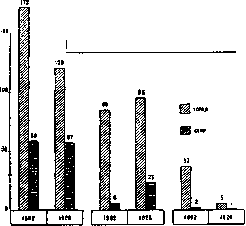
Syphilis
Gonorrhea Soft chancre of syphilis (syphilis I and syphilis II in 1913 gave 27.73%00, in 1926 - 43.01%oo). The growth of venereal syphilis, with the stability of the general incidence rate, indicates a decrease in rural syphilis of domestic origin. The organization of a network of venereal dispensaries, improvement of specialized outpatient care, and the work of numerous venereal detachments and posts have provided in recent years, on the one hand, the possibility of fairly widely covering the registration of patients with V. b. in cities, and on the other hand, obtaining more specific data on the extent of syphilis spread among the rural population and among the less cultured peoples of the USSR. The network of venereal dispensaries began to develop in 1923. In 1926, 801,464 primary patients passed through 159 urban venereal dispensaries. For 1924-26, according to 43 provincial and gubernial venereal dispensaries, syphilis was registered per 10,000 population: Table 3. Forms of syphilis 1924 7.1 19.2 14.4 36.3 22.3 1925 1926 6.9 12.4 8.0 34.3 35.0 7.45 » II fresh .... » II recurrent .... » II hidden .... » III......... 11.12 7.38 35.0 33.57 99.3 96.6 94.52 But all medical institutions of Moscow, including venereal dispensaries and the State Venereal Institute, registered: Table 4-a. Years Syphilis Gonorrhea Soft chancre Abs. num. / /ooo Abs. num. /ooo Abs. num. /ooo 1925 1926 22,092 109,36 17,903 88,23 18,517 17,371 91,17 78,77 1,767 1,560 8,75 6.56 By individual forms, syphilis is distributed as follows: Table 4-b. Years Syphilis I Syphilis II Syphilis III Abs. num. /ooo Abs. num. /ooo Abs. num. /ooo 1925 1926 1,746 1,116 8.64 5.50 11,528 7,482 57.07 36.85 8,818 9,305 43.65 45.88 In Moscow, thus, a sharp decline in syphilis is observed. In 1913, 206.1 patients with syphilis per 10,000 inhabitants were registered in Moscow. According to Shiryaev's data, in 1903, in the outpatient clinics of Moscow, with their weak network development, 1,259 cases of syphilis I were registered with a population of Moscow of 1,286 thousand. According to Dr. Izhevsky's data, in just one outpatient clinic of the Myasnitskaya Hospital, 1,168 cases of syphilis I were registered in 1917. The aggregate data of a number of gubernial dispensaries coincide with the data of Moscow in relation to syphilis, without giving a decrease for gonorrhea. In 13 gubernial venereal dispensaries (Bryansk, Vladimir, Voronezh, Ivanovo-Voznesensky, Irkutsk, Kostroma, Nizhny Novgorod, Novosibirsk, Samara, Pskov, Sverdlovsk, Stalingrad, Tambov) were registered: Table 5 Years Total visits Including primary Of which V. b. syphilis gonorrhea SOFT chancre 1924 1925 1926 480,361 707,850 751,609 47,682 55,291 55,500 9,921 10,352 10,072 145 194 173 Starting from 1924, large-scale surveys of syphilis morbidity among peasants and national minorities were conducted in the RSFSR. By 1927, door-to-door surveys had been conducted in numerous villages of a number of gubernias, covering 519,051 peasants. Among them, 21,738 patients with syphilis were found, which gives, on average, 4.19% of the population sick with syphilis. The following data were obtained for individual gubernias. Table 6. Gubernias Number surveyed % syphilitics Voronezhskaya...... Samarskaya ........ Tambovskaya ....... Kostromskaya...... Smolenskaya ....... Sever.-Kavk. kr. (rus.nas.) Ul'yanovskaya ...... Ivan.-Voznesenskaya .... Novgorodskaya...... Leningradskaya obl.. . . Orenburgskaya (rus. nas.) Tul'skaya ........ Pskovskaya ........ Tverskaya........ 15.4 11.6 8.05 7.5 6.4 5.8 5.7 5.4 4.8 4.4 4.2 3.6 2.8 2.4 2.2 1.6! From other 15 gubernias where surveys were conducted, less than 8,000 people were examined in each. Detachments were first sent to places considered particularly unfavorable for syphilis, primarily identifying foci of syphilis, which to some extent explains the fact of establishing minimal infection where the survey covered the maximum number of villages. As indicated in the table, in the Voronezh gubernia, detachments examined about 14,000 people and found 15.4% of patients with syphilis. In the same gubernia, for 1925-26, 106,831 people of the rural population (3.3% of the gubernia's population) were examined by district physicians using special cards, and syphilis was found in 6.1% (Tkachev). At the end of the 1890s, a number of zemstvo physicians conducted door-to-door surveys of villages in the Penza, Yaroslavl, and Minsk gubernias, covering 116,334 peasants. Syphilis was found in 3.9%. Both the surveys of that time and recent years have confirmed the correctness of the established view that among the rural population the spread of syphilis is focal in nature: within one and the same volost, alongside villages that gave 40-45% infected with syphilis, there are villages where syphilis is found in individual cases. Foci of syphilis are not permanent, some fade over time, new ones appear nearby. The extent of syphilis infection in individual gubernias undoubtedly also changes. Syphilis in the countryside continues to remain a disease of domestic origin. In the pre-war period, extragenital infection with syphilis among the rural population for some gubernias constituted 70-85% of all cases of syphilis (Tambov, Perm gubernias), not counting congenital syphilis. According to the data of survey detachments in recent years, extragenital infection with syphilis was established, on average, in the amount of 50.3%. A characteristic feature of domestic syphilis is the maximum infection of children and women. While, according to venereal dispensaries, in cities children under 15 years of age constitute 12.7% of all patients with syphilis, in the countryside, according to the data of detachments - 24.2%. This figure is close to the figures previously cited by a number of authors. Ilyin for the Serdobsky uyezd of the Saratov gubernia for 1910-17 gives 26.8%, Tsivin for the Kostroma gubernia for 1911-18 - 26.9%, for 1922-25 - 24.9%, Tappelzon for the Smolensk gubernia for 1923-25 - 26.5%. In Moscow, according to the data of the Myasnitskaya Hospital, for 1917-22, 614 cases of extragenital infection with syphilis were observed (31/2% of all registered patients with syphilis). Of this number, 373 cases - 61% - fall on the age up to 15 years, 147 cases - 24% - on women, and 94 cases - 15% - on men. Among the urban population, men get sick with syphilis more often than women: according to dispensaries, the number of male patients with syphilis is 54.5%. According to the data of the clinic of skin and venereal diseases of Kazan University for 15 years, the percentage of male patients is 60.9. The countryside presents a different picture. According to Ilyin's data, women constitute 63% of all patients with syphilis, according to Tsivin - 63.4%, according to Porfiriev for European Russia for 6 years (1902-1907) - 72.03%. Venereal detachments revealed a severe picture of syphilis spread among the national minorities of the Soviet Union. By 1927, 102,245 people had been examined among them, 11,910 patients with syphilis were found, which is 11.6%. The Buryat-Mongolian republic is most affected by syphilis, where, on average, 42% of the population was found to be syphilitic (on Olkhon Island in the western part of Baikal - 61%); in the Bashkir republic - 31.22%, in Turkmenistan - 30.1%, in Chechnya - 29.2%, in the Kara-Kalpak Kenimarsky district (Uzbekistan) - 22%, among the Kirghiz of the former Astrakhan gubernia - 17.6%, in the Khorezm region (Uzbekistan) - 14.75%, in the Kalmyk region - 14.48%, in Ossetia and Ingushetia - 10.02%, in Dagestan - 9.8%, in Oiratia - 8.7%, in Kazakhstan - 5.78%. Along with such a significant spread of syphilis among national minorities, venereal detachments identified areas where V. b. is completely absent or occurs extremely rarely. This occurs in areas most remote from cultural centers. The examination by detachments of several hundred Samoyeds living on the shore of the Arctic Ocean near Yugorsky Shar did not reveal a single patient with V. b. The same result was obtained from the examination of 1,905 Samoyeds, Yuraks, Dolgans, Yakuts in the Turukhan region. The examination of 10,993 people in Khakassia (Minusinsky district) gave only individual cases of syphilis, the same among the Tungus in the Priangar region. To what extent the registration of V. b. was poorly organized among small nationalities in the pre-war period can be evidenced by the following figures. For the period from 1904 to 1913, on average, per year, 10,000 inhabitants were registered: in Dagestan - 31.0, in the Transbaikal region (now the Buryat-Mongolian republic) - 48.1, in Samarkand - 19.6, in Fergana - 23.7. The movement of patients with V. diseases in the union republics, in general, has the same character as that observed in the RSFSR. - In the Ukrainian SSR, syphilis was registered: Table 7-a. Years Syphilis I Syphilis II Abs. num. /a o o Abs. num. o/ /ooo 1923/24 1924/25 1925/26 15,990 13,042 10,647 4.7 3.3 86,923 86,250 76,310 31.7 27.1 Syphilis III Not identified. 1923/24 1924/25 1925/26 19,394 20,076 20,485 7.3 7.3 7.986 3.257 2.9 1.2 Distribution of syphilis among urban and rural population of the Ukrainian SSR: Table 7-b. Years Syphilis I Syphilis II Abs. num. /ooo Abs. num. /ooo Abs. num. /ooo In urban areas: 36! 68| 59; 73.7 I 7,291| 13.1 | - 70.1 7,332 12.6 5,294 72.9 | 7,154| 14.9 | 2,408 9.1 5.0 In rural areas: 87 82 50 68.7 112,103| 18.4 | - 68.7 112,744| 18.5 | 2,624 65.6 13,331| 21.2 | 1,119 3.9 1.8 66,270 64,021 62,783 54.1 54.3 53.6 Years Syphilis I [ Syphilis II Abs. num. Abs. /ooo
Table. Abs. num. Syphilis III. Abs. num. Not determined. Abs. num. In cities: 1923/24 7,410! 13.2 141,336! 73.7 1924/25 4,770 8.2 40,868 70.1 1925/26 3,465 7.2 135,159; 72.9 13.1 - 12.6 9.1 14.9 6.0 1923/24 1024/25 1925/26 8,580 12.9 8,271; 11.9 7,182 11.4 In rural areas: 45,587 45,382 41,150 68.7 112,103 18.4 I - 68.7 112,744 18.5 2,624 65.6 13,331 21.2 1,119 3.9 1.8 B. Zh. 3- T. IV, Gonorrhea and soft chancre throughout the Ukrainian SSR were registered per 10,000 population in 1924 at rates: 36.6-for urban and 21.4-for rural population (Fedorovsky). In the Byelorussian SSR, patients with venereal diseases were registered: Table 8. Diseases Syphilis Gonorrhea Soft chancre Years In surrounding cities . . In districts. 4,259 3,004 3,269 3,161 2,831 1,139 3,344 1,096 79 77 Total. In Minsk in 1925, patients with V. b. were registered per 10,000 population-177, in other cities-132, in urban-type settlements-49. Syphilis was registered per 10,000 population in all cities-41.4, in Minsk-79.1, in Vitebsk-67.5, in urban-type settlements-20.6. In the Georgian SSR, patients with venereal diseases were registered: Table 9. 3 n o Syphilis Gonorrhea Soft chancre Abs. num. /0"o Abs. num. o/ /ooo Abs. num. °/ /ooo 1926 16,449 86.9 1927 11,283 59.5 14,146 10,665 75.5 57.6 1,820 1,685 9.7 9.0 In the Armenian SSR, patients with venereal diseases were registered: Table 10. o и Syphilis Gonorrhea Soft chancre Abs. num. o/ Abs. num. °/ /ooo Abs. num. °/ /ooo 1925 1926 1927 3,262 2,464 2,393 39.2 28.5 28.3 2,404 1,763 2,063 28.9 20.4 25.7 201 155 101 2.4 1.8 1.1 In the Uzbek SSR, patients with venereal diseases were registered: Table 11. Years Syphilis I and II Syphilis III Abs. num. o/ /ooo Abs. num. o/ /ooo 1925 1926 1925 1926 17,450 25,319 38.8 55.7 6,095 12,265 13.4 27.0 Gonorrhea Soft chancre 17,450 20,906 38.8 46.1 1,401 1,164 3.1 2.5 Venereal diseases in the army and navy. The rank and file of the army and navy constitute those significant population groups whose morbidity from V. b. is registered relatively more completely than any other groups. The data provided (see tables 12-14) cover the period from 1888 to 1925, annual data are given only from 1913. Of particular interest is the morbidity from venereal diseases of the army and navy personnel during the war years, when tens of millions of male population of flowering age were drawn into the armies and navies of the warring countries. In all armies before the imperialist war, the morbidity from V. b. gradually decreased. Due to the war and in the immediate post-war period, there is an increase in morbidity, with 1922-1923 a new decrease begins. By 1926, morbidity drops to the pre-war level and below. The decrease is particularly significant for syphilis and soft chancre, less significant for gonorrhea. The only army in which the morbidity from V. b. in 1925 was higher than in 1888 is the German one, which is explained by the fact that in 1888 it was affected by V. b. minimally compared to other armies and that in 1925 it represented not the previous composition of conscripts in the course of compulsory service, but a hired composition. Data on the spread of V. b. during the years of the imperialist war are available only in the German, American and French armies. In the first two, no noticeable increase in V. b. morbidity was observed during the war years. The French army shows a significant increase in V. b. morbidity, especially from syphilis. While in 1913 primary syphilis in the French army was registered at a rate of 1.06%o, in 1916 it reaches 14.16%0, in 1917-21%0, in 1918-20.29%o, then the figures sharply drop, reaching in 1925-1.63%0 (in 1936 they rise again to 2.03%o). The significance of such an increase in syphilis morbidity in the French army is revealed when accounting for the size of the army. While in 1913 there were 534 primary syphilis infections in the entire French army, this number increases to 15,341 in 1917; the corresponding figures for gonorrhea are 5,858 and 39,983. The U.S. army and the German army give very high absolute numbers of V. b. patients during the war years. The number of V. b. in the U.S. army increases from 8,103 in 1903 to 227,861 in 1918; for the German army in the same years from 12,040 to 158,162 (size of the U.S. army in 1913-90,752, 1918-2,518,499; size of the German army in 1913-569,159, in 1918-5,028,161).-The morbidity from V. b. in the navy was always higher than in the land armies. During the war, when the naval personnel relatively little left the waters of their country, no noticeable increase in the growth of V. b. morbidity among naval personnel was observed. Maximum infection with V. b. occurs during long voyages, and first of all in the ports of the Far East. While parts of the English fleet in the waters of England gave in 1921 per 1,000 personnel a gonorrhea morbidity of 53.0 and syphilis of 20.28, in the same year the English fleet in China gave for gonorrhea-161.91 and syphilis-58.93 per. G45 Years Eng. Ger. Pruss. Fr. (Russia) Denmark 80.00 224.5 29.6 26.1 43.1 42.4 73.08 194.6 29.1 29.6 40.0 43.1 82.03 134.0 23.6 21.0 27.1 36.3 - 160.94 126.2 23.2 19.8 27.1 40.5 45.2 175.95 68.4 22.6 18.9 24.6 54.3 46.8 89.29 50.9 - 21.1 16.70 43.8 47.2 103.00 51.9 -. 21.1* - 41.7 42.5 99.33 - - 20.5 - 38.9 89.98 - - 18.5 67.44 - 43.4 107.23 - - 22.1 88.29 - 42.8 90.47 - .- - 83.94 - 41.6 61.31 - - - 55.70 79.68 65.8 78.98 - 49.4 - 32.04 31.22 49.8 66.76 40.3 32.7 65.1 24.97 41.55 46.2 64.63 35.4 18.6 79.0 23.81 45.08 40.1 59.16 27.4 20.2 80.3 21.55 37.75 41.2 5 6.05 25.2 16.7 - 21.65 40.09 41.7 5 2.25 21.58 9.6 37.92 21.64 27.80 22.0 - - 9.1 33.41 - 25.20 - * From 1914 for the entire German army Table 12. Morbidity from V. b. per 1,000 men of the rank and file in armies."
what a significant factor in the spread of V. diseases is war. In this case, not so much the relative size of infection in the army matters, but the absolute figures. The figures presented show that hundreds of thousands of venereals, demobilized at the end of the war, abandoning treatment, scattered throughout all the countries that participated in the war, giving significant dissemination of V. d. In all countries that participated in the imperialist war, following the end of the war, there is an increase in the incidence of V. d., particularly noticeable where there had been few such diseases before. In Prussia before the war, 25% of all patients with V. d. fell on the rural population; by the present time this figure has doubled. In Denmark (which did not actively participate in the war but had a mobilized army) in 1911, 20% of all patients with V. diseases fell on provincial cities, in 1922 - 35%. The dissemination of V. d. after the war was sharply revealed in Soviet Russia. While the total number of syphilis among the rural population of the RSFSR in 1926 shows an increase compared to 1913 by 6%, syphilis I increased by 33%, syphilis II increased by 50.6%, and gonorrhea also increased by 46.4%. Taking into account the size of the increase in the incidence of V. diseases compared to the pre-war period, it should be borne in mind that during the years of the war in the rear Table 14. Comparative data on changes in the prevalence of V. d. per 1,000 persons of army and navy personnel in 1888 and 1925 and per 1,000 persons of navy personnel. Years England Germany France USSR (Russia) 1888 . . . . 80.46 154.49* 114.2 115.0 1898 . . 46.07 14 3.98 124.5 - 145.9 1908 . . 91.81 111.0 58.88 - 142.3 1913 . . 130.77 93.17 56.28 62.78 104.5 1914. . 152.12 73.11 47.16 58.34 99.8 1915 . . 151.86 63.20 49.88 54.68 100.0 1916. . 148.97 81.0 44.35 60.46 90.51 1917 . . 88.71 83.0 48.43 71.56 - 1918 . . 70.18 - - 72.07 - 1919 . . 111.61 .- - 74.82 - 1920 . . 126.17 - 82.02 72.48 138.3 1921 . . 120.04 113.0 113.32 62.40 144.2 1922 . . 127.36 103.4 133.35 52.17 120.0 1923 . . 123.34 93.1 122.22 43.65 95.0 1924 . . 137.56 81.85 79.70 46.36 68.1 1925 . . 126.56 - 68.52 44.09 72.0 1926 . . - - 70.70 45.29 83.4 * Without soft chancre; Syphilis Gonorrhea Soft chancre % andam. % izm. % ivam. -40 -95 -79 -77 -88 -93 + 35 -93 -83 -73 Army: 22.37 106.5 6.3 8.7 13.8 6.7 29.63 80.18 23.5 13.54 21.3 11.70 2.3 7.95 3.75 8.7 1.3 19.60 10.09 16.03 6.53 13.13 -50 -98 + 25 -57 -37 -80 -34 -88 -32 -52 -38 41.74 91.1 16.2 27.7 21.6 21.0 30.18 74.31 64.7 37.55 57.6 31.08 18.8 29.2 16.7 15.6 8.2 78.98 58.90 50.42 35.54 72.40 - 25 - 80 + 80 - 40 - 28 - 61 + 160 - 21 - 22 - 5 + 25.7 15.89 26.9 3.6 6.7 7.7 1.9 20.69 26.0 18.81 36.4 9.46 1.2 0.77 1.19 0.9 0.14 27.98 12.85 2.07 3.22 9.63 Navy: German ........... French (1911 and 1926) Russian (1905 and 1926/27) . 1,000 persons of personnel, navy in East Indies - 126.15 and 41.24, navy in Africa - 93.13 and 53.13. The influence of war on the spread of V. d. Data on the spread of V. d. in the army and navy reflect the dynamics of the spread of V. d. among the population; at the same time, countries, due to the outflow of millions of men to the army, show a decrease in the incidence of V. d. Ilyin developed statistical material on the spread of syphilis in Serdobsky, the most severely affected by syphilis, district of Saratov province for the periods 1910-14 and 1915-17. Serdobsky district during the years of the imperialist war completely preserved its local network and the medical personnel serving it. The average number of registered syphilis annually in 1910-14 was 7,711, in 1915-1917 - 4,549, which gives a decrease of 48%. No less convincing data is provided by the analysis of the incidence of V. d. in Russia during the Russo-Japanese war. The years of the war - 1904 and 1905 - gave, compared to 1903, a decrease in the incidence of V. d. in cities by 12%, among the rural population by 8%. Immediately after the war, an increase in the incidence of V. d. begins. 1906, compared to 1903, gave among the urban population an increase - syphilis I by 4%, gonorrhea by 18.8%, soft chancre by 25%; among the rural population an increase - syphilis by 15%, gonorrhea by 40.8%, soft chancre by 70%. Dynamics of the spread of V. d. The increase in the incidence of V. d. after the imperialist war in all countries participating in the war reaches its climax in 1922-23, then a decline begins, particularly sharp for syphilis. This decline also occurs in the USSR. To the data presented above on the Soviet Union, several striking figures can be added. According to the data of Koroshin, in Odessa, syphilis I was registered from 1907 to 1910, on average, annually 48.9%00; from 1911 to 1914 - 42.9%00, which gives a decrease of 12%; for 1923-26, syphilis I was registered annually on average 10.7%oo, which gives, compared to the data of 1911-1914, a decrease of 78%. In Baku in 1913, syphilis I was registered in 20%Oo> v in 1926 - 3%00. From 1924 to 1926, according to the data of Chlenov, the number of registered syphilis I in Baku decreased from 450 to 138. According to Nizhny Novgorod province (served by 45 venereologists), there are carefully processed statistical data up to and including 1927, indicating a gradual decrease in the incidence of syphilis throughout the province, particularly sharp for Nizhny Novgorod. Syphilis I and II were registered per 10,000 population in 1924 - 67.7; in 1925 - 62.0; 1926 - 57.7; 1927 - 56.7. In Nizhny Novgorod, a total of syphilis was registered in 1925 - 1,528 cases, in 1927 - 1,085; for the same years, syphilis I decreased from 208 cases to 130, with a significant increase in the city's population. - The decline of syphilis in all countries is an indisputable fact. Whether this decline will continue is difficult to say for now. The last 2 years give some alarming figures. In Paris, in Hôpital St. Louis in 1925, 1,955 cases of syphilis I were registered, in 1926 - 2,445; an increase of 20% in one year. The same phenomenon is observed in provincial polyclinics in France. In the French army, syphilis I increased from 1.63%0 in 1925 to 2.03%o in 1926. In Stockholm in 1925, syphilis I was registered - 4.66%00. in 1926 - 7.51%00; an increase of 61%. In Sweden, without Stockholm, the increase over the same period was from 0.88%oo to 1.02%oo. In Copenhagen - from 22%00 in 1925 to 25%00 in 1926. According to data from regional and provincial venereal dispensaries, there is an increase in syphilis I in the RSFSR from 6.9%00 in 1925 to 7.45%0-0 in 1926, but at the same time, there is a more significant decrease in fresh secondary syphilis: from 12.4%00 to 11.2%00. In Moscow, syphilis I decreased from 8.64%00 in 1925 to 5.50%oo in 1926. Soft chancre is on the path to disappearance: the size of the decline is greater than the decline of syphilis. The situation with gonorrhea is less favorable. The tendency to its decrease is weak in all countries. The figures presented above for countries with well-established registration of V. diseases indicate that in the last 25 years in Norway, Denmark and Finland, there has been a significant decrease in the incidence of syphilis and soft chancre with little change, and sometimes an increase in gonorrhea. This increase is particularly significant in provincial cities and among the rural population. The same picture is given by fragmentary data from other countries. The same is true in the USSR. While syphilis over 25 years (1902-26) among the urban population decreased by 34%, and soft chancre by 87.7%, gonorrhea increased by 11.2%. For the same years for rural areas, the size of syphilis decreased by 2%, soft chancre by 40%, while gonorrhea increased more than 3 times. The fight against gonorrhea will in the future have to occupy a central place in the problem of combating venereal diseases.
V. Bronner. U. Social causes of the spread of venerealdiseases. Venereal diseases are transmitted from one person to another only with extremely close contact. At present, the most frequent method of transmission of V. b. is sexual intercourse. Only in countries where the sanitary and cultural level of the population is particularly low, for example, in Bosnia, some Balkan countries, and in a number of rural areas of the USSR, especially among peripheral small nationalities, syphilis spreads, predominantly, by non-sexual routes, forming endemic foci. Gonorrhea, under particularly wretched housing and sanitary conditions, can also spread by non-sexual routes (however, the non-sexual spread of gonorrhea is relatively small). The main reasons for the sexual spread of V. b. are social factors that promote promiscuous sexual life among large masses of people. These factors are particularly evident in large capitalist cities, where the concentration of a huge number of people, their mobility, especially in commercial and port centers, and the heterogeneous social composition of the population contribute to the rapid emergence and equally rapid elimination of casual sexual relations. V. b. are most widespread in large commercial and port cities. In industrial centers, where the population is less mobile and more homogeneous, V. b. are significantly less common (see above). The higher 64E incidence of V. b. among the urban population than among the rural population is observed in most Western European countries. In Denmark, for example, in 1924, per 10,000 population, cases of fresh gonorrhea were registered in Copenhagen-10.3, in other cities-4.8, among the rural population-0.56. As for the USSR, the same ratio in the incidence of (especially gonorrhea) urban and rural population is also observed here (see diagr. 2, col. 637). The disorganization of sexual life, which is a consequence of the socio-domestic living conditions of the population under the capitalist system, first manifests itself in the early awakening of sexual desire and the early beginning of sexual life. The early beginning of sexual life is an important factor contributing to the spread of venereal diseases. The earlier sexual life begins, the more often it manifests itself in casual sexual relations, and in the most disorderly forms. Thus, according to data from a questionnaire of the State Institute of Social Hygiene, of 133 men who began sexual life before the age of 17, 68 people, or 60%, had their first intercourse with a casual acquaintance, whereas of 161 men who began sexual life between the ages of 18 and 21, 80, i.e., only 50%, had their first sexual intercourse with a casual acquaintance. According to data from the dispensary of the State Ven. Institute, of persons who began sexual life between the ages of 10 and 15, 27.6% had their first sexual intercourse with a prostitute; when beginning sexual life at 16-17 years, 22% had their first sexual intercourse with a prostitute; when beginning sexual life at 18-19 years, 19.1% had their first sexual intercourse with a prostitute. The early beginning of sexual life, as it were, accustoms people to promiscuous sexual life, in particular, to the use of prostitution. According to Barash's questionnaire, of persons who began sexual life before the age of 17, 63.7% subsequently had sexual relations outside of marriage while being married, and 62% turned to prostitution at various times; of persons who began sexual life between the ages of 17 and 21, 47.6% had extramarital sexual relations and 45% used prostitution; for persons who began sexual life at an age over 21, the corresponding figures were 17.2% and 14.9%. It is necessary, however, to note that the role of prostitution in early sexual life, as in promiscuous sexual life in general, has significantly decreased at present. This is particularly evident in the USSR after the revolution. Thus, according to data from a questionnaire conducted by Laos among students of Odessa higher educational institutions, of the persons who answered the questionnaire, 13.8% had their first sexual intercourse with a prostitute, whereas according to the sexual questionnaire of Zbancov, conducted before the revolution among Moscow students-42%, and according to a questionnaire conducted in Breslau among doctors and students-55.6%. Early and associated with it promiscuous sexual life leads to early illness with V. b. According to Lass's data, of 300 students who had V. b., 42.9% fell ill before the age of 20; of 906 male patients with V. b. who applied to the dispensary of the State Ven. Institute in 1926 and indicated the age of first infection with V. b., 176, or 19.4%, fell ill before the age of 19. If the aforementioned social moments, characterizing the way of life in capitalist society and still largely not overcome in the USSR, lead to the early beginning of sexual life, then this situation is further aggravated by the fact that the age of entering marriage is becoming increasingly later. The necessity of long-term work to achieve qualification that makes it possible to support a family, the extremely low and increasingly regressive payment of labor in capitalist countries lead to the fact that most men enter marriage at the end of the third and in the fourth decade of life. The vast majority of V. b. infections, meanwhile, falls on the age from 20 to 30 years. Thus, among patients who applied to the dispensary of the State Ven. Institute in 1926, 69.1% of male patients and 62.7% of women were infected at the age of 20-29 years. According to Grotjahn's data, after the imperialist war in Germany there were 9 million unmarried men aged 18 to 50. The instability of modern marriage is characteristic not only of post-revolutionary marriages in the USSR, but also of marriage in capitalist countries. The formal stability of marriage in capitalist countries, protected by law to avoid the fragmentation of large capital and to ensure the right of inheritance, by no means corresponds to the stability of marriage as a sexual relationship. Extramarital sexual relations, a significant part of which falls on casual and short-term ones, are an extremely common type of sexual relations in capitalist countries. Marriage as protection against the spread of V. b. has to some extent lost its significance both in the conditions of the Soviet transitional era and in capitalist countries. Thus, according to data from the dispensary of the State Ven. Institute, of 420 married men who contracted V. b. in 1926, 137 were infected before marriage, and 276 while in marriage. Of those infected in marriage, 133 lived together with their wives. Gaushtein, on the basis of the German census of V. b. in 1919, calculates for Berlin the annual incidence for married persons (per 1,000 persons over 15 years): gonorrhea-12.2 for men and 4.3 for women; soft chancre-2.3 for men and 0.4 for women; fresh syphilis-3.9 for men and 1.8 for women. However, marriage even in its modern forms is a powerful factor counteracting the spread of V. b. The instability of marriage is largely compensated for among us by earlier entry into marriage and is reflected in the decrease in the incidence of V. b., starting from the age over 25 years (thus, according to data from the dispensary of the State Ven. Institute, of V. b. patients registered in 1926, 39.4% of men and 39.8% of women fall on the age 20-24 years; on the age 25-29 years-29.7 and 22.9%; on the age 30-34 years-10.6 and 9.3%); the instability is also compensated for by the increasing number of marriages concluded. The duration of modern marriages, despite their insufficient stability, in the vast majority of cases many times exceeds the duration of short-term (not to mention casual) sexual relations and episodes, which are the most frequent forms of sexual relations leading to infection with V. b. Thus, of 1,273 male patients registered by the dispensary of the State Ven. Institute in 1925, 126 were infected by their wives, the remaining 1,147 were infected as a result of sexual relations, the nature of which can to some extent be determined by the time elapsed from the moment of acquaintance to the moment of sexual intercourse: in 533 cases (46.5%) intercourse occurred on the day of acquaintance, in 131 (11.4%)-after 1-7 days, in 83 (7.2%)-after 2 weeks, in 79 (6.9%)-after 1 month. Thus, in 57.9% the casual and to a large extent indiscriminate nature of the sexual relation is beyond doubt. These casual sexual relations should only be partially attributed to prostitution. Professional prostitution as a factor in the spread of V. b. plays at present, in a number of capitalist countries, and especially in the cities of the RSFSR, a much smaller role than before. This was particularly clearly defined after the war, and in the RSFSR after the war and revolution. Thus, according to Loeb's data, the role of professional prostitution as a source of infection of men with V. b. for the period 1892-1926 in Mannheim is expressed as follows. Per 100 infections came from: Table 15. 1892-1901 1904 1922 1924 1926 In brothels Street prostitution 42.0 22.0 46.0 12.8 8.0 15.5 4.0 7.0 9.0 According to data from the dispensary of the State Ven. Institute, of patients registered in the dispensary in 1924 and who fell ill before 1914, 56.9% were infected by prostitutes; of patients who fell ill in 1924, 40.3% were infected by prostitutes, in 1925-24.9%, in 1926-25.7%. According to Galperin and Isaev's data from 13 peripheral dispensaries, 26% of male infections fall on prostitution.
The reasons for the decrease in the role of professional prostitution in the spread of V. b. are that in the process of capitalist development and imperialist war, the social and economic position of women changed, which changed her role in sexual relations, making her more independent, active, and free. At present, there are significant groups of women living a sexual life in the form of free sexual relations, both more and less stable, as well as casual ones. Prostitution therefore ceases to be the most common type of casual and disorderly sexual contacts. The war, which led to the death of millions of men in the prime of life, caused a sharp excess of women compared to men. Thus, in Germany, according to Hausstein, before the war there were 1,026 women per 1,000 men, at present - 1,100 women. According to Hecht, throughout Europe before the war there were 91/2 million more women than men, after the war - 25 million. In the Soviet Union, according to the 1926 census, there are 1,069 women per 1,000 men, - whereas according to the 1897 census there were 1,010 women. If we take the most flourishing age from 25 to 49 years, then in 1897 there were 1,090 women per 1,000 men of this age, and in 1926 - 1,209 women. Hausstein, on the basis of the 1919 population census, believes that in Germany about 21/2 million women are deprived of the opportunity to marry. This excess creates a rather significant group of women, part of whom, not having the opportunity to establish stable sexual relations, seeks satisfaction in b. or m. short-term connections. In addition, in the process of industrialization, women are conquering for themselves an increasingly large place in all types of economic life. The number of women engaged in one or another type of work and having an income is constantly increasing. Thus, in Germany, women employed in industry in 1882 were 545,229, or 13.31% of the total number, in 1907 - 1,562,698, or 18.19%, in 1925 - in industry and artisanal production - 3,503,824, or 24.3%. During the war, the use of female labor acquired particularly large-scale dimensions. In Germany, the number of employed men over 16 years of age fell from 2,662,152 in 1913 to 1,956,202 in 1917, while the number of women increased from 687,734 to 1,245,980. The aforementioned process, by increasing the economic independence of women, led to an increase in their independence in sexual relations and to an increase in the number of women living a free, and in part also casual, sexual life. True, the economic independence of a woman selling her labor is very relative. The payment of female labor in capitalist countries in most cases is below the subsistence level and is only enough to not die of hunger. The payment of labor, for example, in Germany, according to Hecht, actually amounts to no more than 50-60% of the pre-war wage. The payment of women's labor is generally 10% lower than the payment of men's labor in the same industries. Thus, in different cities of Germany, among 218 tariffs for different industrial workers, 199 provide lower rates for women. If the increase in the number of women selling their labor led to a reduction in professional prostitution, auxiliary prostitution of various shades is very great. If, thanks to increasing economic independence, there is a growing tendency for women to become more independent in sexual relations, in the USSR the equality of women and her independence from men in sexual relations have also received their legal form and the broadest social support in the emancipation of marriage, the establishment of equality between registered and de facto marriage, in broad measures to protect motherhood and infancy and the legalization of abortion. All the above factors, some of which have also developed in capitalist countries, lead to a decreasing demand for professional prostitution, as there is an increasing possibility of various free sexual relations, besides prostitution. The sexual life of women, becoming freer and, to a certain extent, more disorderly, leads to the fact that women as a mass become more active spreaders of V. b. Woman has become significantly more often than before a carrier of infection into marital and free sexual relations, into which she enters. According to data from the dispensary of the State Ven. Institute, among patients who fell ill before 1914, the wife was the cause of infection in 1.2%, in 1924 - 10.2%, 1925 - 13.4%, in 1926 - 11.8%. Woman also becomes more and more often a carrier of infection into those sexual relations into which she enters with persons of her circle, in the so-called connections with acquaintances. Thus, among men taken under observation by the dispensary of the State Ven. Institute who contracted V. b. in 1926, 32.2% were infected by acquaintances. The dominant role in bringing venereal infection into marital and other types of stable sexual relations still remains with men. Thus, of women taken under observation by the dispensary of the State Ven. Institute in 1925 and who fell ill in this year, 72.7% were infected by their husband and 8.3% by their cohabitant. Social causes play an extremely important role in breaking stable sexual relations and spreading V. b., causing the need for a long separation of large masses of people from their families. Here, first of all, it is necessary to note the role of the army in the spread of V. b. The long separation of a huge number of young people from their family to perform military service creates a basis for numerous, disorderly sexual relations. The larger the army quantitatively, the greater the number of military personnel infected with V. b. during their service, the greater the number of infections that military personnel bring into their family upon returning to it. The longer the period of service, the greater the number of servicemen infected with V. b. Thus, according to Pavlov's data, out of 100 soldiers with V. diseases, 9.3 fell ill in the first year of service, 13.4 in the second, 34.4 in the third, 42.7 in the fourth. In the Prussian army, according to Hausstein, in 1903/04, 12.6% fell ill in the first year of service, 17.8% in the second year, 22.3% in later years of service; the corresponding figures for diseases in 1912/13 were: 13.3, 19.2 and 23.6%. The spread of V. b. among military personnel also depends on the size of populated areas where military units are located: the larger the populated area, the greater the spread of V. b. among the troops. Thus, in the Prussian army, new cases of V. b. in 1912/13 in places with a population of up to 400 people accounted for 7.4%, with a population from 400 to 1,000 people - 15.5%, from 1,000 to 3,000 people - 18.0%, from 3,000 to 5,000 - 23.1%, from 5,000 to 10,000 - 20.2%, above 10,000 - 26.0%. In the USSR, the role of the army as a factor in the spread of V. diseases is significantly less than in the former Russian Empire and in capitalist countries. Firstly, the size of the Red Army per capita is significantly smaller than in other countries and the former Russian Empire: in the latter in 1913 there were 8.1 military personnel per 1,000 population, in the USSR in 1927 there were 3.8 Red Army men per 1,000 population. Secondly, the period of service in the Red Army is significantly shorter than in the tsarist army. Thirdly, the life of the Red Army is fundamentally different from the life of capitalist armies. The Red Army is a school of political, cultural, and hygienic education for significant contingents of young people performing military service in the USSR. It is sufficient to note that, according to Z. P. Solovyov's data, in one 1926 year there were 404 sanitary-educational performances and 17,533 listeners per 1,000 personnel of the Red Army. The above points have led to the fact that the morbidity in the Red Army and Red Fleet is significantly less than the morbidity in the tsarist army and the armies of a number of capitalist countries. According to Z. P. Solovyov's data, fell ill per 1,000 people: Table 16. Morbidity of army and fleet personnel (per 1,000 people). Army Polish in 1926 American in 1925 Pre-revolutionary Russian in 1913 Red Army 1924-1925 1925 1925 1926 1926-1927 12.45 11.7 12.8 10.44 8.77 8.02 Fleet Military fleet S.-A. S. H. Red fleet * 1924-1925 1925-1926 1926-1927 1924-1925 1925-1926 1926-1927 128.6 * In the Russian fleet in 1913 72 -107.4 83.3 The long separation from family of significant contingents of the population, mainly youth, also occurs due to the need to seek permanent or temporary work elsewhere. The intensive process of urbanization of the population in economically highly developed countries annually draws tens of thousands of people from the countryside, mainly to large cities. In Germany, for example, in 1871 only 4.8% of the population lived in cities with a population above 100,000, in 1925 - 26.7%; in 1871 - 63.9% of the German population lived in rural areas, in 1919 only 35.6%. Contingents of the population attracted from the countryside to cities only after a long time get the opportunity to create a solid base in the city and move their family there. Not having a solid material base, living outside the family, often and without a definite dwelling, many of them lead a disorderly lifestyle and become infected with V. b.
Of young girls brought from rural areas to cities, a considerable number, under unfavorable circumstances, turn to prostitution. The temporary departure of a large portion of the rural working population to cities and other rural areas for temporary seasonal work (away from home crafts) is also of great significance as a factor contributing to the spread of V. b. In 1910, according to Zhbankov, 9,399,400 people, i.e., almost 10% of the rural population of 50 provinces of European Russia, left for other places. The departure from villages, which ceased during the civil war (when the opposite phenomenon was observed - departure from the city to the village), resumed with the restoration of the country's economy and the transition to new construction. According to Mintz, the departure of the rural population for earnings in the USSR amounted to 1,672,500 people in 1923-24, 2,867,800 people in 1924-25, and 3,285,200 people in 1925-1926. The duration of departure in the RSFSR ranges from 3.8 to 7.8 months. Part of this population, separated from their families for several months, especially those going to cities for seasonal work, contracts venereal disease and then brings the infection into the family. One of the most important social factors contributing to the spread of V. b. is alcoholism (see). Alcohol causes people under its influence to frequently have sexual intercourse with casual partners, most often with prostitutes, with whom many of them, in a normal state, would not have had sexual relations. Alcohol is often a factor that contributes to the involvement of women in prostitution. Alcohol and prostitution are inextricably linked. A significant number of alcohol establishments (bars, taverns, beer halls, etc.) are either open or disguised dens of vice (their influence on the sexual life of the population can be somewhat gauged by their quantity: for example, in Berlin in 1925 there were more than 18,000 bars, taverns, liquor stores, etc.), they serve prostitution and are served by it. A large part of alcohol establishments is the source from which the demand for both alcohol and prostitution is simultaneously stimulated. In many taverns, the serving staff is specifically recruited from people closely associated with prostitution. In the USSR after the revolution, the number of alcohol establishments that could serve as disguised dens is negligible. The decisive struggle being waged in the USSR against den-keeping makes it impossible for even disguised dens to exist for long. However, the spread of alcoholism in the USSR has been rapidly increasing in recent years. The connection between the growth of alcoholism and the spread of V. b. is undeniable. An excellent illustration of this dependence is the diagram provided by Gaushstein about the relationship between the number of registered V. b. cases in Oslo and the number of people arrested in Oslo and other Norwegian cities for drunkenness (see diagr. 3). Numerous studies confirm the connection between intoxication and the sexual intercourse that caused infection. Meller (Møller) in a survey of V. b. patients found that 67.7% of male patients had the intercourse that infected them while intoxicated. According to the dispensary of the State Venereal Institute, out of 906 male patients taken on 15) but 130 120 110 100 St so to r \ \ \ \ y \ \ ''\ \ \ \ ' \ \ ' \ \/ / "N .- "* \ \ / / \ / \ ч 1 "" " r\ / \ Л » \ "4 k ' \ / \ / 1946 OS 1900 02 04 00 00 1910 patients with V. b. 14 10 10 1920 -----------arrested in the city of Oslo. ------------ arrested in all cities of Norway. Diagr. 3. Number of patients with venereal diseases registered per 10,000 population in 1896-1919 in the city of Oslo, and number of people arrested for drunkenness in the city of Oslo and in all cities of Norway per 1,000 population in 1926, 295, i.e., 32.55%, had the sexual intercourse that infected them while intoxicated. If we take separately those infected in 1914-24, when the legal consumption of high-alcohol beverages was difficult in cities, and separately those infected in 1925 and 1926, when the legal sale of 40° vodka was introduced, then in the first group, consisting of 209 people who indicated infection while intoxicated, there were 41, or 19.6%, in the second group, consisting of 631 patients, - 230, or 36.4%. It should be noted that among married men, the role of alcohol as a factor that suppresses the motives restraining casual sexual intercourse is greater than among unmarried men. Thus, Gecht, who surveyed about 1,000 V. b. patients about the connection of their infection with the state of intoxication, found that 43% were in a state of intoxication at the time of the intercourse that infected them, while among married men this percentage reached 60. According to data from the 2nd Moscow Venereological Dispensary, published by Vein, among men infected after 1922, unmarried men had in 30% the intercourse that infected them while drunk; married men living without family - in 51%; married men living with family - in 71%. Alcoholism under the conditions of modern Soviet life, when the demand for prostitution is gradually falling, becomes almost the main factor supporting this demand. Of the number infected from prostitutes, 126 patients taken on record by the dispensary of the State Venereal Institute, 99, i.e., 78.6%, had intercourse with a prostitute while intoxicated. All the social factors mentioned so far that contribute to mass promiscuous sexual life manifest themselves particularly strongly due to the erotic background with which bourgeois layers of society color all aspects of life in the modern capitalist city. The huge number of cafes, restaurants, dance halls and other entertainment establishments, the emphasized eroticism of clothing, the sexuality permeating to a significant extent all types of modern bourgeois art, the external glitter and reckless merriment characteristic of the lifestyle of bourgeois population layers during the period of capitalist decline and particularly vividly appearing against the background of the poverty in which the broad masses of the working population live - all this creates a need for euphoria among significant groups of the population. However, it is mainly the petty-bourgeois layers of the population, people of free professions, the serving intelligentsia, employees of industrial and, mainly, commercial institutions, as well as those employees and workers who, due to the nature of their work, directly come into contact with the bourgeoisie in their daily lives - hotel employees, cafe, and department store employees, milliners, dressmakers, domestic servants, etc. - who fall under the corrupting influence of the bourgeois sexual life. The industrial proletariat, for the most part, is free from the influence of this atmosphere of concentrated sexuality. The proletariat, constituting, in general, a more homogeneous group of the population in terms of conditions of work and life, relatively little comes into contact with the lifestyle of the bourgeoisie and establishes its social connections, including sexual ones, within its own environment. This explains the circumstance that workers, in general, are relatively less intensive spreaders of infection than the group directly exposed to the bourgeois environment. Thus, Gans in Karlsruhe, surveying 1,000 V. b. patients soldiers about the sources of their infection, found that 8.1% were infected from factory workers, while 15.4% were infected from waitresses, 14.1% from maids, 9.0% from store employees. Lebe in Nuremberg surveyed 442 male patients about the sources of their infection. Only 17 indicated infection from factory workers, while 155 were infected from waitresses, 87 from maids, 65 from store employees, 27 from seamstresses. If we take into account that the number of factory workers significantly exceeds the number of waitresses, saleswomen, seamstresses, etc., then the above-mentioned position becomes even clearer. How unevenly V. b. is spread among different social layers of the population can be illustrated by Gecht's data, calculated by him on the basis of the V. b. census conducted in Czechoslovakia in 1921: during the year, per 100,000 of the corresponding population, there are infections: among agricultural workers - 72, miners - 408, metalworkers - 400, traders - 970, hotel workers - 875, police - 1,212, workers in the field of health care, justice and people of free professions - 1,280. The sexual life of residents of small populated areas and rural areas still differs significantly from the sexual life of large cities. The more or less homogeneous composition of the population, its small size, leading to the fact that most residents know each other, all the conditions of rural life - all this contributes to the stability of sexual relations. Rural residents, in general, begin sexual life early. Thus, according to Okun, who conducted a sexual questionnaire among peasants in the Serdobsky u.
In the Saratov province, 4.5% of men begin sexual life at 14-16 years, 37% at 17-18 years; women in 14% begin sexual life at 14-16 years and in 61.5% at 17-18 years; sexual life in the vast majority of cases begins in marriage: according to the same questionnaire by Okun, 63% of men and 90% of women begin sexual life with their wife or husband. Despite the early beginning, pre- and extramarital sexual relations in the countryside, in general, have a long duration. The stable character of sexual relations in the countryside is maintained by the fact that the process of urbanization of the population, already mentioned, leads to a continuous outflow of part of the population in the most flourishing age from rural areas to cities. This circumstance has a significant influence on the age composition of the population in cities and in the countryside. Thus, according to the census data of Germany in 1925, per 100 people of the population there are: Table 17. Populated places Up to 20 years. From 21 years Over 60 years. m. f. m. f. m. f. In cities In the countryside 35.4 44.6 31.6 40.6 58.1 45.6 60.0 49.4 6.5 9.8 8.4 10.0 The extreme ages are thus represented more in the countryside, while the sexually active population is to a large extent diverted to the city. However, this same process of urbanization promotes ever closer ties between the city and the countryside. The departure of the rural population for earnings to cities creates an intense movement of significant groups of rural population from villages to cities and back. With the improvement of communication routes, the connection between the countryside and the city becomes ever stronger. More and more features characteristic of urban life penetrate into the sexual life of the rural population. The imperialist war played a particularly significant role in this regard, having torn millions of the rural population away from their base and brought them into contact with the urban population. The above circumstances find their reflection in the observed tendency of increasing sexual spread of V. u. in the countryside (see above). The predominantly non-sexual spread of syphilis occurs only among those groups of the population that, being at an extremely low level of cultural development, in their relations with each other, both within and outside the family, do not observe those minimal rules of hygiene that are common even under conditions of low culture. The main factors contributing to the non-sexual transmission of syphilis are the use without washing or rinsing of objects that were in the mouth of a patient (using common dishes for eating and drinking, smoking the same cigarette together, etc.), as well as kisses, feeding another's sick child or feeding a sick woman another's child. Under conditions of primitive life, hired laborers (shepherds) sometimes play a special role as spreaders of infection, who take turns eating at different masters. The non-sexual spread of syphilis is also promoted by the circumstance that one of the most important factors characterizing an extremely low material and sanitary culture is the absence or extreme insufficiency of medical care or the extreme insufficiency of seeking such care, due to which syphilitic patients remain contagious for a long time. In the USSR, non-sexual syphilis is widespread in rural areas and especially among small nationalities, forming numerous endemic foci (see above). Characteristic features in the spread of syphilis by non-sexual routes are the predominance of sick women over men and a significant number of sick children. In cities, where V. u. spread almost exclusively by sexual means, men, who in the main lead a much more disorderly sexual life than women, get sick with V. u. much more often, including syphilis. Thus, according to the calculations of Gaushstein, based on the census of V. u. in 1919, the number of annual registration of fresh cases of syphilis in Berlin is 7.4 for men, 4.0 for women per 1,000 people of the corresponding sex; for Hamburg-5.2 and 3.9; for Munich-4.1 and 4.3. The number of annually registered V. u., according to the same calculations by Gaushstein, is for Berlin for men per 1,000 people of the corresponding sex-51.4, for women-20.9, for Hamburg-43.2 and 18.2, for Munich-38.6 and 20.5. The same is generally observed in cities of the USSR. Thus, in Odessa, according to the data of Koroshin, for 1923-26 there were registered 2,111 (62.8%) men and 954 (37.2%) women, sick with fresh syphilis. Under the conditions of the general anti-hygienic life, which is the cause of non-sexual spread of syphilis, women, having closer contact with children, both their own and others', and with household items, more often get infected with syphilis than men. The predominance of sick women in the countryside is unanimously noted by all authors. Thus, according to pre-war data of Khizhin, in the Samara province among registered syphilitic patients in the countryside-42.4% are men, 57.6% women; according to the data of Popov, in the Kursk province among registered syphilitic patients in the countryside-40.28% are men, 59.72% women. According to the data of Gavrilov, in the Penza province-40.9% men, 59.1% women; according to the data of Tezyakov, in the Kherson province-45.4% and 54.6%. From post-war research we note the data of Tappelzon in the Veliky Uyezd of Smolensk province until 1922, where among 1,100 registered in the countryside, not counting the city of Bely, syphilitic patients there were 462 men and 638 women. According to the data of Tappelzon, in Verkhne-Malyskinskaya volost of the same Veliky Uyezd among 603 registered syphilitic patients in 1925 there were 43.1% men and 56.9% women. This phenomenon is confirmed by the data of all research venereal teams. Thus, Okun in the survey conducted in 1924 in the Serdobsky Uyezd of Saratov province notes among the detected patients 37.7% men and 62.3% women. The next characteristic feature of the non-sexual spread of syphilis is a significantly larger number of sick children than under the conditions of sexual spread of syphilis. Even according to the data of Galperin and Isaev on the activities of urban venereal dispensaries, which all to a greater or lesser degree serve the rural population and of which 20 dispensaries serve the surrounding population by 50%, among 23,262 registered cases of syphilis in 1925 there were 2,231 children, i.e. 9.6%, while the data on the incidence of syphilis in the countryside give a much higher percentage of sick children. Thus, according to the data of Tkachev on a selective survey in the Voronezh province, 106,831 people of rural population in 1925/26, among 6,472 cases of detected syphilis, 1,367 cases fall on children up to 14 years, or 21.1%, on adolescents-639, or 9.7%. According to the survey of 519,000 people of rural population, 24.2% of cases fall on children. The high incidence of children in the countryside is explained, on the one hand, by the fact that due to insufficient treatment of a significant number of syphilitic patients, especially women, who, as already indicated, get sick much more often than men and often do not suspect their illness, there is a much larger number of congenitally syphilitic children in the countryside. On the other hand, under the conditions of the extremely anti-hygienic life which is the cause of non-sexual spread of syphilis, children very often acquire syphilis in infancy, most often due to natural or artificial feeding by a sick woman, and later often due to close contact with sick members of the family or with sick children of other families. The number of children with acquired syphilis in the countryside often exceeds the number of congenitally syphilitic. Thus, according to the data of Tappelzon, among 114 sick children under 9 years old, registered by the Kravin rural dispensary in Smolensk province, acquired syphilis was confirmed in 70, in 44 (36.9%)-congenital. According to the data of Galperin, in the villages of Pskov province among cases of syphilis in children 71.5% is acquired, 28.5%-congenital. A common circumstance accompanying the spread of syphilis under particularly low conditions of material and sanitary culture is a significant number of gummatous forms of syphilis due to insufficiency or complete absence of treatment. Characteristic for rural syphilis was the predominance of tertiary forms of syphilis over the others. At present, due to fresh syphilization in connection with the imperialist and civil wars, primary and secondary syphilis prevail in the countryside over tertiary. According to the registration data of syphilis in the countryside for 1924, the percentage of the latter is 36.2, according to the research teams-38. In contrast to cities, where a tendency to decrease the fresh incidence of syphilis has been revealed, in rural areas of the USSR a tendency to the growth of syphilis is still noted, which manifests itself in a slightly larger number of registered syphilis than in the last years before the imperialist war.
However, the growth of syphilis in rural areas in recent years appears to be due primarily to the increase in venereal syphilis, which explains its greater diffuseness compared to the pre-war situation, although the essentially focal nature of syphilis spread in rural areas has been preserved. The non-venereal spread of syphilis in rural areas shows rather a tendency to decrease. The general way of life in the village in the post-revolutionary period is changing, albeit slowly. The increase in literacy among the population, the development of cultural work in rural areas, the cultural influence of the city, whose connection with the village is constantly increasing—all this has already had some influence on the general way of life of the rural population. However, the changed forms of marriage, as well as the strengthening of the connection between the city and the village, could not but affect the sexual life of the rural population, introducing into this way of life certain features characteristic of the city. Casual, short-term sexual connections are beginning to play a role among the peasantry. Thus, according to Tkachev's data from a survey of peasants in the Voronezh province, 23.6% of the surveyed peasants had their first sexual intercourse with a casual woman. According to Okun's questionnaire conducted among peasants in the Saratov province, 14% of those surveyed had their first sexual intercourse with casual women. According to Okun's data, the percentage of patients with V. b. peasants who were infected through casual sexual intercourse amounts to 13.1% of all patients he found. Most researchers indicate that, although non-venereal syphilis infections still dominate in rural areas, there are somewhat fewer than before the imperialist war. In the pre-war period, the percentage of non-venereal infections usually constituted 70-75% of all infections, at present, according to the data of research teams, the percentage of non-venereal infections is generally 50. The increase in venereal infections in rural areas is evident from the fact that the spread of gonorrhea in rural areas is becoming greater. In 1913, 13.71 cases of gonorrhea were registered per 10,000 rural population, in 1926 - 22.64, and this despite the fact that gonorrhea is covered by the rural medical network to a lesser percentage than syphilis. Syphilis in rural areas over time will increasingly acquire the features characteristic of syphilis in cities. Gonorrhea, which is a typical venereal infection, can also spread by non-venereal means. Infection of adults with gonorrhea by non-venereal means does not go beyond the limits of relatively rare case studies. A significantly larger number of non-venereal infections of the genital organs with gonorrhea among children, mainly among girls (see Blennorrhea, Gonorrhea). According to Kozhevnikova's data, in Moscow in 1924, 271 cases of diseases in girls and 16 in boys were registered, in 1925 - 430 girls and 11 boys. The transmission of gonorrhea to children occurs either due to unhygienic care for children (washing or wiping with a sponge, towel, etc., items that have been used by a gonorrhea patient) or due to children sleeping together with patients. If the disease of children with gonorrhea in a family usually does not go beyond the limits of that family, then the disease of a child in a children's institution or the admission of a sick child there can lead to an epidemic of gonorrhea among the other children of the institution. Thus, according to Kozhevnikova's data, in one of Moscow's children's homes in 1921, 18 girls fell ill with gonorrheous vulvovaginitis, and in another children's institution ("Infant Home") in 1925, the same number of girls fell ill, according to Rosspyanekpy. III. Organization of the fight against venereal diseases. The fight against ven. b. in Western countries before 1914 was limited to providing medical assistance to patients with V. b. in outpatient clinics and hospitals, medical-sanitary supervision of prostitution (see) and in some countries special legislation on the compulsory treatment of V. b. In connection with the increase in V. b. after the imperialist war, attempts are being made to create special institutions (dispensaries) which would aim, along with providing medical assistance, to apply sanitary preventive measures; in most countries, however, these institutions primarily carry out the treatment of V. b. In the implementation of measures 6G3 to combat ven. b. in almost all countries, the state participates in one form or another: thus, in Italy, the state fully covers the cost of hospital and, partially, outpatient care for patients with V. b.; in England, a/* of the expenses for maintaining dispensaries are covered by state funds; in Scandinavian countries, these funds are used to maintain doctors providing assistance to patients with V. b.; in the U.S.S.R., the federal government through a Central Bureau, which is a scientific research and controlling body, subsidizes the fight against V. b. in individual states, thereby obliging the latter to allocate local funds for this purpose as well. The basis for the organization of special institutions such as dispensaries is usually the population size in the service area or an administrative unit: in Sweden, one special institution must be opened in each settlement with more than 20,000 inhabitants, in Italy - 40,000 inhabitants; in other countries, the number of institutions depends both on material possibilities and on the number of patients. Thus, in France in 1927, there were 472 centers for treating patients with V. b., and all cities with a population of at least 10,000, and some with 5,000, are provided with V. b. consultations; in England - 190 centers, with each community having at least one center (dispensary); in Sweden - 16 dispensaries only in large cities; in Denmark - special receptions in all city hospitals; in Norway - special polyclinics in cities; in Belgium, the implementation of practical measures to combat V. b. shortly after the war (in 1920) involved 315 medical institutions: dispensaries, polyclinics, inpatient institutions, etc.; in America in 1925, there were 427 special clinics of dispensary type for the treatment of V. b. In almost all European countries (England, Sweden, Denmark, Norway, Italy, Belgium), free treatment for patients with V. b. exists; in France it is partially implemented; in Germany, insured patients receive free assistance at the expense of insurance funds, and the poor - in other city institutions; regardless of this, free advice is given to all in special consultations, the so-called Beratungsstellen. The latter were opened in some German cities (Hamburg, Lübeck, Berlin) already during the war of 1914-17. Their difference from medical and preventive institutions in other countries is that patients here receive only free diagnostic assistance and are then referred: insured patients - to doctors of the corresponding insurance funds, individual patients - to specialist doctors associated with the consultations. In these consultations, patients are not required to provide their names when registering; patients, after receiving a referral to a doctor, must then report on the beginning of further treatment. Private doctors also refer patients with V. b. who need free laboratory tests to these same consultations. The preventive activities of Beratungsstellen are also carried out by connecting them with institutions of the Society for the Protection of Children, and in some cities by establishing connections with the families of patients through special nurse-investigators (Fur-sorgeschwestern). In terms of preventive measures, dispensaries in Belgium go somewhat further, also providing medical assistance to patients with V. b. and thus not losing patients from their observation. All dispensary institutions are usually connected with hospitals. The principle of inpatient treatment is used especially often in the treatment of children with V. b. In Germany and Scandinavia, several special homes have been created for children with syphilis (their founder was the Swedish doctor Welander), in which children remain until complete recovery. The organization of assistance to the rural population, among whom V. b. was increasing in all countries after the imperialist war, encountered difficulties due to the fact that peasants' visits to city institutions, even with a dense railway network, are not always possible for financial reasons, and partly due to fear of "publicity" when visiting special institutions in nearby towns. To attract patients with V. b. peasants to treatment in England, since 1918, all doctors have been given the right to refer patients coming for advice for free examinations (mainly serological) to the appropriate laboratories. Assistance to patients with V. b. living in rural areas exists in Belgium and in France, where in the first years after the war, free travel was issued to peasants with V. b. to visit city V. institutions, and since 1924, all doctors have been given the right to refer all patients coming to them for free serological examinations and, if necessary, provide them with free medication at the expense of the Department of Health. The implementation of these measures is under the control of local medical associations and administrative authorities. In most departments of France, a connection has been established between rural doctors and district centers equipped with their own serological laboratories.
However, judging by the small size of the assistance provided, one can refer to the data of Dr. Cavaillon for 1925. In 472 institutions, a total of 1,125,007 visits by patients with venereal diseases were registered, while the number of injections received by patients of salvarsan, bismuth, and mercury preparations was only 845,049. Special conditions are also created for patients with venereal diseases serving in the navy. According to the International Convention, which includes all European countries, sailors of the military and merchant fleets receive free medical-consultative assistance both in domestic and foreign ports. A list of treatment centers, with their addresses in each port, is available on every ship. Sailors receive a special memorandum upon departure for sea, which indicates where the list of institutions for free treatment and prevention of venereal diseases is kept. In the organization of the public struggle against venereal diseases in all countries, national committees and leagues (England, France, Belgium, Spain), special societies and Red Cross departments (Germany, Switzerland, Czechoslovakia, Japan) participate, which are part of the International Union for the Fight Against Venereal Diseases—'Union internationale contre le peril venerien', founded in 1923. During its first five years of existence, the International Union has not yet produced any concrete results in organizing the fight against venereal diseases. The only successfully operating of the special societies included in the International Union is the German Society for the Fight Against Venereal Diseases—'Deutsche Gesellschaft fur Bekampfung der Geschlechtskrankheiten', founded by Prof. Neisser and Blaschko in Germany in 1902. During its first 25 years, this society established 80 urban and 6 regional departments in the largest centers of the country. The tasks of the Society include: publication of scientific and popular guides, conducting sanitary-educational lectures on venereal diseases, organization of free consultative assistance (Beratungsstellen), struggle against prostitution, development and implementation of legislative measures aimed at preventing venereal diseases, and study of issues of sexual education and upbringing. Struggle against venereal diseases in the USSR. There was no organized struggle against venereal diseases in Russia before the October Revolution. Assistance to patients with venereal diseases was provided in provincial and county cities in departments of general hospitals and medical districts, in some places—in special hospitals, outpatient clinics, and clinics of skin and venereal diseases, and this assistance was exclusively of a therapeutic nature. Only with the creation of the People's Commissariat of Health (NKZdr.) did the struggle against venereal diseases become a planned state task. In 1918, a Department for the Fight Against Venereal Diseases was created under the NKZdr., which was entrusted with the organization of the struggle against venereal diseases as a social phenomenon and with the leadership of this struggle. Soon, on the periphery, bodies were created to guide the struggle against venereal diseases, initially in the form of independent sections, which were then merged into sanitary-preventive subdepartments of provincial health departments. From the first days of its organization, the Department for the Fight Against Venereal Diseases began to develop a plan for anti-venereal measures, which, along with the development of therapeutic assistance, also provided for the broad implementation of preventive measures. In the course of its further activities, the Department developed types of social-therapeutic institutions (dispensaries) that united the practical struggle against venereal diseases at the local level; in 1921, the first post-revolutionary special conference on the fight against syphilis was convened, at which the issue of abortive treatment of syphilis was discussed in particular detail. the Department for the Fight Against Venereal Diseases rendered great assistance in the development of domestic production of preparations for the treatment of syphilis (salvarsan and bismuth preparations) and later created a special commission under the NKZdr. for their control (State Control Commission for Testing Salvarsan Preparations). In 1923, the Department convened the First All-Union Congress on the Fight Against Venereal Diseases, which outlined the ways for further development of anti-venereal organization in the USSR. The period preceding the construction of special institutions was devoted, on the one hand, to the dissemination among the population of sanitary-educational knowledge in the field of venereal diseases, the publication of specialized literature, posters, leaflets, and visual aids to familiarize the population with the essence of venereal diseases and to combat the deeply entrenched prejudices and conservatism in relation to venereal diseases in pre-revolutionary life; on the other hand, the preparation of special medical personnel, familiar not only with the treatment of venereal diseases but also with methods of the public struggle against them. To solve the latter task, in 1919 a demonstration venereal outpatient clinic of the NKZdrav was created in Moscow, which became the first scientific-pedagogical center where, along with clinical venereology, doctors were introduced to the basics of the public struggle against venereal diseases. The very first year of existence of the demonstration venereological outpatient clinic revealed the insufficiency of its scientific and pedagogical activities. In connection with this, in 1921 the State Venereal Institute was created in Moscow, which became a center uniting both clinical and experimental venereology, and became the scientific base for the development of social-preventive measures carried out by the NKZdr. in the fight against venereal diseases. The State Venereal Institute, accordingly, was constructed from two departments: 1) clinical, consisting of independent departments: syphilology, male gonorrhea, female gonorrhea, and dermatology, and 2) experimental. In 1922, a demonstration venereal dispensary was opened at the institute, which was later merged into the Department of Social Venereology, opened in 1924. The State Venereal Institute concentrates: training of doctors intended to lead the fight against venereal diseases on the periphery, internships for doctors graduating from medical faculties and intended to serve rural venereal institutions, retraining of peripheral doctors in terms of familiarizing them with the latest clinical and experimental achievements and methods of dispensary service for patients with venereal diseases. By 1928, through the State Venereal Institute had passed: ordinators (graduate students)—65, interns—170, seconded for advanced training—528, and more than 500 extern doctors. From 1926/27, the internship of doctors graduating from medical faculties was also transferred to the most powerful venereal dispensaries on the periphery. The work of the State Venereal Institute in training medical personnel-venereologists made it possible to begin the planned provision of specialized assistance not only to the urban but also to the rural population. The degree of provision of medical personnel to specialized venereal institutions in rural areas can be judged by the following data: in 1927 in the Nizhny Novgorod province, qualified venereologists were distributed: in the provincial city—20 doctors, in industrial districts—10, in semi-industrial—4, and in rural areas—11. In the Tambov province, out of a total of 17 venereologists, none served in rural areas. In the Pskov province, out of 25 venereologists, 11 served in rural venereal institutions. The rapid accumulation of medical personnel made it possible to begin, from 1922/23, the planned development of organizational forms and the systematic deployment of the struggle against venereal diseases along two main paths: 1) construction of social-therapeutic (dispensary) institutions and 2) strengthening and expansion of treatment institutions for outpatient and inpatient treatment of patients with venereal diseases. I. Dispensary institutions have as their task the implementation of preventive and social-therapeutic measures in the fight against venereal diseases. These institutions include: in cities—venereal dispensaries, in rural areas—venereal teams and venereal posts. 1. Venereal dispensaries carry out planned work with venereal diseases through the system of conducting sanitary-preventive and social-therapeutic measures. The basis of the activities of venereal dispensaries as social-therapeutic institutions fighting infectious diseases is: a) active detection, registration, and treatment of patients and those conditions of their individual environment that can make them a source of infection for others, i.e., detection, registration, and neutralization of individual sources of infection; b) accounting for general environmental factors contributing to the spread of venereal diseases, or social sources of infection, and their treatment through the direct implementation of sanitary-preventive measures by the venereal dispensary or other sanitary-preventive bodies, and through the implementation of realistically achievable social-preventive measures through the relevant Soviet construction bodies. The accounting by venereal dispensaries of individual sources of infection consists of establishing the nature of the venereal disease, clarifying the circumstances that caused the infection, conditions of indirect and direct contact of the patient with persons around him who can make him a source of spread of infection, as well as conditions of work and life of the patient that can adversely affect the course of the venereal disease.
Dispensary measures for neutralizing individual sources of infection consist of: a) treatment of patients with venereal ulcer, - providing easily accessible and qualified medical assistance to the masses of patients with venereal ulcer is not only the main measure in the neutralization and health improvement of patients with venereal ulcer, but also the most important factor in the mass attraction of patients with venereal ulcer to the dispensary and the mass detection and registration of individual sources of infection; b) active observation of the conscientious treatment of the patient and taking measures to influence the patient in order to resume treatment if it was voluntarily interrupted, and c) sanitary-social assistance to the patient, i.e., the possible improvement of the patient's individual environment both for the purpose of increasing the body's protective capacity in the fight against infection and for preventing further spread of the disease by the patient. For the vast majority of patients with venereal diseases, social assistance is reduced to sanitary assistance, i.e., to urging the patient and members of his family to fulfill the requirements of sanitation and hygiene achievable under the patient's working and living conditions. Hygienic education of patients is one of the most important aspects of the dispensary system of neutralization. In addition, patients in particularly difficult material and living conditions, which could turn these patients into sources of mass spread of venereal diseases (this primarily concerns patients who are prostitutes and categories of women closely associated with prostitution), the venereal dispensary strives to provide social-labor assistance. Detection and registration of individual sources of infection is carried out by the venereal dispensary not only by all possible means of encouraging the masses of patients with venereal diseases to seek medical and social assistance at venereal dispensaries as early as possible, but also by active penetration into the served environment (investigative activity) for the purpose of detecting both individual and social sources of infection. The investigative activity of the venereal dispensary consists of: a) so-called independent special investigative work, b) participation in general dispensary examinations of various population groups and c) participation in general sanitary organization examinations of the general environmental conditions of various population groups. The first consists in examining persons whom registered fresh patients (with primary and secondary fresh syphilis, acute gonorrhea, and soft chancre) name as the cause of their infection, in examining the families of patients with venereal diseases, in examining pregnant women in prenatal consultations for the purpose of detecting among them patients with syphilis and treating them during pregnancy, in examining children, and if necessary, their mothers, in children's consultations, of children before their admission to children's institutions (infant, early childhood, and preschool ages), as well as periodic examinations of children (infant age: once every 2 months in the first half-year, once every 3 months until 1 year of age, thereafter - once every six months) in children's institutions. In addition to the above, the venereal dispensary conducts periodic examinations of persons who, being ill with venereal ulcer during the contagious period, may become sources of infection spread among the population they serve. These persons include: employees of children's institutions having close contact with children (in early childhood institutions, these persons undergo periodic examinations once every 3 months, in preschool institutions - once a year); with respect to syphilis only, employees of canteens, restaurants, cafes, bath attendants (washing in baths) and barbers undergo periodic examinations. Participation of the venereal dispensary in general dispensary examinations consists of: including in the general examination plan methods for determining factors contributing to the spread of venereal ulcer, in special examination of persons who have been identified in the general examination as suspected of having venereal diseases, in the health improvement of detected patients with venereal diseases, and in participation in the development and implementation of a plan for the health improvement of factors detected by examination that contribute to the spread of venereal ulcer. Participation of venereal dispensaries in the investigative work of sanitary organizations consists of including in all types of general sanitary examinations places that are primary foci of venereal ulcer and in participation in the elimination of these foci. One of the most important aspects of the venereal dispensary's activity is the implementation of a series of measures to combat prostitution as a very large social factor in the spread of venereal ulcer. The work of venereal dispensaries in this direction consists of: active participation in the work of councils to combat prostitution functioning in the relevant health departments; wide familiarization of the population with the nature of prostitution and its dangers; sanitary examinations of places where prostitution is particularly concentrated; all possible attraction of women engaged in prostitution and those closely associated with it to the venereal dispensary for examination and for providing medical assistance, and if possible, social assistance to patients of this category. For the latter purpose, special therapeutic-labor institutions - prophylatoria - are established at venereal dispensaries. Prophylatoria consist of semi-stationary type departments and production workshops where women patients placed in the prophylatorium are trained in a working life and learn a profession; the nature of the workshops' production is established in accordance with local market conditions. Venereal dispensaries also pay considerable attention to the organization of personal prevention; at some venereal dispensaries, preventive points operating around the clock have been established. One of the most important tasks of the venereal dispensary is to attract the broad masses of the population to active participation in the improvement of their living conditions, particularly sexual, and in the fight against venereal ulcer. The most powerful weapon for this purpose in the hands of venereal dispensaries is sanitary, including sexual, education of the population. Venereal dispensaries widely use this health improvement factor. Through lectures, discussions, sanitary courts and dramatizations, sanitary films, posters, leaflets, brochures, permanent and mobile exhibitions, excursions to health improvement exhibitions and to the dispensary - venereal dispensaries conduct systematic, continuous sanitary-educational work in factories, enterprises, workers' clubs, youth clubs, etc. The organized expression of the population's participation in all types of work of venereal dispensaries is the functioning of health improvement commissions for labor and living conditions ('social assistance councils') at them, consisting mainly of representatives of labor protection commissions of enterprises and health commissions at residential buildings. The task of these commissions is to participate and assist the venereal dispensary in all its work, first of all, in sanitary-educational work at enterprises, to exercise public control over the work of the venereal dispensary and to guide the work of grassroots self-government bodies in their implementation among the represented population of measures to combat venereal ulcer. The structure of the venereal dispensary is as follows: registration-statistical apparatus and sanitary-educational departments, departments for skin diseases and syphilis for men and for women, for gonorrhea for men and for women; In larger venereal dispensaries, there are separate children's receptions for syphilis and for gonorrhea. It is desirable to have at least a small stationary department at the venereal dispensary for diagnostic purposes, as well as for isolating patients in particularly necessary cases; in addition, venereal dispensaries are provided with the possibility of placing patients in venereal departments of local hospitals or in special hospitals. It is desirable for dispensaries to have dental offices for the sanitation of the mouths of syphilitics undergoing treatment and the mandatory existence of a laboratory for bacterioscopic and, if possible, serological examinations. Popular exhibitions on venereal diseases are set up at venereal dispensaries, which are placed in waiting rooms; in the venereal dispensary there are separate waiting rooms for mothers with children and children. In 1928, in the RSFSR and autonomous regions, 165 venereal dispensaries were established, in the Ukrainian SSR - 7, in the Byelorussian SSR - 1, in Uzbekistan - 9, in the Georgian SSR - 6, in the Armenian SSR - 2, in the Tatar Republic - 3, in Kazakhstan - 11 (the development of the network of venereal dispensaries in the RSFSR and Ukrainian SSR by years - see diagram 4).
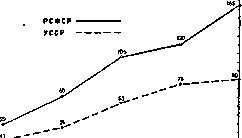
Fig. 4. Development of venereal dispensaries. 2. Venereal detachments are institutions intended for identifying foci of syphilis and the degree of its spread among the rural population. The first attempts to account for the spread of syphilis in Russian villages by sending special mobile detachments date back to the 1890s. Proper accounting of patients required, along with temporary provision of medical assistance, also extensive cultural and educational work among the population being surveyed. The latter, however, was impossible under the existing regime of that era, and detachments sent for investigation turned into only a mobile medical organization, which, in the absence of salvarsan and the short duration of detachments' stay in the same area, could not yield practically valuable results. The inadequacy of such a form of medical assistance to the peasant population and the impossibility of proper accounting of patients were recognized at the First Congress for the Fight against Syphilis in 1897, after which the dispatch of medical detachments was abandoned. The revival of the detachment organization dates back to 1923, the period of the convening of the First All-Union Congress for the Fight against V.D., at which the question of the actual spread of syphilis among the rural population and small nationalities arose with all its sharpness. The conditions that changed after the revolution ensured venereal detachments the full possibility of conducting sanitary and educational work among the surveyed population groups along with medical-survey activities. The scope of activity of the newly formed venereal detachments included: studying the degree and nature of the spread of syphilis and V.D., developing peasant initiative and instructing medical districts in the organization of the fight against V.D. The fulfillment of these main tasks is accompanied by the simultaneous provision of medical assistance to identified patients, which primarily aims at neutralizing contagious forms of syphilis. Closely linked with medical districts, which serve as the medical base, venereal detachments involve these districts in the active fight against V.D., promote the concentration in them of accounting for identified patients, thereby ensuring the latter the possibility of further observation and treatment after the detachment's departure from the medical district. The data collected by venereal detachments facilitate the planned development of organizations for the fight against syphilis in rural areas, identifying foci where permanent anti-venereal institutions should be established first and foremost. The significance of the detachment organization is especially great in the border regions and republics, both due to the high morbidity of the local population from syphilis and skin diseases, and due to their living conditions. The nomadic nature of the population in the border areas places on the forefront the provision of all types of medical assistance to them by a mobile organization, while the predominance of V.D. places venereal detachments at the center of this organization, which here function as permanent institutions, periodically returning to the nomadic areas to treat previously identified patients. The most developed is the detachment organization in the eastern border areas of the USSR, where the first venereal detachments were formed in 1924. An illustration of the activities of venereal detachments in the border areas can be provided by the data from the detachments of Kazakhstan, which provided assistance to 65,240 nomads during the first three-year period (1924-1927). In the central provinces of the RSFSR and autonomous regions, the number of venereal detachments and venereal points had increased by 1928 to 166 (see Fig. 5). 3. Venereal points are institutions of a more permanent type than venereal detachments and are primarily deployed where detachments have identified the most dangerous foci of syphilis. The tasks of venereal points include: a) accounting for patients with V.D., b) providing medical assistance to patients with V.D. who come directly to the venereal point and are referred for this purpose by medical districts; c) studying the prevalence of V.D. and, in particular, the spread of syphilis through household and family surveys of villages, rural, school, and children's institutions; d) sanitary and educational work conducted through conversations and lectures at the point and outside it, in reading huts, in rural clubs, at rural and volost meetings, as well as through the distribution of popular literature about V.D., by organizing permanent and temporary exhibitions and demonstrations of visual aids.
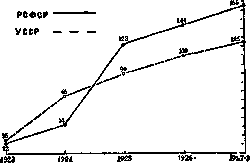
Fig. 5. Development of rural venereal institutions.
One of the main functions of ven. points is to develop peasant initiative in the fight against household syphilis, achieved by connecting ven. points with rural san. commissions and san. sections of volost councils. Ven. points, as a rule, are organized at medical districts and are under the jurisdiction of the latter, concentrating at them, along with treatment assistance, information about endemic foci of syphilis. Construction of ven. points was begun in 1923/24, first of all in places of the greatest spread of household syphilis and in areas previously surveyed by ven. detachments (see diagr. 5). II. Medical institutions have the purpose of providing free outpatient and inpatient assistance to patients with V. b. The first is provided to patients with V. b., in addition to the dispensary institutions listed above, by special receptions in outpatient clinics and polyclinics existing in large industrial and capital centers, where ven. dispensaries cannot cover all patients with V. b. with their treatment assistance. These special receptions are closely connected with the nearest (district) ven. dispensaries for uniform accounting and the development of unified methods of service with preventive assistance to patients with V. b. and members of their families. In order to unify the forms of service for patients with V. b., it is provided that special receptions will transfer to dispensaries those patients who need special types of assistance that are difficult to implement under the conditions of general receptions: examination of family members, working and living conditions, etc. The significance of special receptions in providing treatment assistance to patients with V. b. in large centers is characterized by the following data: in Moscow in 1926, out of the total number of primarily registered patients with V. b., 19,955 (52.5%) people applied to outpatient clinics and polyclinics, while in ven. dispensaries - 13,515 (34.2%). In connection with the development of the network of ven. dispensaries, the number of special receptions is, in general, small: according to data for 1926, out of the total number of all primarily registered patients with V. b., in peripheral cities of the RSFSR that had ven. dispensaries, on average, 80% were registered by ven. dispensaries and 20% by outpatient clinics and polyclinics. Special receptions have particular importance in providing assistance to patients with V. b. on rail transport, where, due to the dispersion of transport personnel over long distances, it is not always possible to concentrate assistance to patients with V. b. in nodal venereal dispensaries. The organization of inpatient assistance is determined by the presence of patients with V. b., who, due to their health condition, need bed treatment, and the need to isolate those who represent a special danger due to household or professional conditions in terms of further spread of infection. Inpatient assistance therefore has particular importance in treating patients with syphilis from the peasantry, because, in addition to household conditions contributing to the non-sexual spread of syphilis, outpatient treatment is often hampered by the impossibility of systematically visiting medical districts due to the great distance of them from settlements. The number of beds in the RSFSR, according to data as of January 1, 1927, was distributed as follows: in provincial cities - 3,170, in county cities - 2,213, in rural areas - 766, total - 6,149. In the Ukrainian SSR, the number of ven. beds, according to data for 1926, was 577, in the BSSR - 200, in Uzbekistan - 86, in Armenia - 65, in the Tatar Republic - 125. Of the total number of beds in the RSFSR, the larger part, mainly county and rural, was deployed in the five-year period 1921-26. Along with bed assistance in departments of urban and rural hospitals, it is also provided in special scientific-pedagogical institutions (clinics of universities and institutes for advanced training of physicians, ven. institutes in Moscow, Kharkov, Odessa) and in special hospitals, among the largest of which are: the Korolenko hospital in Moscow and the Tarnovsky hospital in Leningrad. For the treatment of children with V. b., there are special hospitals and departments: in Leningrad (Mechnikov hospital), in Moscow (at the October hospital) and homes-observatories for observation of girls who have had gonorrhea in (Moscow). The fight against ven. diseases among the rural population is carried out, mainly, by the rural district medical network. The intensity of treatment assistance to syphilis patients is evidenced by the consumption of anti-syphilitic drugs in the country. Thus, by Gosmedtorgprom from October 1, 1925 to October 1, 1927, Russian drugs (excluding mercury preparations) were sold: salvarsan - 2,272 kg and bismuth preparations - #.337 kg. S. Galperin. IV. Legislation on combating venereal diseases. Legislation in western countries. Legislation in the system of measures to combat V. b. exists in one form or another in all western countries. In the 19th century, in connection with the then existing view of prostitution as the only source of V. b., legislative measures were aimed mainly at regulating prostitution (see). Since the beginning of the 20th century, legislation on combating V. b. has also covered san.-hyg. and treatment measures and imposes certain obligations on the state, society and individuals in terms of responsibility for the spread and mandatory prevention of V. b. Legislative measures provide, first of all, for the definition of all V. b. as infectious diseases (Sweden, law of January 1, 1919; Czechoslovakia, law of June 11, 1922; Germany, law of 1927; Finland, draft law of March 31, 1924; Norway, law of 1923; U.S.A., law adopted in 1919 by 18 states; Italy, law of March 23, 1923; England, government order of July 12, 1926; Denmark, law of March 30, 1906; France, draft law submitted to the government in 1923). In connection with the view of V. b. as infectious diseases, in some countries mandatory registration of patients has been introduced. In Norway, written notification of each case of V. b. must be made within the nearest day, if the physician knows that notification about this patient could not have been sent to the health department by another physician. In Denmark, every physician is obliged to submit to the city or district san. inspector weekly information about registered patients with V. b., indicating age, sex, initials of first name and last name and the number under which the patient is registered. In Sweden, treating physicians notify san. physicians about patients with V. b. who interrupt treatment, enter military service and return after its completion. In Denmark and Czechoslovakia, the treating physician informs the san. inspection about patients who interrupt treatment and do not report its resumption, about patients who do not appear for mandatory re-examination, and about persons who do not follow medical advice and thus represent a danger of spreading V. b. In Germany, the treating physician is given the right to notify also about patients who represent a danger to others due to the nature of their occupation; in the U.S.A. the obligation to notify health authorities about cases of V. b. is imposed not only on physicians but on all persons diagnosing V. b. In Italy, notification of patients with V. b. is mandatory; along with registration of patients, legislation imposes on physicians the mandatory reporting of sources of infection. Reporting of sources of infection is provided for by laws in Sweden, Norway, the U.S.A. III. In development of this article of the law, in a number of countries, health authorities are given the right of compulsory examination of persons suspected of having V. b. Thus, in Denmark and Sweden, compulsory examination may be subjected to, in addition to persons about whom physicians have reported, also those suspected of engaging in prostitution and violating public decency by their behavior. In Germany, health authorities can demand examination of persons suspected of spreading V. b. and on the statements of private individuals, however, only in cases when the latter name themselves and their statements are sufficiently substantiated. Close to this is the American legislation, which also obligates subjecting to examinations for the presence of ven. diseases all persons imprisoned in federal and provincial prisons. A very important moment in legislation is the mandatory treatment of venereal patients and providing them with free assistance. In the Scandinavian countries, in the U.S.A. and in England, every patient or person suspecting they have V. b. has the right, regardless of their financial situation, to free medical examination, treatment, receipt of medicinal and inpatient assistance. In Italy, free assistance is decreed regardless of financial situation in cases where patients have contagious manifestations of V. b., in other cases it is provided only to indigent patients. In Czechoslovakia, free assistance is provided, as a rule, to the poor, but in individual cases it can extend to all patients. Furthermore, legislative measures impose on physicians the obligation to inform patients with V. b. about the nature of their disease, about the responsibility they face in case of spreading their disease. In Denmark, Czechoslovakia, Germany and France, every physician examining and treating patients with V. b. must inform them of the impossibility of entering marriage until complete recovery from V. b.
Doctors are required, in addition to oral explanations, to also give patients written instructions. Swedish and Danish legislation also provide for cases where doctors are temporarily exempt from this obligation due to special circumstances, or when patients have not reached the age of 15; in the latter case, the corresponding instruction must be given to the person exercising guardianship over the sick child. At the same time, doctors are held responsible for maintaining the confidentiality of V. b. In Czechoslovakia, the law obligates maintaining the confidentiality of V. b. patients not only for treating physicians, but also for persons who may become aware of the disease by law. The legislation of all countries (except France and Belgium) provides for punishment for infecting with V. b. Thus, in Germany, a person who knows or suspects that they suffer from V. b., and despite this, lives a sexual life or enters into marriage without warning of their disease, is punished with imprisonment for up to three years. In addition, a monetary fine or imprisonment for up to a year is imposed on: wet nurses who take up employment without prior medical examination, as well as those who hire them without ensuring that a medical examination preceded the employment; furthermore-persons entrusted with the care of a V. b. sick child, if they hand it over for nursing to unrelated women without warning them about the nature of the child's illness. In Czechoslovakia, infecting with V. b. is punished as causing grievous bodily harm, and if the infecting person acted knowingly, then in addition to imprisonment, they are also subject to a monetary fine of 100 to 1,000 crowns. In Germany, prosecution for infecting can be initiated within 6 months from the date of the statement. The legislation seeks to protect V. b. patients from charlatan treatment and the use of advertising means for treatment. Thus, in England, the right to treat V. b., prescribe any medications, and give advice to patients is denied to all persons without medical diplomas; at the same time, the advertising of therapeutic means and methods for V. b. patients is prohibited. In Germany, imprisonment for up to 6 months and a monetary fine is imposed for the dissemination, even in disguised form, of means and articles for the treatment of V. b. Treatment of V. b. in Germany is permitted only to physicians with German diplomas. In Czechoslovakia, Norway, and Germany, treatment by correspondence, the application of specific treatment without prior personal examination, advertising in any form, and treatment of V. b. patients by non-licensed physicians are prohibited. The legislation aimed at combating the spread of venereal diseases also includes measures regulating prostitution and punishing for procuring, keeping brothels, and involving in debauchery (see Prostitution). Legislative measures in the USSR until 1927 were limited to including in the Criminal Code articles punishing for the spread of V. b. Thus, Art. 150 of the Criminal Code punishes with imprisonment for up to 3 years for infecting with V. b., and for knowingly placing in danger of infection with V. b. through sexual intercourse or other acts-with imprisonment or forced labor for a term of up to 6 months. In 1927, by the mandatory resolution of the All-Russian Central Executive Committee and the Council of People's Commissars of the RSFSR 'On measures to combat V. b.', health authorities were granted the right to compulsory, including repeated, examination of persons regarding whom there are grounds to suspect that they suffer from V. b. in the contagious period, and compulsory examination is applied only in cases where the suspected persons refuse voluntarily to undergo examination. In case of refusal of V. b. patients to undergo voluntary treatment, health authorities are granted the right to compulsory treatment until the disease ceases to be contagious. This right is granted exclusively to health authorities in relation to V. b. patients who evade voluntary examination and treatment, who, according to the conclusion of the housing and sanitary supervision, may infect others due to their housing conditions and nature of work, working as hired wet nurses or domestic workers, pregnant women suffering from syphilis, and students in schools of the first and second levels, according to the conclusion of the school and sanitary supervision. The decision on the need to apply compulsory measures is also entrusted to the above-mentioned persons to venereal dispensaries and other venereal institutions, as well as to any treatment institution that establishes the presence of V. b. in the contagious period and the patient's arbitrary discontinuation of treatment during this period. The question of applying compulsory measures in relation to V. b. patients is decided by sanitary supervision authorities in relation to students, as well as those persons who, due to housing and professional conditions, threaten the spread of V. b.; by venereal dispensaries, and where there are none, by sanitary-prophylactic subdepartments of health departments,-in relation to those persons whose disease is established in the course of the current work of medical-sanitary institutions, in relation to wet nurses, domestic workers, and pregnant women suffering from syphilis. The process of summoning persons subject to compulsory examination and treatment is carried out by the investigative personnel of venereal dispensaries, who hand over an official proposal to appear at the dispensary; where there are no venereal dispensaries, suspected persons are summoned to the health department by a special summons without indicating the purpose for which they are summoned, and the health department directs them to the appropriate treatment institution. Failure to comply with the said resolution in the sense of not appearing for examination or refusal of treatment, the necessity of which is established by examination, entails responsibility both in the general judicial order (under Art. 150 of the Criminal Code) and on the basis of the mandatory resolution of the local executive committee, the violation of which (Art. 192 of the Criminal Procedure Code) entails forced labor for a term of up to one month or a fine of up to 100 rubles. In rural areas, the summoning of persons subject to compulsory examination or treatment and bringing them to legal responsibility is entrusted to medical-medical districts and to district sanitary physicians. To the legislative measures preventing the spread of V. b. can be attributed the mandatory mutual notification of marrying persons about their health status at the time of marriage registration. S. Galperin.
Related articles
Mentioned in
Cite this page
“Venereal Ulcer.” Soviet Medical Encyclopedia. English translation of Bolshaya Meditsinskaya Entsiklopediya, 1st ed. (Moscow, 1928–1936), ed. N. A. Semashko. https://sovietmedicalencyclopedia.pages.dev/article/venereal-ulcer/