Diabetes Mellitus
Historical document, translated for reference. It reflects medical knowledge of the 1920s–30s and is not medical advice.
Summary
Diabetes mellitus is a disease characterized by the excretion of significant amounts of sugar in urine. This historical article covers its history, pathology, symptoms, treatment, and epidemiology based on 1920s medical understanding.
Encyclopedia article (1928–1936)
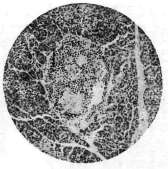
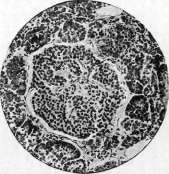
DIABETES MELLITUS. Contents: Historical data..............50 General information and statistics...........51 Pathological anatomy....... ..........53 Pathogenesis.....................55 Symptomatology and course of the disease........57 Treatment......................60 Prevention .................. 70 D. m. in children...................70 Diabetes mellitus, diabetes mellitus, sugar disease, or sweet urine excretion,-a disease in which under normal conditions of life and nutrition the patient begins to excrete in urine a greater or lesser significant amount of sugar. The term D. is related to the concept that the kidneys attract water to themselves and pass it into the urine. D. m. is otherwise called diabetes verus, i.e. true. Such a definition can be considered quite correct, since diabetes insipidus has nothing in common with the true sugar D. Historical data. The term D. in ancient medicine was understood as polyuria accompanied by exhaustion. Already Roman and even ancient Indian physicians knew of such a disease. The name "diabetes" is mentioned by Areteus of Cappadocia (30-90 AD). The English physician Willis in 1674 pointed to the sweet taste of the urine of diabetics. His countryman Dobson (1776) isolated a "sweet substance" from the urine and pointed out that the blood of diabetics has a sweet taste. The discovery of the sweet taste of urine made it possible for the Englishman Cowley (second half of the 18th century) to speak of D. without polyuria. That the sweet taste of urine comes from glucose was proven by Chevreul (1815) and for blood- Abrozioni (1835) and McGregor (1837).- Since Morgagni's time, searches began for the organ that becomes diseased in D., and already in 1788 Cowley described stones in the pancreas in one case of D. Indications of hardening of the pancreas in cases of gangrene and polyuria were given earlier by Lieutaud. Lesions of the pancreas were repeatedly found in diabetics by Rokitansky. Definitely spoke for the pancreatic origin of diabetes Bouchard (1845). His idea was developed by Lancereau. Experimentally D. was caused by removal of the pancreas by Mering and Minkowski in 1886; Dominicis (simultaneously), Lepine in 1889 (Dominicis, Lepine) and others emphasized the importance of internal secretion and in particular the islets of Langerhans. Finally in 1922 the incretin insulin was obtained, which to the present day has not been obtained as a chemically pure substance. The dominance of the doctrine of the pancreatic origin of D. m. for a long time was hindered by brilliant discoveries of Claude Bernard, from which (incorrectly) the exclusive importance of the liver and nervous system was derived. The idea of the predominant importance of the nervous system was also defended by Pflüger. The clinical development of the question of the treatment of D. dates back to Rollo (1790), who recommended a diet rich in protein substances and excluded carbohydrates. Subsequently, through the research of Naunyn, Noorden, Allen, it was proven that for a rational diet it is necessary not only to exclude carbohydrates from nutrition, but also to regulate the consumption of other parts of food. At present, the question of the therapeutic use of insulin is being intensively developed. General information and statistics. The sugar excreted by diabetics is dextrose (C6H12O6). Its content in urine varies-from fractions of a percent to 10% and more. Thus, per day, tens and hundreds of grams are sometimes lost. It should also be considered characteristic of D. the increased sugar content in blood. In a normal person fasting, sugar in blood does not exceed 0.12 in 100 cm3, in a diabetic it is often 0.2 and more. After taking carbohydrates with food, the difference between healthy and sick people becomes l i Sugar content in blood of a diabetic after taking 50 gr. of glucose. 0.2i O.I-0 1/ '/П\ -------Normal metabolism. Diabetic metabolism. After 1 hour after 2 hours after 3 hours Fig. 1. even more noticeable: in both, the concentration of sugar in blood temporarily increases, but this increase with normal metabolism is not so significant (not exceeding 0.2) and does not last long (1-1½ hours), whereas in a diabetic the concentration increases many times and remains at high figures for several hours (Fig. 1). Excretion of sugar strongly depends on the patient's nutrition (on the amount of carbohydrates and proteins introduced with food). D., once started, subsequently does not pass; sugar from urine can disappear only temporarily under the influence of treatment and diet, and when they are discontinued, it reappears. Thus true D. differs from non-constant, so-called transient glycosurias, observed in various diseases (infections, injuries, nervous diseases). The name "diabetes" is also not suitable for glycosurias of pregnancy, which do not require treatment, are not accompanied by hyperglycemia, and end spontaneously after childbirth. Undoubtedly, in many cases the basis of D. m. lies in an inherited predisposition. Among the factors favoring the manifestation of a tendency to develop D., but hardly being the main cause of the disease, infections, nervous shocks and overeating have been indicated since ancient times. To confirm the importance of these three moments, case observations are cited. Many authors try to prove the importance of overeating also with statistics, showing that D. is more widespread among population groups that eat well and abundantly. The best proof of the importance of the nature of nutrition for the occurrence and course of D. should be considered the observations made during the post-war famine: everywhere the morbidity and mortality from D. decreased noticeably in hungry years. Similar observations were also made during the siege of Paris in 1870. D. more often affects the urban population. D. is observed among representatives of all kinds of professions. Race has great importance. Thus, whites are more susceptible to sugar disease than blacks. The morbidity of Japanese and Europeans is approximately the same. D. is especially frequent among Jews. Mortality from D. varies in different cities. Table 1. Mortality from diabetes for 1907 (according to WILLIAMS) per 100,000 inhabitants. Cities Mortality Cities Mortality London .... 8.3 Dresden .... 11.3 Manchester . . . 6.6 New York . . . 17.4 Edinburgh . . . 12.7 Toronto .... 15.4 Christiania . . 12.0 Philadelphia . 12.3 Stockholm . . . 12.5 Chicago .... 10.7 Helsinki . . 5.0 Washington . . 17.3 Copenhagen . . 15.8 Baltimore . . . 15.0 Amsterdam . . . 11.8 Buenos Aires . 5.6 Brussels . . . 14.1 Melbourne . . . 11.0 17.6 Krakow .... 13.0 25.8 Warsaw .... 8.1 Berlin .... 20.8 Rome...... 13.0 Hamburg .... 8.5 Madrid .... 10.5 Frankfurt n/M.: 16.5 Athens ..... 11.0 Munich . . . . | 15.0 Calcutta . . . 9.2 Table 2. Mortality from diabetes (according to Joslin) per 100,000 inhabitants. Years Berlin Paris London New York Boston 6.3 3.6 1900 . 10.3 17.0 - 11.4 15.2 1910 . 19.0 18.4 -' 18.6 20.8 1915 . 20.5 13.2 11.9 24.1 27.1 18.5 13.4 11.4 22.8 26.8 1917 . 14.1 13.5 10.0 24.3 21.3 12.0 9.6 8.1 22.3 19.6 1919 . 10.9 10.3 8.7 21.2 23.5 1920 . 10.9 - 8.0 21.4 24.2 1921 . - 9.3 24.1 19.8 1922 . . -' ~ 25.0 29.0 According to my data, autopsies for 1923-27 on 28,916 autopsies (counting those who died at age 1 year and older), 101 cases of D. were observed. The main mass of cases falls on 1925-27, when mortality reached 50:10,000. The morbidity of diabetes among the population of most European states apparently is increasing (Fig. 2 and 3). Figure 2. Pathological anatomy. D. m. belongs to the number of diseases that are easier to recognize during the patient's life than at the autopsy table. Postmortem D. m. is determined on the basis of changes in the pancreas and accumulation of glycogen in the epithelium of kidney tubules. As for changes in the pancreas, they are found either in all parts of the gland (granular atrophy, or Hansemann's atrophy-mainly in adult diabetics) or only in the islets of Langerhans (mainly in young diabetics)-Weichselbaum's theory. In diabetics, the number of islets of Langerhans is reduced (e.g., instead of the normal amount of about 130 per 50 mm3 only 30-40 are found), and they are less pronounced or are shrunken, showing excessive development of connective tissue. On the other hand, sometimes secondary, as if compensatory proliferation of cells in the islets of Langerhans is observed (see separate table, Fig. 4 and 6). The blood vessels of the gland are often affected by hyalinosis, and the entire gland, due to changes in vessels and parenchyma, can be cirrhotically changed or overgrown with fatty tissue (so-called lipomatosis) (see separate table, Fig. 5). The weight of the pancreas in diabetics usually decreases 2-3 times (to 30.0 and below). However, cases of slight atrophy and even normal weight of the gland are observed. Despite the thoroughness of the research, changes in the pancreas are not found in all diabetics to this day, but in most observations they are still present, and on the basis of this the doctrine arose that the disease D. m. is the result of damage to the pancreas.
The deposition of glycogen in the kidney tubules (Henle's loops) is a manifestation of carbohydrate metabolism disorders. Such deposition is not encountered in other diseases and therefore definitely indicates diabetes. As for the glycogen content in the liver and muscles, no definite regularity is observed. The liver in diabetics is often enlarged, which is based on the infiltration of its parenchyma with glycogen and fats; previous indications of the characteristic deposition of glycogen in the nuclei of liver cells are now disputed; the liver of severe diabetics who died from coma usually contains little glycogen, but this sign is not entirely constant. When glycogen is abundant in the liver, it is distributed uniformly; in small quantities, it lies mainly in the peripheral parts of the lobules; glycogen is often found in the blood and lymph vessels of the liver, although this is considered by some to be a postmortem phenomenon. The reticulo-endothelium of the liver is often saturated with lipoids, which is apparently connected with lipemia. As a manifestation of the same, lipoid infiltration of the cells of the spleen pulp (in large-cell hyperplasia of the organ's pulp) can also be observed. In diabetes mellitus, significant destructive processes are observed as a result of the instability of tissues with respect to suppurative processes, inflammation of the bladder, etc. The tendency of diabetics to exudative forms of tuberculosis of the lungs (lobar caseous pneumonias) should be particularly emphasized. Finally, such processes as arteriosclerosis may depend not so much on diabetes as arise parallel to it. However, the question of constitutional peculiarities of diabetics has not yet been sufficiently clarified.
Pathogenesis. As long as it was only known that in diabetes the pancreas is often altered, it was not easy to recognize the connection between it and the disturbed diabetic metabolism. The most probable assumption was that the carbohydrate metabolism of all cells is humorally regulated by a special internal secretion formed in the pancreas. This conception agreed well with the experimental data and was recognized as indisputable when insulin was obtained from the islets of Langerhans and its effect on blood sugar was proven (Banting and Best; 1922). With the discovery of insulin, the pancreas—or rather its islet part—could finally be classified as a gland of internal secretion. The question of diabetes thanks to this new discovery has been significantly clarified, but at the same time new tasks have arisen. Both clinical observations of diseases of the glands of internal secretion and experiments in this field clearly demonstrated that between all the glands of internal secretion there is mutual dependence, the disease of any of them is reflected in the others. In particular with respect to glycosuria, it is known that it is observed not only in diabetes but sometimes also in Basedow's disease and in acromegaly. It is also known that diabetics poorly tolerate thyroidin and that by injecting adrenaline one can increase the sugar content in the blood. Thus it is undoubtedly true that carbohydrate metabolism is connected with the entire system of glands of internal secretion. It has not been possible to find anatomical changes in any glands in diabetes besides the pancreas; there are indications (Kraus), not shared by all, of atrophy of the eosinophilic elements of the anterior lobe of the pituitary gland (in young diabetics). Kraus points to atrophic changes in the adrenal glands. From the side of the sex glands (testicles, ovaries), atrophic and sclerotic phenomena are also not uncommon. Of all internal secretions, insulin has the strongest influence on the excretion of sugar in the urine; almost all glycosurias are subject to its influence, and so it would seem that carbohydrate metabolism is mainly controlled by the pancreas, directly or indirectly subordinating to the influence of its internal secretion the formation, destruction, and in general the entire chemistry of carbohydrates. Diabetes with changes in the pancreas is observed not only in humans but also in animals. It is not possible to experimentally induce a picture of diabetes, in all details similar to that observed in the clinic, because there are no ways to achieve anatomical damage to the pancreas with isolated or at least predominant damage to the islets of Langerhans. But it is possible to cause a disturbance of metabolism very similar to that observed in diabetes by various means. Since the time of C. Bernard it has been known that a puncture of the floor of the fourth ventricle of the brain is accompanied by glycosuria and the disappearance of glycogen from the liver. At present it has become known that in general damage to many parts of the brain stem leads to glycosuria. These glycosurias are temporary and rather resemble that transient appearance of sugar in the urine which is sometimes observed in diseases of the nervous system than true diabetes. Another way to create a similarity to diabetes is poisoning. There are many poisons that act on carbohydrate metabolism. Adrenaline and phloridzin give glycosuria. Phloridzin glycosuria has been studied especially thoroughly and frequently. Phloridzin glycosuria differs somewhat from true diabetes in the absence of those significant increases in blood sugar concentration which are so characteristic of diabetes; but it is convenient in that by repeated injections of phloridzin one can maintain glycosuria for a long time and observe the effect of prolonged loss of sugar on both metabolism and generally on the entire picture of the disease caused by glycosuria.
The closest to diabetes is that disturbance of metabolism which occurs after complete removal of the pancreas. The resulting picture (glycosuria, glycosmia, duration of suffering, as well as emaciation, thirst, and increased hunger) is completely similar to that observed in the clinic in the disease of sugar. Moreover, the basis of these phenomena (lack of insulin) is the same in both cases, with the only difference that in clinical diabetes there is a gradual withering, degeneration, death of the islets and sclerosis of the gland, while the external secretion, as far as is known, is not disturbed, whereas in the experiment the entire gland is removed and both types of secretion are destroyed at once. Experimental diabetes is important not only for clinical medicine and the study of the disease of sugar; in the field of physiology, phloridzin and pancreatic glycosurias are used to solve many important questions concerning carbohydrate metabolism. The in vivo conversion of glycogen into sugar, the formation of carbohydrates from protein and fat, the transfer of fat reserves from connective tissue to the liver—all these and other questions have been and are being investigated using the technique of Mering and Minkowski (1890). The dispute about the possibility of forming sugar from protein seemed to be resolved very simply by observations on experimental diabetes. The ratio of the excreted sugar to the decomposed protein (i.e., to all the nitrogen of the urine) in dogs with the pancreas removed is quite constant. The coefficient N/S most often fluctuates between 2.8-3.0. For a long time this proved that from a certain amount of protein a certain amount of sugar is formed until it was discovered that N/S can also equal 5 and 6 or more. In any case, the sugar formed from protein is not excreted immediately, but undergoes many more influences which can affect the coefficient N/S. (At present the conversion of protein into sugar in diabetes is proven by other calculations.)
Artificial diabetes is not so convenient for the study of acidosis because the dogs usually used for the experiment are little inclined to this disturbance of metabolism. Analyses of the urine of diabetics show that the deviation of metabolism in diabetes mellitus consists not only in the appearance of sugar in the urine, but besides this one can also notice some irregularity in the excretion of other substances. The excretion of phosphates is increased, especially in the form of neutral salts. The excretion of chlorides is also increased. The excretion of uric acid is increased. The excretion of nitrogen is increased, especially in the form of urea. The excretion of creatinine is increased. The excretion of indican is increased. The excretion of sulfates is increased. The excretion of calcium is increased. The excretion of magnesium is increased. The excretion of potassium is increased. The excretion of sodium is increased. The excretion of iron is increased. The excretion of copper is increased. The excretion of zinc is increased. The excretion of manganese is increased. The excretion of cobalt is increased. The excretion of nickel is increased. The excretion of molybdenum is increased. The excretion of chromium is increased. The excretion of vanadium is increased. The excretion of tungsten is increased. The excretion of titanium is increased. The excretion of beryllium is increased. The excretion of boron is increased. The excretion of fluorine is increased. The excretion of silicon is increased. The excretion of arsenic is increased. The excretion of selenium is increased. The excretion of bromine is increased. The excretion of iodine is increased. The excretion of lithium is increased. The excretion of rubidium is increased. The excretion of cesium is increased. The excretion of scandium is increased. The excretion of yttrium is increased. The excretion of lanthanum is increased. The excretion of cerium is increased. The excretion of praseodymium is increased. The excretion of neodymium is increased. The excretion of samarium is increased. The excretion of europium is increased. The excretion of gadolinium is increased. The excretion of terbium is increased. The excretion of dysprosium is increased. The excretion of holmium is increased. The excretion of erbium is increased. The excretion of thulium is increased. The excretion of ytterbium is increased. The excretion of lutetium is increased. The excretion of hafnium is increased. The excretion of tantalum is increased. The excretion of tungsten is increased. The excretion of rhenium is increased. The excretion of osmium is increased. The excretion of iridium is increased. The excretion of platinum is increased. The excretion of gold is increased. The excretion of mercury is increased. The excretion of thallium is increased. The excretion of lead is increased. The excretion of bismuth is increased. The excretion of polonium is increased. The excretion of radium is increased. The excretion of actinium is increased. The excretion of thorium is increased. The excretion of protactinium is increased. The excretion of uranium is increased. The excretion of neptunium is increased. The excretion of plutonium is increased. The excretion of americium is increased. The excretion of curium is increased. The excretion of berkelium is increased. The excretion of californium is increased. The excretion of einsteinium is increased. The excretion of fermium is increased. The excretion of mendelevium is increased. The excretion of nobelium is increased. The excretion of lawrencium is increased. The excretion of rutherfordium is increased. The excretion of dubnium is increased. The excretion of seaborgium is increased. The excretion of bohrium is increased. The excretion of hassium is increased. The excretion of meitnerium is increased. The excretion of darmstadtium is increased. The excretion of roentgenium is increased. The excretion of copernicium is increased. The excretion of nihonium is increased. The excretion of flerovium is increased. The excretion of moscovium is increased. The excretion of livermorium is increased. The excretion of tennessine is increased. The excretion of oganesson is increased.
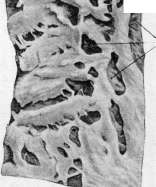
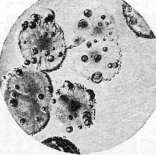
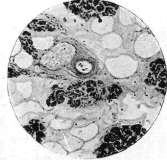
Figure 1. Chronic ulcerative colitis after dysentery; a - ulcers with cicatrizing base; b - islands of preserved mucous membrane. (From the museum specimen of the Path.-Anat. Inst. of the 1st Moscow State University.) Figure 2. Cholera vibrio. Large light colonies; on their surface in the form of papillae - secondary, daughter colonies. Figure 3. Bacillus anthracis. Left - large colonies, right - small white colonies. Figure 4. Hyalinosis and atrophic phenomena in the islet of Langerhans in diabetes. Figure 5. Pancreas in diabetes: lipomatosis, areas of atrophied parenchyma, hyalinosis of small vessels. Figure 6. Pancreas in diabetes: sclerotic changes of the Langerhans islet - significant thickening of the capsule around it and development of connective tissue strands inside. To the article Diabetes Mellitus. Dysentery. Dissociation of microbes. in the distribution of nitrogen between various nitrogen-containing substances. The appearance of amino acids in the urine, indicated by some authors, has not yet been sufficiently verified and is unclear in its significance. The most important is considered to be the increased excretion of ammonia, which is observed in many patients. While on the diet recommended for diabetic patients, a healthy person excretes 0.75-1.5 g of ammonia, in a diabetic one can find several times more. With an excess of ammonia, acetone, acetoacetic, and oxybutyric acids are also always determined. Of these three nitrogen-free bodies, both acids determine the increased excretion of ammonia, which is necessary for their neutralization (sometimes incomplete). That in these states, called acidosis or ketosis, an accumulation of acid-natured substances in the blood actually occurs is seen from the fact that in such cases less easily releasable carbonic acid is determined in the plasma than in the norm. This is explained by the fact that the neutralizing action of the blood is depleted, and instead of bicarbonate, compounds of the above-mentioned acidic substances are formed. At extreme degrees of acidosis (see), when more and more acidic substances enter the blood, the pH can drop from the normal 7.3-7.4 to 7.0. Such pH figures have hitherto been observed only in diabetic coma. Whether coma occurs solely from acidosis, i.e., depending only on the acidic nature of these metabolic products, or the chemical structure of the entire molecule of these substances is also of importance, remains a subject of disagreement among various researchers. Characteristic of diabetes should also be considered the increased content of fat and lipoids in the blood (up to 10%); at the same time, the plasma does not always acquire a milky appearance (lipemia or lipoidemia). This phenomenon is also observed with a low-fat diet. Its meaning is unclear. The material serving for the formation of acids in acidosis is provided mainly, if not exclusively, by fats. The participation of the pancreas in the picture of diabetes, evident on the basis of anatomical and experimental data, forced all efforts to be directed towards obtaining and studying that hormone which is secreted by the cells of Langerhans into the blood and regulates the general carbohydrate metabolism of all cells. The result of these efforts was the discovery of insulin. Symptomatology and course of the disease. As rich as diabetes is in all sorts of characteristic metabolic irregularities (sugar excretion, high blood sugar, ketonuria, increased ammonia excretion, lipemia), it is equally poor in definite bright clinical signs; although the existence of diabetes in a patient can be assumed on the basis of many symptoms, the diagnosis should be made only by urine analysis. The patient most often complains of weakness, thirst, and weight loss with a good appetite. Without touching upon the question of where and why carbohydrate metabolism is disturbed, one can conclude solely on the basis of constant glucose losses in the urine that the diabetic budget is burdened compared to normal with extra and unproductive expenditure. However, despite the fact that the diabetic loses glucose (a substance rich in carbon), in some patients at the beginning of the disease, and in others throughout life, the fat reserve remains untouched (often expressed even above normal). The frequent combination of diabetes and obesity in one patient or in different members of the same family indicates that these two afflictions do not exclude each other, but are rather related. The increased appetite and weakness, sometimes existing with abundant fat reserves, arise from the fact that the cells of the organism remain hungry, since the protoplasm has lost the ability to assimilate glucose; no matter how much the diabetic eats, this does not succeed in forcing the tissues to assimilate sugar - they starve in the absence of insulin and signal this with appetite. The diabetic state caused by insulin deficiency weakens the resistance of all organs and tissues. On the basis of such weakening, all sorts of complications can arise (suppurations, tuberculosis, diseases of the sense organs, skin, etc.). The excretion of more or less significant amounts of glucose is associated with polyuria. This symptom of easy permeability of the kidneys for water, noted long before sugar was found in the urine and carbohydrate metabolism disorder was discovered, gave diabetes (see) its name. Polyuria is usually more pronounced at a young age than in senile age. Its intensity as a rule noticeably weakens with a decrease in sugar excretion. Polyuria leads to dryness of the skin and mucous membranes and thus causes thirst. Complications of diabetes (although less frequently than weakness and thirst) are also in many cases the reason forcing the patient to consult a doctor, and their origin and connection with the underlying disease are thus discovered. Finally, diabetes is often discovered quite accidentally (during life insurance, upon admission to military service, during periodic examinations in schools and other systematic examinations). As already mentioned, sugar disease is combined and complicated by some favorite diseases. Arteriosclerotic phenomena are characteristic mainly of diabetes of mature years, often proceeding without large losses of glucose. Arteriosclerosis leads in these cases to all the usual consequences (often angina pectoris). Arteriosclerotic gangrene is especially severe in diabetics. From the nervous system, painful mononeurrites are frequent, which stubbornly persist even with aglycosuria achieved by diet. Neuritis of the lower extremities sometimes gives pain in the region of the sciatic nerve, sometimes manifested by the loss of knee reflexes. The urinary system, apart from persistent cystitis, urethritis, and balanitis, is sometimes affected by diabetic nephritis (or diabetes is combined with kidney stones). In the eye, diabetic changes are very diverse: both accommodation, retina, and lens can suffer. Symptoms from vision can even lead to the detection of diabetes. Weakness of accommodation is especially common, passing with successful treatment of diabetes. Iritis and sluggish reaction of the pupils in diabetes are not observed. Diabetic cataract sometimes appears at a young age; often develops unusually rapidly (within weeks) and is sometimes bilateral. Examination of the fundus in lipemia gives paleness of the retina. An independent disease of the retina is diabetic retinitis, the ophthalmoscopic demarcation of which from albuminuric retinitis is not easy. Retrobulbar neuritis of the optic nerve has also been described. From the side of the skin, local or general itching can be observed (or it becomes infected, and boils and carbuncles appear on it). Wounds of the skin, as well as wounds of deep parts, heal poorly in diabetes. Diabetes does not have a single picture of the disease. Sometimes it causes the patient no suffering and trouble. In other cases, exhaustion, weakness, loss of working capacity, and complications cause great suffering. In some patients, the amount of excreted sugar under the same nutritional conditions remains the same for many years. A slow or rapid deterioration of metabolism is more commonly observed. The character of the disease, and along with it the prognosis, are clarified by methodical observation and largely depend on the prescribed treatment and how it is carried out by the patient. The younger the patient, the heavier, generally speaking, the disease usually proceeds. However, in recent years, cases of mild diabetes have been noted, little dependent on diet and continuing from a young age throughout life without noticeable deterioration (diabetes innocens). Diabetic acidosis and coma. Of a very special significance in diabetes is the excretion of acetone bodies. It is not obligatory for all cases. It is also impossible to say that it necessarily occurs wherever a lot of sugar is excreted: abundant ketonuria is often observed when sugar excretion in the urine has ceased under the influence of diet. It should therefore be recognized that ketonuria is a feature indicating a certain deepening of metabolic disorder. What causes it and how it is connected with glycosuria is not yet entirely clear. It is noteworthy that diabetic ketonuria improves with the use of insulin. Clinical symptoms by which one could suspect the existence of ketonuria in a patient do not exist. It sometimes persists for years, making itself felt by nothing. But on the other hand, in patients excreting acetone bodies abundantly, the picture of so-called diabetic coma may develop.
Sometimes immediately, more often after a certain precomatose period (malaise, headaches, or a feeling of being broken), a clouding of consciousness sets in, gradually reaching its complete loss. The trigger for the development of coma is often given by intestinal function disorders, tonsillitis, boils, and similar accidental circumstances. A patient in diabetic coma resembles a person in a state of deep anesthesia. Respiration is deep and rare (Kussmaul's large respiration) or frequent and superficial. The eyeball in some cases becomes completely soft (Krause's sign). The pupils, however, do not cease to react to light. Convulsions are not characteristic of coma. Blood sugar reaches a high concentration (up to 1%), while sugar in the urine may be absent. To distinguish diabetic coma from other unconscious states, it should be remembered that acetoacetic and oxybutyric acids are detected in the urine of such patients, and in the blood, the Van Slyke method shows low reserve alkalinity. Patients in diabetic coma, and sometimes without coma, in a state of severe ketonuria, emit a fruity odor. This symptom is somewhat elusive and cannot depend on the odor of the urine, since there is almost no acetone in the urine, but mainly acetoacetic acid, while acetone is excreted in the breath, which may be noticeable to a subtle sense of smell. In addition, recently, acetaldehyde has also been found in the secretions of a diabetic, the odor of which also resembles apples. On the basis of the odor, the diagnosis of coma cannot be made. At present, the significance of acetone bodies for the occurrence of coma is disputed by some authors on the grounds that there are rare cases of coma without ketonuria. It is also pointed out that sometimes coma in diabetes mellitus is caused not by acidosis, but by cardiac weakness and an extremely sharp drop in blood pressure (vascular coma). Treatment of diabetes mellitus. There are no means to influence the anatomical process in the pancreas and restore the destroyed islets of Langerhans, and all treatment of diabetes is aimed at correcting the metabolism suffered from the disease of these islets. The cessation of sugar excretion in the urine and the lowering of glycemia to normal figures (not higher than 0.12 on an empty stomach) serve as a guiding goal in this regard. To achieve it, it is necessary first of all to establish what factors influence the sugar content in the blood and urine. Practice has shown that it is easiest to stop glucosuria in a diabetic if he is made to fast. After a day or several days in these cases, sugar most often disappears from the urine. Any nutrition is a stimulus to the development and increase of glucosuria. Whether sugar will appear from minimal feeding or only with sufficiently abundant and appropriately prepared food depends on the severity of the disease and the individuality of the patient. Food acts on the disordered metabolism of sugar patients with its three components: carbohydrates, proteins, and fats. Within the widest limits, the amount of glucose excreted in the urine can be increased and decreased by changing the amount of introduced carbohydrates. Some diabetics stop excreting sugar only if there are no foods rich in carbohydrates in the food at all. Others can eat a limited amount of carbohydrates without excreting sugar at all. This practically important amount of tolerated carbohydrates characterizes the so-called tolerance to carbohydrates. Finally, in some, neither reduction nor complete exclusion of carbohydrates from food stops glucosuria. Then it is necessary, in addition to removing carbohydrates, to also more or less strongly reduce protein nutrition. Moreover, often a patient tolerates a little bread in the absence of meat in the food and immediately responds with glucosuria if the bread is canceled and replaced with meat. Therefore, it is also necessary to take into account the dependence of sugar excretion on protein metabolism and the sensitivity of patients to protein. The most doubts arose regarding whether diabetic glucosuria could fluctuate under the influence of large or small amounts of dietary fats. There is no doubt that a diabetic is less sensitive to fat than to protein and especially to carbohydrates. But while many authors do not hesitate to feed patients abundantly with fats, others consider it necessary to observe caution and moderation in this regard as well. It is also very possible that short-term feeding of the patient with large portions of fat does not harm, but prolonged feeding worsens the state of metabolism. Most likely, when prescribing a diet, not so much the absolute amount of consumed starch, protein, and fat matters, as the mutual ratio of these three groups of nutrients. No less important than clarifying the dependence of urine sugar on the composition of food is clarifying the dependence of ketonuria on food; much remains unclear in this area. If one monitors the excretion of acetone bodies in a diabetic, one can generally say that with the improvement of diabetes, ketonuria also decreases, but a complete parallelism of the acetone curve and the sugar curve is not observed, and the improvement of ketosis occurs either earlier or later than the decrease in sugar excretion. The excretion of acetone bodies can sometimes be reduced by feeding carbohydrates, despite the fact that glucose excretion will increase greatly from this. Conversely, enhanced protein nutrition tends to increase ketonuria, especially if the patient is deprived of carbohydrates at the same time. A diabetic tolerates an increase in proteins and a decrease in dietary carbohydrates very poorly (if this is done suddenly). Such a mistake can easily cause a coma. It is also recommended with large ketonuria not to give patients too much butter. If ketonuria can be suppressed by carbohydrates and increased by means of fats and proteins, then, by introducing all three substances into metabolism, a different result is obtained depending on the composition of the food. Making a rather complex calculation, Shaffer came to the conclusion that ketosis is prevented if the weight of dietary fats is no more than twice the weight of carbohydrates added to half the weight of proteins. This so-called ketogenic-antiketogenic ratio still needs careful verification. The most suitable diet for a patient with a large excretion of acetone bodies should be considered a sufficient amount of carbohydrates without a large amount of proteins and fats. Fasting, carried out gradually, almost always has a good effect on ketonuria, while the sudden appointment of fasting days can give poor results. As for the general nutritional value expressed in calories and contained in the prescribed diet, its evaluation in a diabetic should be approached very cautiously. As much as caloric calculation is important in planning mass nutrition of healthy people, so often in cases of individual diet it is necessary to depart from general rules. One could find the basal metabolism of a diabetic according to the same tables as for a healthy person, and, making an allowance for the work performed, calculate the caloric requirement in food; approximately this will give 20-30-35 calories per 1 kg. However, the state of the basal metabolism of a diabetic is different in different cases. Patients with severe diabetes, especially with large ketonuria, undoubtedly possess an increased basal metabolism, and this circumstance gives reason to think about the excessive activity of their thyroid gland. Another group of sugar patients, on the contrary, shows a decrease in basal metabolism. It has been noticed that reduced basal metabolism is often observed in such patients who have been on a meager diet for a long time, and in the reduction of metabolism, one can see some adaptation to low nutrition. With such ambiguity of the question of basal metabolism, caloric requirement calculations have to be treated with caution, and therefore all these calculations do not have great practical significance, but are only useful as initial ones at the beginning of prescribing a diet and in the future must be corrected. Decisive instructions for correction will be the weight of the patient and the state of his strength; having an order for a diet of a certain calorie content, in a healthy person, fats can be replaced at will by carbohydrates, and vice versa; one can even strongly change the amount of protein, partially replacing fats and carbohydrates with them. All these movements in a diabetic are limited. Carbohydrates should not go beyond the limits of tolerance, with proteins one should also be somewhat cautious, and only fat nutrition remains free. Some authors put forward the proposition that the metabolism of a diabetic should not be burdened with an excess of calories. In other words, this means that any weight gain in a diabetic should be treated with caution and not sought, especially at the beginning of treatment. The weight of a diabetic is regulated mainly by fat. In contrast to this, strength and the feeling of hunger depend most of all on the protein fraction of food. Outside the hospital, working and not undergoing metabolic correction treatment, a diabetic requires approximately 1-1.5 g of protein per 1 kg of weight. In order to destroy glucosuria and allow metabolism to grow stronger, it is sometimes necessary to temporarily reduce protein consumption and reduce their introduction to 0.5 g (Noorden). For the rest, Bouchard's advice remains correct—"eat as little as possible." To produce an accurate caloric calculation on an individual patient, even with some approximation, is almost impossible. The ideal of treatment—freeing the patient from glucosuria for a long time—is unfortunately not always achievable.
In cases where it is possible to find a diet that is not too burdensome for the patient and under which sugar excretion ceases, one should definitely insist on its prolonged observance. In more severe forms, one has to contend with the impossibility of adhering to dietary restrictions all the time and living under a regimen that destroys urine sugar but is incompatible with any activity, repulses with its monotony, and contradicts the needs and tastes of people. Great relief has been brought to the treatment of such patients by insulin, which makes it significantly broader to expand the diet. But, despite patience and insulin, severely ill patients must periodically return to sanatorium or clinical treatment and here be subjected to various forms of strict and inconvenient regimes in order to somewhat correct their shaken metabolism. The results of the dietary regimen manifest themselves in several directions. Improvement in strength, reduction of hunger and thirst are noted by patients. Improvement in metabolism also leads almost always to some increase in tolerance, and after a period of diet, the diabetic can eat more bread than before without excreting sugar. Hyperglycemia persists more stubbornly. Only at the beginning of the regimen, when gross errors preceding the treatment period are eliminated, does blood sugar drop quickly. Further, despite aglycosuria, a halt usually occurs at relatively high figures, and for new successes, if they occur, it may take a lot of time. Complications of diabetes mellitus either pass quickly or persist despite the elimination of glycosuria. Technique of carrying out the diet. There are a number of types of diet that are used to eliminate glycosuria. In what sequence to introduce one or another regimen is decided by trial. Diet with limited carbohydrate intake. In the mildest cases of diabetes, it is often sufficient to forbid the patient all sweets or, on top of that, restrict the intake of bread and all flour products, and glycosuria ceases. In these cases, the patient usually quickly gets used to their regimen. Strict diet. Implementing the principle of reducing carbohydrate nutrition more consistently, one arrives at the so-called strict diet. Practically, it is impossible to achieve the complete removal of carbohydrates from food, because any food contains a few carbohydrates. Therefore, on days of a strict diet, in addition to pure protein food (meat, cottage cheese, cheese, eggs), vegetables that do not contain (except for harmless cellulose) a large amount of carbohydrates (on average no more than 5-10%) are also allowed. Sometimes the patient can be explained the principles of strict diet, and the establishment of the amount of food can be left to them, and a good effect of the diet still occurs. Sometimes it is necessary to restrict the diabetic in this regard, indicating the limit of consumption of protein products (e.g., 200 g of meat or fish and 2 eggs and 100 g of cheese). Butter is recommended at this time to be 100-150 g. The amount of vegetables is usually not established more precisely. A strict diet used to be carried out for very long periods. Now the appointment of a strict diet is usually practiced no longer than two weeks. The insertion of a few days of a strict diet from time to time is recommended even when the patient is discharged home and it is necessary to strive to maintain the results achieved by treatment. The more the daily portion of animal proteins is reduced, the closer one approaches the next type of diet. Vegetable diet strives to give the patient as few animal proteins as possible (eggs) and feed them with plant proteins and fats; at the same time, a certain amount of carbohydrates is still prescribed, relying on the fact that in the absence of proteins, carbohydrates are better tolerated by the diabetic. The amount of vegetables provided to the patient per day reaches an average of 500-1,000 g. The amount of butter, as well as the number of eggs, can vary depending on circumstances. On average, 100-150 g of butter and 2-4 eggs are given. Wishing to unload the protein metabolism of diabetic patients as much as possible, one can take only the fat-rich yolk from eggs. The Petren diet differs somewhat from ordinary vegetable days; Petren recommended prescribing a long-term vegetable diet for weeks and months, consisting of vegetables (cabbage, spinach, cauliflower, cucumbers, fresh green beans), berries (strawberries and especially lingonberries, which the patient sometimes receives up to 1/2 kg per day), and apples. To this is added 150 cm3 of thick cream (30% fat) and up to 250 g of butter (or the same amount of lard). In addition, broth, coffee, and tea are given. The Petren diet is rarely carried out in the form recommended by the author himself. Patients almost always refuse such fatty food. Oatmeal diet. The principle of oatmeal, or rather carbohydrate days, consists in the greatest possible reduction of protein nutrition with a simultaneous increase in the portion of fat and carbohydrates. Among diabetics, there are individuals who tolerate this form of diet well and do not excrete sugar at the same time. In addition to theoretical significance, the oatmeal diet is interesting because a certain amount of carbohydrates after a period of strict diet acts favorably on metabolism (especially if there is ketonuria at the same time). The oatmeal diet can sometimes also be useful for intestinal disorders. However, generally speaking, this form of diet is rarely used and in its applicability is far inferior to the universal vegetable diet. Instead of oatmeal, other groats can also be given, especially buckwheat and rice. The amount of prescribed products (in dry form) can sometimes be brought up to 200 g. In addition, another 100-200 g of butter is added to the food. In addition to the carbohydrate product, it is allowed to add a little salad or sauerkraut or fruit. Tea, coffee, and broth are allowed; it is essential not to give protein nutrition on these days. Falta, striving to use as widely as possible the ability of diabetics to assimilate carbohydrates with reduced protein nutrition, proposed his schedule. Falta's menu includes all sorts of carbohydrate-rich vegetables: peas, beans, lentils, rice, potatoes, as well as a little bread and flour. All these products, as well as butter, broth, and wine, are given daily in small portions. Apparently, it is still more expedient to manage on carbohydrate days with some single starch-containing product. Oatmeal enjoys the greatest success so far. By forcing the patient to eat very meagerly, one can be even bolder with carbohydrates. It is possible to prescribe nutrition with sweet fruits, which introduce little energy into metabolism, but pleasantly refresh and in many cases are tolerated well (apples, berries, and even watermelon in an amount up to 1-11/2 kg). Broth and tea are additionally permissible on these days. Starvation diet. By reducing the amount of fruit and greens more and more, one arrives at a completely starvation diet. On these days, the patient can be given broth, coffee, tea, a little cognac, and, if necessary, a little pantopon or morphine. One should not insist that the patient not eat a single leaf of lettuce or apple or cucumber on these days. A starvation diet for two to three days is tolerated very well, and there are almost no complaints from patients.
Tables of food composition (per 100 g). Products rich in protein, suitable for a strict diet. Food products | Proteins | Fats | Carbohydrates | Calories / Raw meat ... / Boiled ... / Fried ... / Veal ... / Pork ... / Ham ... / Chicken ... / Zander ... / Carp ... / Herring ... / Fresh salmon ... / Sardines ... / Caviar ... / One egg ... / One yolk (average weight 17 g) ... / One white (average weight 28.1 g) ... / Fresh cottage cheese ... / Dutch cheese / Swiss cheese / Fats, butter, milk. Food products | Proteins | Fats | Carbohydrates | Calories / Butter ... / Vegetable oil ... / Milk ... / Cream ... / Lard ... / Sour cream ... / Bone marrow ... / Products containing mainly carbohydrates. Food products | Proteins | Fat | Carbohydrates | Calories / White bread ... / Black ... / Wheat flour ... / Rye flour ... / Rice ... / Buckwheat ... / Potato flour ... / Oatmeal ... / Dry beans ... / Dry peas ... / Potatoes ... / Macaroni, vermicelli in dry form ... / Vegetables with low starch content, suitable for use on vegetable days and strict diet days. Food products | Proteins | Fats | Carbohydrates / Cabbage (its various types) ... / Cucumbers ... / Lettuce ... / Spinach ... / Onion ... / Garlic ... / Radish ... / Radish (garden) ... / Horseradish ... / Beets ... / Carrots ... / Turnip ... / Pea pods ... / Beans (fresh green) ... / Mushrooms ... / ... dried ... / Tomatoes ...
3.0-5.0 Alcohol 7.0-8.0 8.0 17.0 10.0 4.0-5.0 one has to hear. The excretion of sugar is reduced in the strongest way or ceases altogether. The American school (Allen) advised beginning the treatment of D. with several fasting days. Although such a beginning is very effective and considerably shortens the treatment period, most physicians prefer to introduce fasting days not immediately, but only after gradual preparation with treatment by another diet. Fasting days reduce the patient's weight by 1-2 kg, but do not leave bad consequences after them. The use of insulin for the treatment of D. s. The discovery of insulin brought significant improvement to the treatment of D. Insulin acts to lower the amount of sugar in the blood of a healthy person as well as the sugar of a patient. The lowering lasts for about 5 hours, and then the concentration of sugar slowly increases again (figure 4). In a diabetic, at the same time, the excretion of sugar in the urine disappears or decreases. But insulin does not act the same in all cases of D.: in some, small doses destroy a large glycosuria, Figure 4. while in others, even a small excretion of sugar may continue despite the use of several dozen units of insulin. Clinical signs of "insulin-susceptibility" and "insulin-resistance" have not yet been discovered, and the question of dosage is decided by careful clinical experiment. If one compares the effect of the intake of carbohydrate and protein food (as well as excitement from work and other harmful influences) on diabetic metabolism with the effect of insulin, one must see in the latter a direct antidote to all diabetic harmful influences. And in view of the fact that both patho-anatomical data and experiments speak for a decrease in the function of the pancreas in D., the question of substitution therapy with insulin naturally arises. Such treatment seems desirable, in which the entire deficiency of the hormone would be eliminated and the patient could limit himself to only injections without diet. But the introduction of insulin from outside differs sharply from the natural supply of the body with this substance. The pancreas produces and delivers insulin all the time as needed, while injection floods the body with a certain amount of hormone. And therefore, if in a healthy person the Langerhans system supplies the blood with as much insulin as is required by an arbitrarily composed diet, then every introduction of insulin from outside, on the contrary, is calculated for a specific diet, and injections of insulin do not eliminate dietary treatment. If without insulin a diabetic can tolerate, for example, 50 g of bread per day without excreting sugar, then after injection he may be able to tolerate 100-150 g. If 20 units of insulin were needed to eat 100 g of bread without consequences, then to increase the portion of bread, the dose of insulin must also be increased: the amount of carbohydrates in food and the number of units of insulin are related to each other (not proportionally and differently for each patient). Thanks to insulin, the patient gets the opportunity to eat larger amounts of carbohydrates and proteins, and the diet becomes significantly freer. The entire metabolism under the action of insulin approaches normal, and all irregularities come into order. The excretion of acetone bodies decreases, and where the patient was close to coma, rapid and noticeable improvement occurs. To a lesser extent, with the help of insulin, it is possible to fight those complications that are not so directly related to diabetes (tuberculosis in a diabetic or gangrene). From what has been said, it is clear that, despite insulin, the regime must be followed, and without simultaneous regulation of nutrition, the prescription of insulin is insufficient. To establish a diet and prescribe the proper dose of insulin, first a course of dietary correction of metabolism without insulin is usually conducted. If one diet does not give sufficient results and further success from one diet is not foreseen, one can resort to insulin. The person following the dietary regime almost always suffers from a lack of bread. The majority feel satisfactorily with 100-150 g of bread per day. Main attention is paid to bread. If sugar excretion continues even in the absence of bread and carbohydrates, 50 g of bread is given and the introduction of insulin is begun. If with 50 g of bread there is no sugar in the urine, 100 g is prescribed and injections are begun. At first, they try to limit themselves to one injection. Injections are scheduled 15-20 minutes before meals. The initial dose is usually 10 units. In the case where one injection does not eliminate the daily excretion of sugar, two injections are used, and first twice 10 units, and then twice 20 units are prescribed. If even two administrations of insulin are not enough, then the day is divided into two parts (from the first injection to the second and from the second to the first), and if sugar is present only in the urine of half the day, the insulin for the corresponding injection is increased. More than two injections per day are undesirable and burdensome for patients. However, sometimes one has to resort to this as well, especially if it is necessary to administer 100 or more units per day to the patient. The highest single and daily intake cannot be specified, and it is established for each patient only by trial. One can administer 100 units per day for years. Unfortunately, the subcutaneous tissue becomes tougher from repeated injections, and injections become increasingly difficult. This evil can be somewhat mitigated by regular baths and the systematic use of different areas of the skin for injections. Even more important is the purity of the preparation and its concentration, which makes it possible to introduce several times more units in the same volume. The price of insulin has now been significantly reduced, and as can be foreseen, it will be reduced even more. In this respect, obstacles to the use of insulin will probably become fewer and fewer, all the more so since a diet without insulin is more expensive. Careless injection of large doses of insulin causes so-called hypoglycemic phenomena. The concentration of sugar in these cases drops below 0.05%. In animals, one can thus cause shock and convulsions. In humans, it does not come to convulsions, but mild hypoglycemic phenomena are not so rarely observed. They manifest as a feeling of general weakness, anxiety, and trembling. Sensitivity to insulin in this respect is manifested even when the sugar in the daily urine is far from being destroyed by the given doses. Although patients feel insulin intoxication and it is unpleasant for them, it does not pose a danger to health and life. Moreover, fighting it is not difficult. Fruits, fruit juice, a little sweet tea quickly eliminate all these phenomena, and after 1/2 hour-1 hour a completely normal state already sets in. In case hypoglycemic phenomena occur in a patient not accustomed to insulin, it is recommended to always have a little sugar with him. Suddenly changing the diet with insulin or immediately stopping large doses of insulin without changing the diet is undesirable. Treatment with medications. Medicinal treatment for D. s. is rarely needed. It is difficult to influence glycosuria with medications. Since among diabetic patients, nervous persons and those prone to hypertension are often encountered, it is often appropriate to prescribe small doses of bromides and narcotic preparations. Opium preparations apparently also have some influence on glycosuria (salicylates have been abandoned). - Use of synthalin. The use of insulin is especially inconvenient because it requires constant injections. Greater hopes were placed on the new drug synthalin, released in 1926 (Prank, Nothmann, Wagner), which was taken orally. Unfortunately, it turned out that this drug does not always produce the expected effect on blood and urine sugar and, in addition, often gives toxic gastro-intestinal symptoms. The drug is now almost completely abandoned. The action of synthalin is associated with the guanidine group contained in it. Treatment of diabetic coma. With the possibility of developing coma, one must always reckon in the treatment of D., complicated by ketosis. If the patient is not receiving insulin, then with sharp ketonuria, the rapid sudden elimination of carbohydrates from the diet is inadmissible. The use of insulin to a large extent eliminates the danger of coma. Being the best means for correcting carbohydrate metabolism, insulin is also effective against ketonuria. The oral administration of bicarbonate of soda (up to 100 g per day) to neutralize the acidic products of metabolism does not seem necessary when treating with insulin. In cases of fully developed coma, insulin should be administered subcutaneously immediately, and if the patient's condition is severe, intravenously (100-200 units). At the same time, a glucose solution (4% several times 200-300 cm3) is injected subcutaneously. Intravenous administration of bicarbonate of soda is recommended not to be done simultaneously with intravenous administration of insulin, in order not to destroy the hormone. Comatose state always requires great attention to the activity of the heart (camphor, caffeine and other stimulants). A patient awakening from coma should be well warmed and receive warm drinks. Without stopping insulin injections, in the first period a diet poor in proteins should be prescribed, and the patient should not be deprived of carbohydrates (fruits, jelly, vegetables). Prevention of D.
Without knowing what etiological factors cause Diabetes, it is difficult to take any measures against the spread of this disease. In families where there are diabetics, it is recommended to check the urine more frequently in order to promptly note the onset of the disease and slow its development. Whether it is possible to completely prevent Diabetes in predisposed individuals through timely diet is not yet clear. If in a marriage both the husband and wife suffer from diabetes, it is very likely that there will also be diabetic children among them. Fortunately, in such cases, marriages are most often childless. Childbirth in women suffering from sugar disease often, but not always, leads to a worsening of Diabetes after childbirth. It is best to also advise against marriages where both partners are hereditarily burdened, especially if there is even a distant blood relationship between them. The character of Diabetes with hereditary predisposition to this disease can be mild in ancestors and very severe in descendants. But more often, members of the same family develop similar forms of Diabetes, and to a certain extent this can be used as a guide when considering marriage. In all cases where only one side is burdened with diabetic heredity and the other is healthy, it is difficult to strongly advise against entering into marriage, since the disease of children is not inevitable, and in families with diabetic heredity, long-lived and healthy members are often found.
E. Fromhold. Diabetes mellitus in children. Diabetes mellitus in childhood occurs significantly less frequently than in adults. Norden found that out of a total of 2,800 diabetics, only 3.8% were children under 10 years of age, the majority of whom were over 5 years old. Cases of diabetes in the first year of life can be counted on one's fingers. - The etiology and pathogenesis of diabetes mellitus in children are generally the same as in adults; it may be more frequent, especially in the earliest age, and one must think of the possibility of pancreatic gland damage from syphilitic processes in congenital syphilis. - Clinical picture. It is believed that the course of diabetes mellitus in children is more malignant than in adults. Thus, in the pre-insulin era, according to Kültz's data, 34.7% of children with diabetes mellitus under 3 months of age died, in the 3-12 month age group - 30.4%, in the 1-4 year age group - 37.4%. Pfaundler may be right in believing that sometimes the disease is diagnosed very late, and the very beginning may escape attention for 'many years'. The younger the child, the worse the prognosis and the more severe the course of the disease. In diabetic children, unlike adults, obesity is never observed; all of them are characterized by leanness and reduced nutritional status. Among individual symptoms, polyuria in children is often accompanied by pollakiuria and nocturnal enuresis, polydipsia is not as characteristic or pronounced as in adults, and similarly, skin, nervous, and eye symptoms are usually absent in children. Apparently, a peculiar facial flush occurs relatively more frequently. Albuminuria is found in children only in the terminal period, and then only in 11.2% (compared to 43% in adults). General nutrition suffers more in children, they lose weight much more quickly, and often there is a delay in growth, physical development, and the onset of puberty. After the introduction of insulin into therapy, it is relatively often possible to provide a child with sufficient food both quantitatively and qualitatively and achieve almost normal development. Acute infectious diseases have an extremely large detrimental effect on the course of the disease in childhood, which many authors consider an etiological factor for the manifestation of diabetes. The deterioration is noticeable even in the prodromal period of the infection; in most cases, glycosuria increases first, after 2-3 days acetone is added to the urine; glycosuria returns to previous levels faster than acetoneuria. Whooping cough, angina, chickenpox, and especially mumps can cause prolonged deterioration, and in these cases it gradually develops after recovery from the given infection and continues for months. In winter and autumn, diabetes worsens, in spring it eases. When making a diagnosis, examination of urine for sugar is absolutely necessary to distinguish it from diabetes insipidus. But even if sugar is found, the diagnosis cannot be considered established immediately, since in children sugar is often found in the urine without diabetes. In most such cases, this is not grape sugar but other types - most often lactose and galactose, which enter the blood due to damage to the intestinal epithelium and its barrier function in severe digestive disorders in young children and are excreted in the urine; in similar cases of intestinal damage, other types of sugar introduced with food can also be found - sometimes even glucose. In a number of febrile conditions and acute infectious diseases, temporary excretion of sugar with urine can also be observed due to a temporary decrease in the ability to assimilate sugar. In children, other substances that have a reducing action, which are not yet well studied, can often be encountered. On the other hand, particularly in alimentary intoxication (toxic dyspepsia), in infants in the presence of sugar and increased ammonia content in urine (in acidosis), it is sometimes more difficult to detect sugar - the urine with the reagent must be boiled longer, as ammonia may delay the onset of the reaction. Such temporary mellituria, even lasting for several weeks and even in the presence of indications of an acidotic state, does not yet prove the presence of diabetes. Only a progressive increase in glycosuria or its persistent presence, despite the deprivation of carbohydrates from the patient, with a good appetite and simultaneous decline in nutrition in the absence of other exhausting causes, can serve as proof of diabetes. Furthermore, in children, as in adults, renal diabetes (diabetes innocens) also occurs, the relationship of which to true diabetes is not yet entirely clear - there are indications that in some cases it should be considered as the initial stage of true diabetes, and therefore such children should be under medical observation for a long time. - The amount of sugar and carbohydrates that a child's body can assimilate in normal and pathological states without excreting it in urine has not yet been accurately established, and figures show large individual variations. In diagnosis and especially in the treatment of diabetes, great importance is attached to determining the sugar content in the blood. Our knowledge on this question is somewhat better. In general, on an empty stomach, the sugar content in the blood of healthy children is lower than in adults. As average figures, the following can be accepted: in infants 0.076%; in older children 0.08%, after 10 years almost the same figures as in adults (0.09%). The amount of sugar excreted in the urine varies in different children and fluctuates depending on different circumstances in the same child. In general, it can be considered that starting from 0.12%, sugar begins to be excreted by the kidneys, but there are cases where even at a content of 0.276% there is no glycosuria. When using insulin, this threshold is even higher. Hypoglycemia (when using insulin) in children is apparently observed less frequently than in adults, and according to some authors, is tolerated much better (however, observations in the Children's Clinic of 1st Moscow State University do not confirm this). Often in a child, a blood sugar level can be found without any subjective or objective disorders that would in an adult undoubtedly cause a clear hypoglycemic syndrome. The lowest blood sugar level without a hypoglycemic reaction described in a child was 0.038%. The treatment of diabetes mellitus in children generally follows the same principles as in adults, but also has a number of features. In carrying it out, one must not forget that a child, who generally tolerates prolonged fasting poorly, needs more protein, especially complete proteins, for proper growth and development, and therefore their prolonged deprivation or a diet of the Allen type should be used with great caution in a child. Finally, children often, due to the weakness of the digestive system, tolerate a large load of fats, a deficiency of carbohydrates, and a load of fiber worse than adults. Their insufficiently developed endurance and willpower and weak consciousness of their condition - all this instead leads to the wider use of insulin in the treatment of diabetes in children compared to adults. All regimens proposed by authors for diabetics can be divided into the following groups: 1. A diet rich in protein, with a certain ratio between fats and carbohydrates, mainly proposed by Americans. They give 2-3 g of protein per 1 kg of weight; the amount of fats and carbohydrates is such that the ratio between ketogenic and antiketogenic substances is 1.5-1.75. The total number of calories should be as low as possible: only sufficient to maintain weight at a constant level, and in any case less than what a healthy child of the corresponding age requires. 2. A diet poor in protein, rich in fat, with a total caloric content corresponding to normal needs (Freise, Wagner). Freise believes that 0.2-0.5 g of protein per 1 kg is sufficient to ensure normal growth; for a diabetic he recommends 0.6 g. Wagner gives as much protein as the number of calories from them is slightly more than 10% of the total caloric content. Fat tolerance varies in different children, and the mentioned authors recommend gradually increasing their amount; one can reach 4/6 of the total caloric content from fats and 1/5 from carbohydrates. The total caloric content should be as low as possible but ensure proper growth. As approximate figures, Freise gives 40-50 calories per 1 kg to small children and 30-40 to older ones. 3. The French, mainly aiming to prevent acidosis, adhere to a diet rich in carbohydrates; they give no less than 100 g of carbohydrates and try to reduce the protein content, especially animal proteins, to a minimum. 4. Special mention should be made of the proposal by Hirsch-Kaufman and Heimann-Trosion, who recommend not adhering to any special regimen, but prescribing mixed food, in composition and quantity not differing from the norm for the corresponding age, and consider it permissible to accommodate the wishes and tastes of the child. The amount of protein is more than 2.0 g per 1 kg, fats are relatively few, but carbohydrates are significantly more than in other recipes for children's nutrition.
When insulin is used simultaneously, they saw no harm and could achieve that even poor patients were able to carry out such treatment for years. Generally, at the present time, most pediatricians are beginning to abandon purely dietary treatment of Diabetes and to use combined dietary and insulin treatment, since children develop better and feel better when receiving the hormone along with the possibility of more physiological nutrition. The amount of insulin varies in different cases. As approximate figures, one can consider on average 1 unit of insulin for every 2-3 g of sugar excreted, in severe cases 5-6 units for the same amount of sugar in the urine, and in coma cases significantly more. When using insulin, it is necessary to individualize and control its effect by determining the sugar content in the blood; it is also necessary to remember that the concentration of insulin from different firms is not the same. In hypoglycemia resulting from insulin overdose (weakness, paleness, sweating, intense hunger, tearfulness; in severe cases - double vision, ataxia, convulsions, manic state), intravenous administration of glucose is usually not required, and it is often sufficient to give sugar per os. Sintalin has not justified the hopes placed on it in pediatric practice. Small children tolerate it completely. In addition to dietary and hormonal therapy, general strengthening treatment should not be forgotten; Smith advises taking care to supplement the diet with vitamins, particularly cod liver oil, and to apply heliotherapy. Feinblatt advises in severe coma to combine insulin with blood transfusions. - The prognosis for childhood Diabetes Mellitus in the pre-insulin era was very serious, and even at the present time the situation has changed little: one can speak of a certain temporary increase in tolerance to carbohydrates, a certain slowing of the rate of progression of the disease, but one cannot yet speak of a cure for Diabetes Mellitus in children.
d. debedpi.
Related articles
Mentioned in
Cite this page
“Diabetes Mellitus.” Soviet Medical Encyclopedia. English translation of Bolshaya Meditsinskaya Entsiklopediya, 1st ed. (Moscow, 1928–1936), ed. N. A. Semashko. https://sovietmedicalencyclopedia.pages.dev/article/diabetes-mellitus/