Internal Secretion
Historical document, translated for reference. It reflects medical knowledge of the 1920s–30s and is not medical advice.
Summary
This article from the 1st edition of the Great Medical Encyclopedia (1928–1936) explores the history, morphology, and classification of internal secretion organs, detailing the physiological significance of endocrine glands, hormones, and the foundational discoveries in endocrinology by Claude Bernard, Brown-Séquard, and others.
Encyclopedia article (1928–1936)
INTERNAL SECRETION, the designation for the release of certain substances from the inside of a cell to its exterior, not through an excretory duct, which act either locally or (more usually) at a distance from the site of release in a regulating manner on various functions of the organism or participate in its construction. Internal secretory, incretory, or endocrine (from the Greek en-don—within and krino—I separate) organs are "closed" glands, organs mostly without excretory ducts, sending the secretion they produce (also called incret) directly into the blood or lymph. The pancreas, which belongs to this same category of organs, admittedly has a duct, but the latter serves to release only the external secretion—pancreatic juice—and not the internal one produced by the islets of Langerhans. In addition to (if one may so express it) obligatory internal secretion, a facultative one is also distinguished, applying the latter term to those cases when the same organ (depending on circumstances) either sends the secretion it produces through a duct and, consequently, functions as an external secretory organ, or begins to release it directly into the lymph or blood and, therefore, temporarily becomes internally secretory. Many include the prostate gland among such facultative-incretory organs, although far from everyone yet agrees with this point of view. The very name "internal secretory glands" shows that organs of this kind possess a glandular structure. The latter is proven by two kinds of facts: first, the histological similarity of many of them to ordinary, external glands (e.g., the follicular type of structure of the thyroid gland), and second, the presence in the cells of some of them of special inclusions considered to be products of secretion (lipoid granules, adrenal inclusions in chromaffin tissue, etc.). The question is complicated, however, if incretory organs are approached with the same embryological criterion as external glands, i.e., considering them as glandular formations exclusively of the epithelial type, since the adrenal medulla, for example, which is unquestionably of an internal secretory character, cannot genetically be considered epithelial tissue. The so-called "interstitial or pubertal gland (according to Steinach)," considered by many, though not all, to be endocrine, also causes doubt in this respect: some regard the cells of this formation as epithelial, while others consider them mesenchymal. Such incomplete consistency of the embryological-histological criterion, along with taking into account that any organ and any cell have a certain chemical composition and, both by their organic composition and by the products of their metabolism, can and even must act in one way or another on the remaining organs and tissues, led to a tendency on the part of some authors to impart a broader meaning to the concept of internal secretory organs, attributing incretory functions to almost every organ and even cell, and isolating such generally recognized endocrine organs as, for example, the thyroid gland, pituitary gland, etc., merely as internal secretory formations par excellence. The overwhelming majority of authors, however, adhere to a more restrictive understanding of the endocrine system, finding it possible to speak of the internal secretion of only such organs as 1) the thyroid gland, 2) the parathyroid glands, or epithelial bodies, 3) the pituitary gland, 4) the adrenal glands and paraganglia with the carotid gland, 5) the pancreas with its islets of Langerhans, 6) the sex glands: testicles with their interstitial gland and ovaries with their corpora lutea and follicles, 7) the pineal gland, or epiphysis, and 8) the thymus gland. But even among those listed, not everyone agrees to classify the last two as endocrine, as well as the "interstitial" gland of the testicles. From the standpoint of histology and embryology, endocrine glands can be divided into several groups. The first includes glands developing from the anterior section of the intestinal tract: the thyroid gland, parathyroid glands, anterior lobe of the pituitary gland, and thymus gland (in the early stages of development). They are laid down as glands with external secretion, and then already, by atrophy of the excretory ducts, are transformed into endocrine ones. The similarity with ordinary glands in the first three of these organs is further manifested in the fact that the secretion they produce is poured into the lumen of the gland, into the follicle, in the form of colloid. The second group is formed by the so-called adrenal or chromaffin apparatus, named so because it produces adrenaline and exhibits an affinity for chromium salts (brown or yellowish-brown color from chromium salts). This includes the medulla of the adrenal glands and the paraganglia scattered along the aorta with the carotid gland. These formations represent peculiar conglomerates of proper chromaffin cells and sympathetic ganglion cells (with blood vessels), originating from the primordium of the sympathetic limiting trunk. The third group is formed by endocrine organs distinguished by a rich content of fats and lipids. Such are the cortical substance of the adrenal glands, or the so-called interrenal system, the "interstitial" cells of the sex glands, and the corpora lutea of the ovaries. Apparently, their development also proceeds from a single place—the mesoderm of the genital tubercle. A special place is occupied by the pineal gland, developing from the roof of the diencephalon. Its morphology remains not yet fully elucidated. History of the doctrine of internal secretion. Endocrinology, or the doctrine of glands of internal secretion, from the beginning of its scientific development has numbered no more than 50 years, but the beginnings of this doctrine, albeit not scientifically substantiated, in the form of organotherapy close to endocrinology, date back to very distant times. Thus, for example, in the monuments of ancient Egyptian medicine that have come down to our days, there are indications of the use of animal organs in various diseases and it is even spoken of the possibility of acquiring certain moral qualities by eating certain organs taken from animals (Rossinsky). Descriptions of individual endocrine organs began as early as the Middle Ages, but a more or less realistic idea of their significance took shape much later. In 1830, J. Müller (Johannes Müller), on the basis of extensive comparative-anatomical studies, drew a sharp line between secretion and excretion and expressed the opinion that glands without ducts "exert a plastic influence on organisms." In 1835, Graves, and in 1840, Basedow gave a description of Basedow's disease; in 1849, Berthold through experiments (transplantations) came to the conclusion that the secretion of the sex glands affects the entire organism via the blood, and in 1854, the physiologist M. Schiff (Moritz Schiff) studied the consequences of excision of the thyroid gland in animals. But Claude Bernard and Brown-Séquard are not without reason considered the true founders of the modern, fully scientific doctrine of internal secretion. In the 1850s, Claude Bernard established that the liver, in addition to its bile-forming function, also possesses a glycogen-forming one and that sugar, formed right here from glycogen, does not pass through the excretory ducts of the liver, but directly enters the blood. On this basis, Claude Bernard expressed the thought that, in addition to external secretions, glands also produce internal secretions that exert a powerful influence on the entire organism, and that such organs can be considered the spleen, thyroid gland, adrenal glands, and lymph nodes, and blood should be viewed "as the internal environment created by the work of organs possessing internal secretion." Almost simultaneously with the work of Claude Bernard, in 1855, Thomas Addison gave an exact description of the disease caused by damage to the adrenal glands and named after him, and somewhat later (1858) Brown-Séquard performed interesting experiments with the removal of the adrenal glands, establishing the absolute necessity of these organs for the life of the organism. Finally, in 1889, Brown-Séquard made his famous announcement about experiments performed on himself of administering testicular extract, possessing, according to him, a sharply tonic effect on the organism. But 20 years earlier, the same famous physiologist developed the thought in his lectures that "every individual tissue or, rather, every individual cell of the organism secretes special enzymes that enter the blood and through its mediation can act on all other cells. Thus, a certain solidarity is created between all cells of the organism with the help of the internal secretory mechanism existing alongside the nervous system." Hormones and the chemistry of increts. Any substance that is thrown out of the organism without having time to manifest its regulatory action is an excreting. A substance, however, although excreted from the organism, but having manifested regulatory properties, can be called a hormone. Hormone (from the Greek hormao—I excite)—a name first introduced by Bayliss and Starling in application to secretin (see below), which activates pancreatic secretion. Currently, hormone is understood in a broader sense, namely, not of mere stimulation, but also of inhibition of functions.
From this point of view, carbon dioxide, which regulates the work of the respiratory center, deserves to be called a hormone; in the same sense, one could also speak of choline (see below), even though it is produced through the breakdown of lipoids in the cell; however, to consider the latter a hormone of a specific organ could only be possible if it is proved that it is indeed formed therein rather than deposited from the blood, formed extracellularly, or, even less, artificially transferred into the extract. The definition given above, incidentally, outlines the line separating internal secretion from other basic functions of the organism: a metabolic product, for example, serving the purposes of tissue nutrition, such as the sugar produced by the liver, is not a hormone (in the strict sense of the word) and would become such only if its ability to regulate certain mechanisms in minimal quantities were proven. Of the basic properties common to all hormones, one deserves mention: this is the absence of species specificity in them (thyroid deficiency in man, for example, can be compensated by preparations from the thyroid gland of a calf, goat, and other animals), which apparently speaks in favor of the relative simplicity of their chemical structure. And the same simplicity of structure obviously determines another feature of hormones, which is the absence of antigenic properties in them (antibodies against them cannot be obtained). Very little is yet known about the chemical nature of increts. In a pure form, only the hormone of the chromaffin part of the adrenal glands, adrenaline, has been obtained to date, and more recently, thyroxine from the thyroid gland. The hormone of the pancreatic gland, insulin, has indeed also been isolated in recent years by American researchers, but the active principle in it is still unknown; it is only known that in its physical and chemical properties, in particular, in relation to enzymes, it bears a similarity to albumose compounds, differing, however, from albumoses in its physiological qualities; conversely, the sulfur present in the preparation bears a definite relation to its physiological action, since upon the removal of sulfur, the hypoglycemic properties of insulin also disappear. Besides the pancreatic gland, insulin is also found in other organs, with particularly large amounts of it in the liver, submandibular, and thymus glands. The fact, however, that after depancreatization insulin disappears from all organs except, perhaps, the liver, where it remains even under such conditions, albeit in negligible quantities, suggests a pancreatogenic origin for it throughout the organism. However, some authors do not consider substances isolated from other organs to be identical to true insulin due to discrepancies in known reactions, and are even inclined to consider them, without sufficient grounds, however, as artificial processing products. Regarding the choline found in the cortical substance of the adrenal glands, it is still not known with certainty to this time whether it is a true hormone secreted by the interrenal system, or simply a product of lecithin decomposition, which is moreover found in extracts of other organs. In addition to substances with amine character, to which adrenaline, thyroxine, and choline are referred, other lipoid-natured substances isolated from the thyroid gland, as well as from the ovaries and corpora lutea, in particular, have also attracted attention. Ovarian lipoids proved to be various in their action in experiment, partly even opposite, but for the most part capable of causing hyperemia and promoting the growth of female genitals, and specifically the lipoid of the corpus lutea to cause temporary infertility of the female organism. The purification of such preparations from cholesterol and unsaturated fatty acids contributed little to clarifying the question of the nature of ovarian hormones until a more precise criterion was found for judging the presence of specific substances in certain fractions of extracts. Such criteria as the growth of the virgin uterus and the delay of uterine hypoplasia after castration, not to mention the development of the mammary glands, did not fully meet the requirements of a sufficiently strict qualification. A more reliable criterion turned out to be the method of expression in conventional units of activity of ovarian preparations by determining the smallest dose causing estrus in castrated mice, which in turn is determined by microscopic examination of a smear of the vaginal contents (the so-called Allen reaction). Using the aforementioned method, it was established that the ovarian hormone is not of a lipoid nature, as was thought all along, but is only strongly adsorbed by lipoids, and that this bond can be broken by forcing the hormone to pass into an aqueous solution. The chemical nature of this hormone has not yet been established, but the obtained preparations have already been purified to such an extent that they contain a unit of action in 0.1 cubic centimeter of a 1:10,000,000 solution. At the same time, it turned out that the ovary as a whole (predominantly the follicular apparatus), corpora lutea, and placenta contain the same substance in different amounts only, depending on the phases of sexual life. After menstruation, for example, corpora lutea contain no active principles. As for the so-called tetelin and hypophysin obtained from the hypophysis (Fühner), one can say about them that the first (according to the assertion of Robertson, who isolated it from the anterior lobe of the pituitary appendage) contains (allegedly) 1.4 percent phosphorus with 4 atoms of nitrogen for each atom of phosphorus and is apparently a substance of a lipoid nature, while the second consists of four fractions possessing not entirely identical physiological action: one fraction acts on blood pressure, but not on respiration and not on the uterus; another on blood pressure and on the uterus, but not on respiration; the third on both, and on the second, and on the third; the fourth only weakly on blood pressure and on respiration, but not on the uterus. In any case, the active principle of the hypophysis is not histamine, as was once thought, but a substance that raises blood pressure, not the same substance that acts on the uterus. Collip's preparation from fresh (but not dried) parathyroid glands, obtained recently, apparently contains a hormone of high activity in a fairly purified form. By its chemical nature, the latter, as far as can be judged so far, has the character of albumoses or is bound with albumoses. The main substance is in any case not a lipoid, since even defatted glands upon hydrolysis yield active extracts. Spermine (C5H14N2), isolated by Pelème from semen extracts by precipitation of protein with phosphotungstic acid, has been subjected to great doubts regarding both its belonging to true hormones, its physiological activity, and even its chemical structure. The latter is denied, however, mainly by German authors, whereas Russian works definitely speak in favor of the activity of this substance. Adrenaline (syn.: suprarenin, epinephrine) is pyrocatechol-ethanol-methylamine: into its molecule enters, therefore, a benzene ring, three hydroxyl groups, and one methylamide group. It was isolated for the first time in crystalline form by Takamine and Aldrich. In the animal organism, it is assumed to be synthesized from the amino acids phenylalanine and tyrosine (for properties see Adrenaline). Choline, as already mentioned, is contained not only in the adrenal cortex, but can also be obtained from other organs, where it is contained most often as a constituent part of phosphatides. Its source is thus certain lipoids, of which there are precisely many in the adrenal cortex. Upon the breakdown of phosphatides, choline can also pass into a free state, giving then the corresponding pharmacodynamic effect. Choline, incidentally, is considered by some authors as a specific hormone of intestinal peristalsis (Peristaltikhormon of Zuelzer, hormonal), acting through Auerbach's plexus. However, Zuelzer objects to the identification of hormonal with choline (see). Secretin found in the mucosa of the duodenum and small intestine is apparently a true hormone, and it is assumed that in the intestinal epithelium there is only prosecretin, which under the influence of dilute acid turns into secretin. Regarding the chemical nature of the active principle of secretin, one can say only that it is apparently connected with albumose-like compounds, although perhaps not exclusively. That the active principle of the thyroid gland contains iodine and an important role belongs to the latter was known (or guessed) long ago; it was only unknown in which organic compounds it is contained here; ionized iodine is found in the thyroid gland only in the form of traces. Baumann was the first to isolate iodine-containing proteins, thyroglobulins, from this gland, from which, by hydrolysis with 10% sulfuric acid and subsequent precipitation with alcohol, he managed to obtain a special iodine compound—the so-called iodothyrin, in which iodine turned out to be much more than in thyroglobulin (from 3 to 5%, whereas in the latter, on average, only 0.154%), and Oswald, by splitting the proteins of the thyroid gland, obtained two groups—one containing iodine (iodothyroglobulin), and another not containing it (a substance close to nucleoproteins).
From iodothyroglobulin, by further decomposition, one can obtain iodothyrin and diiodotyrosine. The iodine content in these indicated iodinated proteins, however, is small and moreover not constant. Later, Kendall, by means of hydrolysis with caustic soda, succeeded in isolating from the thyroid gland a compound named by him thyroxine (see). This substance has a high activity and already in small doses produces the effect characteristic of thyroid extracts. It contains 60% iodine and, in chemically pure form, according to Kendall, represents a derivative of tryptophan (indole-aminopropionic acid), namely, trihydro-triiodo-oxyindolepropionic acid. Very recently, however, Harrington and Barger, after painstaking research, succeeded in establishing a different structure for thyroxine. First of all, its composition, according to these authors, is as follows: C15H11O4N I4, consequently, with one atom of iodine more than according to Kendall, and in structure, upon the elimination of four iodine atoms, it turns out to be a derivative of the same tyrosine as adrenaline, namely, it is the paradioxy-diiodophenyl ether of diiodotyrosine. This aromatic amino acid is tetraiodinated, and the exact position of the iodine atoms has not yet been established. These are colorless, odorless, and tasteless crystals, very poorly soluble in water, somewhat better in alkalis, and completely insoluble in acids. However, far from all the iodine located in the thyroid gland is contained in the form of thyroxine, but only a total of 14%: that same Kendall and in the same hydrolysates, by means of fractionation, found another iodine-containing, highly active, but differently acting substance compared to thyroxine, the chemical structure of which still remains unknown. Part of the iodine, furthermore, is contained in iodothyroglobulin. The total iodine content in the gland varies depending on age, nutrition, and other conditions, but nevertheless, the organism exhibits a tendency to maintain it, as far as possible, at a certain level. The colloid of the thyroid gland, indifferent, presumably in itself, nevertheless contains the active principles of the organ passing into it, apparently, but in various quantities, different combinations, and perhaps not always identical in quality; this assumption is supported, although not unconditionally, by the fact of the difference in microchemical reactions given by the colloid in different cases. Intrasecretory regulation of vital cell functions can be carried out through iono-endocrine influences on the origin and course of biochemical processes. Characteristic of the physiological action of the thyroid gland is the dissimilatory and activating influence of iodine, which is part of thyroxine. But disconnected from the organic component of thyroxine, iodine does not exert the effect characteristic of the internal secretion of the thyroid gland. The biological activity of calcium is determined by the presence in the organism of the internal secretion of the parathyroid glands. Judging by the fact that in parathyroprival tetany the content of colloid-bound calcium in the blood drops, one can think that the function of the parathyroid glands, similarly to the thyroid, consists in the production of an organic complex, only in the presence or in combination with which calcium can exert its influence. Something similar takes place in relation to insulin. Its active element is sulfur. Removal of sulfur deprives insulin of its characteristic action. The indication by J. de Rey-Pailhade that the SH radical plays an important role in tissue respiration found confirmation in the doctrine of "respiratory substances" by Meyerhof and glutathione (see) by Hopkins. From extensive literary data, one should note here the decrease in the glutathione content in the liver and muscles in pancreatic diabetes and the indication that preparations of colloidal sulfur lower blood sugar and enhance the formation of glycogen in the liver, i.e., possess an action analogous to the action of insulin. The above-given explanation of the ion-endocrine action of the products of internal secretion of certain endocrine glands (Bogomolets) gives an idea of them as organs that perform a strictly defined function in intermediary metabolism. Methods of studying the physiology and pathology of internal secretion are the clinic with anatomopathological verification and experiment. In the latter respect, the following two methods have particularly justified themselves: on the one hand, the method of organ extirpation, and on the other, the method of so-called replacement therapy. When observing changes in the organism following the removal of one or another endocrine organ, it is possible to more or less form a concept of the function of the latter. Experiments with replacement therapy consist either in the transplantation of the corresponding organ to replace the removed one or in the administration of corresponding extracts from endocrine glands—in so-called organotherapy. The prevention of deficiency phenomena or the cessation thereof makes it possible in a number of cases to form a concept of the function of one or another organ in this way. Attempts are made in the same way to create a picture of organ hypersecretion. But these methods, unquestionably valuable in general, are not devoid of drawbacks in their turn. To begin with, the chances for long-term engraftment of the transplant are generally small, and often the latter is resorbed very quickly. Autotransplantation succeeds best, homotransplantation is more difficult (from different individuals, but within the same species), and heterotransplantation is worst (from individuals of another species), which obviously depends on the foreignness of juices and proteins in the latter case. The difficulty just indicated relates, however, not so much to the experimental biology of endocrine glands as to clinical therapy in the proper sense of the word, where attempts are made to bypass it by such measures as the selection of a corresponding, i.e., most closely related animal, the choice of the most successful place for transplantation, or, in individual cases, for especially difficult-to-transplant organs, such as, for example, the adrenal glands—transplantation on a "vascular pedicle." In experiments aimed at elucidating the function of an endocrine organ, a short duration of existence of the transplant is often sufficient, since even when resorbing, the latter supplies the organism with active substances. Less reliable results in a number of cases are obtained in experiments with extracts of endocrine organs. First of all, a large amount of by-products passes into the extract prepared by grinding the organ and extracting it with physiological saline or glycerin, which can in some cases mask and modify, and in others simulate, the actual hormonal action. Of this origin, for example, is often the vasodilatory effect of extracts, and upon intravenous administration—toxic, on the basis of the formation of clots in the vessels, depending on the thrombokinase contained in all tissues. The localization of clots can, however, also give local phenomena, for example, respiratory disturbance in case of thrombosis in the vessels of the lesser circulation. Among the by-products, one can point out, inter alia, choline, which is formed during the breakdown of lipoids and possesses vasodilatory properties. On the other hand, the use of more complex chemical procedures in order to obtain specific substances from the organ in their purer form threatens to damage the hormone and can give rise to doubt in the sense of whether one is actually dealing in the experiment with the same active substance that is secreted under natural conditions. Wherever possible, attempts are therefore made to ascertain the secretion of active principles by the organ in another way as well, namely, by testing the physiological properties of the blood flowing away from the organ through the veins, which has been achieved to a certain extent for the thyroid gland, adrenal glands, and pancreas (Kravkov). However, hormones, in contrast to enzymes, are sufficiently stable, which can be seen if only from the fact that their use per os often does not interfere with the effect, just as careful evaporation (the so-called hot method of preparing extracts) in a number of cases does not harm the cause, and, for example, spermine, although a non-specific one, but still considered by some to be a testicular hormone or, perhaps more correctly, one of the testicular hormones, as is known, is obtained precisely by such a complex path. Physiological significance of internal secretion. The glands of internal secretion play an extremely important role in the construction, economy, and functions of the animal organism, influencing growth (anterior lobe of the hypophysis, thyroid, thymus gland, sex glands: gigantism in hyperfunction of the anterior lobe of the cerebral appendage; dwarfism, conversely, in its hypoplasia, as well as in hypoplasia, degeneration, hypofunction, or extirpation of the thyroid gland at an early age;
"giant tadpoles" of frogs when fed with thymus gland; growth retardation in dogs, piglets, etc., upon early thymectomy; eunu-choid, disproportionate growth in castrates and eunuchoids); on body shape (narrow shoulders and wide pelvis in women); all types of metabolism—protein (for example, enhanced nitrogen breakdown in Basedow's disease patients), fat (obesity as a result of hypogenital-ism or castration; weight loss in Basedow's disease patients; cases of pituitary obesity), carbohydrate (pancreatic diabetes), mineral (hypocalcinosis in parathyroid insufficiency), water (for example, the influence of the pituitary gland on diuresis; others, conversely, shift the center of gravity in this regard to the autonomic nervous system—tuber cinereum); gas exchange and thermodynamics (thyroid gland, pituitary gland, pancreas, gonads); tissue differentiation (thyroid gland: early metamorphosis in tadpoles when fed with thyroid gland; delay of the latter when fed with thymus gland); pigmentation (Addison's disease in adrenal lesions, chloasma during pregnancy; disappearance of pigment in hyperthyroidized hens); strength and tone of the muscular system (influence of the gonads on muscular work; change in muscle tone in parathyroid insufficiency); circulation, morphological and chemical composition of the blood (action of adrenaline on blood pressure; lymphocytosis of Basedow's disease patients); respiration and voice ("breaking" of the voice in boys during the pubertal period); both sexual and general maturation and sexual desire (pubertas praecox in pineal lesions, hypernephromas of the adrenal cortex, tumors of the gonads); mental development and temperament (cretinism in thyroid insufficiency, efficiency of Basedow's disease patients, flowering of imagination, play of feelings during the period of puberty). The physiological effect of incretions can be realized in two ways: through the nervous system (such as, for example, the mechanism of action of the middle and posterior lobes of the pituitary gland through the centers of the diencephalon) and through the humoral pathway—directly on the cells of the organism (swelling during pregnancy of the mammary glands of a guinea pig transplanted into the parotid region and, consequently, deprived of nerve connections). Recently, the school of F. Kraus has put forward another extremely important factor—the dependence of the hormonal effect on the physico-chemical conditions of the environment at the periphery, in working organs, at the sites of application of hormone action. One and the same incretion or one and the same hormone can therefore produce not only a quantitatively unequal, but, on occasion, even qualitatively heterogeneous, right down to the opposite, effect under the influence of conditions such as the individual's nutrition, a greater or lesser content of electrolytes (Ca and K ions, as well as other ions) in the indicated places, or a greater or lesser alkalinity or acidity of the environment (H and OH ions). But as it turned out, not only electrolytes, but also products of terminal and intermediate metabolism, such as, for example, amino acids, take part in the "potentiation" and "depotentiation" of the hormonal effect. Examples of such perversion of action: adrenaline in the absence of Ca salts gives a paradoxical effect, i.e., it does not narrow, but expands blood vessels; KCl added to the fluid where thyroxine is located enhances the action of the latter, accelerating the metamorphosis of tadpoles, whereas CaCl2, on the contrary, in an amount of 400 mg per liter paralyzes the effect of thyroxine, and in an amount of 500 mg perverts it (metamorphosis slows down, and growth increases, as when fed with thymus gland). The effect of physhormon (a pituitary preparation) is enhanced by potassium and inhibited by calcium, but with daily administration of CaCl2, Ca finally begins to act in a completely opposite manner. Adrenaline promotes the conversion of glycogen into sugar, but this effect changes depending on the alkalinity and acidity of the environment. In the same way, under the influence of the aforementioned physical and chemical conditions at the periphery, the action of insulin also changes: for example, rabbits fed with oats (acidic) react to insulin weaker, and to adrenaline stronger, judging by changes in the blood sugar content. Conversely, when fed with greens (alkaline food), reverse relations are observed. But if the environment at the site of application of hormone action has such a decisive significance in the mechanism of action of endocrine organs, then, in turn, it (the environment) is determined by a number of factors among which, along with purely constitutional, genotypic properties of the cell, such factors as the autonomic nervous system and, once again, incretory glands play an essential role. Incretory glands can influence the environment in two ways: through the autonomic nervous system and directly. Thus, a kind of vicious circle is obtained where the endocrine organs, the autonomic nervous system, and the characteristics of the environment at the periphery represent links of one and the same mechanism. This new point of view opens up almost unlimited possibilities in the sense of a satisfactory explanation of a number of factors that until now presented considerable difficulty for interpretation. Thus, the data of the physiology of internal secretion can be successfully used for the purpose of clarifying the mechanism of mutual regulation of incretory glands (mutual regulation, so to speak, not only central, i.e., directly between the glands themselves, but also at the periphery), and from the field of pathology of internal secretory organs, one can point to the question of the so-called internal secretory dysfunction (perversion of the activity of endocrine organs in the sense of producing unusual products), as well as to such facts as, for example, cases of Basedow's disease in combination with myxedema (simultaneously phenomena of hyper- and hypothyroidism); cases of the same disease with the presence of only one or two signs of the latter in the absence of the rest; cases of sharp general weight loss in Basedow's disease with excessive fat deposition in certain defined areas of the body; partial gigantism; cases of peculiar reaction to adrenaline and insulin in certain subjects, and so on. Internal Secretion and Constitution. Since growth, body shapes, metabolic features, etc., on the one hand, are included in the concept of constitution and, on the other hand, are under the powerful influence of the endocrine system, it is clear that certain relationships must exist between the one and the other. And indeed, a kind of "mutual surety" is present here: constitutional tendencies genotypically determine the features of the endocrine system, and the latter in a number of cases turns out to be merely a conductor of the inherited properties of the organism, but, on the other hand, the endocrine system can also phenotypically influence the constitution (if the latter is understood not in a narrow genetic, but in a broader, phenotypic sense). In favor of the first kind of dependence, such facts are cited. The symptomatology of functional changes in endocrine organs varies depending on the individual, also widely varying needs and reactive capacity of both the organism as a whole and each system, organ, and tissue separately. Thus, for example, benign forms of hypothyroidism in different persons, depending on genotypic constitution, can find expression in far from identical symptom complexes, namely, either in the form of diverse and insufficiently defined symptoms of a neurasthenic character, or in various dystrophic skin diseases, or in trophoneurotic changes in hair and nails, chronic rheumatoid lesions, obesity, and the like. Similarly, hyperthyroidism, alone or in combination with dysthyroidism, can make itself known either by excessive cardiac excitability, or by sharp weight loss, or by an increase in affectivity, or by persistent and seemingly causeless diarrhea. Hypogenitalism, further, yields either eunuchoid gigantism or eunuchoid obesity. One speaks in this regard of the so-called "principle of triple provision of organ function" (J. Bauer), by which concept is meant that each organ is partly under hormonal influence, secondly, under purely nervous influence, and thirdly (and above all), leads an independent existence and possesses its own autochthonous properties. The so-called monosymptomatic forms of hyperthyroidism require taking into account purely nervous influences and sometimes can directly simulate an endocrine lesion, as well as some cases of spasmophilia. The same must be said about dwarfism, infantilism, and the opposite condition—premature puberty (pubertas praecox). In some cases, these conditions were observed in all or at least many members of the same family, which indicates the presence of a genotypically determined predisposition to anomaly, and specifically with regard to dwarfism, among other things, such familial combinations have been described that, for example, one family member is a dwarf of the pituitary type, while other members of the same family have nanism of a different character. Such cases apparently have to be interpreted as an expression of familial predisposition to nanism in general, and this does not necessarily manifest itself through the pituitary gland, but also through other growth glands.
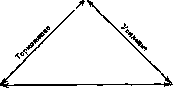
Partial constitutional anomalies likewise represent very valuable material for orientation in the field of the interrelation between endocrine organs and constitution. There are subjects in whom some single, strictly defined part of the body is underdeveloped, weak, or otherwise defective, for example, one half of the face, one particular limb (microsomia or micromelia partialis) or, conversely, there is an excessive, but again partial growth of some part of the body, e.g., one half of the face, one leg, arm, and even one finger (gigantismus partialis, macrosomia partialis). Such cases undoubtedly present difficulties for interpretation from a purely hormonal point of view, suggesting the natural idea of autochthonous or nervous influences. The latter are especially likely in systemic anomalies. In turn, the normal constitutional appearance is the result, alongside autochthonous and, if one may so express it, primordial-nervous influences, to a significant extent also of hormonal effects influencing both, but in turn determined, as already noted, by genotypic tendencies. However, the important role of the endocrine apparatus is advanced by many authors also in the definition of pathological constitutions, as a result of which, alongside the main types of such constitutions, such as, e.g., the exudative, lymphatic-hypoplastic, and neuroarthritic diatheses, according to Müller's most popular classification, many find it necessary to speak also of such constitutions as hyperpituitary or acromegaloid, hypopituitary, hypo- and hypersuprarenal (Maslov, Lifshitz, Belov, J. Bauer, Borchardt, Zondek, and others). Interrelations of glands of internal secretion. Here one should keep in mind interrelations of a twofold kind: firstly, in the final effect [e.g., both this and that gland raise blood pressure (synergistics in the final effect) or one raises, and the other, conversely, lowers (antagonism in the final effect)] and, secondly, in the sense of the direct action of one incretory organ on another a) through the nervous system, which is apparently more frequent, or b) by direct humoral influence on the secretory elements. In the latter case, in turn, a twofold relationship is observed: stimulation or inhibition. The necessary self-regulation of endocrine functions in the periphery, at the sites of application of hormone action, can be accomplished in this way by the alteration of the corresponding medium by one or another hormone, as a result of which conditions are created that are no longer favorable for the further action of the same hormone and, conversely, favorable for the entry into action of another, opposite one. As for the direct interrelations of endocrine organs, there are a number of attempts to construct a single general scheme of them, however, completely satisfactory schemes in this respect still do not exist. The scheme of Eppinger, Falta, and Rudinger, later supplemented by Aschner, enjoys the greatest popularity. The scheme depicts the interrelations in the form of a triangle, in one corner of which the thyroid gland and pituitary gland are placed, in another the chromaffin system, in the third the pancreas, parathyroid glands, and ovary (see figure). The scheme impresses with its simplicity and clarity, but speaks against it first of all the very method of its construction, namely, that it is based not so much on the direct action of one organ on another as on data regarding their effect on metabolism, i.e., what might be called correlation in the final effect; but from the fact that organs A and B, for example, influence metabolism in opposite directions, it does not yet follow that mutual inhibition exists between them themselves. In addition, not to mention a certain incompleteness (thymus, pineal gland, and testicles are omitted), in contrast to the character of the interrelations depicted by the scheme, at least between the pituitary and the ovaries, one could point to the fact of genital hypoplasia in young animals deprived of the anterior lobe of the pituitary. Aside from the just-mentioned shortcomings, the general sin of this and similar schemes lies in the fact that they did not adequately take into account the complexity of the functions of incretory glands, their action not on a single system, but on a number of systems and functions; and with such complexity, the possibility of dissociated correlations is not excluded, in the sense of antagonism in one respect in the presence of synergism in another. The thyroid gland and sex glands, for example, on Aschner's scheme, are represented as antagonists: indeed, regarding their effect on skeletal growth, the action of both is opposite; however, regarding fat metabolism, the thyroid gland and sex glands promote fat combustion. The same could be said about the correlation of the pituitary with the sex glands: in their action on growth they are antagonists, while in their influence on fat metabolism, at least in the terminal effect, they are synergists (obesity in insufficiency of the hypophysis l Thyroid gland (anterior lobe)
Pancreas Inhibition
chromaff. sys.
Parath. glands Ovaries Scheme of endocrine interrelations according to Aschner. partis intermediae of the hypophysis, obesity also as a result of castration). Judgment on the question of endocrine correlation may be further complicated by the possibility of the distortion of interrelations under pathological conditions compared to the norm: a gland that normally stimulates another, in a state of hypertrophy, may perhaps be capable of giving a reverse effect in this respect, if only by virtue of the toxic influence of hypersecretion (something similar, for example, has been noted regarding the effect of the thyroid gland on the thymus). In addition, when evaluating morphological changes in an organ, the duration of observation is important: first, for example, hypertrophy of one organ following the extirpation of another, and later atrophy may set in, which in turn should correspondingly affect other "links" of the endocrine system.
General scheme of pathological deviations in the field of internal secretion. Under pathological conditions, the glands of internal secretion can exhibit deviations both in the direction of a decrease and in the direction of an increase in their functions (hypo- and hyperfunction, or hypo- and hypersecretion), but many also admit the possibility of so-called dysfunction, i.e., qualitative disorders in the sense of the production of an unusual incret. The latter can be of both peripheral and central origin: the existence of the former has been proven by recent work on the role of physical-chemical conditions at the site of application of hormones in the effect produced by them (variability of the latter); while the second possibility stems from a logical analysis of clinical material. Intrasecretory dysfunction of central origin, in turn, can be of two kinds, namely: one already a deviation of a purely quantitative character (hypo- or hypersecretion), causing a disturbance of equilibrium in the vegetative nervous system, and through this changes in physical-chemical conditions in the periphery, can give rise to phenomena of dysfunction as a secondary moment; but a qualitative change in the incret is also conceivable, in the sense of a disruption of normal quantitative ratios of the ingredients entering into its composition; the admission of even deeper changes in increts, in the sense of chemical perversion of hormones, biologically appears unacceptable, although, on the other hand, the possibility of changes of a combinatorial character cannot be excluded.
Related articles
Mentioned in
Cite this page
“Internal Secretion.” Soviet Medical Encyclopedia. English translation of Bolshaya Meditsinskaya Entsiklopediya, 1st ed. (Moscow, 1928–1936), ed. N. A. Semashko. https://sovietmedicalencyclopedia.pages.dev/article/internal-secretion/