Diarrhea
Historical document, translated for reference. It reflects medical knowledge of the 1920s–30s and is not medical advice.
Summary
Diarrhea is defined as a disorder of bowel movements characterized by liquid and frequent stools. It is considered a symptom rather than a disease itself, with various mechanisms including hyperkinetic, spastic, secretory, and mixed forms.
Encyclopedia article (1928–1936)
DIARRHEA. Diarrhea is a disorder of bowel movements characterized by the appearance of liquid and frequent stools. The main sign of diarrhea is the change in consistency of the stools. The concept of diarrhea is very relative. In each individual case, diarrhea is determined not so much by the number of bowel movements per day as by their consistency; this is because in individual cases, depending on the condition of the intestine, defecation can occur normally more than once a day, remaining normal in consistency and causing no subjective unpleasant sensations or complaints. On the other hand, frequent but firm stools are not considered diarrhea and may even be an expression of certain forms of constipation, for example in strictures of the distal intestine and in its spastic states ("fractionier-te Entleerung" of Boas).-Diarrhea is not, strictly speaking, a disease. It is, just like jaundice, only a symptom of a disease, and in some cases it does not even constitute an essential part of the clinical picture, but only accompanies the main disease (for example, septic processes, malaria, influenza, nephropathy), in other cases diarrhea is an essential symptom of the disease, as for example in dysentery, cholera, in certain poisonings, such as arsenic, mercury; finally in a third series of cases diarrhea constitutes almost the entire content of the clinical picture. In these cases one speaks of diarrhea as a special disease, although even here it is only a symptom, since both etiology and pathogenesis and the very essence of the disease can be completely different, and in such cases diarrhea. The mechanism of diarrhea varies, and the disturbance of each of the three functions of the intestine-motor, absorptive, and secretory-can play one role or another here. Increased peristalsis, for whatever reason, significantly shortening the stay of contents in the intestine, can cause diarrhea in the form of its hyperkinetic forms; on the other hand, local spastic contractions of the intestine, especially in its distal parts, cause frequent urges to defecate accompanied by tenesmus, and form the basis of spasmogenic diarrhea. Disturbance of the absorptive functions of the intestine plays a relatively small role in the mechanism of diarrhea, and such diarrhea are rather exceptions; these include diarrhea in mesenteric gland disease (tabes mesaraica), in which absorption is sharply disturbed, not so much of the liquid parts of food as of fats and protein bodies, and diarrhea in amyloidosis of the intestine. The most essential role in the mechanism of diarrhea is played by disorders of intestinal secretion. The increase in secretion of the intestinal wall, regardless of the process underlying it, is mainly responsible for the increased fluid content in the stools, which is the main feature of diarrhea. Correspondingly to this, the main clinical sign of secretory diarrhea is abundant profuse stools with a high content of protein secreted by the intestinal wall itself. Of course, the hyperkinetic, spastic and secretory factors in the mechanism of diarrhea can in practice occur in the most varied combinations, causing mixed secretory-motor forms of diarrhea. Thus, by mechanism of origin, diarrhea can be: hyperkinetic, spastic, secretory and mixed. The pathogenesis of diarrhea is no less diverse. Even Nothnagel distinguished the following groups of basic causes of diarrhea: 1) processes developing in the wall of the intestine itself, 2) pathological changes in the composition of the intestinal contents, 3) disturbances of the functions of the nervous system, 4) pathological conditions of the blood. At the same time, it is very important that Nothnagel already came to the necessity of abandoning the purely localistic view of diarrhea as a result only of local damage to the intestine-organic or functional, and put forward along with this also extraintestinal causes of diarrhea, thus approaching the modern view of a number of forms of diarrhea as a disease of the whole organism. Nothnagel's pathogenetic classification is to a large extent artificial; for example, diarrhea in cholera, typhoid fever, although accompanied by damage to the intestine, but have as their cause a general infection of the body; uremic diarrhea are also a result not only of local disease of the intestine, but simultaneously a consequence of a deep disturbance of the entire metabolism. Dividing diarrhea into intestinal and extraintestinal forms from the point of view of the localization of the pathological phenomenon underlying diarrhea, one can at the same time, from the point of view of the nature of this process, divide them into those accompanied by organic changes in the intestine and purely functional ones, caused by disturbances in the activity of other organs or systems or by disturbances in the functions of the intestine itself-secretory or motor. However, even such a classification of diarrhea is artificial, because often small in themselves anatomical changes are accompanied by disturbances of intestinal function in the form of diarrhea, and functional disorders, for example intestinal dyspepsias, can pass into colitis, and therefore a sharp line between these forms of diarrhea cannot be drawn in practice (Noorden and others). Etiology and clinical forms of diarrhea. Diarrhea in infectious diseases. Each acute infection can be accompanied by diarrhea as a reaction of the body caused by the infection; therefore, in infections not anatomically localized in the intestine, the appearance of diarrhea should be regarded as a bad symptom (for example, in measles, in scarlet fever), especially if these diarrhea are persistent and do not depend on dietary disturbances. In a whole series of acute infections, diarrhea come to the fore and depend on anatomical changes in the intestine. These include acute infectious gastroenteritis (see Gastroenteritis, acute gastroenteritis). There is reason to believe that this same group of diarrhea includes summer diarrhea (diarrhoea aestiva), which usually appear at the end of summer as a result of contamination of food, especially milk, fruits and vegetables, by pathogenic microorganisms. This group of acute infectious diarrhea acquires particularly great social significance when it occurs as a mass disease, for example in public catering, in a workshop in a factory, in a school, sanatoriums or among consumers of a given distributor. Among acute infectious diseases, diarrhea are observed in typhoid fever and paratyphoid fever. However, by no means all patients with typhoid or paratyphoid suffer from diarrhea; contrary to the widespread opinion, diarrhea occur in no more than 20-30% of cases of typhoid fever, appearing at the end of the second and especially on the third week of the disease.-In bacillary dysentery (see) and dysentery-like diseases, which are in essence acute proctosigmoiditis, in the first days of the disease after a single liquid or mushy stool, very frequent urges to defecate appear, and the stools consist of mucus and blood without any admixture of fecal masses; it should be borne in mind that during this period there is in essence not bloody diarrhea, but bloody constipation (Luria), depending on prolonged and strong spastic contractions of the intestinal musculature due to severe irritation of the sigmoid mucosa; only later, when deep ulcers of the intestine develop with the exudation of a significant amount of exudate and with hypersecretion of the intestine, profuse diarrhea appear with liquid dark-colored, very foul-smelling stools, often with gaping of the anus and in the absence of tenesmus. In amoebic dysentery, diarrhea during an attack is accompanied by the excretion of mucus diffusely colored red, giving the stools the appearance of raspberry jelly (see Dysentery, amoebic dysentery). In cholera, diarrhea have various characters, ranging from the prodromal diarrhea, which in appearance of the stools does not differ from diarrhea in acute enteritis, to the typical cholera stools, which have the appearance of rice water (see Cholera). Typical "rice water" stools are also found in acute forms of non-choleraic enteritis, in the so-called cholera nostras, which can be distinguished from Asiatic cholera only by "bacteriological examination of the stools."
Not only purely intestinal infections—typhoid and paratyphoid, bacillary and amoebic dysentery, and cholera—cause diarrhea. Diarrhea often comes to the forefront in both endemic and pandemic influenza and in malaria; it appears particularly frequently in pernicious or tropical malaria, either in the form of frequent and profuse evacuations (Triantaphilides) or in a dysenteric form (Luria). These forms of malarial diarrhea respond only to specific treatment and are partly explained by the fact that plasmodia localize in the intestine, causing capillary blockage and swelling of its solitary follicles and Peyer's patches (Ziemann). The disturbance of intestinal function leading to diarrhea does not always end after the patient's recovery from the given infectious disease; often, an acute infection, for example dysentery, leaves deep anatomical changes in the intestine leading to persistent chronic diarrhea. Even more frequently, after practical recovery has been achieved, the change in bacterial flora during the disease due to the multiplication of a specific microbe in the intestine leads to a long-term change in the microbial 'landscape' of the intestine and makes the normal inhabitants virulent (Bact. coli and related microbes); as a result, a secondary endogenous infection occurs. This leads either to mild inflammatory processes (colitis) or to prolonged functional disorders in the form of intestinal dyspepsias. This explains the appearance of chronic diarrhea after acute infectious diseases and the predisposition to diarrhea in individuals who have had acute infections. Among chronic infections, diarrhea occurs in tuberculosis, syphilis, and sprue (see). The character of diarrhea in tuberculosis varies greatly (see Intestine, tuberculosis of the intestine). In syphilis, diarrhea appears as a result of gummatous lesions of the intestine in its late and old forms, as well as in the early stages of infection due to lesions of the liver, pancreas, decreased secretory activity of the stomach, and possibly also of the endocrine apparatus and the autonomic nervous system (Gausman). Organic diseases of the intestine are very often accompanied by diarrhea, which varies greatly in both mechanism of origin and clinical manifestations. These include diarrhea in enteritis and colitis, in intestinal ulcers, in amyloidosis, and in stagnant processes, and finally in intestinal strictures. Inflammatory processes in the intestine, in which the anatomical lesions affect the mucous membrane—colitis and enteritis—are as a rule accompanied by diarrhea only in acute cases; here appear either single or double liquid, foul-smelling fecal evacuations, or their number reaches 10-20 per day, and as the evacuations become more frequent, mucus predominates in them, and sometimes blood is also mixed in. Diarrhea in acute catarrhs of the intestine is accompanied by pains, sometimes spasmodic, sometimes cutting, and finally painful tenesmus. The character of the evacuations in acute catarrhs of the intestine, their frequency, and the presence of mucus depend to a large extent on the localization of the inflammatory process: the lower the catarrh is located along the intestine, the greater the number of evacuations, the more mucus they contain, and the more pronounced the tenesmus phenomena, reaching particular intensity in acute proctosigmoiditis. In mechanism, these diarrheas belong to mixed motor-secretory and often spasmodic types. Chronic inflammations of the intestine vary greatly in regard to functional disorders of the intestine. A characteristic feature is the variability of the intestine's behavior, namely the alternation of diarrhea with constipation. Another feature of diarrhea in colitis must be considered the presence of abdominal pains that always accompany these diarrheas. The appearance of the evacuations, their character, frequency, content of pathological impurities, especially mucus and blood, as well as disorders in the digestion of various components of food are extremely varied and in chronic colitis depend on the severity, duration, and extent of the inflammatory process (see Colitis). Diarrhea in colitis gravis (see Colitis, clinical forms of colitis) stands separately. A special form also belongs to the colitis—colitis membranacea (see Colica mucosa). Diarrhea rarely occurs in gonorrheal ulcers of the lower part of the intestine in women and men DIARRHEA as a result of coitus per anum. Diarrhea arising on the basis of organic changes in the intestine also include diarrhea in leukemia and in chronic aleukemic lymphadenoses, where hyperplasia of lymphoid elements of the intestine leads to disorders of absorption. Persistent diarrhea in lymphogranulomatosis deserves special mention; if it is a matter of disseminated lymphogranulomatosis with involvement of peripheral glands, recognizing the cause of these persistent diarrheas does not present great difficulties. The matter is much more complicated in isolated lymphogranulomatous infiltration of the intestine with ulceration and enlargement only of the retroperitoneal glands; such diarrhea, sometimes accompanied by feverish increases in temperature, is most often confused with intestinal tuberculosis or tuberculous peritonitis, and often only autopsy reveals the true cause of these persistent diarrheas. Chronic persistent diarrhea also accompanies amyloid degeneration of the intestine. The matter here may be about amyloid degeneration of the vessels of the intestine in amyloidosis of other organs (liver, spleen, kidneys), about amyloidosis accompanying intestinal tuberculosis, and finally about rare amyloid ulcers of the intestine. Diarrhea in these amyloidoses is usually profuse, prolonged, unresponsive to treatment, and contains a significant amount of undigested food, approaching lienteric diarrhea (see Evacuations). Diarrhea in organic strictures of the intestine, both benign and malignant, occupy a special place. Although in the early stages of intestinal stricture, the sudden appearance and unmotivated constipation are particularly frequent and very valuable diagnostic symptoms, in the further course of the disease, as the stricture increases, diarrhea may appear in their place as a result of stagnation of fecal masses above the stricture. These diarrheas are intermittent and depend on both the quantity and quality of the food taken by the patient. These diarrheas are close to the so-called stercoral diarrhea, which appears as a result of any kind of stagnation of feces in the large intestine; typical for this type of diarrhea are evacuations containing, along with abundant liquid discharge, solid pieces of feces. With prolonged fecal stagnation, occurring in far-advanced forms of benign stricture, and especially in circular cancer of the intestine, ulcers appear above the stricture from pressure of hard fecal masses; this most often occurs in the rectum, in the S-shaped colon, and in the flexures of the colon. These ulcers most often cause persistent stercoral diarrhea. Determining the true cause of stercoral diarrhea is not always easy, but if it recurs at regular intervals, there are grounds to speak of intestinal stricture, most often of cancerous origin. Functionally caused diarrhea, as already stated, cannot be strictly separated from diarrhea appearing in organic diseases of the intestine. A number of examples, such as stercoral diarrhea in intestinal strictures, various types of diarrhea in different stages of dysentery, and finally the dissociation between gross pathological-anatomical changes, such as ulcers, and disorders of intestinal function, sufficiently testify to the role of functional causes in the appearance of diarrhea, which are in essence not diseases but disorders of intestinal function. But even in the large group of functional diarrhea, several separate types must be distinguished etiologically and clinically, differing not only in their essence but, what is practically important, also in prevention and treatment. These include the following types. Dyspeptic diarrhea, which have special practical importance for the physician because their correct recognition should be the basis of proper treatment not only when they are only disorders of intestinal functions but also when they accompany organic diseases of the intestine (see Dyspepsia). Intestinal dyspepsia leading to diarrhea due to improper utilization of the supplied food can of course depend not only on processes occurring in the intestinal wall but also on decreased secretory function of the stomach, pancreas, and liver. That is why under the name of dyspeptic diarrhea one must understand not only intestinal dyspepsias but also gastric dyspepsias, such as gastrogenic diarrhea, pancreatic dyspepsia, and finally hepatic dyspepsia. All these pathogenetic factors of intestinal dyspepsia are often found simultaneously and in close connection with each other and ultimately result in improper and insufficient utilization of the supplied food. On the other hand, the disturbance of bacterial processes due to primary or secondary change in intestinal flora undoubtedly plays a significant and often decisive role in the origin of diarrhea in intestinal dyspepsia. Both the complaints of patients and macroscopic, microscopic, chemical, and bacteriological examinations of evacuations (see Dyspepsia and Evacuations) and the course of the disease with definite clarity testify to the close connection of this group of diarrhea with the properties and composition of the food taken by the patient.
Therefore, dysenteric Diarrheas in a number of cases, especially acute ones, are at the same time food, or alimentary Diarrheas and depend not only on overeating in general, but on the consumption of food that is quantitatively normal but in its composition (protein, carbohydrate) serves as a good nutrient medium for the pathologically predominant in this case group of dyspeptic microbes - fermentation or putrefaction. Dysenteric Diarrheas can be acute and chronic. Acute dysenteric Diarrheas are the result of excesses in food even in cases where the food itself is impeccable in quality and culinary sense and in any case does not contain pathogenic bacterial contamination. If some summer Diarrheas (diarrhoea aestiva) can be explained by the consumption of spoiled food due to contamination and pathogenic growth of microorganisms on it, then another part of them should be considered alimentary Diarrheas due to overeating vegetables and fruits that cause easily fermentable dyspepsia and the typical Diarrhea for it. Alimentary and dysenteric Diarrheas should also be considered acute diarrheas due to the abuse of meat food, especially pork, ham, sausage, fish, meat and fish preserves. Alimentary dysenteric Diarrheas occur particularly frequently with a rapid transition from one diet to another. This among other things explains the Diarrheas encountered e.g. in some young Red Army soldiers in the first weeks of their stay in barracks, as well as Diarrheas in sanatoriums and resorts, when newly admitted patients and vacationers receive more abundant food than in a home environment, often also differing in composition from their usual food. A special place among acute intestinal dyspepsias is occupied by a rare form, first described by Nothnagel under the name Jejunaldiarrhoea, i.e. Diarrhea that is the result of a dyspeptic process in the upper part of the small intestine. In this case, there is a violent Diarrhea with abundant golden or ochre-yellow colored stools, quickly turning green; these stools contain a significant amount of undigested food. When mixed with a concentrated aqueous solution of sublimate, a bright green coloring occurs, as an expression of the significant content of bilirubin in the stools. In addition, stools in Jejunaldiarrhoea contain a large amount of amorphous mucus of non-inflammatory origin (mucin) and bile. In its pure form, this form of dyspepsia is rarely encountered; thus, Schmidt saw it only 6-8 times, Noorden- 5 times, but there is reason to believe that it occurs much more frequently in the first stage of enteritis. The matter concerns an extremely rapid passage of food through the entire tract of small and large intestines, which explains the large amount of unchanged food regardless of its composition. Chronic dyspepsies rarely begin without a preceding acute stage, and either an acute Diarrhea appears from the very beginning, turning into a prolonged diarrhea, or the disease consists of a series of acute Diarrhea attacks, in the intervals between which the patient still does not have a normal stool and the slightest dietary indisposition causes Diarrhea. For individual forms of intestinal dyspepsias-see Dyspepsia. Varieties of dyspepsies. Under the name of gastrogenic Diarrhea or gastrogenic diarrhea, Einhorn, Oppler, Schütz (Einhorn, Oppler, Schütz), and then especially A. Schmidt described Diarrheas, the main cause of which is a violation of gastric digestion. These Diarrheas are the result of a decrease in gastric secretion, partial (subacidity) or complete (achylia), which in turn leads to a whole complex of pathogenetic moments, such as the absence of chemical processing of food (mechanical and chemical grinding of it in the stomach), as a heavy load on the intestines due to the increased motor function of the stomach in achylia and finally as the absence of bactericidal properties of gastric juice. On the other hand, the absence of HCl leads to a decrease in the secretion of secretin- a hormone that has an exciting effect on the external secretion of the pancreas. Thus, the defect in gastric digestion in achylia disrupts intestinal digestion both due to the absence of HCl and due to the decrease in the amount of pancreatic enzymes that play an important role in the digestion of carbohydrates, fats and proteins. This places gastrogenic diarrhea close to pancreatic Diarrhea-diarrhoea pancreatica. Gastrogenic Diarrhea has all the features of putrefactive intestinal dyspepsia; patients are very sensitive to certain types of food, poorly tolerate meat, especially pork, meat preserves (ham, sausage), roasted game, certain varieties of fish (sturgeon, sterlet), milk, as well as fatty and rich food. They are particularly sensitive to the amount of food consumed and easily suffer from Diarrhea with the slightest overeating. Stools in this case are liquid due to the large content of intestinal secretions, usually dark in color, foul-smelling, and contain macroscopically visible pieces of meat (creatorrhea); microscopically in them a large number of muscle fibers with sharply cut edges, preserving the transverse and longitudinal striation, can be easily found. In the stools, the ammonia content is increased. Absence of teeth, poor chewing of food, fast eating, abundance of meat food in the patient's diet contribute to the occurrence of gastrogenic Diarrhea. Intestinal dyspepsias also include Diarrheas of pancreatic origin. The matter concerns functional disorders that appear with a decrease in the external secretion of the pancreas, regardless of what causes this decrease. For this type of Diarrhea, very abundant stools with a large content of neutral fat (steatorrhea) are characteristic; the stools contain few crystals of fatty acids and soaps and a large amount of nitrogenous substances (azotorrhea); in the contents of the duodenum and in the stools, the content of trypsin, lipase and amylase is significantly reduced, and the diastase content in the urine is increased. Pancreatic Diarrheas are very persistent and difficult to cure. Despite the enormous role of the liver in the process of digestion, almost nothing is yet known about Diarrheas caused by insufficiency of its functions. This question presents particularly great difficulties because here the matter concerns not so much a decrease or absence of bile in the intestine, the result of which, as is known, are rather constipation than Diarrhea, but rather disturbances of metabolism as a result of insufficient work of the entire organ. This must explain the Diarrheas that appear in certain forms of dystrophy of liver tissue, e.g. in hepatopathies (Bergmann) of the icterus simplex type, or 'catarrhal' jaundice and in hemolytic jaundice, when Diarrheas coincide in time with periods of exacerbation of the disease, with hemolytic crises (Ortner). The question of the role of the liver in the pathogenesis of Diarrhea is only outlined and requires long-term observations. One can also note a greater tendency to recurrent Diarrheas in patients suffering from chronic cholecystitis; here it is very difficult to determine whether cholecystitis is the cause of Diarrhea or Diarrhea occurs as a result of intestinal disease, which was at the same time also the cause of cholecystopathy. Thus, gastrogenic and pancreatogenic, and perhaps also hepatogenic Diarrhea constitute a group of Diarrheas that arise as a result of insufficient utilization of various components of food, hence creatorrhea, steatorrhea, etc. The content of a large amount of completely undigested food reaches its highest degree in cases of very violent Diarrhea in the most acute forms of dyspepsia and catarrh, and especially when food passes directly from the stomach into the large intestines - with fistulas between the stomach or the upper part of the small intestines and the large intestines (fistula gastro-enterocolica), for example in cancer of the intestines. This is lienteria-food Diarrhea, which thus has different diagnostic significance depending on the amount of undigested food in the stool and the duration of lienteria. Invasion of the intestine by amoebas and parasitic worms can lead to persistent Diarrheas; however, the severity and duration of Diarrheas by no means always correspond to the quality and quantity of parasites. Amoebic Diarrhea usually occurs in the form of periodically occurring exacerbations with 20-30 stools per day. However, for a long period Diarrheas may be completely absent (see Amoebas, amoebiasis). Persistent Diarrheas can be caused by the presence of Giardia intestinalis (see). The situation is much more complicated in worm Diarrheas, in the origin of which, one must assume, toxic and anaphylactic processes play a significant role, which is why, strictly speaking, these Diarrheas cannot be considered purely dysenteric. A large group of functional Diarrheas deserves special attention, which are etiologically and pathogenetically not related to the processes of digestion within the intestine. Here the matter concerns Diarrheas that are a symptom not only of local diseases of the digestive apparatus, but a manifestation of a disease of the entire organism. Both prevention and treatment of this group of Diarrheas must be based on other principles. These include anaphylactic and allergic Diarrheas, Diarrheas in metabolic disorders, endocrine and finally reflex and psychoneural Diarrheas. Allergic Diarrheas are, as is known, one of the frequent manifestations of experimentally induced anaphylactic shock.
In clinical practice, this occurs in serum disease, but especially at the beginning of a number of acute infectious diseases, when the body is suddenly flooded with a significant amount of foreign protein. This explains the appearance of acute diarrhea at the very beginning of the disease in malaria, influenza, pneumonia, measles, etc., as an expression of allergy and often of great severity of the infection; therefore, even old physicians considered early diarrhea in infectious diseases a symptom that worsens the prognosis. Anaphylactic processes also explain the appearance of diarrhea in the first days of typhoid fever (Fleiner). However, under the name of anaphylactic diarrhea, acute and chronic digestive disorders of non-infectious origin are understood. This condition is a hypersensitivity of the digestive apparatus to certain food, individually manifested in very diverse ways in different individuals, and has long been known under the name of idiosyncrasy. Violently appearing profuse diarrhea in these individuals is accompanied by a significant decline in cardiac activity, urticaria, skin rashes, and a febrile condition, which must be considered as an expression of anaphylaxis or allergy to the given food. Usually this is a negligible amount, most often of protein food, such as eggs, milk, certain types of meat, for example pork, veal, fish, crayfish, caviar. But also plant food, for example strawberries, wild strawberries, and vegetables, can cause acute anaphylactic diarrhea. Schittenhelm and Weichardt explain these cases by the easy permeability of the intestinal epithelium, constitutional or acquired, as a result of which protein substances, insufficiently broken down, enter the general bloodstream and thereby cause a series of allergic phenomena. There is reason to believe that colica mucosa also represents such an allergic disease. As is known, food allergies can cause quite various diseases, and acute allergic diarrhea is an expression of the body's sensitization to the allergen introduced with food. The so-called 'eosinophilic' catarrh, described by Neu-bauer and Staubli, Striimpell and many others, who consider the appearance of a large number of eosinophils in the feces as characteristic of these cases, is also included among the allergic diarrheas. Some authors (Kammerer) propose to call these cases enteritis allergica. Cases of hereditary transmission of allergy to individual food substances have been described. Whatever the mechanism of origin of acute allergic diarrhea, they are of particular interest as prerequisites for explaining some forms of chronic diarrhea that do not respond to treatment by ordinary dietary methods. The success of antiallergic therapy, among other things peptone therapy for diarrhea (Luria, Daihovsky, Umber and others), testifies to the fact that chronic diarrhea can be of allergic origin. Allergic diarrhea may have practical significance in the organization of public catering, nutrition in sanatoriums, rest homes, where along with general and therapeutic nutrition, in individual cases they may require a strictly individualized diet in otherwise healthy individuals and explain the appearance of diarrhea with food that is impeccable in quality and preparation. Further study of chronic diarrhea as allergic diseases is therefore of great theoretical and practical interest. Diarrhea of toxic origin occurs less frequently than others. This includes diarrhea in acute and chronic poisonings (for example, mercury, arsenic, less often in lead poisoning, in botulism, in mushroom poisoning). In a certain sense, some forms of medicinal diarrhea (diarrhoea irritativa) from the abuse of laxatives also belong here. The causal dependence of diarrhea on these exogenous toxic factors is not always easy to establish and requires, in addition to careful collection of the anamnesis, also study of the environment and working conditions; in this respect, the physician of the health post plays an enormous role. In addition to exogenous, toxic diarrhea can also have endogenous causes. Diarrhea in acute uremia is well known; one must also keep in mind chronic diarrhea in azotemia due to functional insufficiency of the kidneys in various nephropathies. Ultimately, pathogenetically, azotemic diarrhea is the result of a violation of metabolism with subsequent intoxication by products of improper intermediate metabolism. Also included here are persistent diarrhea in diabetes, which are sometimes precursors of diabetic coma. Less studied, but undoubtedly occur much more frequently than is thought, are diarrhea of an intoxication nature due to functional insufficiency of the liver; they constitute part of the dyspeptic phenomena in auto-intoxication accompanying a number of hepatopathies. This etiology of chronic diarrhea has not yet received the attention it deserves. Diarrhea occurring on the basis of metabolic disorders also include diarrhea during complete and partial starvation. This includes the so-called cachectic diarrhea, accompanying severe forms of exhaustion, but diarrhea in 'edematous' disease is of particular interest. Numerous observations testify to the extraordinary frequency of diarrhea in edematous disease. Being, on the one hand, dyspeptic diarrhea of the fermentative dyspepsia type (Luria), they in their main mass should be attributed to intoxication diarrhea due to a violation of general metabolism in far-advanced starvation and can rightly be called 'hunger' diarrhea. Diarrhea in some avitaminoses, for example in scurvy and pellagra, can also be included here. Diarrhea of endocrine origin occur mainly in diseases of the adrenal glands, accompanied by their hypofunction, mainly in Addison's disease, and in hyperthyroidism, mainly in Basedow's disease. In Addison's disease, diarrhea appears in the form of attacks resembling crises, are profuse and do not yield to any treatment. The cause of diarrhea is considered to be suppression of the activity of the sympathetic nervous system with increased peristalsis and secretion of the intestine due to hypertonia of the vagus nerve. Diarrhea is accompanied by severe attacks of pain. A. Schmidt observed steatorrhea in this condition. In Basedow's disease and less pronounced forms of hyperthyroidism, periodically occurring abundant profuse diarrhea up to 30-40 times a day are very often encountered; in contrast to diarrhea in Addison's disease, these are not accompanied by pain. Often these diarrhea appear only in the morning hours. Their mechanism is not always the same; some authors (Chvostek) consider them close to gastrogenous, because in hyperthyroidism the secretion of the stomach is reduced, others (Eppinger and Noorden) believe that the matter is about irritation of the parasympathetic nervous system. In endocrine diarrhea, both in hypofunction of the adrenal glands and in hyperfunction of the thyroid gland, steatorrhea (A. Schmidt) is often observed, which gave reason to believe that the dysfunction of these glands has a depressing effect on the activity of the pancreas and thus hormonal diarrhea is joined by pancreatogenous diarrhea (Bittorf, Curschmann and others). - Ortner also draws attention to diarrhea appearing in the climacteric period in women and attributes them to diarrhea of endocrine origin. Psychoneurotic diarrhea. This group of diarrhea combines a large number of functional disorders of the intestine, where both etiologically and pathogenetically diarrhea is the result of the influence of nervous and psychic irritations on the intestine. In its pure form, 'nervous diarrhea' (Trousseau) is often encountered during emotional stress and can rightly be called emotional diarrhea. At fear, and sometimes at psychic excitations of another order, a sudden urge to the lower part suddenly appears, accompanied by the excretion of a large amount of usually very liquid feces, usually once. This is the so-called 'bear disease', morbus ursi, which so often occurs in examinees, in artists and orators before a performance, in soldiers before a battle, in surgeons before a responsible operation, etc. The mechanism of these diarrhea is twofold, on the one hand, sudden significant secretion in the stomach, similar to abundant sweating ['Switzen in clem Darm' (Ury)], on the other hand - hyperperistalsis of the intestines. In less acute psychic affects, without a doubt, these processes can manifest in the form of less violent but persistent chronic diarrhea, sometimes lasting for weeks and months, bringing the patient to significant exhaustion, not responding to dietary treatment and suddenly ceasing with a change of environment. To these psychogenic diarrhea also belong diarrhea that appear when eating food which, in the opinion of the patient, upsets digestion, for example horse meat, pork, etc. That this is a kind of psychic allergy (Noorden) is proved by the fact that the patient does not have diarrhea if he does not know that the food contains the given product that causes fear of getting diarrhea. The second type of neurogenic diarrhea arises on the basis of irritation of the autonomic system, it is more correct to call them reflex, since they most often represent a visceral reflex from various abdominal organs to the intestine. This irritation most often arises in the sexual sphere, in diseases of the appendages in women, of the prostate in men, and in the most various kinds of sexual neurasthenia, in coitus interruptus, coitus-condomatus, etc., in diseases of the gallbladder, etc.
A reflex on the intestine causing nervous diarrhea can also arise from distant organs, for example, from the skin. This is used to explain diarrhea during colds and cooling of individual parts of the body. Psychoneurotic diarrhea is most often an expression of a general neuropathic condition and more frequently occurs in so-called 'vegetatively stigmatized' individuals or in the so-called hypochondria intestinalis of older authors (see Intestine, intestinal neuroses). The given classification of diarrhea, as already stated, is to a large extent artificial and in practice often a sharp boundary cannot be drawn between organic and functional diarrhea; in turn, functional diarrhea can depend on a complex combination of disorders of activity of various systems; thus, nervous diarrhea can depend on dystonia of the autonomic nervous system, accompanied simultaneously by dysfunction of the thyroid gland and disturbance of the secretory activity of the stomach and pancreas. Therefore, in practice, besides the indicated groups of diarrhea, it is necessary to keep in mind their mixed forms, where various etiological and pathogenetic factors are very uniquely combined, where the clinical manifestations of diarrhea become very diverse, and where pathogenetically correct recognition is sometimes extremely difficult. If we do not speak of acute gastrointestinal diseases occurring as occupational diseases, for example, in workers of hot shops, in glass production, in tinsmiths, then diarrhea cannot be put in direct causal connection with occupational hazards, and even in productions where conditions exist for chronic poisoning, chronic diarrhea do not come to the forefront (Vigdorchik); Levi, speaking of occupational diseases of the intestines, could only point to psychoneurotic diarrhea in actors, orators, in students, which of course can hardly be considered caused by occupational conditions. Thus, it must be considered that diarrhea are as a rule connected not so much with working conditions as with living conditions. Methodology of investigation of patients with diarrhea. The task of recognizing diarrhea is: to establish the disease of which diarrhea is a symptom, and to clarify the etiology and pathogenesis of diarrhea. The solution of this task requires systematic investigation not only of the gastrointestinal tract, but of the entire organism, since diarrhea, especially their chronic forms, are often not directly connected with diseases of the digestive organs. Great importance is attached to the careful study of the subjective complaints of the patient and his anamnesis, and first of all the history of the appearance of the intestinal disorder in connection with the careful accounting of all diseases since early childhood (dysentery, typhoid fever, childhood diarrhea, colitis, etc.), constitutional peculiarities of the organism in relation to the intestine, past endocrine and psychoneurotic diseases. Although individual forms of diarrhea do not have pathognomonic signs, they still differ in the peculiarities of their clinical manifestations. Therefore, besides the history of the onset and development of this diarrhea, it is necessary to establish the character of the diarrhea, the time of its onset, the presence or absence of pain, the character and localization of them, false urges, the presence or absence of abdominal bloating, discharge of gases, number of evacuations, observations of the patient himself on the character, external appearance of evacuations and admixtures to them of food and pathological constituents (see Dyspepsia, Gastroenteritis, Colitis, Evacuations). All this requires detailed study. It is necessary to establish whether the diarrhea is connected with the taking of food in time, quantity and composition (meat, carbohydrate, especially milk), i.e., to collect a detailed dietary anamnesis. No less importance has the clarification of the question, whether the diarrhea is connected with the state of the psychoneurotic life of the patient (diarrhea on the basis of functional and psychic disorders of sexual life). Only after careful and comprehensive study of the subjective complaints of the patient not only from the side of the intestine but of the other systems does one proceed to the objective investigation of the patient. From the side of the abdomen in certain forms of diarrhea, for example, in intestinal dyspepsias, meteorism is noted; in diarrhea with disturbance of secretion there is rumbling and splashing of liquid in the intestine. Tenderness on palpation is characteristic of diarrhea in organic diseases of the intestine; in other forms of diarrhea, spasmodic contractions of individual sections of it can be palpated, especially in the region of flexura sigmoidea in false diarrhea; digital examination of the rectum can establish the cause of false diarrhea (ulcers of recti, hemorrhoids, etc.) (see Defecation). Particularly great importance is attached to the systematic investigation of evacuations, and macroscopic investigation personally by the physician himself (and not in the laboratory) gives much data for diagnosis, but unfortunately it is performed much less frequently than it should be. (On the importance of investigation of evacuations for the recognition of diarrhea-see Evacuations, Dyspepsia.) Besides investigation of the evacuations usually excreted by the patient, it is often also necessary to perform functional investigation of the intestine after Schmidt's test diet. Roentgen investigation in intestinal fermentative dyspepsia reveals the presence of a large amount of gas in the intestine; special importance roentgen has in diarrhea due to narrowing of the intestine in ulcerative processes in the intestines, in new growths and in inflammatory processes of the mucous membrane, and the method of the so-called 'relief of the mucous membrane' in recent times opens new perspectives for the recognition of local catarrhs, on the basis of which diarrhea arise. Great importance has rectomanoscopy, especially for the recognition of various forms of diarrhea of organic origin; neglect of this method often leads to major diagnostic errors. The differential diagnosis of diarrhea amounts to recognizing whether in this case there is an organic or functional disease, whether this disease depends on anatomical or functional disorders of the intestine itself or whether it is a question of secondary diarrhea appearing from diseases of other systems. It is best to adhere in this case to the scheme of Nothnagel and first of all to make an attempt to clarify whether the causes of diarrhea are in the intestine or in its contents, in physicochemical or other changes in the blood (anaphylactic, allergic, intoxication and endocrine diarrhea) or in the nervous system. In practice, it is especially important to isolate diarrhea of infectious origin, acute and chronic. In a number of cases, the methodical study of subjective complaints, living conditions of the patient, his habits and objective investigation, especially systematic investigation of evacuations, give sufficient grounds for deciding what form of diarrhea is present in this particular patient. However, there are not a few patients with chronic diarrhea in which along with organic there is also functional diarrhea or psychogenic factors are superimposed on somatic processes; these mixed forms require prolonged observation to clarify which of the many causes of diarrhea must be considered the basic one in this case. The question of diarrhea having a mass character stands completely apart. The appearance of mass acute diarrhea requires careful study from the epidemiological and sanitary point of view (see Meat poisonings); careful bacteriological investigation of evacuations and the sanitary situation of the focus of acute intestinal disorders (infection, intoxication) is absolutely necessary and often reveals the causes causing mass diarrhea. This circumstance receives particularly great importance in connection with the growth of public feeding, and the living connection between dining rooms, closed distributors, district sanitary organizations, on the one hand, outpatient associations, dispensaries and patients on the other, is a necessary prerequisite for the correct recognition of these diarrhea and at the same time for carrying out concrete measures of their prevention and treatment. In this respect, particularly great importance has the correct organization of health stations in enterprises with timely accounting and signaling of acute intestinal diseases; on the other hand, the work of the physician of the health station inside the shop ensures also better recognition of individual forms of diarrhea, if they are connected with working conditions (hot shops, cold diarrhea). Thus, along with the individual diagnosis of diarrhea, the physician may also require their social diagnosis. The prognosis in diarrhea depends on the basic cause of the disease. Chronic diarrhea lead to considerable exhaustion of the organism, to loss of working capacity bordering on disability. In a whole series of productions, for example, in the conveyor system, chronic diarrhea, even not leading to general loss of working capacity, raise the question of changing the profession of the patient. An exception is diarrhea of psychoneurotic origin, in which the general condition of the patient suffers relatively little. Thus, if the basic cause of diarrhea is not malignant (tuberculosis of the intestines, cancer, ulcerative colitis), the prognosis quoad vitam is favorable; complete recovery requires however usually very prolonged and systematic treatment; at this very often recurrences are observed; therefore in chronic diarrhea the prognosis is somewhat doubtful and in the final count they reduce working capacity much more than chronic constipation. Better prognosis in psychoneurotic diarrhea, fermentative dyspepsia, worse in putrefactive dyspepsia, chronic colitises, still more doubtful in ulcerative processes in the intestine and in some forms of endocrine diarrhea.
(e.g. in Addison's disease); conversely, allergic diarrhea, according to Luria's observations, gives a much better prognosis. Prevention. Diarrhea, as a very frequent disease, has great social significance: mass acute diarrhea signal infection or intoxication, while chronic diarrhea, often removing the patient from work, increases the number of long-term patients on sick leave and leads to disability. Therefore, the prevention of diarrhea must first be social, and only then individual. In this regard, health posts at enterprises and factories will play a major role; physicians at health posts must early on signal an increase in acute diarrhea, while simultaneously investigating whether the cause of this increase is at the workplace or outside it, in the patient's daily life, and in the latter case, to communicate with the district sanitary physician and the appropriate dispensary; a patient with chronic diarrhea should be registered with the health post physician, who raises the question of employing them at the enterprise according to their residual work capacity. When organizing public dining rooms, it is necessary to keep in mind and monitor the appearance of acute and chronic diarrhea among attached patients; the physician observing the dietary corner of the dining room, where these patients should be transferred, must determine what form of diarrhea is present in this particular case and regulate the diet accordingly. Individual prevention of diarrhea depends on its form and first of all requires clarification of the dietary history and careful study of the patient's lifestyle and habits. Persons prone to diarrhea should be promptly examined for gastric digestion (achylia) and follow the appropriate preventive diet, sometimes with long-term intake of hydrochloric acid and pepsin; they should avoid cold food and drink, keep the abdomen warm (flannel abdominal binder), and guard against colds. Great importance is attached to the prevention of anaphylactic and allergic diarrhea: often one correct piece of advice to avoid a particular food (milk, eggs, horse meat, fresh sausage, etc.) quickly achieves the goal after months of futile treatment. Sometimes explaining to the patient the mechanism of diarrhea also has a preventive effect, for example, suggesting not to follow a strict diet in psychoneurotic diarrhea, and the patient's awareness of the influence of affects and emotions. The need for individualization in the prevention of individual cases of diarrhea makes it understandable that organizing special dining rooms for diarrhea patients in public dining rooms and on resorts is not advisable; this is justified not only by the tasks of prevention but also by the treatment of diarrhea. Public and individual prevention of diarrhea has particularly great importance because the prevention and timely treatment of diarrhea must be considered an essential part of the physician's work in preventing other, already irreversible, pathological processes of the intestine, liver, etc. Thus, repeated acute diarrhea leads to intestinal indigestion. Intestinal indigestion from the very beginning is accompanied by mild colitis and undoubtedly, with prolonged course, turns into persistent chronic colitis; colitis with diarrhea are apparently often the cause of chronic dystrophies of the liver, etc. These circumstances force us to insist much more than has been the case so far on the preventive treatment of every diarrhea, both acute and chronic. The treatment of diarrhea should not be symptomatic, and the physician is not required to eliminate diarrhea with medicinal agents without clarifying the essence of the process, its etiology and pathogenesis, but rather causal treatment, based primarily on determining the form of diarrhea. In a number of diarrhea cases, for example in intestinal indigestions, the commonly used symptomatic treatment not only does not bring benefit but to a large extent worsens the underlying process and therefore harms the patient. Therefore, only the basic principles of treating diarrhea can be presented below (see Indigestion, Intestine, Colitis, Gastroenteritis, Dysentery). The treatment of diarrhea can be: dietary, physiotherapeutic, balneological, medicinal, psychotherapeutic. Dietary treatment, which is of great importance in alimentary diarrhea, must first eliminate overeating, which is often the main cause of diarrhea; special attention is paid to the distribution of food throughout the day, and one should avoid heavy dinners and abundant meals both before heavy work and just before sleep. In regard to the composition of food and its preparation, the diet is determined by the form of diarrhea. It is necessary to categorically warn against the stereotyped prescription of the so-called "strict" diet for diarrhea, consisting of broth and dry biscuits. Hunger days during the first 2-3 days are very useful in acute diarrhea and at the beginning of treatment of chronic ones, but later hunger diets are harmful. General rules for the diet in diarrhea: eating no more than two dishes at a time in small portions; carbonated drinks, cold food and drink, plant food with high fiber content, raw fruits, meat from old cattle, black bread, milk, smoked food, fatty food, rich pastry are excluded. With these general rules for diarrhea, the diet in a specific case is dictated by the type of intestinal indigestion present. In anaphylactic and allergic diarrhea, detailed study of the history and observation of the patient should determine which particular food should be eliminated from the patient's diet even in minimal amounts. Dietary treatment of diarrhea conducted over a long period must ensure an adequate supply of vitamins and mineral salts. Psychoneurotic diarrhea as a rule does not require dietary treatment, but it is recommended to cautiously transition from a strict semi-starvation diet to a general diet. In individual cases of diarrhea, a special diet is necessary, for example in azotemic diarrhea, a purely vegetable diet is prescribed, raw vegetables and fruits are allowed; in diarrhea of "edematous" disease, even coarse but sufficient in quantity food (black bread, buckwheat porridge, meat) gives quick results; there are also observations and reports of good results in treating diarrhea with grated fresh apples. In a number of diarrhea cases, dietary treatment alone is not beneficial at all (e.g. in endocrine diarrhea); on the other hand, often dietary treatment alone sometimes gives exceptionally brilliant results; this includes, for example, treatment with sour raw apples; they are given for 2-3 days in the amount of 1½-1 kg with absolute abstention from other food. Physiotherapeutic treatment of diarrhea is mainly the application of heat in all its forms. Systematic use of a hot water bottle, warming compresses of water or diluted alcohol, hot fomentations is often successful; warm and hot sitz baths are also indicated, especially in spastic forms of diarrhea. Treatment with heat and light gives good results in some cases; this includes treatment with sunlight, quartz therapy, heliotherapy (diarrhea in tuberculous peritonitis). A favorable effect of diathermy on diarrhea in colitis has been described, good results are also observed with careful prescription of local mud therapy in a non-resort setting. Heat can also be applied in the form of small (1-2 glasses) hot enemas, preferably with chamomile tincture. Balneological treatment. In regard to the treatment of diarrhea with mineral waters, the opinions of authors differ greatly and some (Schmidt, Noorden, etc.) even consider this treatment contraindicated in diarrhea. However, experience shows that treatment at resorts (Essentuki, Zheleznovodsk, Karlsbad, Homburg, Kissingen, etc.) can be beneficial with careful and proper application of the waters. First of all, the waters should be prescribed hot (not less than 50°) and in small portions both at the resort and in a home setting. The prescription of mineral water in the form of hot intestinal irrigations is also used. In any case, the favorable effect of resort treatment cannot be reduced only to drinking water—it is essential to follow the appropriate diet along with physical methods of treatment. In a number of cases, the treatment at the resort is less important than the change of environment and the exclusion of psychogenic factors causing diarrhea. Medicinal treatment of diarrhea, common in practice, has much less significance than is attributed to it if one considers not the elimination of the symptom but the cure of the disease that caused the diarrhea. A whole range of medicinal substances is used (see Antidiarrhoica). In acute diarrhea, treatment with laxatives is indicated; in chronic cases, the prescription of medications depends on the form of diarrhea. Thus, in intestinal indigestions, especially in fermentative ones, calcium preparations (Calcium carbonicum, Calcium phosphoricum) and animal charcoal are indicated, 1-3 tablespoons in water a day or in lozenges, 3 lozenges 3-4 times a day; in putrefactive indigestion, accompanied by hypochylia of the stomach, hydrochloric acid, pepsin, Acidolpepsin; in these cases, it is useful to prescribe Pancreatin and especially Pancreon, 0.5 three times a day. It is better to avoid anti-diarrheal agents (opium, pantopon) or prescribe them only 1-2 times in individual cases. In secretory disorders causing diarrhea, the prescription of belladonna and especially atropin, 1-2 mg 2-3 times a day, is very useful.
Tannin preparations, preferably tanalbin, can be administered orally for a short period; favorite tannin enemas do more harm than good. Bismuth preparations, especially Bismut. subgallicum Dermatol, are beneficial. Constant administration of urotropin, salol, benzonaftol and other disinfectants does not bring great benefit. Drug therapy is closely linked to specific treatment. This includes bacteriotherapy, which aims to change the intestinal bacterial flora by prescribing lactobacillin, lactein or Mutaflor. In severe cases, especially with ulcerative D., autovaccination treatment has been proposed; in recent times, good results have been seen from blood transfusions (Strauss). This also includes peptone therapy for D. For treatment, a 5% Witte peptone is administered parenterally after fractional sterilization from 1 to 5 cm3. In some cases, peptone stops D. after 1-2 injections, in others more prolonged treatment is required. The beneficial effect of peptone on D. is explained by its anti-allergic and antispasmodic properties (Luria. Dikhovsky, Justmann, Umber). Cases of cure of long-standing D. with peptone therapy after unsuccessful treatment with other means have been described. For D. depending on proctitis and proctosigmoiditis, local treatment in the form of chamomile infusion enemas, silver nitrate (AgNO3) solution (0.1-0.2%), yatren (Yatren 105) 1.5-3% solution 100-200 cm3, as well as micro-enemas of alum, bismuth, dermatol are used. In individual cases, insufflation of powdered substances (dermatol) through a proctoscope is beneficial. - For D. of endocrine origin, good results are obtained from enemas with adrenaline (20 drops of adrenaline solution 1:1000 in 250 cm3 of water). Psychotherapy plays a prominent role in a number of chronic D., but requires the physician to be very tactful and able to correctly assess the pathogenesis of D. It is necessary to carefully transfer the patient to a general diet and practically demonstrate to him the harmlessness of the food that he associates with the onset of D.; it is difficult to fight the prejudices of patients, e.g. with the belief about the harm of plant food in D. and the need to observe a 'strict' diet. Great importance is attached to regulating the sexual life of the patient. It is necessary to shift attention from the intestines to other organs. In individual cases, hypnosis, suggestion and psychoanalysis are resorted to. Treatment aimed at strengthening the entire nervous system has a favorable effect, and in particular a change of environment, e.g. sending for climatic treatment (Crimea, Black Sea coast, steppes, mountains, of medium height).
R- Luria. Diarrhea in children. D. is a symptom of a number of diseases in childhood; in some cases it constitutes the main, characterizing the disease itself symptom and is associated with functional or inflammatory lesions of the gastrointestinal tract, in others it is of secondary (parenteral) origin, depends on processes lying outside the intestines (e.g. D. in influenza, measles and other general infections) or depends on the state of the nervous system (for example D. in constitutional anomalies). D. is by no means only a local, localized process, but causes a series of changes associated with disruption of the entire metabolism and nutritional disorders; at the same time, the younger the child, the more pronounced this influence and the more blurred the line between the violation of gastrointestinal tract functions and changes in the whole organism. The enormous social significance of D. in early childhood rightly raises the question of the reason for this age-related tendency to D., because only its correct solution will provide the basis for prevention. Many authors tend to explain the so frequent gastrointestinal disorders in infancy by the anatomical-histological underdevelopment of these organs. The weak development of the muscle layers and the imperfection in the structure of the nerve plexuses, on the one hand, and the tenderness and richness in blood of the mucous membrane with the weak development of the submucosal tissue on the other, give an anatomical explanation for the frequency of intestinal lesions in childhood (Gundobin). However, Pfaunder and Freidenberg object to the view of the underdevelopment and immaturity of the gastrointestinal tract of a child. The concept of immaturity should include the falling out or weakening of some links in the process of digestion: qualitative and quantitative change in secretion, strong irritability and rapid exhaustibility of motor function. And yet even premature infants, with properly organized nutrition and care, show steep curves of weight gain, even exceeding the curves of normal children. One cannot deny that premature infants get D. more often and it proceeds much more severely than in children born at term, but this phenomenon finds its explanation in the fact that these children, due to external harmful influences, much more often become dystrophics, and D. in them is a secondary phenomenon. There is no reason to attribute any special properties of vulnerability to the gastrointestinal tract, distinguishing it from other organs - other organs also suffer at this age from such external influences, which later have no effect. One should not look for the cause of gastrointestinal disorders in the isolated vulnerability of the gastrointestinal tract, but in the general constitutional age of the child and in the conditions of the environment. The slightest fluctuations in the quantity and quality of food, changes in care, surrounding temperature, etc. are sufficient to cause a violation of the functions of the gastrointestinal tract. In poorly organized institutions or in difficult living conditions, it is sometimes even difficult to identify the immediate etiological factor causing D., because the child is so sensitive and it is so difficult to ensure that the food corresponds to his digestive ability. Summer childhood D. The sharp increase in gastrointestinal diseases in warm months, acquiring an epidemic character, gave rise to single them out into a special group of summer D. Children under a year of age, artificially fed, are most often affected. Summer childhood
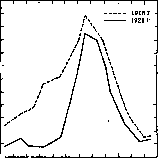
p iv v vi vii vii ix x xi xii
Figure 1. Mortality of children from <1 to 1 year from gastrointestinal diseases by months of the year (per 100 dead children) (according to materials of the Leningrad provincial statistical department). D. affect such a large number of children and so often lead to death that mortality and morbidity due to summer D. significantly increase the general mortality and morbidity rate in the first year of life (fig. 1 and 2). For the first time summer childhood D. attracted attention in large American cities at the end of the 18th century and were described by the American doctor Runch. According to the opinion of the doctors describing this disease, it stands in some connection with the high air temperature, and in those states where high temperature takes place in April and May, this disease was known as the 'April and May disease'. In Europe this disease became known in the 60-70s of the 18th century; from the 80s of the 19th century, the increased summer morbidity and mortality of children have already become a fact of enormous social significance. However, recently another fact has been established, representing enormous scientific and public interest: a number of statistical data indicate that the increase in summer mortality and the presence of a summer peak at present is not a universal phenomenon; in a number of places-institutions, cities, districts, even countries - the summer peak in recent years has not only significantly decreased, but has even completely disappeared. This is especially clearly seen in well-organized closed institutions for early childhood. Summer diarrhea do not represent any special nosological form of childhood D. These are the same forms that occur at other times of the year: simple, toxic dyspepsia and colitis, which only in summer acquire a catastrophic character. A rapid and severe transition from simple dyspepsia to toxic dyspepsia is particularly often observed. True, Marfan still stands on a different point of view, considering that summer toxic dyspepsia - the cholera of children of old authors - is a special unique form, apparently caused by an anaerobic microbe forming spores. This microbe has not yet been found, but judging by the fact that
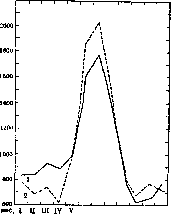
VI VII VIII IX X XI XII
Figure 2. Mortality of infants by month of year in the Moscow province for 1883-1907 (according to Kurkin): 7-mortality of children; 2-diseases of gastrointestinal catarrh. The source of infection is always cow's milk (Marfan asserts that he has not seen a single case of illness during breastfeeding), it is an elective medium for this microbe. Numerous studies by previous authors (Mechnikov, Berthollet, Tsiklinskaya, etc.), as well as recent studies in the laboratory of the State Scientific Institute for the Protection of Motherhood and Infancy, have shown that in the excretions of children suffering from simple and toxic dyspepsia in summer, the same forms are found as in winter, namely: Bact. coli, Proteus, Bact. perfringens in various combinations. An abundant growth of Bact. coli is especially observed not only in the excretions but also in the contents of gastric juice, but due to the complexity of the processes occurring in the intestine, it is difficult to definitely establish the role of these microbes. However, a whole series of experimental works (Adam, Bessau, Plantenga, Rosenbaum, etc.) indicates the prominent role of the bacillus coli in the pathogenesis of summer D. Slowing of movement and stagnation of chyme in a functionally less active segment of the intestine can lead to bacterial colonization and multiplication (endogenous infection) with the formation of a series of products, including lower fatty acids, irritating the intestinal mucosa. In other cases, bacteria that have entered from food from outside (exogenous infection) can primarily disrupt the normal course of digestion. The decrease in immunity and tolerance of the child to food that occurs under the influence of summer heat promotes the development of endogenous and exogenous infection. In the toxic syndrome, which so often accompanies dyspepsias in summer, the violation of water metabolism (exicosis), occurring and intensifying under the influence of overheating, undoubtedly plays a huge role. -Thus, the study of the conditions of childhood summer D. shows that the basis of summer morbidity and mortality lies in a whole series of conditions, namely overheating, irrational feeding, reduced immunity due to transferred infections, poor care, general and intestinal infection of the body, and finally the inadequacy of the body. Hydro-labile, neuropathic children with exudative diathesis, as well as hypotrophics and atrophics, constitute a group particularly threatened by summer D. Prevention of diarrheal diseases. Since the main factor underlying the group of diseases mentioned is the cultural-domestic factor (living conditions, hygienic care and nutrition), the fight against D. should consist not in individual measures, but in a whole system of proper rational upbringing of children. In addition, in the fight against summer D., it is necessary to carry out a number of special measures, namely: a) wide involvement of all health care agencies in the fight against summer D.; b) timely preparation and systematic conduct of campaigns against summer D.; c) organization of emergency aid for severely ill children, for which pediatricians and nurses for the protection of motherhood and infancy should be organized on a 24-hour duty basis at children's consultations; d) widespread establishment of the production of therapeutic milk mixtures in all milk kitchens and children's food stations necessary for the treatment of children with diarrhea; allocation of on-call milk kitchens in cities; supply of milk kitchens with a sufficient quantity of necessary diet products; e) organization at consultation points of female milk collection points for the purpose of providing sick children in need with breast milk; f) allocation of beds for children with diarrhea in all medical institutions, as well as the organization of special temporary hospitals; on new construction sites, allocation of special barracks for this purpose; g) organization at consultation points of day hospitals for timely coverage of the initial stages of gastrointestinal disorders in infants and young children; h) conducting broad sanitary-educational work against D. and appropriate training and instruction of all workers in children's institutions.
Related articles
Cite this page
“Diarrhea.” Soviet Medical Encyclopedia. English translation of Bolshaya Meditsinskaya Entsiklopediya, 1st ed. (Moscow, 1928–1936), ed. N. A. Semashko. https://sovietmedicalencyclopedia.pages.dev/article/diarrhea/