Infant
Historical document, translated for reference. It reflects medical knowledge of the 1920s–30s and is not medical advice.
Summary
This article discusses the significance of infancy in modern pediatrics, emphasizing that while it is a critical period for study, it must be understood within the context of overall childhood development. It outlines the transition from fetal life to infancy, noting the lack of a sharp boundary between developmental stages.
Encyclopedia article (1928–1936)
INFANT. General characteristics of the features of infancy. Infancy plays a particularly important role in modern pediatrics. The powerful development of knowledge about the infant has even compelled some authors to speak of isolating "micropediatrics" into a separate discipline. But this is hardly expedient; one cannot snatch out one (even if very important) period and study it in isolation from others: only a detailed study of the entire childhood, its anatomical, physiological, and chemical features, can provide a correct understanding of the child. There is, of course, no doubt that the infant appears particularly interesting and important for clarifying many problems of pediatrics and pedology. As for the boundaries of this period, there is, of course, no sharp line separating this period from the next; it is only a part of the period of so-called early childhood. The child enters this period after the phase of intrauterine childhood (10 lunar months), which can be subdivided into the phase of formation (embryonic childhood) and the phase of growth (placental childhood). This period
is extremely important for the infant, as it is during this time that hereditary properties, individual constitution, and the degree of his viability are formed. Anomalies of pregnancy of any kind, nutrition, the mother's work, chronic infections, and intoxications can undoubtedly affect the condition of the fetus. A child who has just appeared in the world is called a newborn. The state of being a newborn lasts for a relatively short time in a child, but various authors define its boundaries differently (see Newborn). Apparently, the duration of the newborn period is an individually variable quantity, depending on the constitutional properties of the child. Most authors limit the duration of infancy to one year, but many authors (predominantly French) not without reason extend it to 1.5 years. It is most correct to approach this issue also from an individual point of view: due to the peculiarities of development, nutritional status, and environmental conditions, one child may emerge from the state of infancy even before the end of the year, but in a number of cases, it is undoubtedly more advantageous and correct to consider the child an infant up to 1.5 years. In general, it is correct to consider a child an infant as long as he is fully or partially in need of breast milk and, due to his helplessness, is exclusively in need of maternal care. The peculiarities of the physiology and pathology of infancy are predetermined primarily by the peculiarities of his endocrine apparatus. In the period at the end of intrauterine life and in the neonatal period, only two systems play a prominent role—the interrenal and the germinal glands; the thyroid gland plays a lesser role (the other glands do not exert a regulating influence on the organism). During the infancy period, the reverse involution of the interrenal system and the growth of the medullary substance of the adrenal glands occur. The thyroid gland begins to increase its activity from 4-5 months and reaches maximum activity at the end of the year and the beginning of the 2nd year of life. Gradually, the thymus gland and the anterior lobe of the pituitary gland begin to exert a regulating influence. The epithelial glands throughout the entire infancy period are apparently in a state of minimal activity. The peculiarities of the growth and development of children of this period are connected with the presence in the child of such a regulatory endocrine apparatus. It is probable that the peculiarities of the properties of the skin, the distribution of lanugo, and the adipose tissue of the neonatal period depend on the predominant activity of the interrenal-germinal system. Increased growth, increased metabolism, the formation of one or another constitutional appearance of the child, etc., in the later infancy period depend, one must think, in many respects on the entry of new endocrine glands into an active state. The pathology of this period is the manifestation of anatomical, physiological, and biological peculiarities; without knowledge of the basic facts in this area, a correct approach to the child is impossible. The younger the child, the more sharply expressed are all these peculiarities. At the very beginning of the period under discussion, it will be quite correct to characterize all the child's tissues as having a more delicate structure, a greater abundance of cellular elements and vessels, incompleteness of cell differentiation in general, and the unfinished development of glandular tissue in particular. From the functional side, all tissues are distinguished by imperfection, easy irritability, easy vulnerability, and a greater capacity for regenerative processes. Gradually, already during the infancy period, these peculiarities begin to smooth out, but this happens quite uniquely and not strictly regularly. To this day, the basic position developed primarily by the works of Gundobin and his collaborators remains in force: the growth of individual organs does not always go in parallel with general growth, but sometimes lags behind, sometimes outstrips it. The weight of the child, for example, doubles by 5-6 months, the weight of the liver only by 8 months, while the weight of the pancreas already by 3-4 months, etc. The second basic position is that the growth of organs does not go in parallel with their development: each organ strives first to reach certain dimensions, then a lull in the increase of mass occurs, but instead, the perfection of function takes place. A characteristic feature of the infancy period is intensive metabolism; only in the neonatal period can one ascertain a deviation from this rule in the direction of a decrease. This is especially reflected in the so-called basal metabolism. Expressed in calories per kg, it amounts to only 38-42 calories in a newborn, on the 2nd-3rd day it rises to 48, slowly increases further throughout the entire infancy period, and by 1.5 years reaches a maximum of 56-60 calories, after which it shows a decrease. The provided diagram clearly speaks about this (see Figure 1). In the further presentation of the peculiarities of the physical development of infants, we will be talking about the so-called "eutrophic" or "normotrophic" child (a healthy, normal child). "What kind of child should be considered normal, healthy? This concept is not yet precisely enough defined. There are not yet all the necessary anthropometric standards for solving the question of the norm. Therefore, in the future, it will be necessary to proceed from the ideas obtained primarily from the study of children developing in a family environment or in one most closely approximating it and receiving breastfeeding. The question is not only about the anthropometry of children, but also about the condition and properties of the skin, subcutaneous tissue, musculature, the degree of blood supply, the pace of development of ossification processes, the child's motor movements, his mood, and psyche. Weight, height, dimensions, and indices alone are insufficient for revealing the child's eutrophy. (For a detailed description of the appearance and dimensions of a newborn child, see Newborn.) The body length of a newborn child is on average about 50 cm (from 47 cm to 54 cm), with boys being slightly larger than girls. Sitting height is on average 33.5 cm, trunk length 21.3 cm, leg length 20.4 cm, arm length about 21 cm. Consequently, characteristic of this period is the approximate equality of all three main lengths (Dulitskaya). The length of the head in a vertical position is on average 12.3 cm, i.e., it constitutes 1/4 of the body length. The circumference of the head is on average 32 cm, ranging from 29 to 35.5 cm, the circumference of the chest is on average 28.5 cm (with fluctuations from 25 cm to 32 cm), i.e., smaller than the former by 3.5-4 cm. This is true only in relation to a portion of children: in children of the muscular type, the chest circumference may even exceed the head circumference; in children of the cerebral type, the difference in favor of the head may be especially large. The average weight of a newborn child is (in g): Boys Girls According to Gundobin .... » Speransky . . . » Dulitsky . . . The limits of weight fluctuations in newborns are quite significant (from 2,500 to 4,000 g), with individual giants over 4,000 g and weak full-term infants under 2,500 g being encountered. If one calculates the frequency of one or another weight on a large amount of material, the distribution of individual weight variants fully corresponds to the variation curve calculated according to the laws of variation statistics. In the first 3-4 days after birth, the weight of children drops by 150-300 g, which constitutes about 6-9% of the weight (for details, see Newborn). From the 4th day, the weight begins to increase and by the 10th-21st day reaches its initial figure, going up either steeply or gently. After the neonatal period, accelerated growth of the body and organs begins. In the future, we will be talking about the so-called average norms of weight, height, and dimensions obtained by studying the mass of children using the generalizing method. It should be remembered that in this mass of children, there is a considerable percentage of sick children with developmental anomalies. It should also be kept in mind that the development of each child occurs individually, depending on endogenous and exogenous factors. Therefore, all average and numerical data of the generalizing method will be corrected at the present time by data obtained by studying individual, known-to-be-healthy children over a long period of time (individualizing method). Weight. Regarding weight gain, a general position for infancy is that the younger the child, the greater the energy of mass accumulation. Schematically, one can imagine the energy of weight gain at such a pace: in the first month after the neonatal period, a weight gain of 800 g is noted, in each subsequent month 50 g less, i.e., in the 2nd month—750 g, in the 3rd—700 g, in the 4th—650 g, in the 5th—600 g, in the 6th—550 g, in the 7th—500 g, in the 8th—450 g, in the 9th—400 g, in the 10th—350 g, in the 11th—300 g, in the 12th—250 g. In general, the child's weight in any month is equal to the weight of the newborn + 600 (and for the 2nd half-year + 500), multiplied by the number of months. If one turns to the published average weight figures (in g) for the 1st year of life, the following is evident.
The average weight of boys throughout the entire first year of life is higher than the weight of girls, which is clearly visible from the provided diagram (see Figure 2). It is important to have not only the average weight curve but also to establish the limits within which deviations from this average could be considered normal—the maximum and minimum weight values. An idea of the deviations from the average weight is given by the diagram (see Figure 3). In general, one can consider normal weight fluctuations at birth to be 13% of the average weight, 9% by six months, and 8.9% by one year (Dulitsky). Of the average figures provided above, the highest are those of Camerer, which were obtained by him by calculating the average values using the individualizing method based on observations of 283 children. Similarly high average figures are also found in the Infant Department of the Brain Institute. The average weight of the "best" children, awarded prizes at the Moscow competition, was 9,320 g at 9 months, 9,450 g at 10 months, 9,840 g at 11 months, 10,920 g at 12 months, and 11,370 g at 15 months. If one turns from these average figures to individual weight curves, a significant discrepancy with the average figures emerges. To illustrate, figures (in g) from observations at the Brain Institute on healthy children (Maslov) are provided (see table at the top of p. 207). These figures show that the maximum weight gain falls sometimes in the 2nd month, sometimes in the 3rd, and fluctuates quite significantly in the others, and even after five months, there can be significant monthly gains. The period of doubling of weight falls sometimes in the 5th month, sometimes in the 6th; tripling of weight is achieved by the 11th–12th month. The constitution of the child has a great influence on the magnitude of monthly gains: children of the digestive and muscular types progress at a faster pace. Hereditary racial factors and the living and nutritional conditions of the children undoubtedly have an influence. Artificially fed children, even under the best conditions, show poorer weight gain during the first two-thirds of the year and only begin to catch up with naturally fed children toward the end of the year. The difference in individual months can reach 120–720 g. The following table reveals this clearly (Variot and Fliniaux). Children raised in closed institutional care always lag somewhat behind children raised at home. Thus, according to data from G. Gerasimovich, children in a model orphanage had the following weight. The harmful influence of hospitalism (see) in recent years in the best institutions, in connection with the improvement of care and feeding techniques, is no longer so sharply felt. The average weight of children in the Infant Home of the Leningrad Institute for the Protection of Motherhood and Infancy for 1928 was: at 1 month 3,650 g, at 3 months 4,700 g, at 6 months 6,430 g, at 9 months 8,240 g, at 12 months 8,980 g, with an average annual gain of 6,950 g, despite the fact that many children enter the institution in poor condition, with constitutional inferiority. Nassau for 1924/25 gives an average annual weight gain for children in the Berlin home of 5,735 g, which almost approaches the average norm for children naturally fed in home conditions. After one year, the energy of weight gain slows down. During the second year of life, the child shows an annual gain of 2.5–3.5 kg, which is about 200 g per month. To judge the proper development of a child, weekly weighings are necessary in many cases, and in clinical conditions, daily ones as well. The weekly weight gain averages about 200–175 g in the first quarter of the year, 150–135 g in the second, 125–100 g in the third, and about 100 g in the fourth quarter. The daily weight gain in the same periods is 30–25 g, 25–20 g, 20–15 g, and 15–10 g. There is no strict regularity in weight gains; a child may gain more in one week than in another, and on some days, there is even a drop in weight. On average, with a gain of 25 g, there is an average daily weight loss of 5 g. During the day, weight increases sharply in the afternoon, reaching a peak by 12 o'clock at night, then falls. For weighing children, so-called basket or spring scales are usually used. It is important to weigh the child at the same time. It is best in the morning, before the first feeding, after urination, and without clothes and diapers. Growth and dimensions. The infant period is characterized by absolutely exceptional growth energy in children. Thus, during the first year of life, a child grows by 20–25 cm. The younger the child, the more energetic the growth. Thus, during the first quarter of the year, height increases by 9 cm, during the second by 8 cm, and during the third and fourth by only 3.5 cm each. An idea of the growth of children (in cm) for individual months is given by the following table. After one year, the energy of growth decreases, and during the 2nd year, children grow by only 10 cm. The growth of children is also subject to individual fluctuations and depends on hereditary, constitutional, and conditional factors. The amplitude of growth fluctuations is quite significant: according to Gundobin, it is 68–77 cm for one-year-old boys and 66–72.3 cm for girls; according to Karnitsky, 73–78 cm and 72–78 cm; by the end of the 2nd year, the height of boys ranges from 78 to 88 cm according to Gundobin, and 82–89 cm according to Karnitsky; the height of girls shows fluctuations of 77–87 and 82–89 cm. From these data, it is also evident that girls are somewhat shorter than boys. Apparently, growth is somewhat more energetic in the spring and autumn; the hot summer and cold winter months cause a delay in growth energy (Frank). Artificial feeding also significantly weakens growth energy: according to data from Shtefko, the difference by 6 months reaches 2 cm in girls and even 6 cm in boys, so that perhaps unfavorable living conditions affect the male organism more sharply than the female. Children of wealthy parents are often larger than those of less wealthy ones. According to Pfaundler, the causes of this "proteroplasia" are of purely exogenous origin. Children interned in orphanages, due to errors in diet, hygiene, and neglect of movement, also show stunted growth due to the underdevelopment of the lower extremities. All variants of children's growth, given a large and homogeneous series, are well distributed in the form of a variation curve. For a correct judgment about the development of the organism, it is important to know the growth characteristics of individual parts. In a newborn, the length of the head is 1/4 of the total height, the upper and lower extremities are approximately equal and constitute about 1/8 of the height, or 1 1/2 heads, and the midpoint is above the navel. Gradually, a shift in these relationships occurs. From these data, it is evident that the legs grow particularly energetically during the infant period, increasing by 12–14 cm in a year, the arms grow less (10.5 cm), and the torso even less (8–10 cm). Thus, an infant is a brachyskel (short-legged); but with age, the coefficient of the ratio of leg length to height increases. As for the dimensions of individual parts of the extremities, the length of the thigh and arm is greater than the length of the lower leg and forearm. The length of the head, due to slow growth, is already only 1/5 of the height in a two-year-old; sitting height increases from 32–33 cm to 45–47 cm by the end of the year, and the midpoint descends. The circumference of the head increases rapidly during the first year.
Head circumference (in cm) According to Boldyrev Heubner 34.0 37.4 40.9 40.2 42.7 42.7 45.3 44.5 45.9 46.2 48.0 (in cm) According to Maslov 35.1 39.5 42.3 44.6 46.0. Chest circumference increases at the following rate (figures for girls in parentheses). Age Newborn 3 mo 6 » 9 » 12 » 2 years Chest circumference (in cm) According to Boldyrev According to Molchanov According to Maslov 32.0 (31.5) 34.1 37.5 (38.9) 40.0 40.3 (38.9) 43.0 (41.8) 47.6 45.8 (44.5) 49.6 49.0 (48.8). From a comparison of these data, it follows that the growth of head circumference proceeds throughout the entire infant period more or less evenly (by 10-11 cm per year), while the chest circumference begins to increase especially from 2-3 months and yields an increase of 13-15 cm over the year. By the end of the year, the chest circumference already exceeds the head circumference. These data vary sharply depending on the individual constitution of the child, race, nationality, etc. Both the absolute sizes of the circumferences and their ratio are different for different constitutional types of children: in the muscular type, the chest often dominates over the head from birth, while in the cerebral type, the head prevails over the chest even after a year. The average values of head and chest circumferences in boys are slightly higher than in girls. In relation to half-height, the chest circumference exceeds it in the infant period by 8-12 cm. Abdominal circumference shows significant fluctuations, and absolute figures are of little significance. With the proper functioning of the respiratory and digestive apparatuses, the abdominal circumference should be less than the chest circumference (with the exception, however, of children of the digestive type). A characteristic feature of the infant age is the stability and constancy of the relationships of limb perimeters. With a harmonic distribution of mass and its correct increase, it is always observed that the tripled circumference of the arm is equal to the sum of the circumferences of the thigh and lower leg and at the same time is equal to the chest circumference (Chulitskaya). Age 3 mo. 6 » 12 » 2 years head 38.5 40.0 47.0 48.0 chest 40.0 42.5 48.0 49.0 arm thigh | 13.5 14.0 16.0 16.5 lower leg 15.0 15.5 19.0 19.0. As growth and development proceed, the configurations of individual parts change. In the skull of a newborn

the facial part is weakly developed compared to the cranial vault; the individual bones of the skull are not yet fused; there are frontal eminences, but no supraorbital ridges; when viewed from above, the skull appears pentagonal with rounded edges. Gradually, the skull transitions into an oval, ellipsoid, rounded shape. The length of the skull increases over the first two years by 24 mm per year, the width by 14 mm per year; there is an intensified growth of the facial part and an increase in the volume of the facial part of the skull. In connection with this, the frontal and parietal eminences disappear; the frontonasal ridge and supraorbital ridges appear; the skull gains greater relief; temporal and occipital lines arise. The lower jaw gains more significant relief; a characteristic protrusion of the chin is revealed; orthognathism begins to transition into prognathism (see Figure 4). The chest in infants is conical, with the base facing downward; its anteroposterior and transverse dimensions are equal, but already during the first year of life, the transverse diameter exceeds the anteroposterior one, and by two years, the difference already reaches 3 cm. The ribs descend somewhat, and the rib angles, instead of a right angle, begin to form an acute one. Fig. 4. Formation of the face in a newborn child, 2, 8, and 12 years old. The vertebral column initially does not have an S-shaped curvature. A cervical curvature appears quite quickly, in the second half of the year a thoracic curvature, and in the second year a lumbar curvature. All these curves are easily smoothed out in the child when lying down. Indices of physical development. To assess the physical development of an infant and the state of nutrition, various indices can be used. The Pelidisi index for a normally nourished child is 100, but for some constitutional types and with artificial feeding, it may be lower. The Pignet index in the infant age gives figures of 15-16, the Guld index 13-20. The anthropometric indicator of Chulitskaya, obtained by subtracting height from the sum of the tripled arm circumference, thigh circumference, and lower leg circumference [3a + (f+c) - h], determines the degree of physical development quite well. For well-nourished children, it gives figures of 25-35. The Brugsch index in the infant age ranges from 65 to 70, the Mochan index is about 83. The Bedusi index in the infant age gives figures of 54-58, the Peiser index equals 63-64. The axial indicator of Chulitskaya also gives quite suitable results. A more correct idea of the child is given only by a combination of indices; taken separately, they are of little significance. A subjective assessment of the child based on a general examination and consideration of all factors influencing his development and the constitutional moment is absolutely necessary.
Skin and subcutaneous fat layer. The skin of a healthy infant should have a good pink color, be distinguished by its velvety texture and good turgor. Sweating in an infant up to 4 months is weakly expressed, the sebaceous glands work intensely, and the distribution of hair and its properties depend largely on the constitutional properties of the child. The subcutaneous fat layer is well expressed and evenly covers the entire surface. In a newborn, the fat pad is particularly well expressed on the cheeks, thighs, shins, and forearms, and weaker on the abdomen. Subsequently, the fat layer increases, reaching a maximum by six months, then shows some stagnation and even a decrease in the thickness of the layer. The average thickness (in mm) of the skin-fat fold in children is given in the following table (according to Chuchukalo; figures in parentheses are for girls). Age On the abdomen at the navel On the thigh up to 2 years....... 7 (7) 8 (9) 8 (9) 12 (12) 14 (15) 15 (16)
Muscular and skeletal systems. The musculature of an infant constitutes only 23.5% of body weight against 41.8% of body weight in an adult. The muscles of a newborn are physiologically hypertonic, especially in the area of the flexors; subsequently, the turgor weakens somewhat, but with the development of the child and the perfection of movements, it strengthens. It is best to test the tone by flexing and extending the legs or by lifting the child by the legs upwards. Valuable indications of the normality of development are provided by the study of the growth of individual bones and the processes of ossification. In a newborn, the bone still has a peculiar fibrous structure, is rich in vessels and bone marrow elements, and only by 2 years does it approach the bone of an adult. From 4-9 months, the processes of resorption and apposition even out; after 9-12 months, the latter already predominate, and the bones become more compact. During the first months, the child has no carpal bones at all; during the first year of life, the os hamatum and os capitatum appear. In the 2nd year, the epiphysis nucleus of the radius, the heads of the metacarpal bones, the phalanges of the fingers, the tubercles of the humerus, the cuneiform, tibial, and fibular bones appear. All these changes are clearly determined by X-ray. Defects in ossification on the part of the skull gradually smooth out over the first two years. The posterior fontanelle, if it is open at birth, closes by 2-3 months; the sagittal and lambdoid sutures fuse by 3-4 months. By the same time, the congenital softness of the bones, which is sometimes present, usually disappears (Kuskov, Rosenstern). The anterior fontanelle gradually decreases over the first 3-4 months, and its complete closure occurs either at the end of the year or in the 2nd year, in the interval from 14 to 18 months.
Teething. A good indicator of the correctness of development is the rate of eruption of milk teeth. Only in exceptionally rare cases can children be born with teeth, but these teeth are usually fragile and fall out. Occasionally, there is a rather early eruption of teeth, from 3-4 months, and this is usually a constitutional feature of the children. For the majority of healthy children, teething begins at 6-7 months. The lower central incisors erupt first; at the age of 8-9 months, the upper central incisors erupt, and after some time, the lateral upper incisors as well. By the end of the year, the lower lateral incisors appear, so that a one-year-old child has 8 teeth. At the beginning of the 2nd year, the premolars erupt (first the upper, then the lower); in the middle of the 2nd year, the canines appear, and at the end of the 2nd year (occasionally at the beginning of the 3rd), the second small molars, and with this, the eruption of milk teeth ends. The state of the child during the intrauterine period, the type of feeding, the state of nutrition, and diseases influence the time of teething. The harmful influence of these moments affects mainly the teeth that are still developing during the period of unfavorable conditions.
Development of the motor sphere. A child can be considered eutrophic only if the development of the motor sphere is proceeding correctly. First of all, the muscle systems intended for the most important functions at a given moment develop. Functional development proceeds from top to bottom. In a newborn, the head still hangs helplessly and dangles in all directions. First of all, the child learns to hold and lift the head, then he not only holds it but also turns it in different directions under the influence of visual and auditory impressions. Usually, this takes place already in the 2nd month. At first, the child is completely helpless; by the end of the first month, some improvement is already observed; by 2 months, the child holds himself much more confidently. By 3½-4 months, the child already learns to sit with support, consequently mastering the function of the back and chest muscles. At the same time, the child makes the first grasping attempts, learning to control his upper limbs. He knows how to reach out with his hand, take objects, and throw them. At first, he still lacks strict differentiation of individual muscle groups; movements are of a mass character, disorderly, and grasping is usually performed with the whole hand. From the 4th month, the child can already roll onto his stomach, lean on his hands, and even rise onto his legs and hold himself on them if, holding him by the hands, they help him to stand up and lean on his legs. By 5 months, these movements are already more confident. At 6 months, the child easily stands with support and sits quite freely without support. By 7 months, the child can already stand for some time without support. From this same time, the child learns to crawl around the bed, stands on his legs himself, holding onto the edge of the crib. At the end of the first year of life, the child is already making attempts to walk independently, and some children are already walking quite decently. The time of the beginning of walking for a child is individually different. Well-developed children, with whom much is done and who are helped, usually begin to walk as early as 10-11 months; conversely, children to whom little attention is paid learn to walk only in the 2nd year. According to data from some consultations, only 52% of children walk freely at the end of the year (Michnik). According to data from the Moscow competition among awarded children, out of 63 children older than 11 months, only three were not yet walking; two started walking from a year, and one from 13 months. During the 3rd and 4th quarters of the year, the differentiation of individual muscle groups progresses significantly. Grasping becomes more confident, and the preferential use of the right hand begins with the isolation of the index finger. At the end of the year, the child already grasps well and holds firmly, takes thin objects with two fingers, but still reaches to grasp a flame and dripping water, begins to produce complex motor complexes, perform simple actions, clap hands, etc. In the 2nd year, children already walk freely, perform purposeful actions in the form of closing a door, placing a stool, etc. Movements finally lose their reflex character and become intentional, designated for the fulfillment of a specific goal. Subsequently, the complication of movement occurs. Timely ascertainment and correct registration of the development of the motor sphere are of great importance. In a family setting, where there is interest in the child, every new movement of the child, every new attempt of his is carefully recorded and joyfully perceived by the parents. In conditions of closed care, unfortunately, too little attention is paid to the development of the child's motor sphere, and therefore the majority of interned children show significant backwardness. It is extremely desirable for the development of the motor sphere to create a suitable environment for the child.
Development of the nervous system. To understand the pace of mental development, it is necessary to dwell on the development of the central nervous system. A child is born with a brain weighing about 390 g. The brain substance grows rapidly, reaching a weight of 600-700 g by 6 months, and by the end of the year, the weight of the brain is about 900 g. Thus, during the first year of life, the brain increases 2½ times. During the second year, the increase in mass continues, but at a less rapid pace, and by the end of the 2nd year, the brain weighs about 950-1,000 g. In the 1st year of life, the child's brain still represents unfinished material, which is gradually replaced in the process of development by more valuable specific nervous tissue, ganglionic cells, and nerve fibers. The sulci and gyri in a newborn are not yet finally developed, and the appearance of collateral branches, the connection of individual parts of the sulci, and the formation of small sulci continue during the first 6 months of life (Fischer). The cortical layers are not yet sufficiently differentiated, and the development of the cortex takes place in the first 2-3 years of life, but especially rapidly in the first 3 months (Mashtakov). The chemical composition of the brain cortex approaches the composition of an adult's brain only by 16 months of life (Shkarin). In a functional respect, the brain of a newborn is distinguished by the fact that the cortex, pyramidal tracts, and striatum are formations that are not fully ready, and the life of the newborn proceeds within the limits of the diencephalon. The child is born with a formed segmental apparatus and the automatic reflex reactions characteristic of it; the cortex is underdeveloped and only in later stages is it formed and acquires a dominant role over all functional manifestations.
With the maturation of the striatum, primitive mechanisms of posture and synergy appear, which are necessary for sitting, standing, grasping, etc. With the maturation of the cortex, movements become intellectualized and acquire normal completeness and purposefulness. Thus, according to the biogenetic law, the infant goes through phases of development: thalamo-pallidal, strio-pallidal, and cortical. The spinal cord grows less energetically. By the time of birth, the conduction pathways of the spinal cord are sufficiently developed, with the exception of the pyramidal tracts, the myelination of which ends by 2–3 months. The cranial nerves finish their development in the sense of myelin sheath formation by 3 months, while the peripheral ones do so only by 3 years of life. Galvanic excitability increases in the first weeks and by 8 weeks is already close to the figures of an adult. Due to such a state of the central nervous system of the infant, it is understandable that all reflexes having their centers in the spinal cord are enhanced in him. Reflexes whose centers are located in the brain manifest only from the time when the corresponding centers develop. By virtue of this, an increase in knee reflexes, the presence of the Babinski reflex up to two years, the Kernig reflex, and foot clonus during the first weeks of life are noted in infants. Development of the psyche and sense organs. As for the sequence of the development of the psyche in a child, it should be said that centers of a motor nature in their development are ahead of sensory and psychic ones and that for the first time the areas of intellect, will, and feeling are revealed only through the motor apparatus. In the neonatal period, there is still a complete absence of higher psychic functions and the presence of only lower sense organs and elementary movements: sucking, smacking, yawning, swallowing, coughing, crying, impulsive, reflex, and instinctive movements. The tactile sphere, taste, and smell are sufficiently developed; vision is imperfect due to the lack of coordination; hearing is imperfect in the first days due to the blockage of the auditory canal and the accumulation of fluid in the tympanic cavity, but it is quickly restored. By three weeks, eye movements become coordinated, the child learns to fixate on objects, and hearing sharpens. By the end of the month, the child is already able to turn his head toward objects that interest him; the cry takes on a more expressive character; a smile begins to appear. During the 2nd month, one can already catch the manifestation of pleasure, displeasure, fright, and surprise on the child's face; at the end of the 2nd month, the child tries to laugh, and tears appear when crying. Vision improves, accommodation and voluntary fixation of objects develop. The child's "cooing" develops. During this period, certain dominant reactions arise, expressed in the rapid and complete inhibition of motor reactions that existed before the stimulus. In the 3rd month, further improvement occurs, muscle sensations develop intensively, and the child grabs everything and pulls it into his mouth. Pleasant melodic sounds excite the child's interest and pleasure. From 4 to 6 months, an interest in the surroundings and the recognition of familiar faces and objects appear. Voluntary attention intensifies, and memory improves. A period of experimentation begins. The child is already capable of understanding certain acts and performing simple deliberate movements, especially in the form of imitation of others. Cooing intensifies, giving a combination of vowels and consonants. Emotional life manifests in the form of fear, anger, and the expression of love. From 6 to 9 months, the child becomes acquainted with size, shape, and distance, and studies parts of his body through the muscle-tactile path. The visual and auditory spheres improve, and the distinction of colors begins. Memory and attention improve, and the imitation and copying of sounds and gestures intensify. The child likes to be in company, reacts to praise, and shows a sense of envy and jealousy. He is capable of understanding speech; he supports a conversation with his gaze, facial expressions, and movement, and begins to babble the first syllables. During the 4th quarter, the understanding of words increases, and the child pronounces many syllables and individual simple two-syllable words. He is capable of producing complex motor complexes. During the third half-year, the child's emotional sphere develops, and the activity of the imagination awakens. In the second half of the second year, the child's language continues to be enriched, and two-word sentences appear. The concept of shapes, sizes, and distances improves; a final familiarization with one's own body and the environment occurs; the drawing of lines—scribbles—improves. Feelings of arrogance, pride, and compassion develop; a sense of independence and the ability to suppress desires are revealed; slight suggestibility remains. Tracking the sequence of the development of the psyche is of extremely great importance for determining the correctness of development. For a quick orientation in this matter, the Schwab scheme is quite suitable, or, even better, the scheme of questions developed by the Methodological Commission of the Leningrad Institute for the Protection of Motherhood and Infancy. The diagnostic scheme of Figurin and Denisova is also quite appropriate. If little attention is paid to the child, if there is little interest in him, and if there is no suitable environment and setting around him, a sharp halt in the development of the psyche occurs. To avoid this, rooms for children, especially in closed institutions, should be decorated with colorful ornaments and pictures accessible to a child's understanding; at the child's disposal should be colored balls, spheres, cubes, blocks, and hygienic toys, with the help of which he not only entertains himself but also improves higher psychic functions. Anatomical and physiological features of internal organs. Everything said above regarding growth, development, external habitus, and psyche portrays the infant as a completely unique being, and not a human in miniature. The same is true regarding internal organs. The oral cavity of the infant is initially distinguished by the tenderness of the epithelial covering, richness in blood, and relative dryness. At first, an extremely insignificant amount of saliva is secreted, and only from 4–6 months does salivation become more abundant, and the enzymatic power of saliva increases. The child's stomach is distinguished by weak development of the fundus, tenderness of the mucous membrane, lesser development of glandular tissue, and insufficient development of muscles and nerves. Figure 5. Change in the strength of gastric juice during the first year of life. (According to Tur.) The gastric juice of the infant has all the components of an adult's juice, but its strength is significantly weaker and only by the end of the year does it show a more significant increase. The presented diagram clearly reveals the progressive increase in the strength of gastric juice during the first year of life (with a test breakfast—broth with sugar; see Figure 5). It is especially important to emphasize the fact of the uniqueness of the so-called actual acidity of the juice: pH at the height of digestion in the first month = 5.84, in a child of 3–7 months = 4.94, in a child of 7–9 months = 4.48, older than 9 months = 3.76, whereas in older children and adults pH = 1.5–2.0. This low pH is important, as it makes the work of pepsin impossible and, conversely, facilitates the work of lipase and labferment. The degree of acidity of gastric juice changes depending on the type of food: it is increased with cow's milk (its buffering capacity) and highest with protein milk. Likewise, the enzymatic power of the juice is different with different food. The strength of the juice changes depending on the phase of digestion. Constitutional factors, nutritional disorders, and diseases have an undoubted influence on the composition of the juice. If we want to form a true idea about the features of gastric secretion in an infant, one must always take into account all the above-mentioned moments. Based on modern knowledge, the picture of gastric digestion in infants should be drawn as follows: in the first phase, the curdling of milk by labferment occurs. Simultaneously, lipolysis of fats occurs, first with the participation of the lipase of breast milk, and then, in connection with the changed actual acidity, with the participation of the lipase of gastric juice. Peptic digestion usually does not occur during breastfeeding, since the optimum for pepsin is pH = 1.8–2.0, and its action ceases at pH = 4, and in the child's stomach there is a pH > 5. Only with artificial feeding at the end of digestion can peptic digestion take place. Thus, the mechanism of gastric digestion in an infant is completely unique. The time of gastric emptying is different depending on the composition of the food. Proteins and, to some extent, fats and organic acids have a retarding effect. Regarding the duodenal juice of infants, one can note significant individual variability and deviation in composition and strength from the juice of older ages.
The method of duodenal intubation with a thin tube allows for easy monitoring of the juice composition. The pancreas at the moment of birth is a fully formed organ, ready for function. It grows rapidly, doubling its weight by 3-4 months, then shows slower growth. As for the liver, its development is peculiar. The liver in a newborn is exceptionally large (4.3% of body weight); it extends 1-2 cm below the costal margin. Subsequently, the weight of the liver lags behind body weight, as its weight doubles only by 8-10 months, and triples by 2-3 years, and only after 4 years does its edge disappear under the ribs. This size is explained by the liver's participation in hematopoiesis. The bile-forming function is revealed from the first days of life, but in composition, the bile of an infant differs somewhat from the bile of older children. Probably, both as an organ of enzymatic capacity and as a barrier for endogenous and exogenous harmful substances, the liver is still imperfect at first. The liver reacts sensitively to any phenomena from the intestine and to infections due to the organ's richness in blood, and the imperfection and low resistance of its cells. The child's intestine is relatively longer, the mucous membrane is well developed, rich in blood and cellular elements; elastic fibers and nerve plexuses are weakly developed, and the muscular layer is insufficient. The intestinal wall of an infant is initially characterized by permeability to foreign substances. Intestinal juice does not differ qualitatively in composition from the juice of older children, and digestion proceeds in the usual way, although in details this process is not yet fully clear. As for the intestinal flora of infancy, it is completely peculiar. After the phase of sterility, the phase of increasing infection, and the phase of transformation of intestinal flora in the newborn period, an intestinal flora is established in a breastfed child, in which Bacillus bifidus definitely dominates; Bact. coli, lactis aerogenes play a smaller role, and even less so enterococcus, Bac. subtilis, perfringens, proteus vulgaris, etc. With artificial feeding, Bact. coli, acidophilus, bifidus are found in the intestinal flora in almost equal quantities, and all other bacteria in large quantities. Upon the introduction of complementary feeding, the flora changes again: with a milk-carbohydrate diet, the main flora consists of Bact. coli, acidophilus, bifidus, enterococcus, exilis, Rodella III; with the introduction of meat, bifidus fades, and putrefactive microbes appear. After one year of life, the intestinal flora already numbers over two hundred species of intestinal microbes. Under normal conditions, the stomach and duodenum have a sparse flora (enterococcus, sarcinae, cocci, fungi, etc.). In the large and ileal intestines, the number of microbes increases and reaches a maximum at the end of the small intestine and in the large intestine. In connection with the peculiarities of the gastrointestinal tract and other organs and the rapidity of growth, the entire metabolism in infants is completely peculiar. The child, in relation to a unit of weight, needs a significantly larger amount of water (150-180 g per 1 kg of weight), a significantly larger amount of proteins (2.5 g), fats (5-6 g), salts, and vitamins. Regarding carbohydrates, a need for their combination and complication (introduction of polysaccharides) is revealed with age. Apparently, their utilization by the organism is peculiar; this is evidenced by the peculiarities of the intracellular enzymatic apparatus, the higher content of lactic acid and sugar in the blood, the peculiarities of the colloidal composition of the blood, sharp shifts towards acidosis during artificial feeding, etc. After this, it is understandable that the final products of excretion, especially urine, are peculiar in their composition: a larger percentage of nitrogen is excreted in the form of uric acid, ammonia, and amino acids; a peculiarity of the mineral composition, etc., is also noted. Regarding hematopoiesis and blood composition during the infant period, one can especially emphasize the tendency toward the revival of extramedullary hematopoiesis, easy vulnerability, and a tendency toward abnormal reactions to irritants and harmful factors, blood loss, toxins, and dietary harmful factors. After the newborn period, when the blood composition is completely peculiar, a peculiar blood picture is established in the child (Hb 60-80%, erythrocytes 4.1-5.2 million, leukocytes 8-13 thousand with 40% neutrophils, 55% lymphocytes, 4.5% monocytes, 3% eosinophils). During the infant period, segmented forms increase, lymphocytes rise in the middle of the year and fall slightly at the end of the year, and monocytes also decrease slightly. From an anatomical-physiological point of view, it is important to note not only the peculiarity of the blood composition but also its extreme variability under the influence of crying, digestion, nutritional disorders, diseases, etc., as well as the peculiarity depending on the constitutional properties of the child. The heart in infants is significantly larger in relation to body weight (0.63-0.89%). The weight of the heart doubles by 8 months and triples by 2-3 years. Characteristic is the equality of the thickness of the walls of both ventricles with the delicacy of muscle bundles and cells and the weak development of the elastic network and nerve nodes. The ratio of the lumen of veins to the lumen of arteries = 1:1, the ratio of heart volume to aortic circumference = 25:20, the pulmonary artery is wider than the aorta, and the capillary system is wide. The amount of blood flowing through 1 kg of body weight in infancy is more than 300 cm3 (versus 200 in an adult), a full circulation occurs in 12 seconds, i.e., almost 2 times faster. The heart rate during the first three months is 120-140, in the second half of the year 100-130, and in the second year 90-120. The maximum blood pressure during the infant period increases from 76 mm to 100 mm by the end of the year according to Korotkov, and from 64 mm to 82 mm according to Gartner. These features of the cardiovascular system must be kept in mind when examining a child. The determination of the dimensions of cardiac dullness is best achieved by palpatory-tactile percussion or Goldscheider's method. The dimensions of the heart in infants: the upper border is at the second rib, the left is 2 cm outward from the nipple, the right is near the l. parasternalis. During auscultation, it should be borne in mind that in infants at the base of the heart, the rhythm is triple, the heart sounds are louder and easily arrhythmic. By virtue of all the above, it is understandable that the infant's heart possesses greater viability, copes more easily with circulatory difficulties, and that the entire mechanism of circulation is fully adapted to the needs of increased metabolism and increased tissue nutrition. Regarding the respiratory organs, one can note in children a peculiar state of the nasopharynx with narrow nasal passages, weak development of the paranasal sinuses, and a peculiarity in the position of the Eustachian tube. The lungs in children are distinguished by weak development of elastic tissue and strong development of the capillary system. Due to the special structure of the chest, the peculiarity of muscle tone, and the position of the child, abdominal-diaphragmatic breathing dominates in infants of the first months. As the child transitions to a sitting and vertical position, combined diaphragmatic-thoracic breathing appears. The average respiratory rate in the first months is about 44 per minute, and by the end of the year, about 30. Due to the greater flexibility and compliance of the chest, the vital capacity in infants is relatively large. During sleep, breathing is calmer; in the waking state, it is more frequent, and minor causes can cause sharp changes in the respiratory rate. For one breath, the child has 3-4 pulse beats. Much in the physiology of this period is not yet fully clear, but even what is known provides much for the rationalization of dietetics, hygiene, and child-rearing, as well as for clarifying many aspects of pathology, etc. The hygiene of the infant aims to create conditions favorable to its harmonious development through rational feeding, the organization of an appropriate environment, and the fight against infections. The concept of environment includes: care for the infant, the premises, its furnishings, clothing, regimen, and upbringing. The infant is distinguished by the imperfection of its functions, the easy vulnerability of its tissues and organs, and susceptibility to infection. Flawless care consists not only in protecting the child from all external harmful factors but also in hardening it against them. The first requirement that must be imposed on persons caring for a child is pedantic cleanliness both in relation to themselves and in relation to the child and the environment surrounding it. One must approach the child only in clean clothes and each time with hands impeccably washed with soap and a brush; this is a basic rule for both the caregiving staff and the doctor. When caring for the skin, which is very vulnerable and predisposed to diaper rash and infections, frequent changing of clean (washed, not just dried) diapers, washing, and baths are important. Washing is mandatory every time the child soils itself; after urination, it is desirable in cases where there is diaper rash. Washing with warm water is best done from a washbasin (in the nursery) and under a large stream; where there is none, from a special individual basin. When washing, it is desirable to use sterile pieces of cotton wool, gauze, or washable cloths, fresh each time.
In institutions, for the sake of economy, one can manage without cotton wool and gauze, using only the thoroughly washed hands of the nurses. After washing, the skin must be carefully dried by lightly applying a diaper or a special towel. In constitutionally healthy children, these measures are generally sufficient to prevent diaper rash. In institutions, after washing, it is necessary to also use skin lubrication with Vaseline and dusting powder made of talc with zinc powder. It is better to avoid starch and rice powder, as they decompose easily. It is necessary to powder with a very thin layer, as when applied abundantly, the powder clumps together and strongly irritates the skin. For the first 6 months, the child needs daily baths; after 6 months, he can be bathed 2-3 times a week. (For bath technique, see Bath for a child.) Care of eyes, nose and ears. Each eye is washed daily with a separate piece of sterilized cotton wool or cloth, moistened with boiled water or a 2% solution of boric acid; washing proceeds from the outer corner to the inner one. For cleaning the nose and ears, wicks made of sterilized cotton wool are used. When caring for the oral cavity, more attention should be paid to asepsis than to antisepsis. Everything that comes into contact with the oral cavity (nipple, food, toys) must be pre-boiled. Wiping the mouth should be categorically forbidden, as this manipulation, even if performed lightly and gently, causes damage to the mucosa. Since pediatrics abandoned the requirement of wiping the mouth, stomatitis and Bednar's aphthae have become significantly less common. Regarding the fight against pacifiers, the following must be said. The instinct of sucking is deeply embedded in the nature of the child; according to Freud, this is a manifestation of pregenital sexuality, whereby the mouth serves as an erotic zone. The child always finds an object to satisfy this need for sucking. Most often, such an object is his own fingers, with each child having his own constant, personal manner of sucking: one child puts the whole fist into his mouth, another the thumb, a third the index and middle fingers, etc. A child's fingers are easier to keep clean than a pacifier that often falls on the floor; for this reason alone, the latter is harmful. However, if the child is accustomed to it and the pacifier is kept in impeccable cleanliness, fighting it is useless (especially in neuropathic children). After 6 months, the fight against finger sucking, as well as the fight against automatic movements (such as, for example, rocking the torso or rotational movements of the head), indicating the "spiritual starvation of the child," should be conducted by pedagogical measures—distracting his attention and creating an environment interesting to him. The body temperature in institutions is best measured in the child's groin or armpit, as with mass measurement in the rectum and insufficient disinfection, it is easy to transmit an intestinal infection from one child to another. Nursery. Light, sun, and air should penetrate the nursery in abundance; it is desirable that its windows face south, southeast, or southwest. Cubic capacity 20-30 m3 per child. The room should also be well ventilated in winter several times a day (best of all with the help of transoms or through vents and windows). The presence of the child in the room should not interfere with ventilation. He can be wrapped in a warm blanket for this time. It is especially important that there is clean air in the child's room at night. In the warm season, the windows in the child's room should be open if possible both day and night. In children's institutions, it is desirable to have separate rooms both for the daytime stay of children and for their night sleep, with prolonged ventilation being carried out in the absence of children. Walls and ceilings are best painted with glue paint, and the panel at human height with oil paint, so that it is more convenient to wash it. Colors should be chosen light and cheerful. In children's institutions, the walls can be decorated with bright, simple drawings, for example, of geometric figures of various primary colors (yellow, blue, red, green), or simple pictures from children's life. It is desirable to place them at such a height that children can see them well (above the panel or below). The purpose of these drawings is to enliven the walls and give the child a brighter impression. The floor is best covered with linoleum or painted with oil paint. The room temperature should not be lower than 17-20°. It is especially important to maintain such a temperature in children's institutions in the day rooms for children 5-6 months old. From this age, it is recommended to put them in a playpen, but even in a crib they take free poses, which makes wrapping with a blanket pointless. Prolonged stay at a lower temperature leads to persistent chilblains, expressed in sharp cyanosis and swelling of the feet and hands, which is what often distinguishes children in closed institutions with a temperature of about 15°.
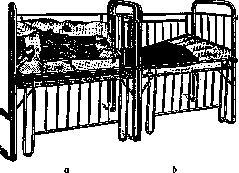
Figure 6. Children's cribs: a-turned-back mattress; b-made bed.
per day to wash; it is recommended that the attending staff, when passing through it, put on special linen shoes over their shoes. The bed is most convenient - iron, with lowering side walls, painted with light enamel paint. The height of the walls should not be lower than the chest level of a one-year-old child, i.e., about 58 cm. In the State Institute for the Protection of Motherhood and Infancy (Moscow), the following dimensions are adopted: total height-102 cm, width-49 cm, length-76 cm. In families, for practical reasons, it is more rational to
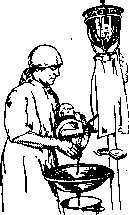
Figure 7. Washbasin.
from the very beginning to use such a crib so that later, as the child grows, it does not need to be changed. In institutions for children of the first months, it is more convenient to take a smaller bed (72 cm in length). A mattress must be well fitted to the bed, stuffed with horsehair (most convenient), previously sterilized, or seaweed. For better ventilation and for the sake of economy, Pirquet recommends a mattress consisting of three separate pillows, tightly adjacent to each other. The mattress is covered with oilcloth, which is tucked under the mattress. To prevent the oilcloth from bunching up and the mattress from being damaged, ribbons are sewn to the tucked-in edges and tied in the middle. The oilcloth is covered with a sheet, on which a second small oilcloth of 30-35 cm is placed under the lower part of the torso (see Figure 6). Experience of the State Institute for the Protection of Motherhood and Infancy shows that pillows for a healthy infant are superfluous and he gets used to sleeping well on a flat surface. If a pillow is used, it must be stuffed with horsehair and covered with a cover made of soft thin rubber so that in case of regurgitation it cannot serve as a thermostat for bacteria. The best blanket is a woolen flannel one in winter, a fabric one in summer. Both are easily washable. A large duvet cover, turned outward, protects the child's face from contact with the blanket. A changing table in the family can be any table covered with a blanket and oilcloth; in an institution, it is made in the form of a cabinet in which linen is stored and on the lid of which a thin mattress covered with oilcloth is laid. In addition, in the institution, a table-cabinet is necessary in front of the crib, where individual care items could be stored, namely: a thermometer, a powder box, a bulb for enemas, a glass with a teaspoon and a spatula, a jar with a lid for sterile cotton wool, scissors for cutting nails, a comb, and Vaseline. A washbasin is more convenient with a pedal (see Figure 7). The child's clothing should be simple, comfortable, have no folds, and sufficiently protect the body from excessive heat loss. But too warm clothing is also harmful, because by creating a steam envelope around the child, it exhausts him. The clothing of the first months of a child's life consists of a shirt, a jacket, and diapers. The shirts have no buttons, their flaps overlap on the child's back. The jacket (preferably knitted) fastens on the chest. The lower diaper of small size, 50 x 50 cm, is made
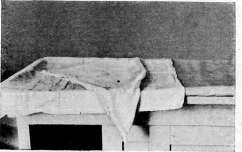
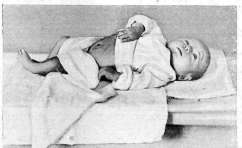
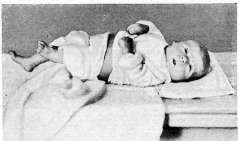
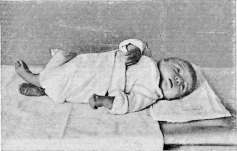
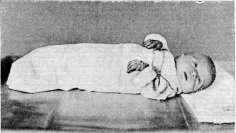
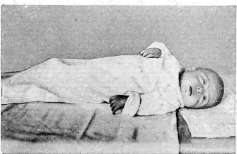
Correct swaddling of a child: six consecutive moments. (From the Institute for the Protection of Motherhood and Infancy, Moscow.)
B. M. E. To the article Infant: from material that absorbs urine well—best of all from gauze folded in four. Napkin material absorbs somewhat worse, and ordinary madapollam is the worst. The upper swaddling cloth, 90x90 cm in size, should be made of denser material (linen, cotton flannel, flannel). All the swaddling steps used at the State Institute for the Protection of Motherhood and Infancy are shown in the figures (see separate table, figs. 1-6). In the Pirquet clinic, swaddling is performed differently: each leg is wrapped separately, but the principle of padding the perineum with a diaper remains the same. The clothing of an older child (5-6 months) is somewhat more complex. In addition to the requirements indicated above, it should not restrict the child's active movements. At the State Institute for the Protection of Motherhood and Infancy, after long study, the following clothing was adopted: a bright, colored, warm (flannel or cotton flannel) jacket, fastening tightly with buttons in the front, is worn over a short shirt. A bodice is worn over it, to which the pants are buttoned. Combinations for this age proved inconvenient, as pants can be unbuttoned faster than a combination can be removed. In a home setting, the latter are quite acceptable. A bright apron, crossing with long ends in the back, completes the child's clothing. A variety of colors in clothing is desirable to enrich the child with bright visual impressions. A dress is superfluous; a dangling hem prevents the child from accurately coordinating their movements; along with toys, the child often grabs the hem of the dress, falls, and becomes irritated. Elastic bands are attached to the bodice, which hold up the stockings. Other types of garters that constrict the leg and thereby disrupt blood circulation are unacceptable. When the child attempts to stand and walk, soft knitted shoes are replaced with leather ones, which give the child more support. In the summer, during hot weather, with an air temperature above 25°, it is better to keep the child undressed or in a light shirt during the day; for crawling children, pants are necessary to avoid contamination and infection of the genital organs (especially in girls) and reasons for masturbation. In cold weather, for walks for children up to 6 months, it is most convenient to use cotton bags, into which the child is placed after being pre-wrapped in diapers and a blanket. Another small diaper is placed between the blanket and the diapers. Walking for children older than 6 months also pursues pedagogical goals—the child becomes acquainted with the outside world and surrounding objects; accordingly, the child is not laid down, but seated in a sled or carriage, as a result of which their clothing also changes: warm pants, stockings, felt boots, a fur coat, mittens, and a hat or bonnet are needed. The task of upbringing in infancy consists of implementing a purposeful regimen aimed at the all-round development of the child. The regimen should be structured so that feeding, sleeping, potting, and walks always occur at a set time and alternate with play. In play, the child acquires motor skills and learns about the outside world. Children in closed institutions used to lag behind in their development because they were doomed to long periods of sitting in cribs without any stimuli for movement—they were "spiritually starving." A child's play requires a specific environment and toys. Thus, the development of movement after 1 1/2 months is helped by hanging bright, easily washable polished wooden or rubber toys. Multicolored balls and spheres scattered in the playpen stimulate crawling (see figure 8). The construction of a slide and stairs forces 8-9-month-old crawlers to climb and crawl onto them. Here is an approximate regimen for children from 7 months, carried out in the nurseries of the State Institute for the Protection of Motherhood and Infancy: from 7 1/2 hours to 8 1/2 hours—admission and potting, from 8 1/2 hours to 9 hours—toilet, from 9 hours to 9 1/2 hours—play, from 9 1/2 hours
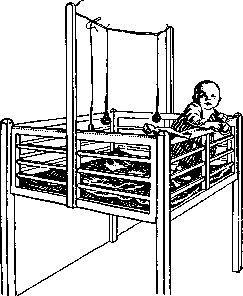
Figure 8. Playpen for crawling children and those beginning to stand.
to 10 1/4 hours—breakfast and potting, from 10 1/4 hours to 10 1/2 hours—play, from 10 1/2 hours to 11 hours—dressing for a walk, from 11 hours to 12 1/4 hours—sleep in the open air, from 12 1/4 hours to 12 3/4 hours—undressing and potting, from 12 3/4 hours to 1 1/2 hours—play, from 1 1/2 hours to 2 1/4 hours—lunch and potting, from 2 1/4 hours to 3 hours—play, from 3 hours to 4 1/2 hours—potting and sleep, from 4 1/2 hours to 5 hours—potting and handing over the children. Sleep hygiene. A child should be put to bed at the same hours, because delays can lead to fatigue and subsequent agitation. The sleep of infants is light; therefore, during sleep, they need protection from noise and shouting. This is especially necessary in institutions where the crying of one child entails the disruption of the sleep of the entire group. In winter, it is desirable to have one nap in the open air; in summer, it is better to put children to bed in a room with open windows, because in the open air, summer noises (chirping of birds, street cries, etc.) and insects disrupt both the settling down and the sleep. It is better to put children under 6 months of age to bed before eating, and not after, because being awake for 4 hours is tiring for children of this age; furthermore, the process of eating often excites them and makes falling asleep difficult. Potting is desirable from the age of 6 months. In a family, it is significantly easier to accustom a child to cleanliness than in an institution. A mother will sooner catch the child's first signs of a urge to urinate (grunting, restlessness, etc.) and will put them on the pot in time. A few successful pottings create a fairly strong reflex for the pot, and the child begins to hold the urge until potting. In institutions, however, habituation to cleanliness proceeds very slowly and is achieved only through systematic potting at specific intervals, preferably immediately after the child wakes up, after a walk, before eating, etc. Walks. The purpose of a walk is not only to give the child the opportunity to breathe fresh air, but also to expose them to the influence of ultraviolet rays, which they cannot receive in a room even with the most thorough ventilation. Walks should also "harden" them, i.e.

Figure 9. Balconies according to the Pirquet system.
to make [the infant] resistant to various physical agents, such as cooling, overheating, and for older children, to enrich them with new impressions. The organization of walks, satisfying all these requirements, especially in institutions, appears to be an important and difficult task. It is necessary to build verandas. Interesting are the arrangements in the Pirquet clinic, where each window has its own balcony, and the child can be taken out there at any necessary moment (see figure 9). The first walks can be recommended from two weeks of age (in cold weather at a frost not lower than -6-7°), with a duration of 5-10 minutes. Subsequently, the walks are gradually lengthened to 15-30 minutes. Healthy children at 6 months can remain in the open air in calm weather for about two hours at a temperature of -15-18°. It is desirable that by the end of the year, in the cold season, the child spends at least 4 hours in the open air, whereby it is more convenient to use one walk for sleep, and the other for wakefulness. Both the duration of the walk and the clothing must be coordinated with the individuality of the children. There are two types of children: some who regulate heat well (their hands are always warm, pink; pleotherm, in the expression of Schade), and others with cold, damp, pale hands, who are quickly subject to cooling (penotherm). Children with exudative diathesis also belong to the 2nd type (therefore, their hardening requires great thoughtfulness and gradualness). In summer, it is desirable to combine walks with air and sun baths. It is better to start air baths at 22° for 15 minutes, increasing by 15 minutes each day and bringing it up to 1 hour twice a day. Sun baths are recommended to be done 5-6 days after air baths, at a temperature not lower than 20-28°. The whole body is exposed to lighting for 3 to 5 minutes, 2 times a day. Subsequently, the session is lengthened by 5 minutes, which is done gradually and not every day, but in such a way that on the 20th day the duration of exposure reaches 2 hours in two sessions. During sun baths, children receive boiled water. For children at the age of one year, it is good to conduct sun and air baths in the form of free games in the open air with subsequent dousing with water. One can start dousing with water from a temperature of 28-29° and then gradually lower it to 22-20°. Sun baths are best done no less than 25-30 minutes before a meal. -Gymnastics for infants. In a home environment and in institutions where pedagogical work is correctly set up from an early infant age, the child, being constantly in active movement, develops well even without gymnastics. It gives good results in institutions where children still spend a lot of time in cribs. It is therefore more correct to first improve the entire setup of upbringing than to move on to isolated gymnastic exercises. In general, it can be said that children placed in conditions of a correct pedagogical environment develop faster than children with whom only gymnastic exercises were done. In the future, gymnastics in infancy will likely be used for specific indications, like all other physiotherapeutic methods.
A. Dobrokhotova. Lit.: Pirquet C., Diseases of Infancy (Children's Diseases, part 1, L., 1927); Blüdorn K., Diseases of Infancy in Everyday Practice, M., 1927; Gundobin N., Features of Childhood, SPB, 1906; Karnitsky A., Child Development and Features of His Age, Baku, 1927; Langstein L. and Meyer L., Feeding and Metabolism in Infancy, M., 1923; Lesage A., Textbook of Diseases of Infancy, SPB, 1914; Lunts R., Physiology and Dietetics of the Infant, M., 1925; Maisel I., Nervous and Mental Diseases of Early Childhood, M., 1928; Maslov M., Fundamentals of the Doctrine of the Child, vol. I, L., 1928; Medovikov P., Physiology, Pathology and Therapy of Digestion and Nutrition in Infants, M., 1921; same, Biological Foundations of Prophylaxis in Children and the Technique of Its Implementation, M.-L., 1929; Meyer L., Diseases of Infancy, L., 1927; Meyer L. and Nassau E., Nutritional Disorders in Infancy, M., 1925; Speransky G., Classification of Nutritional Disorders in Young Children, M., 1926; Feer E., Diagnosis of Children's Diseases with Special Attention to Infancy, L., 1928 (German ed. - Berlin, 1924); Shtefko V., Fundamentals of Biological Anatomy of the Child, M., 1927; Baar H. u. Stransky E., Die klinische Hämatologie des Kindesalters, p. 1-70, Lpz.-Wien, 1928; Bernfeld S., Psychologie des Säuglings, Wien, 1925; Canestrini S., Über das Sinnesleben des Neugeborenen, B., 1913; Czerny A. u. Keller A., Des Kindes Ernährung, Ernährungsstörungen u. Ernährungstherapie, B. I-III, Lpz.-Wien, 1925-28; Demelin L. et Devraigne J., Manuel du puériculteur, P., 1920; Engel S. u. Baum M., Grundriss der Säuglings- u. Kleinkinderkunde, München, 1929; Finkelstein H., Lehrbuch der Säuglingskrankheiten, B., 1924 (lit.); Handbuch der Anatomie des Kindes, hrsg. v. K. Peter, G. Wetzel u. F. Heiderich, B. I-II, München, 1927-28; Handbuch der Kinderheilkunde, hrsg. v. M. Pfaundler u. A. Schlossmann, B. I, Lpz., 1923; Jaschke R., Physiologie, Pflege u. Ernährung des Neugeborenen, B., 1924 (lit.); Lesné E. et Binet L., Physiologie du nourrisson, P., 1921; Marfan A., Clinique des maladies de la première enfance, P., 1926-28; same, Traité de l'allaitement et de l'alimentation des enfants du premier âge, P., 1929; Marfan A. et Lemaire H., Hygiène et maladies du nourrisson, P., 1929; Nobécourt P., Conférences pratiques sur l'alimentation des nourrissons, P., 1922; Pfaundler M., Physiologie, Ernährung u. Pflege des Neugeborenen, B., 1924; Reuss A., Die Krankheiten des Neugeborenen, B., 1914 (lit.). - Special periodicals. - Journal for the Study of Early Childhood, Moscow, since 1923; Le nourrisson, Paris, since 1913; Zeitschrift für Säuglingsschutz, Berlin, 1909-23.
Related articles
Mentioned in
Cite this page
“Infant.” Soviet Medical Encyclopedia. English translation of Bolshaya Meditsinskaya Entsiklopediya, 1st ed. (Moscow, 1928–1936), ed. N. A. Semashko. https://sovietmedicalencyclopedia.pages.dev/article/infant/