Graves' Disease
Historical document, translated for reference. It reflects medical knowledge of the 1920s–30s and is not medical advice.
Summary
Graves' disease is a condition characterized by a triad of symptoms: goiter, exophthalmos, and tachycardia. It involves hyperthyroidism with various systemic manifestations including cardiovascular, nervous system, and metabolic disturbances.
Encyclopedia article (1928–1936)
GRAVES' DISEASE (morbus Graves-Basedowi). The disease described was already known to Morgagni (1761), Flajani (1802), Parry (1825), and, above all, Graves who satisfactorily studied its symptomatology. The Merseburg physician Basedow in 1848 pointed out the characteristic triad of symptoms—goiter, exophthalmos, tachycardia—which remain the main ones to this day. The symptomatology of G.d. at present consists of a large number of signs. There are especially many of them in relation to the eyes. In addition to exophthalmos of varying degree (see figures 1 and 3), there are noted—width of the palpebral fissure (lagophthalmus), infrequent blinking (Stellwag's symptom), inability to close the eyes (Kocher), appearance of a white band of sclera above the iris when the eyeballs are slowly turned downward (Graefe), deviation of the eyeball outward when fixing vision at close distance due to weakness of the internal muscles (Moebius), vascular murmurs when auscultating the eyeballs (Snellen); a special luster of the eyes, width of the pupils, which become even wider when a solution of adrenalin is introduced (Adrenalin-mydriasis Loewi).—The cardiovascular system. Tachycardia has the character of sinus (see Heart arrhythmias); however, the presence of basedowism (see below) predisposes to attacks of paroxysmal (extrasystolic) arrhythmia (Zelenin); in far-advanced cases, arhythmia perpetua is also observed (see figure 2). The heart is usually somewhat enlarged, which is sometimes masked by its relatively small size (asthenic heart); the tones are loud; functional murmurs are often heard. Patients usually also experience subjective
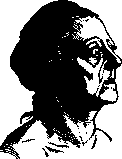
Figure 1. Markedly expressed exophthalmos.
sensation of palpitation. Kraus observed cases where cardiac phenomena existed as the only symptom of the disease (thyrotoxic heart). With the duration of the process, the heart enlarges and becomes insufficient (insuffic. myocardi). Pulse pressure (difference between maximum and minimum) is increased due to elevation of the maximum and lowering of the minimum (evidently, in connection with the presence of adrenalin-like substances in the blood according to Kraus, Friedenthal and others). According to Boothby, in cases of hyperthyroidism (without exophthalmos), pulse pressure is significantly less. Vascular (vasomotor) phenomena (flushing, red face, red dermographism) are rarely absent. The electrocardiogram is very characteristic (see figure 2) due to the very high T wave (A. Hoffmann, H. Zondek, V. Zelenin). According to Wohlheim, Müller and Kabakov, capillaries give a picture characteristic of angioneurosis (polymorphism with predominance of narrowing of arteries and expansion of the venous segment). In the blood, with some poverty of Hb and sufficient, sometimes excessive, amount of erythrocytes and with decreased coagulability, changes in the leukocyte formula are observed. r r t t R R t t Figure 2. Arhythmia perpetua in Graves' disease. The atrial P wave is absent, the T wave is very large (personal observation). l e u k o c y t a r y formula. Kocher, in general leukopenia, found relative lymphocytosis; Kurlow in less developed forms saw significant mononucleosis. Eosinophilia is occasionally observed. Berezov attaches importance to fluctuations in the number of lymphocytes during vegetative tests.—The digestive tract. Painless diarrhea, which sometimes yields to treatment with preparations of the pancreas; appetite is somewhat reduced; vomiting is relatively rare and is observed as a symptom of digestive tract "crises" (with exacerbations of the disease). In many cases, achylia gastrica is found. The nervous system in all its parts is in a state of increased excitability (and is little stable): tendon reflexes are increased, fine tremor of hands, tongue is observed; distressing sweats and salivation are not uncommon, which can be replaced by dryness in the mouth and throat with attacks of spasmodic cough (Zondek). The greatest disturbances fall to the share of the autonomic nervous system. Typical is the psyche in Graves' disease: extreme, reaching a submaniacal state, excitability, extremely heightened reaction to external stimuli, change of mood, poor sleep; sometimes, on the contrary, states of depression may predominate. Metabolism is increased both in relation to N and fats and carbohydrates; at the center of the disturbance is probably the reduced assimilability of carbohydrates (food glycosuria, resp. hyperglycemia). Patients lose weight, literally "burn up," which corresponds to the increased gas exchange (by 40%-70% and more). This symptom proved so constant that some (mainly American) authors build a classification of disease forms on the study of basal metabolism. This same circumstance is the basis of the fact that the patient does not tolerate heat (heated room, hot climate, heat procedures). The usually observed subfebrile temperature corresponds to the tension of exchange. From the side of the skin and subcutaneous tissue, in addition to increased moisture and increased electrical conductivity (Chvostek), it is necessary to point out pigmentation in various places (on the eyelids, mammary glands, etc.). Rashes of the urticaria type are common. The state of the endocrine apparatus should be placed at the center of attention: the main symptom is considered to be goiter (struma), i.e., enlargement of the thyroid gland, which in G.d. appears diffusely enlarged, somewhat pulsating; when auscultating it, vascular murmurs are often determined; due to the change in blood filling, the goiter fluctuates in size. Sometimes enlargement of the thyroid gland is not detected on inspection and palpation: in such cases (according to Kocher) there may be either a retrosternal goiter or a growth backward discoverable only at operation. Sometimes nodular proliferations are also encountered, which American authors attribute to a separate form of the disease: toxic adenoma (see below). The goiter in G.d. is poor in colloid, iodine and proteins, in contrast to the nodular, colloid goiter. The ovaries are in a state of altered function: menstruation becomes either more frequent or decreases, or disappears altogether (sometimes menorrhagia occurs). It should be mentioned that in the climacteric period a symptom complex develops resembling the Basedowian, mainly in relation to vascular phenomena (flushing, sweating, red face, general restlessness). The thymus gland is sometimes preserved (thymus persistens); this is a form with unfavorable course, especially with operative interventions ("mors thymica"). In favor of hyperfunction of the adrenal cortex speaks both the elevation of maximum pressure and a whole series of signs of overexcitation of the sympathetic nerve. The pancreas is apparently disturbed in its exocrine (disappearance or improvement of diarrhea from the use of Pancreatin) and endocrine functions: improvement of symptoms under the influence of insulin treatment (Falta, Kogan-Yasny, Shereshewsky). It must be thought that its
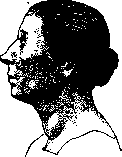
Figure 3. Infectious thyroiditis with manifestations of thyrotoxicosis. Bilateral clearly defined goiter (personal observation).
hypofunction also partly determines the low tolerance to carbohydrates. As for constitutional signs, in most cases of G.d. one has to deal with asthenics (asthenia universalis Stilleri) or lymphatics (resp. status thymico-lymphaticus).
v. zelenin. Pathological anatomy.In the patho-anatomical picture in G.d. the most essential place is occupied by changes in the thyroid gland. From
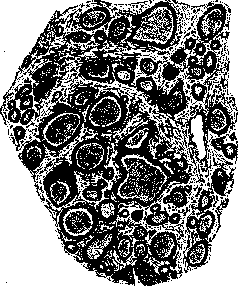
Figure 4. Normal structure of the thyroid gland (according to Sobotta).
the side of the latter in most cases (about 75%) G.d. find a typical picture, which they designate as Basedow goiter
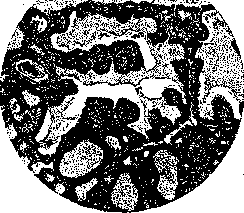
Figure 5. Struma in Graves' disease. Polymorphism of follicles (according to Zondek). (struma Basedowi). The thyroid gland is uniformly (much less frequently nodular) enlarged, of moderately dense consistency, pale pink color; on the cut its tissue is meaty, juicy, exudes watery juice. Under the microscope, a change in the appearance of the epithelial covering of the glandular vesicles is found: it transforms into high cylindrical cells and forms papillary projections into the vesicles; due to this, the vesicles lose their usual round
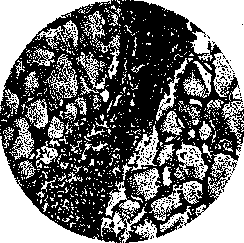
Figure 6. Struma in Graves' disease; accumulation of lymphoid elements (according to Zondek).
shape (see figure 4) and acquire an irregular, polymorphic appearance (see figure 5). Sometimes abundant desquamation of the epithelium is observed. The contents of the vesicle lumens represent a watery colloid, which stains pale on sections. The presence of collections of lymphoid elements in the interstitial tissue (see figure 6) is extremely typical, often having the appearance of true lymphatic follicles. In addition to this typical change in the thyroid gland in Graves' disease, in some cases (25%), a banal picture of colloid or parenchymatous goiter is found in it, and sometimes only individual lobules with changes typical for Basedow's goiter are found amidst the picture of colloid or parenchymatous struma (so-called struma Basedowificata). It is interesting that with a favorable course of Graves' disease, all changes in the thyroid gland disappear, and it again acquires a normal structure. Among the changes in other organs, hyperplasia of the regional lymph glands of the neck to the thyroid gland, as well as changes in the cervical sympathetic ganglia in the form of their sclerosis and degeneration of nerve cells, are fairly constant. Mogilitsky found degenerative changes in the nuclei of the intermediate brain. In severe cases, hypertrophy of the left ventricle of the heart is observed, with sclerosis of it and degenerative changes in muscle fibers. The often observed enlargement of the thyroid gland is based on hyperplasia, mainly of its cortical layer (Hammar). The patho-anatomical changes of other organs described by various authors (of the entire lymphatic system, brain appendage, adrenal glands, ovaries) are NOT CONSTANT AND NOT TYPICAL.
A. Abrikosov. Etiology and pathogenesis. Due to the fact that mental shock often serves as a direct trigger for the development of sometimes violently progressing Graves' disease, there was a hypothesis about primary damage to the central nervous system (the boulevard theory of Tedeschi). Then attention was drawn to the fact that, on the one hand, in the symptom complex of Graves' disease there are many signs of increased irritation of the sympathetic nerve, and on the other hand, traumatic damage to it can cause a similar picture of the disease (Gertsen and Mogilitsky), and therefore decisive importance began to be attached to sympathetic innervation. However, the founders of the doctrine of the functions of the autonomic nervous system Eppinger and Hess noted that along with sympathicotonic symptoms (tachycardia, exophthalmos, alimentary glycosuria, trophoneuroses with skin pigmentation, etc.), vagotonic signs are also found (sweating, respiratory arrhythmia, diarrhea, urticaria, Graefe's symptom, etc.). This circumstance alone forced one to seek a common cause for the disturbance of equilibrium in the autonomic nervous system. By general recognition, this cause lies in the thyroid gland (the theory of Gauthier-Moebius), the secretion of which, being predominantly sympathicotropic, is also to some extent vagotrop, i.e., polyvalent (Falta, Eppinger, Rudinger). The initial assumption about hyperfunction of the thyroid gland or thyrotoxicosis causing the entire symptom complex of Graves' disease retains its force to some degree to this day. W^-4»*^U4*"^^WH^''Wif^»1^^»4^
i and
i and
i p R
R
R Figure 7. Myxedema. The teeth of the electrocardiogram are low, the tones (upper curve) are muffled (personal observation). In the symptom complex of Graves' disease there are many signs of increased irritation of the sympathetic nerve, and on the other hand- traumatic damage to it can cause a similar picture of the disease (Gertsen and Mogilitsky), and therefore decisive importance began to be attached to sympathetic innervation. However, the founders of the doctrine of the functions of the autonomic nervous system Eppinger and Hess noted that along with sympathicotonic symptoms (tachycardia, exophthalmos, alimentary glycosuria, trophoneuroses with skin pigmentation, etc.), vagotonic signs are also found (sweating, respiratory arrhythmia, diarrhea, urticaria, Graefe's symptom, etc.). This circumstance alone forced one to seek a common cause for the disturbance of equilibrium in the autonomic nervous system. By general recognition, this cause lies in the thyroid gland (the theory of Gauthier-Moebius), the secretion of which, being predominantly sympathicotropic, is also to some extent vagotrop, i.e., polyvalent (Falta, Eppinger, Rudinger). The initial assumption about hyperfunction of the thyroid gland or thyrotoxicosis causing the entire symptom complex of Graves' disease retains its force to some degree to this day.
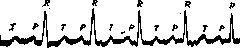
Figure 8. The same patient (see figure 7) after treatment with thyroidin: all teeth of the electrocardiogram increased, the tones became louder.
This is particularly evident from a comparison of the symptoms of Graves' disease and myxedema (hypo- or athyreosis), as presented in Kocher's table. In addition to this, typical changes in the electrocardiogram of hypothyroid patients treated with thyroidin should be noted: the T wave, which is absent in myxedema, gradually increases and approaches the T wave of Graves' disease patients (see figures 7 and 8, compare with figure 2). Analysis of the symptoms reveals the absence of a complete opposition in the clinical picture of myxedema and Graves' disease, since in the latter, in addition to the above-mentioned manifestations of hyperthyroidism, signs of hypothyroidism may also exist (dryness of the skin, constipation, etc.), which is why the doctrine of dysthyreosis was proposed, i.e., a perversion of the function (or chemical change of the secretion) of the thyroid gland. Failures of surgical intervention (removal of a significant portion of the gland with only a slight reduction in pathological signs) also spoke in favor of this. The theory of dysthyreosis found further support in the observations of Neisser (1920), who obtained excellent results from the application of small doses of iodine, which, in pure forms of hyperthyroidism, on the contrary, exacerbates all symptoms. Apparently, the administration of small doses of iodine returns the structural formula of the thyroid secretion to normal (destroys or reduces the degree of dysfunction). It is possible that in this matter the situation is as Kendall, who gave the formula for the thyroid secretion-thyroxine, envisioned it. According to Kendall, there are several structural formulas of thyroxine, which is trihydro-triiod-paraoxy-phenyl-propionic acid. Depending on the excretion of thyroxine with a closed or open pyrrole nucleus, the character of thyrotoxicosis may change. The question, however, cannot be considered definitively settled, as recently Harrington published a new formula for thyroxine. Plummer, on the basis of studying, mainly, metabolism, proposed the following classification of thyroid diseases: 1) myxedema (metabolism significantly reduced: by at least 20%), 2) cretinism (significantly reduced), 3) simple or colloidal goiter (normal or slightly reduced), 4) adenoma without thyrotoxicosis (normal), 5) adenoma with thyrotoxicosis, or toxic goiter (metabolism increased by 50%), 6) exophthalmic goiter (metabolism increased from 20 to 100%), 7) hyperthyroidism during menopause (metabolism increased, manifestations of hyperthyroidism may either pass or develop into the 5th or 6th forms). Thus, the main symptom of thyroid dysfunction is exophthalmos; thyrotoxicoses without exophthalmos are an expression of hyperfunction of the thyroid gland. Butby and Sandiford (Irene Sandiford) caused the development of hypertoxic adenoma through prolonged use of normal thyroxine. Forms of moderate dysthyreosis include the so-called 'formes frustes' of Charcot or manifestations of Graves' disease, which in some cases may also arise from improper administration of iodine (Jodbasedow). Returning to the role of the autonomic nervous system, in the nodes of which pathological-anatomical changes were found by the authors (Mogilnitsky and others), it should be noted that between it and the thyroid gland there is a closed circle of mutual influence, which in Graves' disease turns into a 'circulus vitiosus', which can be broken by intervening in the biology of the thyroid gland. However, if one agrees that hormones play the role of catalysts, activating cellular energy, to which, in a certain relationship with the reaction of the medium and the presence of electrolytes (Ca, K, etc.), the activity of the autonomic nervous system is also directed, then the determining factor is the condition of that organ or system that is predominantly involved in the suffering, i.e., their biological completeness. This makes understandable the hereditary predisposition to thyroid diseases: in the same family, either only Graves' disease patients are found, or they alternate with hypothyroid patients. Along with the above-mentioned constitutional features, it is necessary to note the significant predominance of women among those suffering from Graves' disease. The significance of the constitutional factor, particularly emphasized by Chvostek, is understood by Biedl in the sense that only a congenital disturbance of equilibrium in the endocrine system leads to the development of true Graves' disease, whereas constitutionally complete subjects give a picture of pure hyperthyroidism. It is still impossible to determine the exact immediate cause of the disease. Psychological trauma (acute and chronic) is often noted: apparently, through the autonomic nervous system, the blood supply to the thyroid gland is altered. Physiological perturbations in the endocrine system (menstruation, especially during formation, pregnancy, climax) are often noted as the beginning of the disease. In a number of cases, infections-infectious thyroiditis (de Quervain, Pletnev, Zelenin and others)-served as a trigger for the development of symptoms of Graves' disease. It is difficult to say what role auto-intoxication plays. Clinical types. The following forms are distinguished: 1) acute, with a rapid development of all symptoms, with severe manifestations of intoxication and exhaustion and an irresistible urge toward a fatal outcome from cardiac failure and cachexia; 2) subacute and 3) chronic form, in which compensation of organs is maintained for a long time. They speak of Graves' disease or Graves' syndrome (formes frustes) in cases where there are a number of symptoms indicating only instability in the autonomic innervation with moderate enlargement of the thyroid gland (brightness in the eyes, tachycardia, tremor, increased metabolism). Cases where there is a combination with lesions of other endocrine glands (besides the typical disturbance of their correlation mentioned above) do not belong here. Periods of abatement and exacerbation of all phenomena (especially in spring and autumn), which sometimes take the character of true 'crises', are usual in the course of the disease. Treatment can be either etiological (rather, pathogenetic) or symptomatic. Since it is impossible to directly influence the constitution, one is limited to organizing the lifestyle (psychic hygiene, proper nutrition, physical culture) and possibly eliminating harmful influences, especially during periods of physiological perturbations in the neuro-endocrine system (menstruation, pregnancy). This is also the prevention of the disease. With even greater persistence, regime-dietary measures should be carried out in already developed suffering: enhanced nutrition (mainly fats and carbohydrates), rest, cool hydrotherapeutic procedures, mountain resorts with a moderate climate. Organ- and organotherapeutic preparations have not lost their significance: antithyreoidin (see), proposed by Möbius, reduces general excitement and improves the condition of patients in less developed cases; the same can be said about rodagen and other similar preparations. Pancreatin (0.25) or pancreon has a beneficial effect on diarrhea. Insulin is successfully used and is indicated, especially if carbohydrates are poorly tolerated. The administration of adrenaline and atropin in rare cases with predominance of vagotonic symptoms can give some alleviation of them. Preparations of the thyroid gland (thymine) were also prescribed, but if one agrees with the authors (Sharpey, Schafer, Redlich and others) who admit synergism between the thyroid and thyroid glands, it is difficult to expect positive results from thymine. Ovarin undoubtedly acts beneficially in some cases of thyrotoxicosis in the climacteric period. Recently, many works have been devoted to the effect of small doses of iodine (Neisser, Levi, Zondek, Plummer, Butby and others). In cases of dysthyreosis (exophthalmic goiter), the administration of 3-5 drops of Lugol's solution 2-3 times a day can already within the next few days bring about sharp changes for the better in the entire picture of thyrotoxicosis: nervousness, sweating, tachycardia decrease, diarrhea disappears, patients gain weight, basal metabolism decreases, the blood leukocyte formula returns to normal (Biedl, Reddish), etc. Treatment is repeated for 8-12 days, with breaks of 3-5 days (Plummer and Butby). Biedl and Reddish also saw results from more prolonged use of small doses of iodine (up to 15 drops). According to Fraser, 3-6 drops of Lugol's solution per day can be used for a long time. Levi and Zondek recommend using weight gain to determine the duration of treatment. Plummer, based on 400 cases, and Butby (from the Mayo Clinic), based on 1,200 observations, note the beneficial effect of iodine, especially in severe gastrointestinal 'crises' (within 1-2 days they give significant doses of iodine: up to 1.0 pro die); the authors compare the effect of such therapy in Graves' crises with the results of insulin application in diabetic coma. And if most authors still tend to attribute only a transient effect to iodine therapy, all agree that it is absolutely necessary as a method of preparation for surgery, as it has significantly reduced the percentage of unfavorable outcomes. X-ray therapy. After Williams, who in 1902 applied x-ray irradiation of the goiter in Graves' disease, a large amount of material has accumulated. Freund, Bergonie, Schwarz, Rave, Kienbock and Nemenov agree in the favorable assessment of the influence of x-ray therapy in the developed form of the disease;
"formes frustes" do not give noticeable improvement. According to the statistics of R. Maunsell and M. Hayes (Maun-sell R. and Maurice Hayes), covering a large amount of material, the percentage of recovery reaches 75 or more. According to Erskin, X-ray therapy gives no worse results than surgical intervention, especially if iodine treatment is applied before irradiation of the gland (15-16 drops of Lugol's solution for 1 week). The mechanism of action of X-ray therapy comes down to suppressing the function of the thyroid gland (for technique, see relevant manuals). According to Kienbock, Gilmer, Belot, and others, at the beginning of treatment, signs of irritation of the thyroid gland may appear in the form of a general reaction (headaches, insomnia, gastrointestinal disorders), the skin on the neck turns red, and the thyroid gland swells. Experiments with X-ray irradiation of the ovaries with small (stimulating) doses and with the use of large doses for irradiation of gl. thymus have not yet given convincing results. Among the therapies that give some results, we should include galvanization of the thyroid gland (current of 10-20 A for 20-30 minutes with electrodes of 50-100 sq. cm). Strubell recommends baths with alternating current. Among replacement therapy, the use of phosphorus (Natr. phosphor. up to 6.0 pro die according to Kocher-Travensky) deserves attention due to the loss of phosphorus, which is carried into the intestine by excessively secreted H3BecTbio (Scholz), as well as intramuscular injections of lime chloride with gelatin (according to Meller-Saxl). In achylia gastrica, along with pancreatin, it is useful to prescribe HCl with pepsin. Symptomatically acting bromine preparations are sometimes used with benefit. As for attempts to influence tachycardia, substances of the digitalis group act poorly, causing due to thyrotoxic over-irritation of the intracardiac nerve apparatus, extrasystole and even bigeminy. Strophanthus is apparently better tolerated. In general, it should be noted that acute forms, although sometimes extremely dangerous due to the rapid development of all symptoms, are more amenable to therapeutic effects than chronic, torpid forms that steadily progress and lead to cachexia and decline in cardiac function.
V. Zelenin. Surgical treatment of G. d. The first in Europe to operate on the thyroid gland for G. d. was Lister (Lister, 1877), then Tillaux (Tillaux, 1880), Rehn (Rehn, 1884). Lister subsequently published a significant number of his surgical cases. However, the father of this branch of surgery must be considered Kocher. He had extensive experience in the surgical treatment of G. d., and through the analysis of his observations, he significantly advanced the doctrine of the pathogenesis of G. d.; by establishing indications and improving surgical methods, he reduced surgical mortality to a minimum and achieved good long-term results. In essence, other surgeons developed the surgery of G. d. based on Kocher's work. Indications for surgical treatment in G. d. differ for secondary and primary forms. The secondary form of G. d. most often develops on the basis of 'nodular goiters' (adenoma thyreotoxicum); much more rarely, diffuse goiters lead to the secondary form of G. d. In the primary form of G. d., only diffuse goiters are observed. Secondary G. d.--thyrogenic in the full sense of the word: pathological phenomena arise due to pathological changes in the thyroid gland. Therefore, surgical intervention aimed at the primary focus (most often a toxic nodule) is essentially a radical treatment. After timely removal of the toxic nodule, the clinical manifestations of the disease disappear. Long-existing toxic adenomas lead to changes in the heart muscle and can apparently cause deviations from the norm in the endocrine chain. Sometimes nodules have a tendency to significant growth; large retrosternal goiters are particularly inconvenient for surgical intervention. Thus, operations undertaken in late periods are generally more poorly tolerated by patients, and in some more severe cases are not without danger; whereas the operation for small and medium-sized nodular goiters, in the absence of changes in the heart muscle, is almost safe. Therefore, it should be considered that in the secondary form of G. d., especially in cases of toxic adenomas, surgery is indicated as soon as the diagnosis of the disease is made. This position, of course, applies to those cases of secondary G. d. where the symptoms of the disease are clearly expressed. In mild cases, expectant management is possible. Of course, contraindications to surgery must be taken into account if they exist in a given case. The technique for removing nodular goiters consists of their enucleation along with the capsule. Bleeding is usually easily stopped temporarily by tamponade after rapid removal of the nodule, and then by suturing the walls of the cavity left after the adenoma. In multiple adenomas, enucleation is often combined with resection of parts of the gland between the adenomas. After surgery, an increase in toxic symptoms is observed: increased pulse, sometimes restlessness, a feeling of heat, sweating. Usually these symptoms do not reach great strength and subside in the coming days, after which the patient's condition returns to normal. If the decision regarding surgical treatment in the secondary form of G. d. is clear, the same cannot be said for primary G. d.; here, both in principle and in detail, the question has caused (and still causes) disputes. From a principled standpoint, surgery on the thyroid gland (struma Basedowiana), with the aim of reducing it, is quite rational. One can only speak of the degree of its radicality, if one considers that changes in the thyroid gland are essentially secondary to lesions of the autonomic nervous system. However, surgeons' experience preceded theory, and operations on Basedow's goiter have outlasted all other methods of operating on the sympathetic system, on the thymus gland, etc. Operations on the sympathetic nodes were proposed by Jaboulay (Jaboulay)--removal of the upper sympathetic nodes--and expanded by Jonnesco, who removed all cervical nodes and the stellate ganglion. Jonnesco's operation is too traumatic; it removes many nerve elements related not only to the thyroid gland but also to the heart and bronchi. Jaboulay's operation (removal of the upper nodes) gives some results. In recent years, operations on the nerves have been attempted to be revived by K. P. Sapozhkov and Reinhard in Germany. Sapozhkov proposed resecting the external branch of the superior laryngeal nerve and the lower part of the superior sympathetic node. Reinhard removes the upper and middle sympathetic nodes and the sympathetic trunk. So far, these operations have not yet been tested on a large clinical material. As for operations on the cervical part of the sympathetic system before Reinhard, their results are clear from the statistics collected from the literature by E. R. Hesse: out of 224 cases of sympathectomy for G. d., there was healing in 29.4%, improvement in 32.1%, no improvement in 5%, and fatal outcomes in 18.3%.--Other principles of surgery were based on the view of G. d. as a disease of the endocrine chain, in which the thyroid gland is often affected no more than other endocrine glands, and sometimes changes in other glands come to the forefront (Chvostek). Among the latter, changes in the thymus gland are most often found: thymus persistens. Hence arose the idea of surgery to remove the thymus gland, either alone or in combination with resection of the thyroid gland (Garre, Haberer, Klose, Sauerbruch). Favorable results were seen from this operation. However, it is not uncommon to find cases where either no enlargement of the thymus gland is found or the enlargement is false (development of non-functional elements, only fatty tissue). This fact can be interpreted in two ways: either to accept the position that the thyroid gland should be considered the center of changes in the endocrine chain, or to consider that the thymus gland 'does not react' to changes (or increase) in thyroid function. The latter view naturally led to attempts to transplant the thymus gland from animals to patients with Basedow's disease. In the USSR, such transplants were most often performed by V. N. Rozanov, who sometimes saw improvement after this operation. Good results were sometimes also observed after removal of diseased ovaries in patients with Basedow's disease (Snegirev, Diterikhs), removal of tonsils, etc. However, all these operations and successful outcomes are, in general, rare and only indicate the need for thorough examination of patients with Basedow's disease to avoid falling into routine. The accumulated experience of surgeons who have successfully operated on the thyroid gland over many years still indicates the paramount importance of this organ in G. d.--At present, with the aim of reducing the secreting parenchyma of Basedow's goiter, operations are performed either on the feeding vessels (ligation of arteries) or on the thyroid gland itself. The latter include removal of half the gland (often supplemented by either resection of the other half or ligation of one artery on the opposite side), resection of both halves (subtotal resection), and finally, complete removal of the gland. Ligation of blood vessels is a separate operation or a preliminary step before strumectomy. In the latter case, ligation of one, two, or more arteries is performed in one session or with intervals of several days, usually under local anesthesia. As a separate operation, artery ligation is performed less frequently, as in most cases it gives only a temporary effect. A varying number of arteries are ligated in one or two sessions. As has now become clear from surgical experience, all four arteries can be ligated. No loss of function of the parathyroid glands, which previously caused concern, is observed. Removal of half the goiter (hemistrumectomia) is performed with preliminary ligation of two arteries on the corresponding side. After displacing half the gland, the superior thyroid artery is ligated at the upper horn of the gland, and the inferior artery--near the middle of the common carotid artery. The isthmus of the gland is also ligated, and removal of half the goiter thus occurs with very little bleeding. Complications of the operation may be damage to the parathyroid glands and damage to the recurrent nerve. In large or very large goiters, removal of one half may give an unfavorable cosmetic effect. Since half removal has little effect on the disease symptoms itself, it is usually supplemented either by ligation of one artery on the opposite side or by partial removal of the other half. Complete removal of Basedow's goiter has been performed by Sudeck in recent years. The operation does not cause a temporary postoperative increase in Basedow's symptoms. To prevent myxedema, patients must take thyroid gland preparations throughout their lives. In addition to this considerable inconvenience, it should be noted the ease with which all four parathyroid glands can be removed. Bilateral resection has only become more widespread in recent years. The main thing that stopped surgeons was the danger of bleeding, which is particularly unpleasant due to the usual decrease in blood clotting in G. d. Another disadvantage of bilateral resection (as well as other operations on Basedow's goiter, except for complete removal) is postoperative thyrotoxicosis--a temporary increase in all manifestations of Basedow's disease. The more the remaining part of the gland is damaged and crushed, the (all other things being equal) stronger the postoperative thyrotoxicosis. It is particularly strongly expressed
it when applying mass ligatures to the bleeding parenchyma of the gland: the ligated areas act as if they were autotransplants, releasing their incretion into the interstitial spaces. That the toxicosis occurs from absorption from the remaining and damaged part of the gland is evident, for example, from
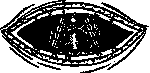
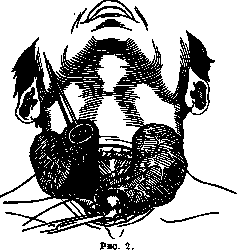
the fact that after the complete removal of a Graves' goiter, this complication is not observed. With the aim of preventing excessive postoperative toxicosis, and also with the aim of excluding the possibility of damage to the parathyroid glands and the recurrent nerve, Martynov developed the following operative technique. After dislocating the goiter, the two superior thyroid arteries are ligated and transected. Then, the inferior right veins (v. thyr. imae) are transected between two clamps. The surgeon's fingers are placed under the right half of the gland (as in the Mikulicz method) in order to prevent bleeding. With scissors, the capsule is cut in the lower part of the gland from the side and from the middle, the lower pole of the gland is grasped and lifted with some clamp, and the excision of the goiter is begun from below with scissors. A thin layer of the gland is left on the posterior part of the capsule. As the excision progresses upward, catgut sutures are applied to the remaining capsule with the layer of the gland, which effectively stop the bleeding (see figure 1). The gradual excision with the application of sutures proceeds upward, ending at the site of the transection of the superior artery (see figure 2). The inferior artery and the recurrent nerve remain covered by a layer of the gland.
The same is done on the left, after which sutures are applied to the muscles and skin. Two thin drains for 1-2 days. The advantages of such an operation: 1) it is performed more quickly, since time is not spent on ligating the inferior thyroid arteries, 2) insignificance of bleeding, 3) absence of mass ligatures on the gland tissue, which results in less postoperative toxicosis, 4) almost complete impossibility of injuring the parathyroid glands and the recurrent nerve. Complications after any operation on a Graves' goiter (and vessels). 1. The already mentioned postoperative thyrotoxicosis, consisting of an intensification of the phenomena of Graves' disease (increase in pulse rate up to 140-200 per minute, intensification of exophthalmos, feeling of heat, rise in temperature to 39° and higher, sweating, restlessness, refusal of food, etc.). Toxicosis usually reaches its greatest development by the end of the second day, then it rapidly subsides, and an improvement in the patient's condition begins (compared to the preoperative period). In some, admittedly rare cases, these phenomena develop to a maximum, the pulse cannot be counted ("delirium cordis"), the strength of the heart is exhausted, and the operated patient dies. At autopsy, in the majority of cases, "thymus persistens" was found, and they tried to explain the death by this. However, this would mean trying to explain a perfectly clear mechanism of death—exhaustion of the heart muscle due to acute hypertoxicosis—by a condition that is still unclear, called "status thymico-lymphaticus." Apparently, with this "constitution," the entire autonomic system becomes more vulnerable: in such patients, phenomena of exhaustion and shock easily arise. Therefore, anesthesia, especially chloroform, is sometimes tolerated poorly, which, however, does not give grounds to deprive all Graves' disease patients of the possibility of being operated on, even under ether anesthesia. 2. Postoperative pneumonia. 3. Some phenomena of myxedema—an extremely rare postoperative complication; the same can be said about tetany, which occurs after damage to the parathyroid glands; sometimes aphonia is observed due to damage to the recurrent nerve. The indicated three complications are excluded when the operation is performed correctly. Suppuration and other complications can occur after an operation on a Graves' goiter just as after any other operation.
It has long been noted that the more gland tissue is removed, the more complete the results, and the less possible a recurrence. After subtotal resection, one sometimes observes not only the return of lost working capacity and a subjective feeling of recovery, but also that everything objectively returns to normal (gas exchange, blood, etc.). Exophthalmos is the most difficult to disappear if it has existed for a long time. Mortality (with more cautious indications) has recently been brought down to low figures. Thus, Kocher at the end of his career reached a mortality percentage slightly exceeding one percent; Crile points to 1.4%; C. Mayo and Pemberton—1.5%; Lied (Norway)—0% out of 161 operated patients. In recent years, a proposal has come from America (1922) by Plummer and Boothby to prepare Graves' disease patients for surgery with significant doses of iodine (1% Lugol's solution, 5-10 drops 3 times a day). Such preparation should last 10-15 days; further improvement does not progress, and after 1.5 months all phenomena recur. An exact explanation for such a beneficial effect of iodine has not yet been found. However, the effect of iodine has also been confirmed by the observations of some European surgeons. In the USSR, good results from iodine were seen by Prof. V. S. Levit and A. V. Martynov (based on 15 observations). Patients become calmer, the pulse becomes slower, sometimes exophthalmos decreases slightly, and sleep and appetite improve. It is possible that a decrease in the mortality percentage can be expected in the future both from the administration of iodine according to Plummer and from "staged" operations according to Kocher in severe cases.
Indications for primary Graves' disease, as is partly evident from what has been said, can be quite broad, since non-operative treatment in the majority of cases yields very incomplete results and very often recurrences. In the case of acutely arising symptoms of the disease, one can initially still hope for a cure without surgery; after half a year or a year of unsuccessful therapy, the question of surgery should arise. With moderately expressed painful symptoms, a subtotal resection can be performed immediately; in more severe cases, staged surgery. The later the operation was performed, the slower the recovery occurs. Since the discovery of the therapeutic value of X-rays, radiotherapy has been trying to a significant extent to displace the operative treatment of Graves' disease. Radiotherapy sometimes yields good results, competing with the results after a well-performed operation. The disadvantages of radiotherapy for Graves' disease must be considered: 1) a great tendency to recurrences, 2) the relative frequency of myxedema after irradiation, 3) the sometimes developing phenomena of severe intoxication, and 4) the formation of dense, vascular-rich adhesions of the goiter, which significantly complicate a possible subsequent operation in the event of the failure of radiotherapy.
Related articles
Mentioned in
Cite this page
“Graves' Disease.” Soviet Medical Encyclopedia. English translation of Bolshaya Meditsinskaya Entsiklopediya, 1st ed. (Moscow, 1928–1936), ed. N. A. Semashko. https://sovietmedicalencyclopedia.pages.dev/article/graves-disease/