Hypertension
Historical document, translated for reference. It reflects medical knowledge of the 1920s–30s and is not medical advice.
Summary
This article from the 1928–1936 Great Medical Encyclopedia discusses the clinical concept, etiology, and pathogenesis of arterial hypertension. It examines the physiological mechanisms of blood pressure regulation, the roles of cardiac output, blood viscosity, and peripheral vascular resistance, and distinguishes hypertension from simple aortic atherosclerosis.
Encyclopedia article (1928–1936)
HYPERTENSION, HYPERTENSION (from Greek hyper- excessively and tonos- tension), synonyms: hypertension, hyperpiesia, the clinical concept of a more or less prolonged increase in blood pressure. One can speak of arterial, venous, and capillary hypertension. Usually, hypertension implies arterial hypertension, which is the only subject under discussion here (for the increase in pressure in capillaries and veins, see Blood pressure). The concept of hypertension was formed gradually over the last 30–40 years, after the introduction of non-blood methods of measuring blood pressure into the clinic (Potain, Basch). Initially, hypertension in the minds of physicians was inextricably linked only with nephritis and arteriosclerosis, and only over the last 10–15 years has hypertension been understood as a pathological functional state of the arterial musculature, often, but not necessarily, associated with arteriosclerosis in general and arterio- and arteriolosclerosis of the kidneys in particular. In view of the pulse fluctuations of arterial pressure, one can distinguish systolic hypertension and diastolic hypertension. Speaking of hypertension in general, one should understand an increase in the average level of blood pressure. Therefore, for an accurate definition of hypertension, it is necessary to measure not only the so-called systolic, or maximum, but also the so-called diastolic, or minimum arterial pressure. Hypertension can be called, understanding this term more broadly, any pathological increase in blood pressure regardless of the causes causing it; or, understanding the term hypertension more narrowly, it means only such hypertension in which there is no evidence in favor of kidney disease causing the increase in arterial pressure. Such hypertension is called essential or genuine. The upper limit of normal arterial pressure varies somewhat individually and even in the same person depending on various physiological influences, for example, age (see Blood pressure). Therefore, it is quite difficult to determine precisely what pressure should already be considered hypertensive. For this, it is necessary to take into account all the conditions and all the features of a given case. Conventionally, the average value of the maximum arterial pressure can be called 120 mm Hg and pressure starting from 150 can be considered hypertensive; for the minimum pressure, the average value is 70, above 80 hypertension begins. With increasing pressure, the maximum arterial pressure, as a rule, increases more strongly than the minimum—the amplitude of pulse fluctuations in pressure gradually increases. This is explained by a decrease in the distensibility of the arterial walls in proportion to the degree of their tension by increased blood pressure and an increase in the elasticity of the arterial walls with an increase in the tone of their musculature (see figure 1). Pathogenesis and etiology of hypertension. The height of arterial pressure is determined by: 1) the amount of blood ejected into the aorta per unit of time; 2) the resistance to the outflow of blood from the arterial system into the venous system; this resistance is caused by a greater or lesser narrowing of the peripheral arteries and the capillary bed; 3) the difficulty that the viscosity of the blood offers to the flow of blood in the smaller vessels. As for the effect of the total blood volume on the level of arterial pressure, it is known that the circulatory system can accommodate a much larger mass of blood than it does, since the arteries and veins are physiologically constantly in a state of greater or lesser tonic contraction, and from the capillaries only a fraction is always open at any one time. Therefore, the actual capacity of the circulatory system is always significantly less than its possible maximum capacity. With all possible increases in blood mass, a slight decrease in vascular tone can quickly equalize the pressure. In addition, it is now known (Barcroft, Eppinger) that in certain organs (spleen, skin) there are large spare reservoirs in the form of capillaries and small veins to accommodate large amounts of blood. Therefore, an increase in blood mass can cause an increase in arterial pressure only if the corresponding vasomotor apparatus is working incorrectly. These physiological concepts correspond to clinical observations—in hypertension, as a rule, there is no increase in the total mass of blood, and if such is present, there is often no hypertension (Loewy). Blood viscosity as a factor increasing arterial pressure also has no practical significance, because with an increase in blood viscosity, the body, if again the vasomotor apparatus works correctly, easily lowers arterial pressure to the normal level with only a slight dilation of the vessels. Correspondingly, with those maximum increases in blood viscosity that are observed in polycythemia and leukemia, an increase in arterial pressure is generally not observed. Lately, it is believed that hypertension can be caused by an increase in the mass of blood ejected by the heart into the aorta per unit of time, mainly due to tachycardia (Mannaberg, P. Nikolayev, Bergmann). But in this case, the pressure will increase for a long time only if the precapillary arteries and capillaries do not expand accordingly. And here, consequently, in the origin of hypertension, the only decisive moment will be the resistance that the arteries and capillaries offer to the outflow of blood from the arterial system. It goes without saying that an increase in resistance to the outflow of blood from the arterial system can cause an increase in arterial pressure only if the heart increases its work accordingly. Since the body always strives to keep the blood supply to the tissues at the required level, the narrowing of the small arteries naturally causes an increase in the work of the heart in order to accelerate the blood flow by increasing arterial pressure and thereby compensate for the narrowing of the vascular bed. This means that for the occurrence of hypertension, a necessary condition is both an increase in resistance to the outflow of blood from the arterial system and the increased work of the heart; but the increase in resistance is a primary pathological phenomenon, and the increase in the work of the heart is a secondary compensatory phenomenon naturally caused by it. Conversely, primary intensification of heart work as a rule physiologically causes a decrease in resistance to the outflow of blood from the arterial system and does not produce hypertension. At what place, counting from the aorta and to the capillaries, does the narrowing of the lumen of the vascular bed occur, which determines the increase in arterial pressure? The narrowing of the aorta causes, of course, a drop in pressure in the corresponding peripheral arteries. The decrease in the distensibility of the aorta, characteristic of atherosclerosis and aortitis, can, however, cause an increase in maximum arterial pressure, because the introduction of a certain amount of blood into a vessel with rigid walls will immediately cause a greater rise in pressure in it than the introduction of the same amount of blood into the same vessel, but with distensible walls. The minimum pressure under these conditions does not increase, but either remains normal or even decreases, because during cardiac diastole the pressure in the aorta is supported to a lesser extent by its tendency to contract after expansion during systole; the atherosclerotic aortic wall has lost both distensibility and elasticity. Pulse pressure is always increased at the same time. This type of change in blood pressure must be singled out as a special form of pressure change characteristic of aortic atherosclerosis and distinct from hypertension. This change in arterial pressure is also possible, of course, only under the condition of sufficient performance of the heart. If, with aortic atherosclerosis, there is also an increase in minimum pressure, then to the moments just outlined will be added another moment causing true hypertension, namely that which is caused by the difficulty of blood outflow from the arterial system due to the narrowing of the vascular bed in the sphere of smaller arteries or capillaries, and is characterized precisely by an increase in the minimum pressure as well. The rigidity of the walls of larger and medium arteries due to arteriosclerosis affects blood pressure in the same way as the corresponding changes in the aorta, and as a rule does not cause hypertension. This has been proven by numerous parallel clinical and pathoanatomical studies (Romberg, Sawada, etc.). Undoubtedly, the old and still surviving view among many doctors that hypertension is necessarily a manifestation of arteriosclerosis, and arteriosclerosis is necessarily accompanied by hypertension, in such a formulation is absolutely incorrect, because often pronounced hypertension is observed without any arteriosclerosis or with only moderate arteriosclerosis, and on the other hand, no less than half of all cases of arteriosclerosis of large and medium arteries of various organs proceed without any significant increase in arterial pressure. The main significance as a cause of hypertension undoubtedly has the narrowing of small arteries, arterioles, or precapillary arteries, which are distinguished by the most strongly developed circular musculature. Their dilation and narrowing will determine the magnitude of blood outflow from the arterial system and thereby the level of arterial pressure; the narrowing of small arteries is the main, fundamental, immediate cause of any hypertension. Is an increase in blood pressure possible due to some difficulty in blood flow in the capillaries? There is an idea that in glomerulonephritis hypertension is caused by an increase in obstacles to blood flow in the capillaries (Kylin), but this cannot be considered proven.
With regard to all other forms of arterial hypertension, there are no grounds to assume any changes in the capillaries that would impede the outflow of blood from the arterial system. Those changes in skin capillaries that are determined by capillaroscopy are recognized as secondary changes caused by hypertension. Thus, seemingly, any hypertension is a consequence of the narrowing of small precapillary arteries. What is the nature of this narrowing? First of all: is it organic or functional? Organic changes in arterioles in extensive vascular regions that could purely mechanically cause a significant narrowing and thereby impede the outflow of blood have not been found to this day. The old doctrine of Gull and Sutton on arteriosclerosis throughout the body has only historical significance, since numerous studies (Fahr, Herxheimer, and others) have proven that generally (and in hypertension in particular) the arterioles of the most extensive regions, which undoubtedly have a decisive significance for establishing the level of arterial pressure (namely, the arterioles of the gastrointestinal tract, musculature, skin, adipose tissue, and lungs), do not undergo sclerotic changes at all or undergo them to an insignificant degree. Arteriolosclerosis is known as a phenomenon most frequent in the kidneys and spleen, and as rare in the pancreas and liver. Undoubtedly, arteriolosclerosis of the kidneys as a rule is combined with hypertension, and it is necessary to recognize a regular connection between these two phenomena; but Cohnheim's old idea that this general increase in arterial pressure is caused purely mechanically is, of course, unacceptable. One can only admit that the narrowing of the renal arterioles causes an increase in arterial pressure either through a reflex-nervous path or through a humoral path, i.e., by the retention in the blood of substances subject to excretion by the kidneys and possessing the property of causing the narrowing of small arteries. It is possible that arteriolosclerosis or arteriosclerosis of other organs, for example, the brain, causes an increase in arterial pressure via a neuro-reflex path. One can imagine that an insufficient blood supply to a given organ—especially when it is working—resulting from arteriosclerotic changes in the vessels, causes the accumulation of certain metabolic products (e.g., lactic acid), respectively this or that physico-chemical change in the tissue, which leads to the irritation of the endings of centripetal nerves in the given tissue. By transmitting this irritation to the centers regulating blood pressure, an increase in the latter is caused. It is also possible that corresponding chemical substances, entering the blood, directly cause the irritation of these centers. Based on Frey's studies, the first method is more likely. In any case, the proximate cause of such a "reflex hypertension" (Reflexhypertonie Frey's) will not be organic changes of the arterioles throughout the entire body or in its extensive regions, but functional ones, specifically—a reflex-induced increase in the tone of the arterial musculature throughout the entire body or in those extensive regions that are of decisive importance in this regard (the region of vessels innervated by the splanchnic nerve; see below). If even in those cases where there are certain arterio- or arteriolosclerotic changes, hypertension can be explained only as a consequence of the functional narrowing of the small arteries of the entire body or corresponding regions, then the assumption of such a functional narrowing of the arterioles is all the more probable in those cases (now already described in large numbers in the literature) where prolonged hypertension was ascertained during life, and post-mortem and histological examination revealed no organic changes in the arteries and arterioles at all, or only to such a degree as corresponds to the given age. Munk suggests that in these cases the walls of the arterioles are nevertheless altered in their physico-chemical structure, but these changes cannot yet be detected due to the imperfection of research methods. But functional changes also have a physico-chemical character. It is therefore more correct to clarify the question as follows: are there changes in hypertension of the order of those physico-chemical changes that underlie the various functional states of tissues, or are there physico-chemical changes of already a different order, qualitatively or quantitatively, than those that are characteristic of the functional changes of these tissues.
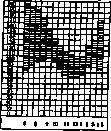
Figure 2. Decrease in blood pressure
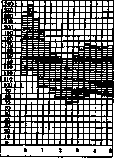
Clinical observations on hypertensive patients speak in favor of the fact that vascular function in hypertension differs only quantitatively from their normal function. A drop in pressure to normal during sleep (S. Müller), during digestion (N. A. Tolubeeva) (see figures 2 and 3), during febrile states is a usual phenomenon, especially in so-called essential hypertension. In normality under these conditions, only insignificant drops in pressure are observed. This can be explained only by assuming that hypertension is based on a pathological functional setting at a high level of the tone of the arterial musculature in the hypertensive person during sleep, with increased lability of it—completely analogously to how, during a febrile temperature rise, the thermoregulation of the body is set at a high level, differing at the same time by increased lability. The assumption that hypertension is based on an enhanced tonic contraction of the arterial musculature is all the more probable since even in normality throughout life all arterial musculature is in precisely such a tonic more or less strong contraction (this is one of the main functions of the arterial musculature). For the occurrence of hypertension, it is not necessary to assume any spasms or special pathological changes, but a slight pathological enhancement of the tonic function of the arterioles is sufficient, since even insignificant decreases in the lumen of precapillary arteries must cause a significant difficulty in the outflow of blood from the arterial system compared to normal. According to Poiseuille's law, the amount of fluid flowing under a certain pressure through a tube decreases, respectively increases, in proportion to the square of the decrease, respectively increase, of the diameter of this tube, i.e., for example, when the diameter of the tube is halved, the amount of fluid flowing through it decreases 4 times. Arterial musculature belongs to true tonic muscles capable of changing their length and remaining in a state of one or another degree of contraction for an indefinite period. At the same time, their metabolism during periods of stronger contraction is no higher than during less strong contraction, since this state of enhanced tonic contraction is not the result of enhanced work accompanied by a corresponding expenditure of energy, but the result of a change in the internal cohesion of the elements of the muscle tissue (Sperr-mechanismus Bethe). From this point of view, it is completely understandable that such states of enhanced tonic contraction of the arterial musculature can both last for decades and yield to a state of lesser and even normal tone. Consequently, the increase in mean arterial pressure occurs as a result of an increase in resistance to the outflow of blood from the arterial system, and this increase in resistance is the result of a decrease in the lumen...
Figure 3. Decrease in blood pressure in a hypertensive patient during digestion.
narrowing of the lumen of small arteries due to increased tonic contraction of their musculature. To what extent must this contraction of small arteries be widespread to cause H.? The relatively old view that the area of blood vessels of the abdominal viscera has a decisive role in establishing the level of arterial pressure finds confirmation not only in clinical observations but also in experiment (Jansen, Tarns HAchelis). However, the law established by Dastre-More is not justified, since narrowing of the blood vessels of the abdominal viscera is not necessarily accompanied by dilation of peripheral arteries. This dilation, if observed, is only passive, occurring not due to relaxation of the arterial musculature but due to stretching of this musculature by blood displaced from the abdominal viscera, sometimes despite increased tone of the musculature of peripheral arteries (Bayliss). In any case, in hypertensive states there is increased tonic contraction of the arterial musculature, either predominantly in the abdominal viscera or uniformly throughout the body. Volhard on this basis distinguishes between red and pale H. In red H. there is contraction of blood vessels predominantly in the abdominal cavity and displacement of blood to peripheral (including cutaneous) vessels (hence the name red H.). In pale H. there is increased contraction of vessels on the periphery. Volhard considers that pale H. is the result of renal insufficiency. Volhard's red H. corresponds to essential H. of other authors. In practice, Volhard's division is not fully justified. What causes the increased tonic contraction of arterial musculature? One can think of the direct action of various chemical substances on the arterial musculature, on the endings of vasoconstrictor nerves in them, or on various vasoconstrictor centers—peripheral ones in the arterial wall, spinal, and higher; finally, the increased innervation of arterial musculature may be caused by irritation of vasoconstrictor centers from parts of the nervous system connected with these centers. From the periphery, various reflex influences can act on them, directly or through other centers. From other parts of the central nervous system, the psychic sphere apparently has the greatest influence on the centers regulating arterial pressure. When the pathogenesis of H. began to be studied, it was natural that the first thought was that H. is caused by an excess in the blood of that substance which is produced in the body, is obviously secreted into the blood, and undoubtedly has the strongest vasoconstrictive effect, namely—adrenaline. But at the present time, the role of adrenaline in the pathogenesis of hypertension can be formulated as follows: hyperfunction of the adrenal medulla and excess of adrenaline in the blood undoubtedly do not underlie the vast majority of H. Such a pathogenesis is permissible only for individual cases of H. in hypernephromas (Volhard). At present, in view of the impossibility of proving hyperadrenalinemia in H. and while continuing to attach great importance to the influence of adrenaline maintaining the tone of vascular musculature, attempts are made to find in the blood of hypertensives in excess substances capable of enhancing the vasoconstrictive effect of adrenaline. In this sense, some authors think of the influence of excess calcium content in the blood, of decreased concentration of hydrogen ions. But the corresponding experimental and clinical data are still contradictory and not sufficiently clear. The same must be said about the role of hypercholesterolemia in the pathogenesis of H. Cholesterol sensitizes the vascular musculature to the action of adrenaline in vitro (Storm van Leeuwen and van der Moge, Westphal). But the ability of cholesterol to raise blood pressure must be considered, on the basis of experimental data, questionable and at any rate not constant (Schmidtmann, Westphal, Anichkov). As for clinical data, in H. without atherosclerosis and obesity, hypercholesterolemia is a rather rare phenomenon (Miasnikov), especially if one takes into account the influence of constitution on the norm of cholesterolemia (Miasnikov and Grotel); in the most pronounced hypercholesterolemias (in nephroses, in diabetes), blood pressure is usually not elevated. In the origin of H. in kidney diseases, Hiilse attributed importance to the presence in the blood of substances from the group of peptones giving the biuret reaction. These observations have been confirmed by Vovsi, but Becher proved the incorrectness of Hiilse's determinations. In general, it must be recognized that so far no substances have been found which with some certainty could be ascribed a definite role in the origin of H. in kidney insufficiency, let alone in the origin of essential H. Besides adrenaline, of the internal secretions, the internal secretion of the pituitary gland (especially its posterior lobe) has an influence on arterial pressure. This substance, as shown by Leimdoerfer, causes a very strong increase in arterial pressure when introduced intralumbally. Since there is reason to think that the posterior lobe of the pituitary gland secretes its product into the cerebrospinal fluid, the above experimental data deserve attention from the point of view of the pathogenesis of H. in humans. There is reason to assume that the secretions of the thymus gland and ovaries act on arterial pressure in a lowering manner. Thyroidin promotes an increase in pressure by sensitizing the arterial musculature to the action of adrenaline. In view of all these facts of the influence of endocrine glands on arterial pressure and moreover of opposite influence from different glands, the idea arose that the normal level of arterial pressure is regulated by the normal relationship of the secretion of these glands and that in the basis of some forms of H. there is a disturbance of this equilibrium of the influence of secretions. In favor of such an idea, one can bring the generally recognized fact of the tendency to develop H. in women after physiological, pathological or artificial cessation of ovarian function. The development of H. at this time is indeed a very frequent phenomenon and can be explained by the cessation of the internal secretory activity of the ovaries, i.e., the loss of one of the secretions lowering arterial pressure, as a result of which the factors increasing arterial pressure gain the upper hand. At the same time, H. develops—temporary, if sufficient compensation for the lost secretory function of the ovaries occurs from other glands lowering arterial pressure, and permanent, if such compensation does not occur. But this frequent development of H. with the onset of menopause is so far essentially the only clinical fact definitely testifying to the significance of endocrine glands in the pathogenesis of H. It is true that in H. various disturbances of the function of endocrine glands are often observed, for example, Basedow's disease. It is also undoubtedly true that H. often combines with such metabolic diseases as diabetes and obesity, which are connected with disturbance of the function of various endocrine glands. However, the predominant significance in the pathogenesis of those forms of H. which are not connected with disturbance of kidney function apparently belongs to the influence on the centers regulating arterial pressure, the so-called psychic sphere and certain parts of the autonomic nervous system. Given the closest connection that exists between the higher vasoconstrictor centers and the so-called psychic sphere of the brain, there can be no doubt that increased excitability of this sphere must lead to more frequent, stronger, and more prolonged excitation of the vasoconstrictor centers. Irritations will reach these centers in much larger quantities and much more strongly, and if these centers themselves are also in a state of increased excitability or come into such a state due to strengthened and more frequent irritations, they will react to such irritations as under normal excitability would not cause any effect. Therefore, irritations causing a reaction of the vasomotor centers will be incomparably more numerous, and they will be both stronger and more prolonged. Under these conditions, a definite tendency to increase arterial pressure should develop, since according to experimental data vasoconstrictive irritations will always have the upper hand over vasodilatory ones. According to experiments by Weber, Gellhorn and Lewin on humans, negative psychic impressions, which undoubtedly predominate in a pathologically increased excitability of the nervous system, cause an increase in blood pressure. The significance of the psychic factor in the origin of H. is obvious from clinical observations, which show that all influences irritating the psychic sphere cause in hypertensives much stronger increases in arterial pressure than in healthy individuals, and therefore contribute to an even greater increase in arterial pressure or at least keep it at a high level; psychic calm, on the contrary, promotes a decrease in pressure and is therefore undoubtedly the most important therapeutic factor in H. (Tolubeeva, Fahrenkamp).
Probably more often than the disturbance of the vegetative centers regulating arterial pressure caused by a pathological condition of the psychic sphere, in the etiology of H. (hypertension) plays a role the disturbance of the same centers (especially the vasomotor center) caused by other reasons. Undoubtedly, hypertensics often have other signs of disharmony in the work of the autonomic nervous system (bronchial asthma, migraine), and one can consider essential hypertension as one of the forms of vegetative neuroses (of central origin). In comparison with the functional changes in the nervous apparatus regulating blood pressure, particularly its higher centers in the diencephalon, organic changes of the latter as a cause of H. for now occupy a secondary place. But there are already indications of cases of H. developing, for example, after encephalitis, in hereditary syphilitic lesions of the nervous system, after cerebral hemorrhages, etc. In particular, hypertension of syphilitic (hereditary) origin in young age deserves special attention. In addition to the corresponding organic changes in the sphere of the vegetative centers, as the nearest cause of H. in these cases, hereditary syphilitic lesion of the endocrine glands is assumed (Pellissier). Among the etiological factors determining the development of H., the most significant importance must be attributed to heredity. Familial predisposition to H. very often manifests itself in the development of the disease in several family members, and sometimes even in all, for example, brothers and sisters of one family. Weitz established that in parents and ancestors of hypertensics, death from heart disease or apoplexy occurs approximately three times more often than in persons of the same population group with normal blood pressure. The most frequent cause of heart diseases and apoplexy is arteriosclerosis (the latter apparently often causes H. reflexively). On the other hand, it is quite probable that H. contributes to the development of arteriosclerosis; therefore the question arises whether the predisposition to arteriosclerosis or to H. or simultaneously to both is inherited. The corresponding clinical observations create the impression that in these cases H. precedes arteriosclerosis by a long time. This hereditary predisposition to H. is easiest to imagine as a corresponding constitutional setting of the autonomic nervous apparatus in general and the vasomotor apparatus in particular. The impression is created that the hypersthenic constitution predisposes to hypertension. Hypertension undoubtedly occurs more often in combination with various diseases of the arthritism group (obesity, gout, arteriosclerosis, diabetes, migraine) than with diseases characteristic of the asthenic type. (According to Alvarez-Zimmermann, the average maximum pressure in normal women at 50 years is 157 mm Hg, in obese women 166 mm, in thin women 143 mm.) Sex has no essential significance in the etiology of H. It should only be noted again the special predisposition of women to H. in the climacteric period. With age, the predisposition to H. definitely increases: up to 35 years H. is rare, then becomes more and more frequent up to 60 or 65 years. In addition to the influence of arteriosclerosis causing H. reflexively, one must also assume a functional (neuro-endocrine) predisposition to H. in older age. The assumption (Gelman) that certain professions predispose to H., namely those associated with frequent elevation of arterial pressure (heavy physical labor, strong fluctuations in room temperature), is not yet firmly established. Chronic lead poisoning has long been considered one of the etiological factors of arteriolosclerosis of the kidneys, i.e., that disease which is most closely connected with H. However, the more frequent development of H. in persons professionally exposed to chronic lead poisoning has not been conclusively proven. Also, the etiological significance of alcoholism and tobacco poisoning is not sufficiently clear; one can think of their influence through the disturbance of the functions of the central nervous system. A sedentary lifestyle apparently predisposes to H. An excessive diet rich in animal (muscular) proteins is also considered an etiological factor of H. This concept is based on certain experimental facts. 1. That certain products of digestion and breakdown of proteins increase vascular tone; this includes urea and especially some proteogenic amines (imidazolyl-ethylamine, p-hydroxyl-phenyl-aethylamine); the latter belong to the strongest vasoconstrictive poisons. It is permissible to assume that they are formed during the breakdown of proteins in the intestine. 2. Billtheimer observed that in people after feeding with a diet rich in animal proteins, injection of adrenaline causes a higher rise in pressure than in people who were fed carbohydrates. 3. Finally, clinical observations apparently indicate that a carbohydrate-milk diet contributes to lowering pressure. A diet rich in animal (muscular) proteins apparently acts on the nervous system in an exciting way (recall its so-called specific dynamic influence on metabolism).-Lack of O2 in the inhaled air undoubtedly causes some increase in arterial pressure; at high altitudes (2,000-3,000 m) blood pressure increases by 40-50 mm Hg, especially in elderly people. This increase in blood pressure immediately passes when inhaling oxygen. With slowing of blood flow and insufficient oxygenation of the blood, due to insufficiency of cardiac activity in some valvular defects of the heart (mitral), as well as in emphysema, a moderate increase in arterial pressure is often observed (the influence of carbon dioxide on the vasomotor center). In the origin of prolonged hypertensions, these influences obviously do not play a significant role. All the listed etiological and pathogenetic factors combine with each other in various combinations and cause H. very diverse in degree, duration, stability and in the accompanying other pathological phenomena. Thus, in the vast majority of cases, hypertension must be understood as a pathological deviation of the function of the apparatus regulating arterial pressure. Sometimes this deviation is the only pathological manifestation in a given person. But often H. is combined with arteriosclerosis. The connection can be diverse: either the commonality of etiological factors or the pathogenetic connection between H. and arteriosclerosis. This connection can be imagined in two ways: arteriosclerosis of one organ or another area (probably more often the kidneys, less often the brain, abdominal viscera and other areas) reflexively causes H. due to insufficient blood supply of the given organ (whether H. in this case has the significance of a purposeful compensatory phenomenon is another question). But the reverse pathogenetic connection is also possible: H. contributes to the development of arteriosclerosis by increasing the wear of vessels due to higher arterial pressure and stronger fluctuations of it. In these cases, the clinical picture of H. is combined with the picture of this form and this localization of arteriosclerosis (atherosclerosis of the aorta, brain, kidneys, arteries of the abdominal viscera, etc.). Of these combinations of H. and arteriosclerosis, the combination of H. and arteriolosclerosis of the kidneys (chronic interstitial nephritis of older authors or primary contracted kidney) deserves special attention. This combination is so frequent that until recently it was still defended by many outstanding clinicians (Romberg) that every H. is only a manifestation of arteriolosclerosis of the kidneys. At present, as already indicated, there is no doubt that H. can develop independently of arteriosclerosis and arteriolosclerosis of the kidneys in particular. On the other hand, cases of the latter without H. have been described and it has been clinically established that there is no complete correspondence between the degree of arteriolosclerosis of the kidneys and the degree of H. But it must still be recognized that arteriolosclerosis of the kidneys most regularly combines with H. It is possible that this is only a particular case of reflex arteriosclerotic H., but obviously the most frequent and most pronounced due to the peculiarities of the vascular structure and function of the kidneys. In its further development, when arteriolosclerosis of the kidneys has led to their insufficiency, perhaps another way of influence of kidney disease on the development of H. is added, namely the same one that causes H. in chronic glomerulonephritis or for example (which is less clear) in mechanical retention of urine. It is possible that this way consists in the influence on the apparatus regulating blood pressure of substances retained in the body due to kidney insufficiency. True, such substances have not yet been found. On the other hand, it must be recognized that some observations on acute glomerulonephritis, and specifically on scarlatinal ones, make one doubt that even in acute glomerulonephritis H. is a consequence of kidney disease. Koch, Kylin and others after scarlatina observed that blood pressure usually increased before the appearance of renal symptoms of scarlatinal nephritis, but sometimes it was not accompanied by them.
These and other observations lead to the assumption that in acute glomerulonephritis, kidney damage is only one manifestation of the general lesion of small vessels: according to Kilin, of capillaries, and according to Volgard, of precapillary arteries. According to Volgard, the kidney lesion in glomerulonephritis is only a consequence of spasm of these vessels. Therefore, the hypothesis is quite permissible that arteriolosclerosis of the kidneys is also a consequence of enhanced tonic contraction of the arterioles of this organ, which, through disruption of nutrition, causes primarily dystrophic > processes in the walls of the vessels themselves. Such a tendency to enhanced tonic ('spastic') contractions of arteries of various areas is very characteristic of the pathogenesis of H. in chronic glomerulonephritis. The pathogenesis of H. in chronic glomerulonephritis is viewed differently. Here again the same three viewpoints find expression: either H. and kidney changes are coordinated phenomena (both are consequences of the same etiological and pathogenetic influences), or glomerulonephritis causes H., or vascular spasms are primary and kidney damage is secondary. H. in chronic glomerulonephritis and arteriolosclerosis of the kidneys is related in etiology and pathogenesis to H. in cystic degeneration of the kidneys and in mechanical retention of urine. Thus, there is no sharp boundary between essential H. and H. in kidney diseases. - The classification of H. should be etiological, resp. pathogenetic, but due to the complexity of the pathogenesis and etiology of H., such a classification should be a listing of all pathogenetic factors, all etiological moments, and all possible combinations of them. There may not be a special patho-anatomical picture of the pathological functional state, which in essence is H. Indeed, autopsy cases of essential, uncomplicated, if one may express it that way, 'pure' H. reveals only hypertrophy of the heart, specifically of the left ventricle. It is possible that the so-called 'idiopathic hypertrophy of the heart' of patho-anatomists is actually a sign of such H. In general, it can be said that it is precisely hypertension that gives the highest degrees of hypertrophy of the left ventricle (up to 300 g at the base), especially when accompanied by arteriolosclerotic nephrosclerosis. The hearts of such corpses often have a special density, are well-contracted. On the side of the arteries, similar changes in the muscular coat, i.e., its hypertrophy, cannot be established either in early or in late stages of hypertension. Obviously, the increased tone of the smooth musculature of the arteries, as already said, is not accompanied by constant increased work. Therefore, hypertrophy of these muscles does not occur. Almost always more or less pronounced hyperplastic changes of the inner coat are observed, specifically splitting of the inner elastic lamella, but there is also no direct connection between these changes and H., as they are observed without H. By many patho-anatomists, these hyperplastic changes of the inner coat are considered as changes exclusively of old age. Autopsy of hypertensics usually reveals patho-anatomical changes which are either the cause or the consequence of H. The same can be said of arteriolosclerosis of the kidneys. As consequences of H., observed in its later stages, some cerebral hemorrhages, hemorrhages into the retina of the eye, dilation of the hypertrophied heart, degenerative changes of its muscle, which are the result of its overstrain, and stagnation phenomena in the organs as a result of the developed insufficiency of the heart should be considered. Symptomatology and course. Hypertension develops in some cases latently, and the first measurement of arterial pressure already discovers a high level, which then turns out to be relatively stable. In other cases, at first only a tendency to strong increases in arterial pressure is observed, caused by influences which usually do not produce such an effect or produce it only to a slight degree (for example, psychic irritations, physical work). Strictly speaking, this state cannot be considered hypertension; it can be called pre-hypertension. Gradually in many of these cases (but not in all) the pressure level between these pressure rises becomes higher and higher. In cases with more labile arterial pressure, subjective manifestations of hypertension seem to appear earlier and more often, usually from the side of the nervous system and heart, and it is often difficult to decide to what extent they are manifestations of hypertension, i.e., caused by it changes in circulation, or a consequence of that increased excitability of the entire nervous system which so definitely and often contributes to the development of H. To these sensations belong headaches, rapid fatigue both physical and mental, increased psychic excitability, rushes of blood to the head, poor sleep, various painful sensations throughout the body, palpitations, prolonged pains in the region of the heart, in the left arm, inability to sleep on the left side, noise (pulsating) in the ears or in the head etc. All these sensations are observed in persons with so-called cardio-vascular neuroses without H. The above-mentioned painful sensations in the region of the heart cannot be attributed to angina pectoris, but in H. sometimes (mainly in the later period of the disease) attacks of true angina pectoris are also observed (mainly in the form of attacks of pressure in the upper part of the chest during walking and after meals). The prognosis of angina pectoris in H. however seems to be more favorable than the prognosis of angina pectoris with low pressure. Apparently in H. there is mainly a vasomotor (functional) form of angina pectoris. But the prognosis in angina pectoris must always be made with great caution. To the later manifestations of H. belong subjective sensations caused by cardiac insufficiency: the earliest of them are dyspnea on exertion, later appear attacks of cardiac asthma (more often nocturnal). To the later periods of H. also belong subjective sensations caused by stronger, as is usually said, 'spastic' contractions of vessels in various areas of the body; here belong perhaps the already mentioned anginal phenomena; 'spasms' of vessels of the fingers give sensations and phenomena of 'dead finger', of the optic nerve and retina - temporary blindness; of cerebral vessels - transient paralytic phenomena from the limbs and brief loss of speech; of vessels of the extremities - claudicatio intermittens etc. These phenomena in H. are not often observed. Also rarely are paroxysmal rises of art. pressure above the usual hypertensive level observed, in connection with the local vascular spasms just mentioned or without them (Rag crises). The main objective symptom of H. is increased art. pressure. How difficult it is to establish where normal art. pressure ends and H. begins has already been pointed out. In true hypertension, i.e., in H. caused by enhanced tonic narrowing of small arteries, not only the maximum but also the minimum pressure is necessarily increased, however the latter is increased to a lesser degree, and thus the pulse pressure in H. as a rule is increased. In order to establish the presence of H. and to determine its degree and character, repeated measurements are necessary. A single measurement in a patient unaccustomed to this with an easily excitable nervous system often gives high numbers, whereas the usual level of art. pressure in him is normal. True, such a tendency to pressure rises suggests a pre-hypertensive state, but as already mentioned, in such cases the development of pronounced H. is by no means necessary: H. develops in these cases only if other favorable conditions for this are present. Repeated measurements of art. pressure at different times of the day are very desirable, desirable is the registration of the results of measurements similar to temperature curves (see figures). A distinctive property of H. in most cases is the lability of the increased art. pressure: a large difference between morning and evening pressure, its lowering at night, after meals, in febrile temperature - in all these cases often to normal; on the other hand, H. is characterized by a tendency to give very sharp rises of art. pressure under the influence of such causes as psychic excitement, pain, physical work etc., which also give pressure rises in the normal state but to a slight degree. This lability of blood pressure is most characteristic of essential H.; the longer the duration of H., the apparently greater the stability of the pressure becomes; the stability of H. also increases when arteriosclerosis and especially arteriolosclerosis of the kidneys join. The greatest stability is apparently possessed by hypertension in chronic glomerulonephritis. It is necessary however to emphasize that between the various forms and stages of H. there is also in this respect no difference in principle, but only quantitative. The external appearance of hypertensics, their build, degree of nutrition and color of the coverings are diverse, but still, as follows from the data of etiology and pathogenesis, hypertensics more often belong to the hypersthenic constitutional type, are distinguished by nutrition and often have increased filling of the skin and subcutaneous vessels with blood.
The distinction between red and pale hypertension, as made by Vol'gard, has already been noted. Below are only the data related to H. as such. In hypertensives—as long as there is not yet insufficiency of its function—the heart is not enlarged; hypertrophy of the left ventricle is manifested only by strengthening of the apical impulse and radiologically detectable changes in its configuration, approaching the so-called aortic type (the cardiac apex becomes rounded, the angle between the arch of the left ventricle and the upper left arches decreases, the ascending aortic arch protrudes more to the right, and the upper left arch, ag-cus-to the left). Auscultation often reveals only accentuation of the second aortic tone. In the initial stages, murmurs are usually absent. There is also no disturbance of rhythm, except for occasionally observed, predominantly ventricular, extrasystoles. The electrocardiogram in H. shows only a tendency to predominance of the left ventricle. The aorta appears somewhat widened and, mainly, elongated on radiographic examination. As a result, its normal curvature is enhanced, which is manifested by the fact that the aortic arches of both the right and left contours of the cardiac silhouette protrude more strongly with dorso-ventral direction of the rays. The second oblique position reveals enlargement of the aortic window. The shadow of the aorta is slightly enhanced. Percussion sometimes allows detection of slight dullness in the area of the ascending aorta, caused by its closer apposition to the anterior chest wall. Peripheral arteries (temporal, a. brachialis) are more tortuous and show more marked pulsatory displacements of their curves. By palpation, the arteries are determined to be denser, more rounded, of reduced diameter—a manifestation of enhanced tonic contraction of their musculature. The pulse is tense and small. The pulse rate is either normal or elevated. The increased lability of the enhanced vascular tone in H. can be established objectively by plethysmographic recording of the reaction of vessels to heat and cold (A. Tur). Capillaroscopy in hypertension fairly regularly reveals elongation of capillary loops with wavy tortuosity, narrowing of the arterial limb of the loop, and rapid, lively, but variable, with temporary stops, blood flow in the skin capillaries (Britanishsky). Pressure in the capillaries is as a rule normal. The fundus of the eye in H. shows narrowing and tortuosity of arteries, and slight dilation of veins. Hemorrhages into the retina—a very frequent manifestation of H., but usually in its later stages. The basal metabolism in H. is often elevated; to what extent this phenomenon should be considered as a result of the so frequently increased excitability of the nervous system in H. has not yet been clarified. Changes in the chemistry of the blood in H. are not yet sufficiently studied. For now, one can only definitely deny the constancy of hypercholesterolemia in H., which, as mentioned above, some authors tend to attribute pathogenetic significance (see above). On the contrary, hyperglycemia in H. is apparently an almost invariable phenomenon, and this hyperglycemia in H. shows the same features as in diabetes (Wiechmann). The amount of uric acid, urea, and residual nitrogen in the blood in uncomplicated H. is within the constitutional norm. The reserve alkalinity, however, seems to be frequently elevated (Pellissier). The assertion of Kylin that Ca in the blood in H. is lowered is not confirmed. Rather, the impression is obtained that Ca is elevated (Teplov, Pellissier). But determinations of Ca and K in the blood in H. have been made insufficiently often. Recovery in H. is observed in general not infrequently; it can occur not only in cases of uncomplicated essential H., but also in cases complicated by arteriosclerosis and perhaps also arteriolosclerosis of the kidneys (Tolubeeva). It is true that the lowering of pressure often observed under the influence of appropriate therapy is usually only temporary, and sooner or later H. develops again. But sometimes a persistent restoration of normal pressure is also observed; the shorter the duration of the disease, the more labile the pressure, the greater the chances for a favorable course. In most cases, H. develops in an unfavorable direction and leads to death mainly by three paths: cardiac insufficiency, renal insufficiency due to arteriolosclerosis of the kidneys, cerebral hemorrhage. The first path—cardiac insufficiency—comparatively early appears the first sign—dyspnea. At this time, there is usually already some dilation of the heart, mainly to the left, sometimes a systolic murmur is heard over the apex, the liver enlarges. Later, a gallop rhythm may be heard, the heart dilates more, and a picture of severe cardiac insufficiency develops, resembling in many respects that in decompensation of valvular defects of the left heart. But the arterial pressure at this time often does not fall or falls slightly, and the pulse remains tense for a long time. A definite fall in pressure is usually observed shortly before death. From the side of the kidneys, insufficiency of cardiac activity is manifested first by nocturia, then by decrease in the amount of urine, slight albuminuria, slight hematuria, and cylindruria; the specific gravity of the urine is relatively high. In cases complicated by cardiac insufficiency, by the time it develops, arteriosclerotic changes are almost always already expressed. Anatomically: hypertrophy, dilation, and degeneration of the heart muscle, often phenomena of cardiosclerosis, myomalacia. The second path of unfavorable course of H.—the addition of arteriolosclerosis of the kidneys. In these cases, signs of renal suffering appear in the absence of signs of cardiac insufficiency—slight albuminuria, later—sometimes also slight and inconstant hematuria; at this time, sensitive functional tests (concentration test, Anbar's constant) usually already reveal the presence of renal insufficiency. The phenomena of renal insufficiency may initially fluctuate considerably in their intensity, be smoothed out, and even disappear. It is possible that the basis of these fluctuations in renal insufficiency also lies in fluctuations in the degree of tonic contraction of renal arterioles. But with time, the enhanced contraction of renal arterioles leads to persistent anatomical changes, and the picture of H. passes into the picture of arteriolosclerosis of the kidneys and into the picture of renal insufficiency of the azotemic uremic type. In some cases of H. occurring at a younger age (40-50 years), the disease develops relatively rapidly in the direction of arteriolosclerosis of the kidneys, and the latter is progressive (malignant H., progressive arteriolosclerosis of the kidneys). The third path by which H. leads to death is cerebral hemorrhage. The usual view that these hemorrhages are caused on the one hand by increased blood pressure, and on the other by sclerotic changes in cerebral arteries, cannot be considered unshakable since the question of the angiospastic origin of these hemorrhages has been raised (Westphal); sometimes these hemorrhages are symmetrical on both sides. Vol'gard considers that cerebral hemorrhages are characteristic of 'red' H. Besides cerebral hemorrhages, in H., as already mentioned, hemorrhages into the retina of the eye are very frequent in later stages. Vol'gard considers them more characteristic of pale H., i.e., of H. with arteriolosclerosis of the kidneys. But they sometimes occur together with cerebral hemorrhages in patients with H., without complication by arteriolosclerosis of the kidneys and without their insufficiency. Nevertheless, it must be admitted that hemorrhages into the fundus of the eye are more frequently observed in cases where H. is complicated by arteriolosclerosis of the kidneys. In the latter, besides hemorrhages, the so-called albuminuric neuroretinitis is often observed. Vol'gard proposes to call it angiospastic. Diagnosis and prognosis. The diagnosis of hypertension without measurement of arterial pressure is quite possible on the basis of the above-mentioned phenomena from the side of the heart and arteries: accent of the second aortic tone, signs of hypertrophy of the left ventricle, the dense-elastic radial artery, rounded, of small diameter, tortuous, and the tense pulse. Nevertheless, measurement of arterial pressure in the determination of H. has the same significance as thermometry in the determination of febrile states. It is also very substantially and practically important not to consider, as is usually done, the listed manifestations of H. as signs of arteriosclerosis. It is more difficult to determine the presence of arteriosclerosis in hypertension. For this it is necessary to clarify the presence of symptoms of the latter (see Arteriosclerosis). But their absence does not exclude the presence of arteriosclerosis of such a degree and localization as to give no symptoms. The presence of atherosclerosis of the aorta will be indicated by greater dilation and enhancement of the radiographic shadow of the aorta and a systolic murmur over the aorta; peripheral arteries in sclerosis are unevenly thickened, their reactivity to any irritations is reduced. The addition of arteriolosclerosis of the kidneys is detected by the presence in the urine of small amounts of protein, slight inconstant hematuria, and, mainly, decreased functional ability of the kidneys. It is very difficult to differentiate the manifestations of arteriolosclerosis of the kidneys from the manifestations of renal congestion if marked cardiac insufficiency is added.
The question can probably be resolved by urine concentration, resp. concentration test. To distinguish essential hypertension from H. in arteriolosclerosis of the kidneys, as already indicated above, the lability of blood pressure has some significance. One can use the digestive lowering of pressure (Tolubeiev's method) or Kaufmann's nitroglycerin test, i.e., determining the degree of lowering of pressure after administering 1-2 drops of nitroglycerin on the tongue. Prognosis. As follows from the description of the course of hypertension, the prognosis in it is not as unfavorable as was thought earlier. First, pressure can sometimes decrease to normal even in cases where H. has existed for years and is complicated by arteriosclerosis, and even more so in fresh, uncomplicated cases. This decrease under favorable conditions can also be persistent. Second, H. can exist for many years without causing any severe phenomena and not significantly reducing working capacity. Therefore, that viewpoint, although probably incorrect, is understandable, that H. is a reaction of a strong organism to circulatory disturbances that arise when the working capacity of arteries is reduced. A more favorable prognosis is given by those cases where H. is labile, where phenomena from the nervous system predominate as a result of its increased excitability. Malignant H. more often begins latently. Young age (40-45 years) with persistent H. seems to make one fear the development of severe arteriolosclerosis of the kidneys. However, in view of the fact that H. nevertheless more often develops in the three unfavorable directions mentioned above and ends with severe pathological processes, early or late leading to death, the prognosis in H. should always be cautious, and what is especially important practically, every hypertension should be subjected to persistent, systematic and prolonged treatment. Prevention and treatment. In view of the fact that H. often develops on the basis of heredity and that the constitution of a given person can to some extent determine his tendency to H., one can speak of individual prevention of H. It coincides with the regimen that is necessary for treating the corresponding forms of H. in their initial stages. Treatment of H. in general should first of all be as causal as possible. Therefore, in each given case it is necessary to strive for as complete an elucidation as possible of the etiology and pathogenesis of H. and to direct the regimen and treatment toward eliminating causal factors, as far as possible. From the description of etiology and pathogenesis it follows that in the origin of H. the presence of hereditary and constitutional predisposition and overstrain of the nervous system (more precisely, its psychological sphere) apparently play the most essential role. Therefore, in the numerous cases where we are justified in attributing significant importance to this etiological factor, our main therapeutic task will be to achieve relaxation of this overstrain of the nervous system, to lower its excitability and to strengthen it. This is sometimes achieved even with outpatient treatment (see Figure 4). The good successes that are observed when prescribing bed rest, hospital treatment, exemption from work, treatment at resorts, etc., to patients with hypertension depend to a large extent on removing patients from the unfavorable, maintaining pathological excitability of the nervous system sphere of their home life or the corresponding environment of their work. Below is given as an example the curve of lowering of pressure in a patient with H. at a resort. Figure 5 demonstrates the lowering of pressure to normal with significant improvement of the general condition in a patient with H. and arteriosclerosis under the influence of staying in the clinic. In this example it is characteristic that the patient's blood pressure did not decrease as long as she was diligently treated with all newly proposed means and procedures for treating H. It fell to normal when she stopped being specially interested in. The whole essence in these cases is in psychological calming; therefore, the specific climate or this or that resort or method of treatment is not as important; decisive importance has the entire surrounding environment of the patient, insofar as it contributes to calming his nervous system. Climate and surrounding nature have the same importance insofar as they act on the patient calmingly. In this respect a mild, warm climate is preferable, but one can observe a fall in pressure in hypertensives to normal also in Kislovodsk and at the Sestroretsk resort (see Figure 6). From this point of view in the treatment of H. among medicinal substances, substances that calm the nervous system (bromine preparations, valerian, chloral hydrate, luminal, etc.) have dominant importance. In the same sense also act well all those physical therapeutic procedures that have a calming effect on the nervous system, e.g. prolonged warm baths (35-38°). When prescribing physical exercise, one must first of all take into account the condition of the heart. If there are absolutely no signs of its insufficiency, any moderate physical exercise not associated with strain of the nervous system and overfatigue is rather beneficial. Diet should be predominantly milk-vegetable (see etiology). In persons with obesity a regimen of food restriction should also be carried out with the aim of achieving a slow decrease in weight. Arterial pressure sometimes falls in parallel with weight. The usual notion that abundant intake of fluid contributes to an increase in blood pressure is not justified by either experimental data or clinical observations. Undoubtedly, a large amount of fluid can be harmful in cardiac and renal insufficiency, but patients with H. without this insufficiency can be allowed to take fluids within the usual norm—up to 1.5 liters per day. Folgard advises treating H. with a dry diet. If by one method or another it has been possible to lower arterial pressure in H., then it is very important to bear in mind that as a rule arterial pressure when the patient returns to the conditions under which H. developed rises again. Therefore conditions should be changed as much as possible (change of home living conditions, weakening of the pace of work, change of its character, etc.). To the methods of causal treatment in H. also belongs the use of corresponding organ preparations, resp. hormones, if there are definite data that H. is associated with the loss or decrease of functions of this or that gland of internal secretion. In this respect a definite indication can be given only about the use of ovarian organ preparations in treating H. associated with the climacteric period. Treatment of H. with insulin has so far been limited to individual attempts. Unfavorable in any case is that it promotes fat deposition. From the point of view of causal therapy in appropriate cases one should not forget the above-mentioned indications of the possibility of luetic etiology of H. Another direction in the treatment of H.—is to strive by one method or another to directly affect the blood pressure, more precisely, the apparatus regulating it, or the apparatus carrying it out. Although it is more rational to strive to eliminate the cause of H., still such a direction of treatment in hypertension is quite acceptable, since there are not sufficient grounds to consider, as was done earlier, hypertension a secondary, compensatory phenomenon and therefore beneficial. Nevertheless when applying all methods of treatment directly lowering blood pressure, great caution is necessary; it is especially important that from the application of these methods there should not result a weakening of cardiac activity. In this direction bloodlettings are used (their effect in the best case is temporary). They are indicated in cerebral hemorrhages and, more rarely, in cardiac asthma of hypertensives. Lumbar puncture as a rule also does not give a lasting effect. Physical therapeutic treatment in the sense of warm baths, general d'arsonvalization, light therapy procedures gives a very inconsistent and in general small effect. More definite apparently is the benefit from natural carbonic baths in the sense of gradual lowering of pressure. But the effect of treatment in Kislovodsk in H. depends less on the narzan baths than on other factors (see above). In any case Kislovodsk and narzan baths in H. are not contraindicated, as was thought earlier. The advisability of treating H. in Kislovodsk in cases with a tendency to hemorrhages and in the presence of renal insufficiency due to arteriolosclerosis of the kidneys is very doubtful. Recently treatment of H. with a chlorine-free diet (Allen) and subcutaneous injections of liver extracts (Levin) has been proposed. The first method of treatment has not justified itself, the second apparently also promises little. The advisability of using iodine in hypertension complicated by arteriosclerosis in large and small doses cannot be considered proven (see Arteriosclerosis). The rhodanide compounds proposed recently (Natrium s. Kalium s. Ammonium rhodanatum s. sulfocyanatum no 0.1 three times a day) have not yet been sufficiently tested, but sometimes apparently significantly contribute to lowering pressure in H. Papaverine, proposed by Pahl, benzoyl-benzoate, tincture of garlic have doubtful value in the treatment of H.
More accurately, but only temporarily, do the nitrites act; however, from a single dose of nitroglycerin, a prolonged lowering of pressure is occasionally observed. Preparations of theobromine are also among the means readily used in Hypertension. The use of calcium salts, proposed by Kilin, is not advisable, since the decrease in their content in the blood in Hypertension is not confirmed, and the effect of Ca on blood pressure is unclear. Hypertension is not a contraindication to the administration of digitalis if its use is indicated due to cardiac insufficiency. But caution in the use of digitalis is necessary in Hypertension if there is a tendency to angina pectoris and renal insufficiency, since under these conditions even therapeutic doses of digitalis may exhibit a vasoconstrictive effect and worsen these conditions. Statistics. Hypertension undoubtedly belongs to the most frequent and important of chronic diseases, but since it usually leads to death not directly, but only when complicated by arteriosclerosis, nephrosclerosis, cerebral hemorrhages, and cardiac insufficiency, it is very difficult to determine the significance of hypertension based on statistical data. Fahr (Fahr) believes that of deaths after 50 years, 23% are caused by hypertension.
Related articles
Mentioned in
- Accent
- Aortic Heart
- Arteriosclerosis
- Blood Circulation
- Bloodletting
- Consistency
- Crises
- Diuresis
- Gallop Rhythm
- Genuine
- Hepatic Asystole
- Hyperchromia (HYPOCHROMIA, here are only chemical features of)
- Hypertensive Disease - Disease of the Century
- Hypotension
- Irritation
- Nephritis
- Nephropathy
- Phlebotomy
- Pseudoapoplexy
- Sochi
Cite this page
“Hypertension.” Soviet Medical Encyclopedia. English translation of Bolshaya Meditsinskaya Entsiklopediya, 1st ed. (Moscow, 1928–1936), ed. N. A. Semashko. https://sovietmedicalencyclopedia.pages.dev/article/hypertension/