Sanitary Improvement of Populated Areas
Historical document, translated for reference. It reflects medical knowledge of the 1920s–30s and is not medical advice.
Summary
This article examines the historical development and sanitary significance of improving populated areas, detailing the natural conditions required for healthy human communities and the technical measures needed to achieve them. It traces how cities historically developed without consideration for sanitary conditions, leading to poor health outcomes, and how this began to change in the mid-19th century with the implementation of sanitary reforms.
Encyclopedia article (1928–1936)
SANITARY IMPROVEMENT OF POPULATED AREAS. Contents: I. Historical data. Sanitary significance...
I. Historical data. Sanitary significance. Sanitary improvement of populated areas - a term which, from a sanitary point of view, means a system of sanitary-technical and purely technical measures aimed at improving the health of a particular populated area - a city, village, settlement, suburb, quarter, etc. Every populated area, from a hygienic point of view, must preserve, as much as possible, its natural local conditions, which must be protected from pollution or damage and efforts must be made to improve them and bring them up to hygienic standards. The natural external conditions for the healthy life of a human community are as follows: 1) clean fresh air, free from dust, smoke and other impurities; 2) direct sunlight, not obscured by any obstacles; 3) free land space, providing room for air movement and light penetration; 4) clean, dry soil, uncontaminated and ventilated; 5) clean, healthy water, free from stagnation and impurities; 6) green plantings with sufficient area of their mass to maintain air purity. These basic hygienic requirements, in their practical application, already form a system of sanitary-technical measures, actually implemented in every populated area. These include: 1) selection of site and so-called planning of the populated area, including building systems, construction zones, direction of roads, etc.; 2) water supply of the populated area, i.e., obtaining, purifying and delivering drinking water, as well as water for domestic needs; 3) removal of waste, sewage and garbage and their treatment with neutralization by means of some system of sewerage or sanitation; 4) creation of green plantings - parks, gardens, boulevards, etc.; 5) construction of public health facilities - bathhouses, laundries, markets, slaughterhouses, refrigerators, canteens, stadiums, swimming pools, crematoria, etc.; 6) so-called external improvement - paving of roads and their drainage, measures to combat street dust, construction of embankments, bridges, squares, open water bodies, fountains, etc. The system of measures for the sanitary improvement of populated areas must also include certain other groups of work for the technical servicing of population needs, these include: 7) construction and equipment of local transport routes (tram, bus, etc.); 8) outdoor lighting and supply of the city with electric energy, gas, etc. In historical past, the emergence of populated areas and their development, up to the large cities of modern times, was not usually associated with any preliminary plans for their improvement. Economic, trade, military and administrative conditions always played a dominant role in the emergence and growth of cities, without any consideration of sanitary conditions and consequences. As a result, sharp violations of basic sanitary requirements are observed in the vast majority of cities, often difficult to correct. Cities and settlements that arose in swampy, unhealthy areas (for example, Leningrad), cities without sufficient water (for example, Baku, where water is now delivered from the Sholar aqueduct 180 versts from the city), cities on soil contaminated for centuries by waste (Moscow, with its soil contamination in the central parts of the city), cities with narrow, curved, dark streets and alleys (the old parts of all European cities, and eastern cities), cities with chaotic construction of the center with huge buildings that block natural light (New York with its skyscrapers), finally, the poor improvement of outskirts and suburbs populated by the proletariat and the poor - all this is the usual picture of the historical development of cities in all countries. This spontaneity and disorder in the growth of cities, and consequently their sanitary deterioration, manifested particularly sharply in the 19th century in connection with the growth of capitalist relations, when huge armies of workers filled the rapidly growing trade-industrial centers and numerous new worker settlements were formed, and old cities quickly grew with a large ring of new suburbs. The groups at the head of city administrations, little interested in the expenses for the improvement of new settlements and suburbs, and on the contrary, often deriving large incomes in the form of land and rent from these latter - did not take the necessary steps to improve them. The state power also did not show its participation in this matter; the issues of city improvement were still in their infancy everywhere until the 1840s-1860s. As a result, the sanitary condition of cities and other populated areas in all countries was extremely unsatisfactory. High mortality in cities, frequent epidemics (including cholera and typhus), poor physical development of city dwellers and rapid extinction of generations - characterized by indisputable data these negative sanitary aspects of city life and their improvement. As early as the 1840s-1850s, Paris was supplied with water from small yard wells, numbering up to 30,000; houses were equipped with cesspits; dumps located near the city poisoned the city air with their stench. In Berlin later (1860s) there were only a few street drains, 'along poorly paved streets went ditches where slowly flowed together with rainwater - domestic water, urine and contents of privies' (Durand-Rey); mortality in Berlin reached up to 30 per 1,000 inhabitants. The pollution of London (and its water artery - the Thames) in former years became a classic example in hygiene textbooks. The pollution of soil in the central parts of Moscow, according to studies conducted before the start of sewerage works (1896-1900), showed that this soil, in its chemical composition, was worse than the soil in dumps of some European cities (Budapest). S. Orlov's research on the composition of water in Moscow cemetery wells revealed that this water was less polluted than the water in many drinking wells on the outskirts of Moscow (1904). The housing situation was in the same state, closely connected with the general improvement. Many pages in F. Engels' work 'The Condition of the Working Class in England' are devoted to describing the deplorable condition of housing and suburbs where the English proletariat lived and worked at the beginning of the 19th century. From the middle of the 19th century, a certain turning point occurs in the matter of city improvement and their sanitary condition. The cholera epidemics of the 1830s in England, as well as the cholera of 1849-51 in Paris and other cities, sharply highlighted the danger of further delay in this matter. First in England, and then in other countries, the state power takes some steps in the sense of issuing general sanitary laws regulating the sanitary condition of cities, and establishes various local bodies in charge of this matter (the 1848 law in England). Work begins to improve the sanitary condition of cities. In London, an extensive project for city sewerage was already implemented in 1858-65; in Berlin, similar work began only in 1873 and ended in 1895; in Paris, major sanitary measures were carried out under the famous prefect Haussmann in the 1850s-1860s. In Russia, some shift began only at the end of the 19th century.
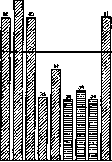
All work in this direction was limited to merely showy external improvement of central streets, without addressing the fundamental issues of water supply, sanitation, urban planning, etc. The questionnaire survey conducted in 1906-1908 by the Chief Medical Inspector, as well as the questionnaires of the Pirogov Society (both materials were published in collections), revealed the deplorable state of even major cities in Russia. A typical example of an unimproved city can be the capital of the former Russian Empire - St. Petersburg, where there was no properly organized central water supply, no sanitation, and where the cholera epidemics of 1892 and 1908, as well as in 1919, therefore caused massive outbreaks. The same Leningrad in previous years also had a persistently high incidence of typhoid fever, many times exceeding, for example, the corresponding figures for Moscow, where the issues of water supply and sanitation were to some extent properly resolved in the early 19th century. The attached diagram of typhoid mortality in Leningrad У/, 48 y, к Ф, j ш ш л т Ни ill. CiCiCiCiC^C^C^OOO O - IM ЭТ M" oo a-- c Typhoid mortality per 100,000 people in Leningrad from 1887 to 1925 (Average mortality for 31 years - 61). Horizontal hatching indicates typhoid mortality in years of cholera epidemics, when the intake of unfiltered water into the network was reduced or stopped. measures for the sanitary improvement of cities, largely already implemented in a number of cities in Europe and America. However, these measures still largely serve only the central parts of cities, where the most affluent population groups are concentrated, as well as a number of such well-improved new districts on the outskirts where the same bourgeois groups settle (Charlottenburg, Wilmersdorf in Berlin, Hampstead in London, etc.). In many cities in Europe and America, especially industrial ones, the sanitary improvement of working-class districts still lags far behind the central parts. The sanitary improvement of cities and villages in the USSR reflected these features of the past to an even greater extent. Only at the very end of the 19th century and in the early 20th century were some improvements observed in Russian cities, which until that time had been at the lowest level in terms of sanitation. Urban census administrations, especially those created under the reactionary law of 1892, with complete absence of representatives of the working class in them, completely neglected all requirements for 40 years gives consistently large figures, averaging 61.0 per 100,000, whereas in cities with good water supply the usual figures are no more than 1-2.0. The decrease in typhoid mortality observed in recent years in Leningrad is associated with continuous chlorination of drinking water. It is interesting to note here that the decrease in typhoid mortality in Leningrad was observed precisely in the years of cholera, when emergency measures for water protection and its purification were applied (see diagram). The outbreak of typhoid fever in Rostov-on-Don in 1926, due to the poor water supply and sanitation of this city, led to mass cases of intestinal infections (typhoid fever, enteritis, paratyphoid, etc.). In the same year, a similar outbreak of typhoid fever was noted in Bezhitsa (Bryansk province), and in January 1928 - in the city of Krasnodar. Even in well-improved cities of Western Europe and America, with various temporary defects in sanitary conditions, such outbreaks are still sometimes observed [typhoid fever in Hanover in 1926 and in Montreal (Canada) in 1927].
a. sysin. P. Elements and technique of urban sanitary improvement and their development. In the economic-technical development of urban sanitary improvement, two main trends have emerged. Firstly, the organization of all enterprises of sanitary improvement on the basis of precise accounting of their output, utilization of waste, study of production processes and conditions of development. This trend is clearly expressed in the modern organization of water supply, sewerage, power plants, gas plants, city slaughterhouses, and even such types of sanitary improvement as sewage farms and destructors. Example - destructor in the city of Birmingham, built in 1924-25, where with the help of powerful exhaust fans and magnets, mechanical separation of paper and metal parts takes place, followed by utilization in corresponding industries, and where the heat of combustion is utilized for the generation of electric energy, and slags and ash go for construction purposes. The second trend - transition to combines and regional systems serving both the city and adjacent areas lying within common natural boundaries, united by common prospects for economic development. Examples - the newly constructed water supply system of San Francisco from mountain lakes, combined with a hydroelectric power plant; the newly designed sewerage of Los Angeles, serving also 16 towns within the extensive valley; water supply projects of the Donbas; systems of centralized heating of quarters and districts, combined with heating installations of power plants, factories and plants; similar combines of public bathhouses (winter), swimming pools and baths; mechanical laundries with their own power plants, etc. These economically sound and necessary (with the current growth of cities) trends of enlargement and combination of production in the field of sanitary improvement mark both technical progress and the development of sanitation. Planning. As a basic measure determining the correct and harmonious development of sanitary improvement, along with the growth of cities, planning has come into wide use. In all European countries, cities are by law required to draw up projects for the improvement and development of their planning for a more or less extended period (25-40 years). Depending on the availability of a new plan, financing of urban construction is often also provided. In its development, the city planning system has included the tasks of replanning old parts and planning extra-urban districts and areas. The practice of regional and area planning is widely carried out in England and America. Germany has introduced it in the Ruhr. The development of the idea of planning entire states and the country as a whole has been put forward in the U.S.A. The same idea has matured in England. In the USSR, the wide development of planning is an inevitable form of technical expression of the principle of planning in the field of urban construction and sanitary improvement, development of industry and transport (selection of sites for new plants, development of settlements, communication routes in connection with economic zoning). A law on city planning was also issued in the RSFSR in 1926. Rational planning requires preliminary surveys - topographical, orographical, geological, climatological, demographic, sanitary, technical and economic. New plans must be developed on the basis of precise geodetic surveys. The role of sanitary authorities in the matter of planning is varied and great, since accounting for hygienic factors is needed in all areas of urban development, up to the construction of railway junctions. The practice of English sanitary authorities provides many examples of this. Street traffic. Along with the housing question and rational construction, the most difficult and acute tasks of sanitary improvement of large cities are posed by the rapid development of urban traffic. The problem is extremely complicated by the insufficient width of central highly built-up streets and the lack of convenient thoroughfares in most even non-old cities. The automobile has set new requirements for the cross and longitudinal profile of streets, for their interconnection, for the planning of intersections, for the quality of the upper structure, i.e., for pavements. Under the influence of rapid and economically inevitable development of automobilism, the growth of pavements, which have great sanitary significance (protection of soil from pollution, protection of air from dust, protection of dwellings from dirt and dust), will receive a new impulse in our country as well. The automobile has also raised new sanitary-technical problems: protection of air from pollution by gases, proper location of large garages in the city plan. It has also raised new tasks for the protection of the health and life of the population. The rubric "mortality from automobile" has already entered English and American statistics. Along with this, preventive measures have developed - regulation of traffic, planning, arrangement and appropriate equipment of streets. Many difficulties lie in the simultaneous growth of both mechanized and pedestrian traffic, which fills the central streets of large cities at certain hours. Besides overloading of streets, mechanical and chemical pollution of their air, traffic sharply increases their bacterial pollution, increasing the number of bacteria in 1 cubic meter of air on the same street, according to French hygienists, from 800-850 (in the morning) to 120,000 and even 575,000 at hours of greatest traffic. At the same time, on wide avenues with weak traffic, the number of bacteria does not exceed 120, and in parks - 90 in 1 cubic meter. Study, accounting and classification of traffic, correct forecasting of development are necessary prerequisites for solving this greatest problem of the modern large city, which has enormous economic, social and sanitary significance. Trams, buses, subways. All types of regulated and mechanized street traffic do not satisfy cities with a million population; in them arise the tasks of above-street 430 (aerial) or below-street (underground) traffic (subway). It is believed that with a population of over 1-1.5 million and with an average radius of the served territory of over 5-6 km, trams and buses cannot solve the problem of urban traffic, and overhead or underground roads are needed. With a population of over 3-3.5 million and an average radius of over 10-12 km, special types of rapid non-stop communication with the outskirts are needed. Following this comes aerial transport, beginning to set its requirements for urban sanitary improvement. They concern the allocation of lands necessary for the proper location of aerodromes in the immediate vicinity of the city, restriction of height and certain types of construction within a known zone, direct connection with city communication routes, water supply service, transportation. Our capital cities already have to fully anticipate all these circumstances that complicate their sanitary improvement. The development of urban traffic in Moscow is proceeding at an American pace, creating the threat of severe overloading of the center. In 1913, with a population of about 1,740 thousand people, Moscow trams carried 257 million passengers; in 1924, with a population of 1,800 thousand people - 318 million; in 1925/26, with a population of about 2,018 thousand people - 561 million. At the same time, buses carried 44,592 thousand people. Compared to 1913, the population of Moscow increased by 16-18%, and the number of passengers of mechanized transport by 135%, not counting taxis. The question of a subway, overhead or underground, in Moscow has already ripened. Provincial cities of the USSR have to deal with smaller tasks, but no less difficult under their economic conditions. Only 38 cities of the USSR are equipped with trams, with a total length of single tracks of 1,976 km. This number of trams is completely insufficient for 85 cities of the USSR with a population of 50,000 and above, giving, without Moscow and Leningrad, a total population of over 87 million. Buses, which appeared in 1923-24, currently operate only in 50 cities, with a total number of vehicles 526, of which 136 fall to Moscow (1926). It should also be noted the beginnings in the USSR of the development of intercity bus communication - in 24 points, with a length of served lines of 4,300 km, and the first electrified railway in the Union, organized by the Baku Commune, connecting remote worker suburbs (Balakhany, Romanovka, Sabunchi, Surakhany) with the center of the industrial area - Baku. Trams and buses are quite profitable. Gross income from trams in the USSR in 1926 - 110,229,000 rubles, gross expenditure - 64,112,000 rubles. Along with the appearance of buses, in our provincial cities there still stand elementary tasks of regulating the mass movement of peasant carts on market days, clogging and polluting the streets, driving of livestock through the streets, etc. Construction. English and American figures in sanitary improvement consider that the problem of urban traffic is inseparable from the problem of construction (see). The extremely heavy experience of American skyscraper construction has led to incredible overloading of the street network not only in the locations of skyscrapers, but also beyond them. At the same time, newly erected skyscrapers of several dozen stories (over 100) have begun to depreciate skyscrapers of 17-20 stories, overshadowing and crowding them. Huge capital invested in real estate, far from amortized, has come under the blow of the engineering and entrepreneurial ingenuity of new super-skyscraper builders.
These factors, in connection with the introduction of industry into residential areas, have led in America to the system of 'zoning' cities, which has been applied for a comparatively long time in Western Europe in the form of 'stepped,' or so-called 'zonal building regulations,' under which the height and density of construction are limited in city districts, and its purpose and type are regulated. The idea of so-called garden cities (see) is even emerging as a separate problem for the future development of cities. The normal development of sanitary improvement (Б.) in this case requires that certain ratios between the cost of construction and the cost of sanitary improvement structures serving it be maintained. Technically, this is most accurately expressed in the norms of street area in relation to the construction area, taken for all floors. The new building regulations of Germany, now being developed, establish requirements that lead to a more or less constant norm for various districts of 1:5. This norm combines the requirements of sanitary-satisfactory construction with the requirements of economic street planning, differentiated by districts, in parallel with the types of construction. The features of rationality, mutual conditioning of planning, zoning, and construction characterize modern systems of 'urban planning,' which encompasses all types of sanitary improvement. The normal height of urban residential construction in Western Europe is usually considered 3-4 stories, with a limit of 6 stories. In the U.S.S.R., residential districts are limited in height to 10-15 m, allowing 45-75 m for other types of construction, and allocating special districts for skyscrapers occupied by offices and hotels. Innovative trends in Europe are moving toward high-rise construction (Le Corbusier, Mering, Russian innovative architects). The ideals of 'tower construction,' despite all theoretical guarantees of wide street planning, require careful socio-hygienic verification, especially when applied for residential purposes. At the same time, extensive low-rise construction of a village type, when applied even on the outskirts of cities, requires equally careful economic verification, and in particular, from the standpoint of the economy of the necessary sanitary improvement for the city. Cities in the U.S.S.R. generally have low-rise construction, with a predominance of wooden buildings: 81.2% of cities in the European part of the RSFSR, 100% of cities in the BSSR, and 64.2% of cities in the U.S.S.R. as a whole have more than 75% wooden buildings; Moscow has 61% wooden buildings; 84% of all residential buildings in the European part of the RSFSR are one-story. The task of developing a new rational type of construction is extremely urgent for us. This work, begun along the lines of municipal and cooperative housing construction, requires intense attention from sanitary authorities. An overly extensive network of streets, outdated planning that met the conditions of primitive previous construction, create difficulties for the sanitary improvement of our cities, especially in the case of sewerage, which requires the general economic and technical maturity of the city, the density and enlargement of the construction of sewerage districts. Cities in the U.S.S.R. are destined to go through a more or less long period of maturation (transformation) of construction, especially on the outskirts, accompanied by intra-quarter replanning, before it will be possible to solve the problems of sanitary improvement to the same extent as in Western Europe, where there is a predominance of stone, enlarged construction.-Preservation of historical monuments and natural beauty. In this process of economically and technically inevitable reconstruction of our cities, the tasks of preserving historical monuments and architecture must also be raised; which represent in many of our cities the greatest cultural values. In the interests of sanitary improvement, the tasks of preserving the natural beauty of the area, which many of our coastal, riverside, and mountainous cities abound in, should not be forgotten. Water supply, sewerage, and city purification. In this field, methods leading to an increase in sanitary effect and, at the same time, economy should be noted. The use of activated sludge (see) and aeration for the purification of wastewater (see Aeration) in many cases reduces the cost of construction and operation of purification plants. In connection with improved methods of removal and treatment of sludge and sediment, further possibilities arise for the intra-urban location of plants, which leads to a reduction in the cost of collectors. The development of issues of joint purification of fecal and industrial waters in many cases opens up possibilities for the common sewerage of large enterprises and cities even where urban wastewater constitutes 20-40% of the total amount of effluents (Tver, Ivanovo-Voznesensk, Tula). For many of our industrial cities that have not yet reached the point of independent sewerage, this creates real prospects for their sanitary-technical improvement. The technique of purification and sterilization of drinking water has significantly developed, with the application of filtration through various filter systems and subsequent disinfection by means of chlorination, which is particularly developed in American cities as a cheap and radical means of combating waterborne infections. The total number of city water supplies in the U.S.S.R. is currently only 280; rural ones are negligible in number. The number of water supplies serving public needs in the U.S.S.R. is 9,850, including rural and group ones. The number of city sewerages in the U.S.S.R. is 24, including newly constructed ones. In the U.S.S.R., all cities with a population of over 4,000 people were already sewered by 1905. The prevailing type of removal of liquid waste in our country remains sewerage (see), with removal to dumps, and economically only the removal of 5-10% of liquid waste is feasible; often, in the case of water supplies, this amount is reduced to 2%, with the rest entering the soil. A gradual departure from traditional dumps, which in many cases represent a genuine sanitary disaster, has already begun. In 35 cities in the U.S.S.R., waste is now being buried, in 19 - burial with alternating fields, in 2 - sewerage fields with agriculture are being introduced. The task of removing garbage is much more difficult to solve in organizational, technical, economic, and sanitary terms. The cleaning of cities from garbage has also gained recognition as an important branch of sanitary improvement. The exceptional organization of this matter in some Western European cities, with a technically and sanitary perfect system of garbage collection, with electric transport of it, and with industrially organized destructors serving the city by district, has no analogy in our practice of sanitary improvement. Difficulties are created by lack of funds; moreover, the composition of Russian garbage is heavy for burning (high moisture content, low calorific value). Destructors in the U.S.S.R. exist only in some large cities (Moscow, Leningrad, were in Odessa, Yalta, Dnepropetrovsk). A new destructor is being built in Moscow; one is being designed in Baku. In England (the birthplace of destructors), they were already in 36 cities with a population of 100,000, in 57 cities with a population of 25,000, and in 29 small cities at the beginning of the 1900s. Besides destruction, about seven other methods of garbage neutralization are used there, including distribution for fertilizers, burial and covering, open-air burning, use in brick production, layering with vegetable soil, extraction of combustible gases (Halifax city), removal to sea. However, all these methods have shown significant shortcomings in sanitary or economic terms. It should be noted that even large European cities have not yet practically introduced complete destruction or utilization of garbage; in many cases, one can observe huge, although orderly, but still extremely burdensome 'dump farms' of various kinds in them. The tasks of garbage collection and removal, however, have been advanced much further. The cleaning of city streets in Western Europe and North America is largely mechanized and brought to perfection. In our country, this branch of sanitary improvement is extremely poorly organized. The brakes are the limitations and shortcomings of pavements, which, due to their uneven surface, exclude the successful action of mechanical and manual cleaning methods. Watering is done irregularly and sparingly. The result is the dusting of streets and dwellings.-Public toilets. The sanitary improvement of cities requires a sufficient number of public toilets. In large cities in the U.S.S.R. (Moscow, Kharkov, etc.), one can find, although in insufficient numbers, adequately equipped toilets, which are significantly inferior to European ones, where, besides a water closet, one can also use a full toilet (London, Liverpool, Birmingham, Berlin, etc.). These public toilets are arranged both above ground and underground. In both cases, they are impeccably clean, ventilated, and electrically lit. In the city plans, they are located according to a certain system that ensures complete service of all business districts and places where the public gathers. In 322 cities in the RSFSR included in the summary of the People's Commissariat of Internal Affairs for 1926/27, there were only 708 public toilets (on average, 2.2 toilets per city), of which only 44, or 6.2%, were flush toilets. This number is, of course, completely insufficient. In Moscow in 1922, there were 22 public toilets and 57 public urinals. Since 1923, the construction of 44 toilets has been planned. Plantings, open spaces, children's and sports grounds.
Exceptional attention in the system of sanitary improvement of modern cities is given to parks, squares, public gardens, boulevards, and other types of plantings. European and American cities, which have already passed the phase of the struggle for elementary sanitary-technical improvements, spend enormous sums on creating their squares and parks, united by wide boulevards and often extending far beyond the city limits. New York and Chicago, with their enormous populations, have reached a norm of 6-7 square meters of plantings per capita; Philadelphia, St. Louis, Boston, Baltimore - 13-14 square meters; Washington - about 45 square meters. This is the highest norm yet achieved by cities. In Germany, only the city of Elberfeld has about 40 square meters. The average norm for 49 German cities, with populations from 60,000 to 600,000 people, is 7.2 square meters per capita. In the USSR, the average norm for 39 relatively large cities, with populations from 50,000 to 100,000 people, is 3 square meters. For 14 cities with populations over 100,000 people, not counting Moscow and Leningrad, it is 2.8 square meters. Chicago spent about 15 million dollars on creating its park system, and Boston - 17.5 million, etc. The planning, layout, and equipment of parks and other urban plantings now constitute a whole field of technology, with its own literature, specialists, departments, standards, legislation, and congresses. Park systems, squares, boulevards, and public gardens are only part of a more extensive whole - the open spaces of the city, which include waterways, lakes, bays (if they are not too intensively used by transportation and not polluted by runoff), improved parade grounds, areas, etc. Care for the physical education of children, and for the training of youth and adults, has introduced as a necessary element of the sanitary improvement system children's playgrounds, sports grounds, and entire complexes of sports institutions with stadiums. Ordinary cemeteries (see) are gradually being replaced by park cemeteries (Munich, Lübeck); groves of urns are also appearing (when corpses are cremated in crematoria). Well-developed park systems create green approaches and framing for all these elements of 'open spaces.' None of our cities yet has a properly developed 'park system,' although individual parks, such as the parks in Tsarskoye Selo, are excellent. The main requirements boil down to the correct location of the system, taking into account water and other open spaces, uniform service to all districts of the city, connection with the center, a sufficient area norm in relation to the population, and the correct choice of vegetation. In large cities, greatest importance is attached to centrally located parks, such as: Hyde Park and Regent's Park in London, Central Park in New York, the Summer Garden in Leningrad, etc. Let us note that the plantings of such a provincial city as Kansas City (804.5 hectares), with a population of about 350,000 people, are almost equal to the plantings of our 14 large cities with populations over 100,000 people (682.5 hectares). A shift towards recognizing the enormous public and sanitary significance of parks is also taking place in our country. In 1924/25, 1,925,600 rubles were spent on the maintenance of boulevards and public gardens in the USSR, and in 1925/26 already 3,028,700 rubles (an increase of 57.3%). But few new layouts were made - only 42.9 hectares, or about 2%. In addition to the mentioned facilities, the development of sports has introduced other new elements into sanitary improvement; from a hygienic point of view, of course, provided they are properly maintained and supervised, public swimming pools, summer and winter, with swimming pools (see), showers, should be noted first. All American cities with populations of 5,000 or more have swimming pools. Air protection. The enormous activity of advanced cities in creating park systems, together with the development of transportation, approaches the solution of the problem of public access to clean air, but does not yet solve the question within the city itself. Many cities, with beautiful squares and parks, are still extremely smoky (Manchester, Leeds), saturated with exhaust gases from motors (London, Paris, Berlin, Moscow, etc.), and dusty on the outskirts. Both legislation and practice in the fight against air pollution are still significantly lagging behind. Modern cities are fighting for clean air by: 1) improving the upper structure of streets, using perfect types of paving, asphalting intra-block roads, macadamizing suburban roads; 2) creating freight highways; 3) improving the composition of fuel; 4) introducing smokeless furnaces; 5) moving gas-producing enterprises outside the city limits; 6) planning industrial districts according to prevailing winds, away from the city; 7) planting protective zones of dense greenery. The radical solution to the problem consists in the electrification of industry, in converting thermal processes not subject to electrification to smokeless types of fuel, in the electrification of transportation, and in diverting goods transported by horse or motor vehicle along streets to railroads. Fighting noise. The development of industry, motor transport, trams, elevated subways, the introduction of railway stations within city limits, etc., has raised the task of fighting noise in cities. The main measures here are: sufficient distance from industrial enterprises, limiting the areas for large garages, organizing freight traffic on railroads, moving sorting stations outside, using smooth street surfaces, wide park plantings along elevated subway tracks, preferring reinforced concrete structures for elevated tracks to metal ones, electrifying transportation, prohibiting driving with open mufflers, regulating and disciplining traffic. The last measure, together with improving pavements, is necessary to reduce the intense noise in our large cities, which suffer in the center from the roar of street traffic and on the outskirts from the abundance of whistles of maneuvering locomotives at sorting stations. All traffic in London, which far exceeds that of Moscow, is carried out more quietly compared to Moscow. Markets, slaughterhouses, dairy farms, and other food industry enterprises. The distribution of food products in cities, meeting the requirements of convenience and sanitation, poses difficult technical tasks for sanitary improvement. The system of covered markets, based on warehouses, refrigerators, and access roads, and the system of equipping peripheral areas or specially designated quarters for open trade are now necessary elements of urban sanitary improvement. The same applies to slaughterhouses (see), which require perfect sanitary-technical equipment and very careful selection of location, taking into account both the conditions for bringing in livestock and removing meat, and a number of sanitary requirements in relation to adjacent buildings. Covered markets and slaughterhouses in the USSR require large capital investments. Their profitability is ensured. The task of supplying the urban population with healthy milk has introduced special facilities for milk purification (pasteurization; 98% of milk in U.S. cities with populations over 500,000, supplying 16 million people, is pasteurized) and for its distribution (special stores, milk markets, milk wagons, etc.). Baths, laundries, disinfection stations. Our domestic facilities serving the purposes of maintaining personal hygiene - baths - need economic and hygienic rationalization, the introduction of shower departments, the development of their network, and increasing their capacity. They are also profitable enterprises that can be combined with power plants, which have been growing very rapidly in recent years: after 1917, 258 new power plants were established in our country out of 563 serving cities for which data are available. In the bathhouse business, such progress cannot be noted. Mechanical laundries, disinfection stations, and chambers are very poorly developed in our cities, which also belong to the sanitary heat engineering of urban sanitary improvement. - Lighting. With the enormous development of light advertising, public entertainment, and night traffic in the cities of Western Europe and America, their lighting has received exceptional development. Progress is also noted in the USSR: in 1925, electric lighting constituted 92% of all light sources; in 1910 it was only 10.5%, but the intensity and prevalence of electric lighting are still far behind Western European. In a number of cities, there is no lighting at all. According to data from the NKVnudel of the RSFSR on 285 cities, the highest percentage without lighting falls on cities with populations of 10,000-20,000 people (10.6%). City streets. From what has been said about the various types of city sanitary improvement, the great importance of streets (see) also follows. Streets conduct and distribute traffic; streets also ventilate the city and illuminate buildings. The street system serves as the framework for the networks of water supply, sewerage, gas, and electric lighting. The size of this system and its equipment determine not only the total cost of pavements but also all these structures. The arrangement of streets requires large sums. Their poor sanitary improvement causes constant losses, reaching enormous amounts in large cities. To economically improve streets, it is necessary to divide them by purpose, designating main streets and principal streets that require wide carriageways and very durable and convenient for traffic pavements.
The remaining streets should be divided into several classes (2-4) according to their purpose and correspondingly reduced. Modern street standards are based on the width of an automobile body. On average, for each unit of traffic, a width of 2.75-3 m of roadway is taken. Major thoroughfares reach enormous widths of 80-85 m (e.g., Boulevard Réjan in Brussels, the Champs-Élysées in Paris, representing some of the widest streets in Europe, or the highways designed in New York with a width of 122 m). Modest but well-appointed residential streets in England have a width of only 10-15 m, with a roadway of 4.8-5.5 m, with sidewalks or lawns, with a distance between buildings of 20-25 m. The prevailing type of street in our country, with a width of 21.3 m, a roadway of 18-20 m, and negligible sidewalks of 1-1.5 m each, is not rational or economical. It has led to unnecessary expenses on paving and has affected their proper distribution and quality. On the maintenance of pavements and sidewalks in cities of the RSFSR, in 1925-26, including Moscow and Leningrad, more than 16 million rubles were spent, and without them about 8.4 million rubles. This amount went to maintaining quite insufficient pavements and sidewalks, which constitute 20% of the necessary quantity for the former and 34% for the latter. Street plantings in our country are also poor and improper. Sufficient distances for tree crowns are rarely maintained, tree species are rarely properly selected, and even less is the proper growth of trees ensured (open pits). In many cities, goats and other domestic animals are a scourge to street plantings. City squares, embankments, and bridges. City squares are a necessary element of modern cities, with developed public life in them. In our cities, it is rarely possible to find properly located and rationally used squares, although many of them have all the data to meet modern requirements. There is a sharp lack of well-appointed station squares. The same applies to central administrative and public squares, now being arranged in England and America according to the system of inner parks. Our cities are also poor in well-appointed embankments, which offer the possibility of using such hygienic resources as the banks of large rivers. The lack of bridges often leads to dangerous crossings in spring and autumn over ice and to casualties. Examples of improper development and outdated construction of the parts of cities across rivers, disconnected from the central parts due to the absence of bridges, are equally common. Often a disconnecting obstacle, requiring at least pedestrian bridges, are ravines, which extremely complicate other tasks of proper development of many of our cities, construction and improvement (Smolensk, Nizhny Novgorod, Saratov, Ulyanovsk and a number other Volga region cities). The struggle with ravines and landslides in many cases is one of the main tasks of urban improvement, and sometimes even of preserving the city from destruction (Ulyanovsk). Special measures. Our cities, located in malarial areas, need systematic development of a number of special measures for improvement, already developed, for example, by the practice of American and Italian cities. This includes, above all, part of the anti-malarial measures aimed at preventing the development of mosquitoes: regulation of watercourses, construction of embankments, drainage, filling of ditches and ponds, filling of lowlands, enclosing in pipes slowly flowing streams, regulation of water use, breeding in open bodies of water of certain species of fish, afforestation of catchment basins, settling tanks, filters, etc. Americans have also introduced into the sphere of improvement tasks measures to combat flies, through proper organization of street cleaning, yards, dwellings, food storage, maintenance of horses and other animals, as well as through appropriate building requirements concerning outbuildings, services, toilets, etc. In port and some steppe cities of America, we find a number of measures of urban improvement and the fight against rodents (mandatory construction of impermeable floors, foundations, basement reinforced concrete fences for warehouses of food products, restaurants, markets, dairy and the like; special requirements for the construction of stables, services, privies, sewer collectors, etc.). Laboratories, sanitary institutes. The development of urban life, sanitation, and technology introduces into the sphere of improvement ever new tasks, creating for it a huge scope, starting from the preparation of territory for settlement in coming decades, taking into account the extraordinarily rapid development of transportation and construction techniques, and ending with disinfection, disinfestation, deratization and chemical-bacteriological control of food products, water, air, carried out in city laboratories and sanitary institutes, without proper equipment and operation of which it is impossible to establish hygienic accounting of urban improvement. Thus, urban improvement represents a complex system of measures and structures, connecting into a single whole with transportation routes and with industry various parts of the city differing in their purpose, preserving for this whole the limits of basic hygienic conditions necessary for the healthy life of the population, and expanding these limits ('norms') to the level of continuously increasing culture, which introduces into this system elements of convenience, technical perfection and beauty. Urbanization of the population and increase in its living standard, going with industrialization, sharply pose these problems of improvement. Urban traffic, amount of filth, need for clean water, free spaces, well-appointed dwelling-grow faster than the population. Industry creates heavy loads on the improvement of cities, not only by increasing population and its needs, but also by movement of goods along streets, wear of pavements, discharge of filth into watercourses, pollution of soil, air pollution (Leeds, Manchester, Baku, Ivanovo-Voznesensk, Tver, etc.). In industrial centers, improvement is to a large extent auxiliary to industry. Therefore, the acuteness of crises created by the lag in improvement extremely adversely affects both the population and industry. Every expenditure of industrial enterprises of a given city on its improvement should be considered as necessary and productive. Industry and trade should be involved in regular and sufficient participation in the improvement of cities. Conditions for the development of urban improvement in the USSR. Urban improvement in the USSR is very backward. Expenses for raising it to the European level are estimated at over 10 billion rubles. Due to the severe climate, the organization and maintenance of improvement in our country is more expensive than in the West: we have to bury water pipes at 2.4 m; in England they are laid at 0.6-0.76 m; we have to start the sewer system at a depth of 1.2 m; in England-0.5 m, and are laid, on average, 0.6-0.7 m shallower throughout; in Moscow alone we spend (by the sum of expenses of enterprises, housing administrations and the city) many hundreds of thousands of rubles on snow removal-an expense completely unknown in London and negligible in Paris and Berlin, etc. At the same time, the operation of irrigation fields, open biological stations, trams, automobile transport-in winter in our country is much more expensive than, for example, in Prussia or Poland. Urban improvement requires credit for the construction of its facilities. Credit conditions in Russia even before the war were very S09 heavy: even Moscow received money for water supply and sewerage on loans on very heavy terms. Provincial cities were credited even more heavily (7%-8% annual payments, while in England it was 3.5%, in Belgium 4%, in France 4%, in Italy 5.5%, etc.). Due to large capital expenditures on municipal facilities and expensive credit, payment and repayment of loans took from 60 to 75% of the entire budget of these facilities, most severely affecting tariffs for water and other municipal services. Under modern conditions, the share of annual expenses for payment and repayment of borrowed capital has further increased (to 85%), as it is proportional not only to the high cost of construction, which determines capital expenditures, but also to the increased interest rate of annual payments on loans, including repayment, which, with relatively short terms, reached 15.5% compared to 7-9% pre-war. Under these conditions, for newly constructed improvement facilities, it was necessary in operation to count on a general increase in the budget not by 1½-2½ times compared to the pre-war level, in accordance with the high cost of labor and construction, but significantly higher, approximately by 3½-4 times, due to the simultaneous influence of the high cost of both construction and credit. The efforts of the Central Communal Bank in the USSR are aimed at leveling this extremely dangerous for the cause of urban improvement disproportion. Credit repayment terms have been extended. The interest rate has been reduced. The sanitary significance of this measure is obvious, as credit conditions determine not only the size of sanitary-technical construction, but also tariffs for municipal services, and thus affect the degree of satisfaction of the population's hygienic needs. It is also necessary to further develop the volume of credit for urban improvement.
A. Ivanitsky.
Economics and Legislation. Urban sanitary improvement in the USSR constitutes a decentralized economy, entirely under the jurisdiction of local city councils, whose activities are regulated primarily by republican legislation. Some branches of sanitary improvement, such as electrification and partially housing, are regulated by union legislation, to which communal credit is also subject. Telephone service is entirely removed from the jurisdiction of local executive committees, while slaughterhouses and power plants are partially removed and transferred to the hands of central state agencies. The state agency regulating urban sanitary improvement is the main administrations of communal economy under the People's Commissariats of Internal Affairs of union and autonomous republics. Problems of sanitary-technical sanitary improvement are resolved by the NKVD in coordination with the NKZdravs of the corresponding union republics; additionally, the NKVD coordinates its activities with other People's Commissariats insofar as they concern the latter. Under the main administrations of communal economy of the NKVD, scientific-technical councils and planning commissions have been established; at the NKZdravs, special sections and commissions also exist, developing issues of sanitary-technical sanitary improvement (sanitary-technical councils in Ukraine, sanitary-technical commissions of the Scientific Medical Council in the RSFSR, etc.). In cities, direct management of sanitary improvement is handled by city departments of communal economy; in some large cities, housing has been separated into special departments of immovable property, while fire protection is under the jurisdiction of administrative departments; however, this contradicts the main line of republican legislation, which considers urban sanitary improvement as a single economic sphere. The activities of local urban sanitary improvement agencies must also maintain close contact and coordination with local health agencies, whose representatives participate in all commissions and meetings on sanitary improvement. Supervision over the implementation of construction legislation and sanitary improvement regulations at the local level is entrusted to a special agency - the administrations of provincial and district engineers under executive committees; under these administrations, special councils have been organized, whose composition includes, among others, representatives of communal departments and health departments. Coordination of sanitary improvement interests with other types of economies is carried out in republican Gosplans, which have special cells for this purpose. In the absence of an all-union state center for communal sanitary improvement, its role to some extent is fulfilled by the USSR Gosplan. In our country, enterprises and institutions of urban sanitary improvement are a monopoly of local executive committees. These enterprises, however, can also be leased. The numerous pre-revolutionary concessionary communal enterprises are now all nationalized. In order to achieve better results in the operation of communal enterprises, the latter, under the legislation of some union republics, can be separated from the local budget by executive committees and united into special communal trusts operating on the basis of business calculation and being legal entities. The unification of all branches of urban sanitary improvement into one economic sphere, the planned regulation of the communal economy by central state power, and the elimination of private communal enterprises are distinctive features of Soviet communal economy compared to bourgeois economy in the West and pre-revolutionary economy in Russia. In terms of economic and financial relations, urban sanitary improvement consists of two parts: branches that bring direct income to city councils, and non-income branches. The first group includes so-called enterprises and properties; the second includes so-called external sanitary improvement and fire protection. The income generated by enterprises and properties of sanitary improvement consists of payment for services provided to the population by enterprises and rent charged for the use of premises, lands or waters. This income may exceed the expenses for their maintenance and operation and yield profits, which, first and foremost, go to cover expenses of non-income branches of urban sanitary improvement. In the USSR, tariffs for communal services of sanitary improvement enterprises must be set by city councils in such a way that income from enterprises ensures their proper operation and not only the preservation of the capital but also its further growth. For groups of working population with low wages, discounts are established, while for non-working groups of the population - increased rates (class tariff). As local finances strengthen, services for cleaning and water supply should be provided at minimal cost or even free of charge. In general, it is necessary that the development of communal enterprises be financed through credit, which will make unnecessary the tendency of communal enterprises to accumulate funds for their expansion and new construction. The establishment of a class tariff on communal services and the bringing of communal sanitary improvement closer to the working masses are also distinctive features of Soviet communal economy compared to bourgeois economy in the West and pre-revolutionary economy in Russia. Urban sanitary improvement in the USSR, inherited from the tsarist regime, currently far from satisfies the normal needs of the population and significantly lags behind both industrial development and housing. While under normal, harmonious development of these types of economy, sanitary improvement should, given the existing system of urban development in the USSR, on average constitute up to 60% of housing and 120% of industrial construction, currently the construction cost of the capital of urban sanitary improvement in the USSR is estimated at 2,940 million chervonets rubles and constitutes only 20% of the housing fund and 28% of industrial. Of this amount, 1.5 billion falls on paving, embankments, bridges and other types of external sanitary improvement, and only 0.5 billion on water supply, sewerage and cleaning of cities. Sanitary-hygienic devices account for only 15.5 million. In general, in the USSR water supplies exist in 39% of all cities, slaughterhouses in 80%, sewerage in 3.5%, trams in 5.7%, buses in 6.9%, power plants in 80% of cities. Streets are paved only on 25% of their length, while green plantings constitute no more than 1% of the entire urban territory. Outdoor lighting exists in 90% of cities. For the needs of communal, mainly urban, sanitary improvement, expenses in the USSR amounted to the following figures: in 1923/24 - 179,939 thousand rubles; in 1924/25 - 220,451 thousand rubles; in 1925/26 - 299,357 thousand rubles; in 1926/27 - 347,449 thousand rubles. Before the revolution, in 1912, expenses on sanitary improvement of cities within the modern USSR (without the newly included Khiva and Bukhara) reached 116,400 thousand pre-war, or 232,800 thousand chervonets rubles; by 1916 these expenses should have grown by at least 33% and reached 300 million chervonets rubles, not counting expenses of concessionary enterprises. The development of urban sanitary improvement requires not only financial resources but also appropriate study of urban sanitary improvement. The latter is achieved through: 1) appropriate teaching of urban sanitary improvement in special educational institutions, 2) organization of special museums and libraries, 3) organization of scientific societies and congresses, 4) publication of printed works and periodical press, and 5) organization of special commissions for the study of urban sanitary improvement, etc. In the USSR, problems of urban sanitary improvement are studied to varying degrees at the Moscow Higher Technical School, at the Institute of Civil Engineers in Leningrad, at the Land Surveying Institute, at higher art schools, at medical faculties of universities (in hygiene courses), and at the Higher Courses of Communal Economy in Leningrad. At the same time, issues of sanitary improvement are studied in scientific societies: the Moscow Architectural, Russian Technical, Society of Social and Experimental Hygiene, Institute of Soviet Construction, Institute of Resettlement and Colonization in Moscow, etc. Before the revolution, congresses on urban sanitary improvement were convened with great difficulty due to obstacles created by the government. Issues of water supply were mainly discussed at water supply congresses, of which there were 11 in the period 1893-1927. The first general congress on urban sanitary improvement was convened in Odessa in 1910; then in 1912 a preparatory congress for the organization of an exhibition and congress took place in Petersburg. During the war, a congress on sanitary improvement was prepared by the All-Russian Union of Cities and scheduled for 1917. After the revolution, from 1922, water supply and sewerage congresses were resumed, convened by the permanent Bureau of these congresses, and tramway congresses and communal power plant congresses were again organized by the NKVD. In 1921, a large congress on urban health improvement was convened by the NKZdrav and NKVD, and in 1928 - on the health improvement of cities of the Volga region. Additionally, issues of sanitary improvement are discussed at congresses of heads of communal economy departments and health departments. In the West, in addition to local state committees, commissions, congresses and unions for individual branches of sanitary improvement, there are international congresses and associations: on town planning, tramway affairs, housing, garden cities, etc.; moreover, a general International Union of Cities for the study of all types and branches of urban economy has been formed; the central committee of the Union is located in Brussels.
The work of certain state commissions has made major contributions to science, for example, the work of the English Royal Commission on Sewage Disposal. The periodical press on Sanitary Improvement, both abroad and in Russia, both before and after the revolution, is covered alongside other issues of local economy in periodicals published by local government bodies. In the USSR there are a number of specialized journals devoted exclusively to issues of communal Sanitary Improvement: "Communal Depot", published since 1921 by the Main Administration of Communal Economy of the RSFSR; "Moscow Communal Economy", published since 1921 by the Moscow Soviet; "Questions of Communal Life", published since 1924 by the Leningrad Department of Communal Economy; and "Sanitary Engineering", published by the Permanent Bureau of Water Supply Congresses. In addition, there are journals devoted exclusively to housing: "Housing Partnership", published by the Department of Immovable Property of the Moscow Soviet; "Housing Cooperation", published by the Union of Housing Cooperation, and local publications of housing cooperation in major provincial centers. In 1921, "Communal Economy and Construction" was published in Petrograd; in 1922-1923 in Saratov-"Communal Life"; in Vologda-"Urban Economy"; and in 1921-26 in Kharkov-"Communal Economy of Ukraine". Urban Sanitary Improvement is partially covered in the journal of the People's Commissariat of Health of the RSFSR "Hygiene and Epidemiology" and in the journal "Construction Industry" (Moscow). Occasionally, articles on communal Sanitary Improvement are published in the general economic press. Before the revolution, the main journals that published articles on urban Sanitary Improvement were: "Urban Affairs", "Proceedings of the Moscow City Duma", "Proceedings of the Petrograd City Duma", "Arkhangelsk City News" and "Proceedings of the Kiev City Duma". Legislation. The scope and tasks of Sanitary Improvement were established in the RSFSR by the decree of the Council of People's Commissars on communal departments of April 8, 1920, and by the decree of the All-Russian Central Executive Committee on communal construction of May 25, 1922. The organization of central bodies regulating communal Sanitary Improvement was established by the provisions of the union republics on the People's Commissariats of Internal Affairs (for the RSFSR - March 28, 1927) and by the decree on the reorganization of existing planning bodies of June 8, 1922. The special participation of the People's Commissariat of Health in communal Sanitary Improvement was established by the decree of June 6, 1921 (with regard to the sanitary protection of housing), republican decrees on People's Commissariats of Health, and a number of special decrees of the People's Commissariats of Internal Affairs and Health. The organization and competence of the apparatus in charge of urban communal Sanitary Improvement locally were established by the provisions on city councils for the USSR - February 8, 1928, and for the RSFSR - October 24, 1925; on the administration of construction control (for the RSFSR - February 27, 1928) and on communal enterprises and structures subject to the jurisdiction of the departments of communal economy (for the RSFSR - August 2, 1926). The financial foundations of urban Sanitary Improvement are determined by all-union legislation: by the provision on local finances - April 25, 1926 (for the RSFSR - November 19, 1926), on the Central Bank of Communal Economy and Housing Construction - February 9, 1925, by the law on the property of local soviets - November 12, 1923, and by the law on the special capital for financing communal economy - October 21, 1927, as well as by republican laws on credit operations of local soviets (for the RSFSR - July 30, 1926 and May 9, 1927). The economic foundations of urban Sanitary Improvement are determined by republican laws on the inventory of property of local soviets (for the RSFSR - May 21, 1927), on the depreciation of property of communal enterprises (for the RSFSR - October 6, 1926), on communal enterprises operating on the basis of business accounting (for the RSFSR - December 20, 1924), on the formation, expenditure and storage of a special communal fund (for the RSFSR - June 12, 1926) and on the procedure for establishing and setting tariffs for payment of communal services (for the RSFSR - August 4, 1926).
M. Petrov.
IV. Sanitary improvement of villages. Sanitary improvement of villages, having the same task as that of other populated areas—namely, their improvement—and the same definition (see above), also has its distinctive features, depending on the peculiarities of the life and occupations of the inhabitants. Every improvement and development of the sanitary improvement of a village is most closely connected with the economic structure of the village and its changes. The development of agriculture, the expansion of its production and the change of its forms, the industrialization of agriculture and its intensification are reflected in the village. The task of the sanitary improvement of a village is to serve not only the needs of individual inhabitants but also their farms (production). In the city, the population is concentrated in large numbers on a specific area; in a village, the population is more scattered. All of the above presents considerable difficulties for carrying out measures for rural sanitary improvement, affects their character and the order of their implementation, and influences the very course of the development of sanitary improvement. The very name "village" (derevnya) indicates how the development of sanitary improvement of villages proceeded earlier. A village (from the word "drati"—to plow a forest clearing) originally represented a field cleared of forest; later—a plot of land with one farmstead or a small group of farmsteads with fields, meadows, and forest. In the Building Code (Vol. XII of the Sacred Laws), there were a number of articles concerning the sanitary improvement of villages before the introduction of zemstvos: thus, it was required "that places to which owners are to be resettled in the same village be drained and generally brought into a condition suitable for settlement by the community" (1830); after a fire, construction was permitted only according to new plans (1841), etc. With the introduction of zemstvos, the construction of villages was regulated by special rules issued by provincial zemstvo assemblies in the form of mandatory regulations (1879). For greater regulation of these measures, the Ministry of Internal Affairs issued special "Temporary Rules on Construction Matters," which contained detailed instructions on the planning of villages, the construction of farmsteads, the arrangement of yards, streets, squares, green plantings, etc. Villages were to be built according to special plans drawn up by uyezd zemstvo administrations, in agreement with local zemstvo chiefs, and submitted with the opinions of the rural assembly and landowners whose property was located within the boundaries of the village being planned, for approval by the governor. But in most cases, even these plans were not implemented; only in recent years has attention been paid to fire breaks between buildings and the width of roads and streets. Of the individual elements of village sanitary improvement, under the zemstvos, fire-resistant construction, rural water supply (see Water Supply), and reclamation works (see Reclamation) began to develop. The resettlement to khutors (homesteads) begun under Stolypin (1906-10) was outside the influence of zemstvos and was carried out by the Ministry of Agriculture and State Property. With the beginning of the war (1914), all these measures for the sanitary improvement of villages were suspended. In recent years, under Soviet power, activity for the sanitary improvement of villages has revived again. Local executive committees began to issue mandatory regulations and rules on the construction and sanitary improvement of villages; among them should be mentioned the rules on buildings in villages of the Moscow Province, concerning both new and existing villages (planning, construction, and sanitary improvement). In 1924, the Council of People's Commissars of the Ukrainian SSR approved construction rules, which contain a special section V—"Planning and Construction of Villages." In 1927, the Council of People's Commissars of the RSFSR issued a decree—"On the Planning and Construction of Settlements," and in 1928—a special instruction of the People's Commissariats of Land, Internal Affairs, Health, and Finance on the planning, construction, and sanitary improvement of villages. Measures for the sanitary improvement of villages cover the following aspects: 1) resettlement of large villages with the formation of new villages, hamlets, and khutors; 2) planning a) new villages arising as a result of resettlement and migration, b) those that have suffered significant destruction due to natural disasters, and c) existing villages for sanitary, economic, and other reasons (particular attention must be paid to the demands of the industrialization of agriculture, which poses special tasks for the sanitary improvement of villages); 3) improvement of the planning and arrangement of yards and huts to achieve better economic and sanitary conditions and for fire safety; 4) improvement of water supply; 5) carrying out reclamation works—draining swamps, strengthening sands and gullies, etc.; 6) improvement of roads and communications between villages and with surrounding centers (administrative, commercial, industrial, cultural); 7) planting trees for both sanitary purposes and fire protection; 8) arrangement and regulation of places and buildings for public use (market squares, cemeteries, buildings of volost executive committees and rural soviets, reading huts, public baths, etc.); 9) electrification for both production purposes (serving artisanal and small-scale production, agricultural enterprises, etc.) and for lighting; 10) organization and improvement of agricultural and artisanal industry in villages. - In carrying out these measures, it is necessary: to coordinate the tasks of sanitary improvement with the improvement of agriculture and its productivity, to take into account the peculiarities of the given village, its way of life and economic structure, the possibility of involving the population itself in the sanitary improvement measures, the possibility of using local resources and labor (resolution on self-taxation of the population), the sequential implementation of the plan of measures and its thoughtful elaboration. The guidance and implementation of measures for the sanitary improvement of villages are carried out by the People's Commissariats of Land, Internal Affairs, and Health. The People's Commissariat of Land is responsible for promoting the rationalization and general guidance of rural construction, which extends to: a) agricultural, veterinary, and forestry buildings under the jurisdiction of the People's Commissariat of Land, b) peasant farmstead buildings—residential buildings, service farm buildings, threshing barns, drying barns, baths, small artisanal and industrial buildings within the boundaries of farmstead plots, wells and other reservoirs, c) public rural barns and agricultural buildings. The People's Commissariat of Internal Affairs is responsible for the construction of rural public buildings, factory and industrial enterprises, as well as for supervising the fulfillment of established construction norms and overseeing the sanitary improvement of streets, squares, cemeteries, and other places of public use. The People's Commissariat of Health supervises the fulfillment of sanitary norms and regulations in villages and develops them. The work of all the aforementioned commissariats and their local bodies is carried out in coordination, and the procedure for implementing the measures is jointly elaborated and agreed upon in advance.

Bragin E. A., Planning and Construction of Villages, M., 1927; "Rural Housing", a collection of works of sanitary organs of the RSFSR edited by A. N. Sysin and E. A. Bragin, Moscow, 1928.
Related articles
Mentioned in
Cite this page
“Sanitary Improvement of Populated Areas.” Soviet Medical Encyclopedia. English translation of Bolshaya Meditsinskaya Entsiklopediya, 1st ed. (Moscow, 1928–1936), ed. N. A. Semashko. https://sovietmedicalencyclopedia.pages.dev/article/sanitary-improvement-of-populated-areas/